Reproductive Health Sexual and Reproductive Health
Women’s health: Women should be aware of common health conditions like breast cancer, osteoporosis, and reproductive health issues. Understanding these can aid in early detection and treatment.
Women’s health encompasses a variety of conditions that can impact their quality of life. From hormonal changes to chronic diseases, being informed is crucial. Breast cancer, osteoporosis, and reproductive health issues are among the top concerns. Knowing the symptoms and preventive measures for these conditions can lead to early diagnosis and better outcomes.
Regular check-ups and a healthy lifestyle play a significant role in managing these health challenges. This knowledge empowers women to take proactive steps towards their well-being. Awareness and education are key components in maintaining optimal health throughout different stages of life.
Introduction To Women’s Health
Women’s health encompasses a broad spectrum of conditions and concerns. Understanding these can empower women to take charge of their well-being. Awareness and early detection are key to managing health effectively.
Importance Of Awareness
Awareness is crucial for maintaining good health. Many women face unique health challenges that require special attention. Knowing the signs and symptoms helps in identifying potential issues early.
- Heart Disease: Often overlooked, it’s the leading cause of death in women.
- Breast Cancer: Early detection can significantly improve survival rates.
- Osteoporosis: Affects bone density, increasing fracture risk.
Early Detection
Early detection of health issues can save lives. Regular screenings and check-ups are essential. This proactive approach helps in catching diseases early.
| Condition | Recommended Screening | Frequency |
|---|---|---|
| Breast Cancer | Mammogram | Annually after age 40 |
| Cervical Cancer | Pap Smear | Every 3 years from age 21 |
| Osteoporosis | Bone Density Test | Every 2 years after age 65 |
Women should discuss these screenings with their healthcare providers. Personalized care plans can be developed to address individual needs.
Breast Cancer
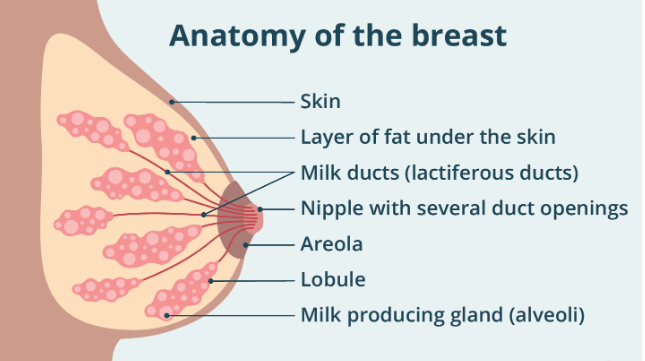
Breast cancer is a significant concern for women globally. This condition affects many women every year. Understanding its symptoms and preventive measures can save lives.
www.healthdirect.gov.au
Symptoms To Watch For
Early detection of breast cancer is crucial. Here are some symptoms to watch for:
- Lumps in the breast: A new lump or mass is the most common symptom.
- Changes in breast size or shape: Noticeable changes might indicate an issue.
- Nipple discharge: Any unusual discharge, especially blood, can be a warning sign.
- Skin changes: Redness, dimpling, or thickening of the breast skin.
- Pain: Persistent pain in the breast or nipple area.
Preventive Measures
While some risk factors can’t be changed, some preventive measures can be taken:
| Measure | Description |
|---|---|
| Regular Screening | Mammograms can help detect cancer early. |
| Healthy Diet | A balanced diet can reduce cancer risk. |
| Exercise | Regular physical activity helps maintain a healthy weight. |
| Limit Alcohol | Reducing alcohol intake can lower risk. |
| Avoid Smoking | Smoking is linked to many cancers, including breast cancer. |
Awareness and regular check-ups are key to breast health. By recognizing symptoms early and adopting preventive measures, women can protect their health effectively.
Ovarian Cancer
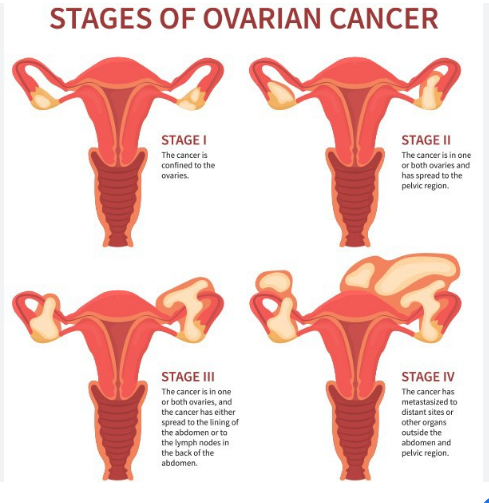
Ovarian cancer is a severe condition affecting many women worldwide. Early detection and awareness of this disease can save lives. Understanding the risk factors and screening methods is crucial for every woman.
cms.illinois.gov
Risk Factors
Several factors can increase the risk of developing ovarian cancer. These include:
- Age: Women over 50 are at higher risk.
- Family History: Having relatives with ovarian or breast cancer.
- Genetic Mutations: BRCA1 and BRCA2 gene mutations.
- Reproductive History: Never giving birth or having children later in life.
- Hormone Therapy: Long-term use of estrogen without progesterone.
Screening Methods
Early detection of ovarian cancer improves treatment outcomes. Common screening methods include:
| Screening Method | Description |
|---|---|
| Pelvic Exam | A doctor checks for lumps or changes in the ovaries. |
| Transvaginal Ultrasound (TVUS) | Uses sound waves to create images of the ovaries. |
| CA-125 Blood Test | Measures the amount of CA-125 protein in the blood. |
| CT Scans | Provides detailed images of the abdominal area. |
Consulting with a healthcare provider about these methods is essential. Early screening can significantly improve the chances of successful treatment.
Endometriosis
Endometriosis is a chronic condition that affects many women worldwide. It occurs when tissue similar to the lining inside the uterus grows outside it. This can cause severe pain, infertility, and other complications. Understanding this condition is crucial for early diagnosis and effective treatment.
Common Symptoms
Endometriosis presents with a variety of symptoms. Recognizing these signs can help in seeking timely medical advice.
- Pelvic pain: Often severe, especially during menstruation.
- Heavy periods: Menstrual bleeding that is unusually heavy.
- Painful intercourse: Discomfort during or after sex.
- Infertility: Difficulty in conceiving a child.
- Fatigue: Constant tiredness and lack of energy.
- Digestive issues: Bloating, diarrhea, or constipation.
Treatment Options
There are several treatment options available for managing endometriosis. These can help alleviate symptoms and improve quality of life.
| Treatment | Description |
|---|---|
| Medication | Includes pain relief and hormonal therapy. |
| Hormonal treatments | Birth control pills, GnRH agonists, and progestin therapy. |
| Surgery | For removing endometrial tissue growths. |
| Alternative therapies | Acupuncture, dietary changes, and physical therapy. |
Discussing symptoms with a healthcare provider is essential. They can recommend the most suitable treatment plan based on individual needs.
Polycystic Ovary Syndrome (PCOS)
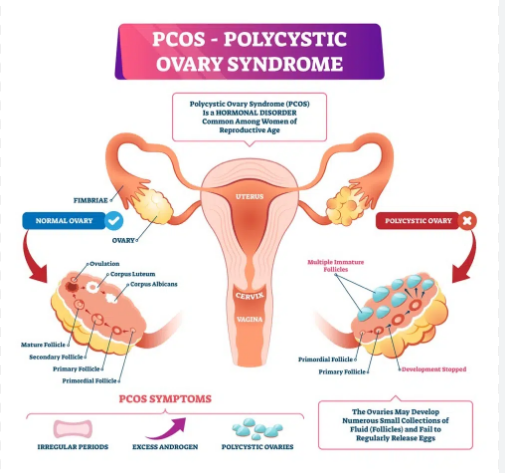
Polycystic Ovary Syndrome (PCOS) is a common condition in women. It affects hormone levels and can lead to various health issues. Understanding PCOS is crucial for managing symptoms effectively.
twc-ms.com
Causes And Symptoms
PCOS is caused by an imbalance of reproductive hormones. This imbalance creates problems in the ovaries. Women with PCOS may have irregular periods or no periods at all. This can lead to infertility.
Common symptoms of PCOS include:
- Irregular menstrual cycles
- Excess hair growth on the face and body
- Acne and oily skin
- Weight gain, especially around the belly
- Thinning hair or hair loss
- Darkening of the skin, particularly around the neck and underarms
Management Strategies
Managing PCOS involves a combination of lifestyle changes and medical treatments. Here are some effective strategies:
- Healthy Diet: A balanced diet helps manage weight and blood sugar levels. Focus on whole foods like vegetables, fruits, lean proteins, and whole grains.
- Regular Exercise: Exercise improves insulin sensitivity and helps with weight management. Aim for at least 30 minutes of moderate exercise most days of the week.
- Medications: Doctors may prescribe birth control pills to regulate periods. Metformin can improve insulin resistance.
- Stress Management: Stress can worsen symptoms. Practice relaxation techniques like yoga and meditation.
| Symptom | Management Strategy |
|---|---|
| Irregular Periods | Birth control pills |
| Excess Hair Growth | Hair removal treatments, anti-androgen medications |
| Acne | Topical treatments, hormonal contraceptives |
| Weight Gain | Diet and exercise |
Managing PCOS requires a comprehensive approach. A combination of lifestyle changes and medical treatments can help. Consulting with healthcare providers is essential for effective management.
Heart Disease In Women
Heart Disease in Women is a critical topic often overlooked. Heart disease is the leading cause of death for women worldwide. Understanding its unique symptoms and preventive measures can save lives.
Unique Symptoms
Heart disease symptoms in women can differ from men. These unique symptoms include:
- Chest pain: May feel like pressure, tightness, or discomfort.
- Shortness of breath: Even with minimal activity.
- Fatigue: Unusual and persistent tiredness.
- Nausea or vomiting: Often mistaken for a less severe illness.
- Back or jaw pain: Discomfort in these areas can be a sign.
- Lightheadedness: Feeling dizzy or faint.
Preventive Tips
Preventing heart disease involves lifestyle changes and regular health check-ups. Here are some effective tips:
- Eat a balanced diet: Include fruits, vegetables, and whole grains.
- Exercise regularly: Aim for at least 30 minutes most days.
- Maintain a healthy weight: Obesity increases heart disease risk.
- Avoid smoking: Quit smoking to improve heart health.
- Limit alcohol intake: Drink in moderation or not at all.
- Manage stress: Practice relaxation techniques like yoga or meditation.
- Regular screenings: Monitor blood pressure, cholesterol, and diabetes.
By recognizing the unique symptoms and adopting these preventive measures, women can significantly reduce their heart disease risk.
Osteoporosis
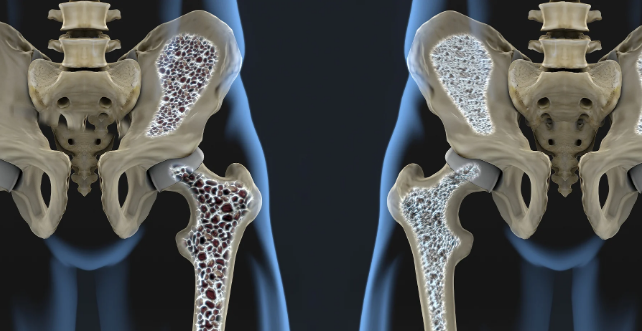
Osteoporosis is a common condition affecting many women, especially as they age. It weakens bones, making them brittle and more prone to fractures. Understanding osteoporosis and taking preventive measures can help maintain strong bones and overall health.
www.endocrine.org
Bone Health Basics
Bones are living tissues that constantly remodel themselves. They break down old bone cells and replace them with new ones. This process keeps bones strong and healthy. As women age, bone density decreases, and the risk of osteoporosis increases. This is more common after menopause due to lower estrogen levels.
Key factors affecting bone health include:
- Calcium Intake: Essential for bone strength.
- Vitamin D: Helps the body absorb calcium.
- Physical Activity: Weight-bearing exercises strengthen bones.
- Hormonal Balance: Estrogen plays a role in bone density.
Preventive Actions
Taking preventive actions early can significantly reduce the risk of osteoporosis. Here are some effective strategies:
- Maintain a Balanced Diet: Include calcium-rich foods like dairy, leafy greens, and fish.
- Get Enough Vitamin D: Spend time in sunlight and consider supplements.
- Exercise Regularly: Engage in weight-bearing activities like walking, jogging, and strength training.
- Avoid Smoking and Excessive Alcohol: Both can weaken bones.
- Monitor Bone Density: Regular bone density tests can help detect osteoporosis early.
By focusing on these preventive actions, women can maintain strong bones and reduce the risk of osteoporosis. Early intervention is key to long-term bone health.
Menstrual Disorders
Menstrual disorders are common conditions affecting women of all ages. They can cause significant discomfort and disrupt daily life. Understanding these disorders is crucial for timely diagnosis and treatment.
Types Of Disorders
Several types of menstrual disorders exist. Each has unique symptoms and causes. Here are some common types:
- Dysmenorrhea: Painful periods with intense cramps.
- Menorrhagia: Heavy menstrual bleeding lasting more than seven days.
- Oligomenorrhea: Infrequent periods with intervals of more than 35 days.
- Polymenorrhea: Frequent periods with intervals of less than 21 days.
- Amenorrhea: Absence of periods for three months or more.
- Premenstrual Syndrome (PMS): Emotional and physical symptoms before menstruation.
- Premenstrual Dysphoric Disorder (PMDD): Severe form of PMS affecting daily life.
When To Seek Help
Knowing when to seek medical help is essential. Not all menstrual irregularities are serious. Yet, some symptoms require attention. Here are signs you should consult a doctor:
- Periods lasting longer than seven days.
- Heavy bleeding needing frequent pad changes.
- Severe pain disrupting daily activities.
- Absence of periods for three or more months.
- Periods occurring more frequently than every 21 days.
- Severe mood swings or depression before periods.
If you experience any of these symptoms, don’t hesitate to seek medical advice. Early diagnosis and treatment can improve quality of life.
Cervical Cancer
Cervical cancer is a serious condition affecting many women worldwide. Understanding its risks and prevention methods is crucial. Early detection can save lives. This section will cover the importance of screening and vaccination for cervical cancer.

Credit: healthmatters.nyp.org
Screening Importance
Screening for cervical cancer involves testing for precancerous changes. Regular screenings can detect these changes early. Early detection allows for effective treatment. The most common screening tests are the Pap smear and the HPV test.
| Test | Purpose | Frequency |
|---|---|---|
| Pap Smear | Detects abnormal cells | Every 3 years |
| HPV Test | Detects HPV infection | Every 5 years |
Pap smear tests for abnormal cells on the cervix. HPV tests check for the virus that causes these changes. Women aged 21-65 should get screened regularly.
Vaccination
HPV vaccination can prevent most cases of cervical cancer. The vaccine targets the human papillomavirus (HPV). HPV is the main cause of cervical cancer. Vaccination is recommended for girls and boys.
- Gardasil 9 – Protects against 9 types of HPV
- Cervarix – Protects against 2 types of HPV
Vaccination is most effective at ages 11-12. It can still benefit older teens and young adults. Three doses are needed for full protection.
Encourage vaccination and regular screening. They are key to preventing cervical cancer.
Urinary Tract Infections (UTIs)
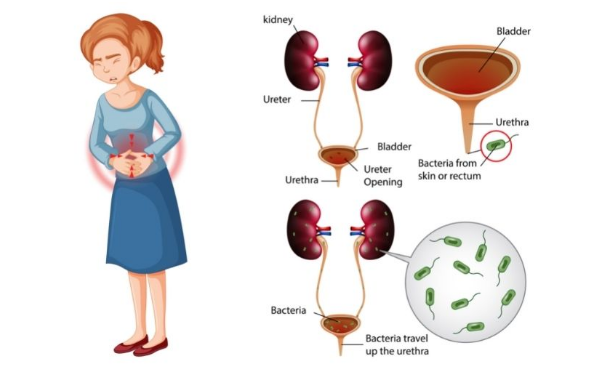
Urinary Tract Infections (UTIs) are common among women. They affect the bladder, kidneys, and urethra. UTIs cause discomfort and pain. Knowing about UTIs can help in preventing them.
Common Causes
Understanding the common causes of UTIs can help in prevention. Here are some key causes:
- Bacteria: E. coli bacteria cause most UTIs.
- Sexual activity: Increases the risk of bacteria entering the urethra.
- Poor hygiene: Not wiping properly can spread bacteria.
- Holding urine: Not emptying the bladder can lead to infections.
- Certain birth control: Diaphragms and spermicides can increase UTI risk.
Prevention Tips
Preventing UTIs is easier with these tips:
- Drink plenty of water: Water helps flush out bacteria.
- Wipe front to back: This prevents bacteria from spreading.
- Urinate after sex: Helps clear out bacteria.
- Avoid irritating feminine products: Douches and powders can cause irritation.
- Wear breathable underwear: Cotton underwear allows air circulation.
| Prevention Tip | Benefit |
|---|---|
| Drink plenty of water | Keeps urinary tract flushed |
| Wipe front to back | Prevents bacteria spread |
| Urinate after sex | Clears out bacteria |
| Avoid irritating products | Reduces irritation |
| Wear breathable underwear | Allows air circulation |
Thyroid Disorders
The thyroid gland plays a crucial role in women’s health. Thyroid disorders can significantly impact daily life. Understanding these conditions is essential for every woman.
Hypothyroidism Vs. Hyperthyroidism
Hypothyroidism occurs when the thyroid gland is underactive. This leads to a slower metabolism. Common symptoms include fatigue, weight gain, and depression. Women may also experience dry skin and hair loss.
Hyperthyroidism is the opposite condition. The thyroid gland is overactive, leading to a faster metabolism. Symptoms include weight loss, rapid heartbeat, and nervousness. Women may also experience sleep problems and muscle weakness.
Treatment Methods
Treating thyroid disorders involves various methods. Here are the most common:
- Medication: Doctors often prescribe medication to balance thyroid hormone levels. For hypothyroidism, levothyroxine is common. For hyperthyroidism, methimazole or propylthiouracil may be used.
- Radioactive Iodine: This treatment is used for hyperthyroidism. It destroys overactive thyroid cells. It is usually taken as a capsule or liquid.
- Surgery: In some cases, surgery is needed. This involves removing part or all of the thyroid gland. It is considered when other treatments fail or in severe cases.
- Dietary Changes: Some women find relief through diet. Avoiding certain foods and adding others can help. For example, iodine-rich foods can support thyroid function.
Here is a quick comparison of treatment options:
| Treatment | Hypothyroidism | Hyperthyroidism |
|---|---|---|
| Medication | Levothyroxine | Methimazole, Propylthiouracil |
| Radioactive Iodine | Not used | Commonly used |
| Surgery | Sometimes | Sometimes |
| Dietary Changes | Helpful | Helpful |
Understanding these treatment methods can empower women. It helps them make informed decisions about their health.
Autoimmune Diseases
Autoimmune diseases occur when the body’s immune system attacks its own tissues. These conditions can significantly impact a woman’s health and well-being. Understanding these diseases is crucial for early detection and management.
Common Types
Autoimmune diseases can affect various parts of the body. Here are some common types:
- Lupus: Causes inflammation and damage to various body tissues.
- Rheumatoid Arthritis: Affects joints, causing pain and swelling.
- Multiple Sclerosis: Damages nerve cells, affecting brain and spinal cord.
- Hashimoto’s Thyroiditis: Leads to an underactive thyroid gland.
Impact On Women
Autoimmune diseases often affect women more than men. Here’s how:
- Hormonal Changes: Hormones can trigger autoimmune responses.
- Pregnancy Complications: Some conditions can lead to pregnancy issues.
- Quality of Life: Symptoms can affect daily activities and mental health.
| Condition | Symptoms | Impact |
|---|---|---|
| Lupus | Fatigue, joint pain, skin rashes | Limits physical activity, affects skin |
| Rheumatoid Arthritis | Joint pain, stiffness, swelling | Reduces mobility, causes chronic pain |
| Multiple Sclerosis | Muscle weakness, vision problems | Affects coordination, vision |
| Hashimoto’s Thyroiditis | Weight gain, fatigue, depression | Leads to hormonal imbalance |
Mental Health
Women’s mental health is crucial. It affects every part of life. Understanding common mental health conditions helps women seek help early.
Depression And Anxiety
Depression and anxiety are prevalent among women. They can disrupt daily life. Symptoms include persistent sadness, worry, and fatigue. Women may also experience changes in sleep and appetite. Seeking help early is vital. Therapy and medication can offer relief.
Anxiety disorders are also common. They cause excessive worry and fear. Panic attacks may occur. Women might feel restless or have trouble concentrating. Treatment options include cognitive-behavioral therapy and relaxation techniques.
Support Systems
Having a strong support system is essential. Family, friends, and support groups can provide comfort. They offer a safe space to share feelings. Encouragement from loved ones boosts mental health.
Online communities also help. They connect women facing similar challenges. Sharing experiences and advice can be therapeutic. It’s important to find the right support network.
| Condition | Symptoms | Treatment |
|---|---|---|
| Depression | Sadness, fatigue, sleep changes | Therapy, medication |
| Anxiety | Worry, restlessness, panic attacks | Cognitive-behavioral therapy, relaxation techniques |
- Seek help early for mental health issues.
- Build a strong support system.
- Engage in therapy and self-care practices.
Credit: www.metropolisindia.com
Healthy Lifestyle Choices
Maintaining a healthy lifestyle is crucial for women’s health. Simple choices can significantly impact well-being and prevent common conditions. Focusing on diet, nutrition, and exercise can lead to a healthier life.
Diet And Nutrition
A balanced diet is vital for women’s health. Eating a variety of foods ensures you get all the necessary nutrients. Here are some key points to consider:
- Fruits and Vegetables: Aim for five servings daily.
- Whole Grains: Choose whole grains over refined ones.
- Protein: Include lean meats, beans, and nuts.
- Dairy: Opt for low-fat or fat-free options.
- Hydration: Drink plenty of water throughout the day.
Avoid high-sugar and high-fat foods. These can lead to weight gain and other health issues. Instead, focus on nutrient-rich foods to stay healthy.
Exercise Benefits
Regular exercise is essential for maintaining health. It offers numerous benefits:
- Weight Management: Helps maintain a healthy weight.
- Bone Health: Strengthens bones and reduces osteoporosis risk.
- Mental Health: Improves mood and reduces stress.
- Heart Health: Lowers the risk of heart disease.
- Flexibility: Enhances flexibility and reduces injury risk.
Aim for at least 30 minutes of moderate exercise most days. Include activities like walking, swimming, or yoga. Making time for exercise can significantly improve your overall health.
Regular Health Screenings
Regular health screenings play a crucial role in maintaining women’s health. These check-ups help detect potential health issues early. Early detection can lead to more effective treatments. Women should prioritize these screenings to stay healthy.
Importance Of Check-ups
Regular check-ups are essential for detecting health issues early. Early detection often means simpler and more effective treatment. Skipping check-ups can lead to undiagnosed problems. These problems can worsen over time. Regular visits to the doctor ensure you stay on top of your health.
Key Tests For Women
Several tests are crucial for women’s health. These tests vary based on age and risk factors. Below is a list of key screenings every woman should know about:
- Mammograms: Detect breast cancer early. Recommended for women over 40.
- Pap Smears: Screen for cervical cancer. Start at age 21.
- Bone Density Tests: Check for osteoporosis. Important for women over 65.
- Blood Pressure Checks: Monitor heart health. Regular checks are essential.
- Cholesterol Tests: Assess risk for heart disease. Begin at age 20.
- Blood Sugar Tests: Screen for diabetes. Especially important for high-risk individuals.
- Colonoscopies: Detect colon cancer. Recommended starting at age 50.
These tests can save lives by finding issues early. Talk to your doctor about which tests you need. Staying informed and proactive is key.
Frequently Asked Questions
What Are Women’s Health Conditions?
Women’s health conditions include menstrual disorders, pregnancy complications, menopause, breast cancer, osteoporosis, and reproductive health issues. Regular check-ups are essential.
What Are The Most Important Aspects Of Women’s Health?
Key aspects of women’s health include regular screenings, balanced nutrition, mental well-being, exercise, and reproductive health. Prioritize preventive care.
What Are The Cdc Tips For Women’s Health?
The CDC advises women to eat a balanced diet, exercise regularly, get routine check-ups, and manage stress. Avoid smoking and limit alcohol consumption. Prioritize sleep and stay updated on vaccinations.
What Are Common Women’s Health Issues?
Common women’s health issues include breast cancer, osteoporosis, heart disease, depression, autoimmune diseases, and reproductive health problems.
Conclusion
Understanding these seven common women’s health conditions can empower you. Prioritize regular check-ups and stay informed. Knowledge is a powerful tool for maintaining well-being. Share this information with the women in your life. Together, we can promote better health and awareness.
Your health journey starts with awareness and proactive care.