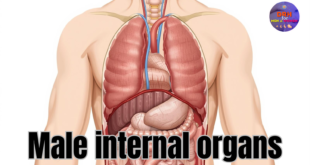
Reproductive Health Sexual and Reproductive Health

The male reproductive system is a biological miracle that is perfectly designed to make sure the species lives on. For reproductive health and overall well-being, it is important to know how it works and what its parts are. This article will go into detail about the different parts of a man’s reproductive system, including their roles, how they work, and common problems.
Understanding the Male Reproductive System
-

Testicles Testes and Scrotum:
Sperm and testosterone are made in the testes, which are the main reproductive organs of men. They are in the scrotum, which is a skin sac that hangs outside the body. The scrotum controls the temperature of the testes, which makes sure that the best conditions are present for making sperm.
- Epididymis:
There is a coiled tube behind each testicle. It is called the epididymis. It’s a place where sperm can be stored and grown. When a man ejaculates, sperm move from the epididymis to the urethra via the vas deferens.
- Vas Deferens:
The vas deferens is responsible for moving mature sperm from the epididymis to the urethra during ejaculation. Through peristaltic contractions, the smooth muscle that lines the tube makes it easier for the sperm to move. This important process makes sure that sperm gets to the testicles in time for ejaculation, which is a key part of male fertility and reproduction.
- Seminal Vesicles:
Seminal vesicles, or glands, are located near the bladder’s bottom. While they ejaculate, they create seminal fluid, which is full of nutrients and feeds and protects sperm. Seminal fluid also helps keep the female reproductive tract from being too acidic, which increases the chances of sperm survival.
-
Gland of the prostate:
The prostate gland is an organ that lies below the bladder and around the urethra. It is comparable in size to a walnut. It makes prostate fluid, which is a part of sperm. Sperm can move around and start to work when there is prostate fluid. When a man is having an orgasm, the prostate gland contracts, which pushes the sperm into the urethra. Otherwise, it does nothing.
- Bulbourethral Glands:
The bulbourethral glands are pea-sized glands that are found under the prostate gland. They are also called Cowper’s glands. They create a clear, thick fluid known as pre-ejaculatory fluid. This fluid keeps the urethra smooth and neutralizes any acidity left over from the urine. This makes the environment better for sperm.
Functions of Male Reproductive Organs
- Sperm Production:
The seminiferous tubules of the testes are where spermatogenesis happens, which is the process of making sperm. It starts during puberty and lasts a person’s whole life. Spermatogonia are the precursor cells that divide several times to make spermatozoa, which are the mature sperm cells. Two hormones that tightly manage this process are folic acid-stimulating hormone (FSH) and testosterone.
- Hormone Regulation:
Testosterone is the main male sex hormone that causes secondary sexual traits to develop, like facial hair, a deep voice, and muscle mass. The testes are what produce it. Testosterone is also very important for bone density, libido, and controlling your mood.
The Process of Sperm Production
- Spermatogenesis:
Spermatogenesis starts with the spermatogonia, which go through mitosis to create the primary spermatocytes. The cells then go through two rounds of meiotic division, which makes four haploid cells known as spermatids. To become mature sperm cells, or spermatozoa, spermatids go through more maturation and changes in shape.
- Sperm Maturation:
Fresh sperm cells are made in the seminiferous tubules and then move to the epididymis to grow up. As sperm move through the epididymis, they gain the strength to move and the ability to fertilize an egg. They stay in the epididymis until the end of the cycle.
Sexual Function and Male Reproductive Anatomy
- Erection:
The nervous system, hormones, and blood flow are all involved in getting and keeping an erection. When you are sexually aroused, your brain tells the arteries in your penis to widen. This lets more blood flow into the tissue of your erection. This rush of blood makes the penis stiff and straight, which makes it easier to penetrate during sexual activity.
- Ejaculation:
When a man ejaculates, he gets rid of semen from his reproductive tract. To ejaculate or emit, there are two steps, and the autonomic nervous system controls both. Sperm and seminal fluid are pushed into the urethra during emission from the vas deferens, seminal vesicles, and prostate gland. When you ejaculate, semen leaves your body through your urethra. You may feel like you’re having an orgasm, and your pelvic muscles will contract in a rhythmic way.
Common Disorders Affecting Male Reproductive Anatomy
- Infertility:
Infertility means not being able to have a child after one year of regular, unprotected sexual contact. It could be caused by a number of things, such as problems with the sperm, hormones, the body’s structure (like blockages in the reproductive tract), or a health problem that goes deeper.
- Erectile Dysfunction:
If you can’t get or keep an erection long enough for good sexual performance, you have erectile dysfunction (ED). Mental (like stress, anxiety, or depression) and physical (like heart disease, diabetes, or drug side effects) factors can both make it more likely to happen.
- Prostate Issues:
There are many conditions that can affect the prostate gland, such as prostatitis (inflammation of the prostate), benign prostatic hyperplasia (BPH), and prostate cancer. Symptoms may include problems with urination, pelvic pain, and sexual problems.
Maintaining male reproductive health
- Regular Check-ups:
You need to visit your doctor regularly to monitor your reproductive health and identify any issues early. Physical exams, blood tests, and imaging studies (like an MRI or ultrasound) may be part of this.
- Healthy lifestyle habits:
Living a healthy life can help your reproductive health and your overall health. Male Reproductive Anatomy means eating a balanced diet full of fruits, vegetables, lean proteins, and whole grains, working out regularly, staying at a healthy weight, avoiding tobacco and excessive alcohol use, managing stress effectively, and engaging in safe sexual activity.
Conclusion
The male reproductive system is an amazing and complicated web of organs and tissues that help with reproduction and sexual activity. Men can take steps to keep their reproductive health in good shape and enjoy fulfilling sexual lives by learning about the genitalia’s structure, functions, and common problems. For men’s reproductive health and overall health, it’s important to get regular checkups, live a healthy lifestyle, and see a doctor right away if any symptoms bother you.