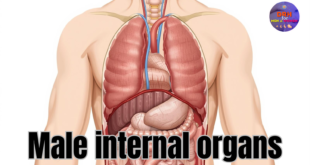
Reproductive Health Sexual and Reproductive Health
Understanding Male Reproductive Hormones
Hormones are the body’s chemical messengers, involved in just about everything that happens throughout the body. Sex-specific hormones All functions from our ability to reproduce sexually, sexual development and fertility all the way to mood and muscle mass are controlled by a set of particular male reproductive hormones which we need to understand in order for balance in our body.
This guide will discuss these male hormones and their roles in the body in greater detail and show how they interact. We’ll also discuss what can affect your hormone levels, symptoms that could signal an imbalance and the tests and treatments available. By the time you’re done with this section, you’ll have a good sense of why these hormones matter so much — and what steps you can take to support your hormonal health.
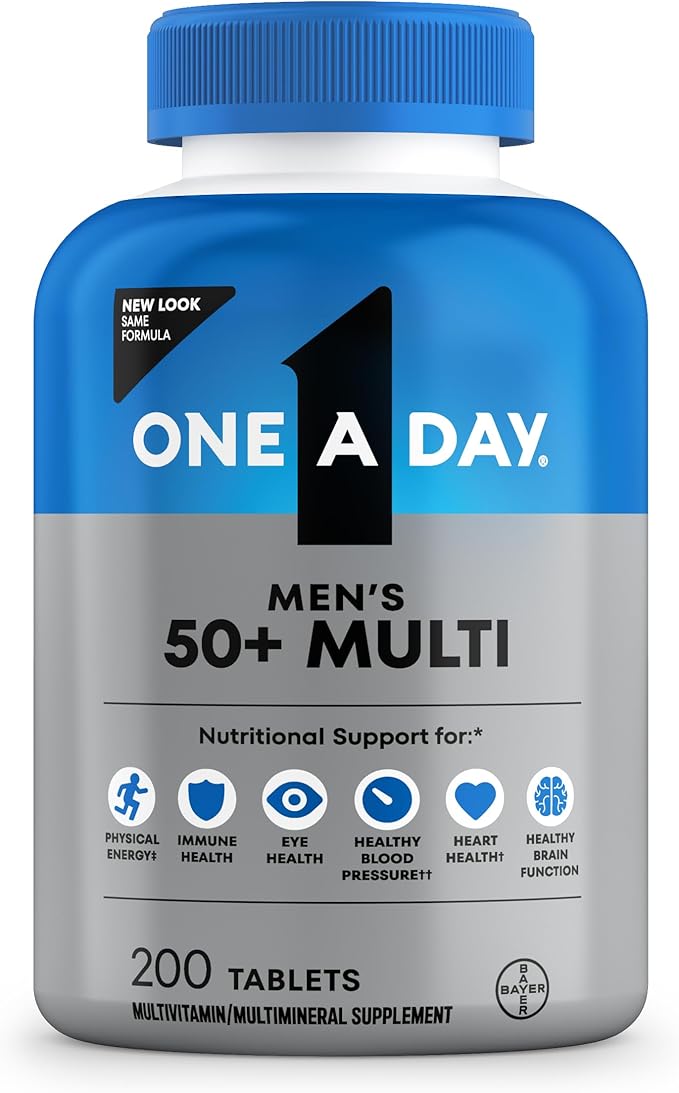
One A Day Men’s 50+ Healthy Advantage Multivitamin (200 Tablets)
Complete Daily Nutrition for Men Over 50
Support your active lifestyle and health with One A Day Men’s 50+ Multivitamin, designed to target the 6 key concerns of aging energy, heart, blood pressure, eye, immune, and brain health.
✨ Key Benefits:
-
Supports 6 Areas of Health: Physical energy, heart health, healthy blood pressure, eye health, immune system, and brain function.
-
Rich in Essential Nutrients: Includes 15+ vital nutrients like Vitamins A, C, E, B6, B12, D, Calcium, Zinc, and more.
-
Science-Backed Formula: Over 80 years of expertise from the #1 multivitamin brand designed for men.
-
Allergen-Free: No eggs, fish, shellfish, dairy, peanuts, tree nuts, soy, wheat, or sesame.
-
Easy to Take: Just one tablet daily with food for complete daily support.
Check it out here: Check Now
What Are Male Reproductive Hormones?
The regulation of male reproductive health involves the action of a number of important hormones. Testosterone is the most infamous, but it’s one of an entire system that operates in concert.
The Main Players
- Testosterone: This is the predominant male sex hormone and is primarily produced in the testes. It is responsible for the growth of male secondary sexual characteristics during puberty and also supports libido, sperm production, muscle strength and bone density throughout life.
- Gonadotropin-Releasing Hormone (GnRH): This hormone is sent by the brain’s hypothalamus to be the kick-off signal. It causes the pituitary to release two other important hormones: LH and FSH.
- Luteinizing Hormone (LH): This hormone is produced in the pituitary and travels to the testicles where it tells them to produce testosterone. Think of it as the “on” button to testosterone production.
- Follicle-Stimulating Hormone (FSH): Another one from the pituitary gland, FSH is integral for spermatogenesis or sperm production. It acts in conjunction with testosterone to maintain normal sperm development.
- Inhibin: Excreted from the testes, Inhibin serves as feedback. Subsequently the testes produce Inhibin when there are a large number of sperm, which causes the pituitary to reduce FSH production. This is part of a system of sperm production and balance.
There is a feed loop between these hormones. The brain (hypothalamus and pituitary gland) tells the testes what to do, and then the testes tell the brain how much they had produced. This helps to prevent the hormones from fluctuating and being based off kilter.
Functions of Male Reproductive Hormones
Male reproductive hormones have effects beyond the male reproduction. They are very much a part of the personal and mental well-being of a man.
- Sexual Development: Secondary characteristics in puberty including enlargement of the penis and testes, deepening of the voice, and growth of facial and body hair are brought on by a rise in testosterone.
- Physical Health: Muscle mass and bone density depend heavily on testosterone. It aids in the development and maintenance of muscle strength, and keeps bones strong, lowering the risk of osteoporosis later in life.
- Sperm Generation and Fertility: Both FSH and testosterone are necessary for the continuous production of viable sperm. Maintaining a certain level of these hormones is crucial for male fertility.
- Mood and Cognition: Hormones such as testosterone are linked to mood, including changes in energy levels, while they may also impact cognitive processes like learning and memory. Low levels tend to result in irritability, fatigue and distractibility.
Factors Affecting Hormone Levels
Hormone levels are variable and can be impacted by a host of factors, ranging from natural aging to lifestyle.
- Age: Testosterone declines naturally at the rate of about 1% a year after reaching age 30. This process is commonly called “andropause” or late-onset hypogonadism.
- Lifestyle: Diet, exercise and stress high amongst them should have heavy bearing. Poor diet, inactivity, chronic stress and lack of sleep also can lead to lower testosterone levels.
- Medical Issues: Some health problems can impair hormone levels. Among them are hypogonadism (when the testes fall short of producing normal levels of testosterone), thyroid conditions, and obesity. Extra body fat, especially in the belly area can convert testosterone to estrogen which lowers testosterone levels even more.
- Medications and Environment: Certain medications – opioids, steroids etc can inhibit hormone production. Exposure to environmental toxins, such as endocrine-disrupting chemicals in some plastics and pesticides, may also be a factor.
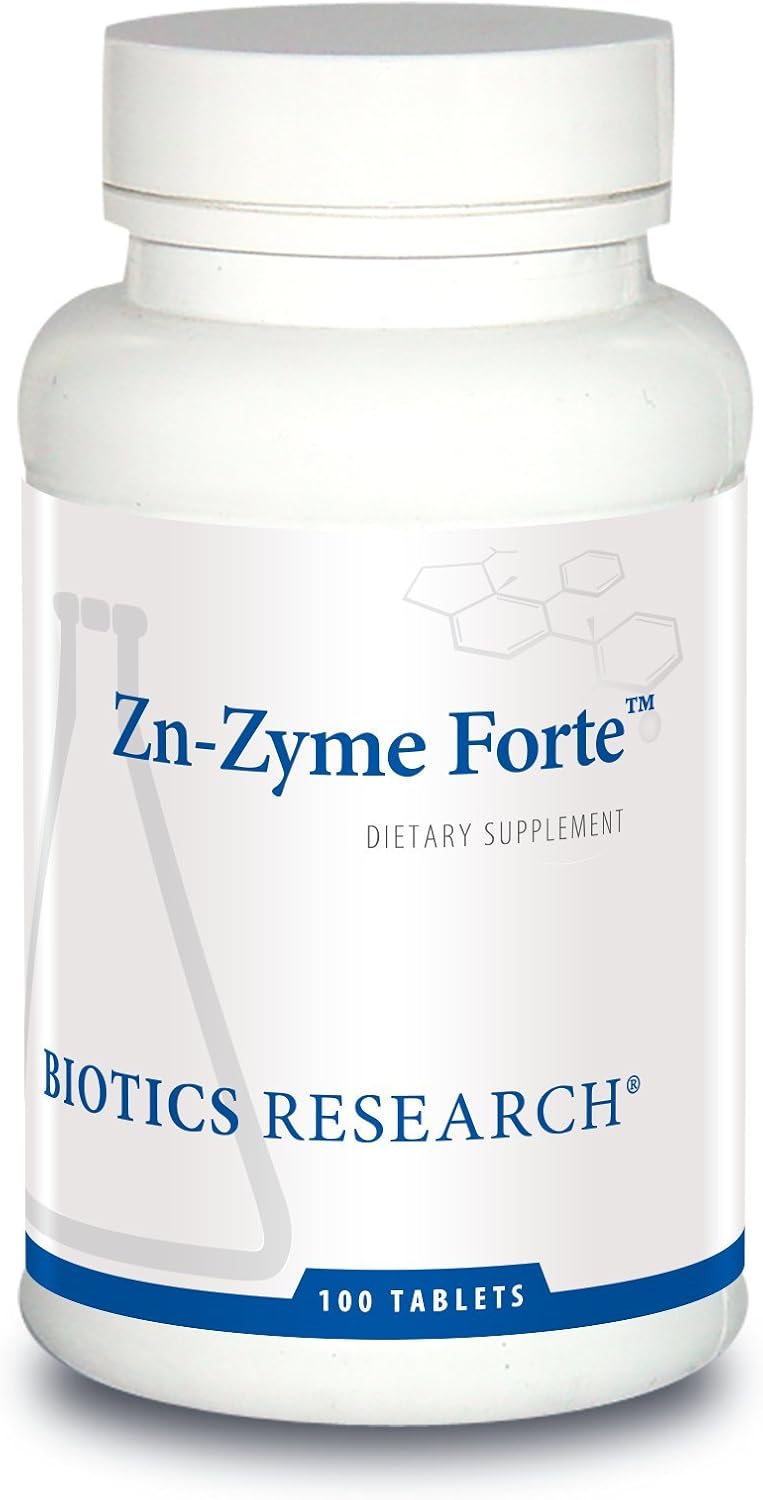
Biotics Research Zn-Zyme Forte 25mg Zinc (100 Tablets)
Immune System Support • Cellular Health • Antioxidant Protection
Strengthen your body’s natural defenses with Biotics Research Zn-Zyme Forte, a premium 25mg zinc supplement formulated to support immunity, cellular health, and optimal wellness.
Key Benefits:
-
Boosts Immunity: Zinc supports the body’s natural defense system and helps maintain a healthy immune response.
-
Defends Against Colds: Aids your immune defenses to protect against infections and reduce cold symptoms.
-
Supports Cellular Function: Plays a vital role in metabolism, growth, and tissue repair.
-
With Added Antioxidants: Helps combat oxidative stress for better overall health.
-
High Quality & Pure: Made in a GMP-certified, ISO-certified facility in the USA — Gluten-Free, safe, and effective.
Perfect for those looking to enhance immune strength, support daily vitality, and maintain overall wellness naturally.
🔗 Check it out here: Buy Now
Symptoms of Hormonal Imbalance
When the levels of these hormones get out of whack, physical and mental symptoms can occur.
Physical Symptoms
- Chronic fatigue and low energy
- Decreasing of overall muscular tone and strength
- An increase in body weight and especially fatness
- Erectile dysfunction (ED)
- Reduced body and facial hair growth
Psychological Symptoms
- Decreased libido (sex drive)
- Mood swings, irritability, or depression
- Difficulty concentrating or “brain fog”
Reproductive Symptoms
- Infertility or low sperm count
- Shrinking of the testes
If you have a mix of these symptoms, you might want to consider seeking medical advice.
Testing and Diagnosis
Detecting a hormonal imbalance begins with a chat with your doctor. They will probably inquire about your symptoms, medical history and lifestyle. They’ll also test your blood if they think your male reproductive hormones may be the cause.
Common tests include:
- Total Testosterone: Evaluates the total quantity of testosterone present in your blood.
- Free Testosterone: The amount of testosterone that is not bound to binding proteins and is considered “bioavailable” for your body to use.
- FSH and LH: Testing for these can help determine whether the problem is at the level of your testes or your pituitary gland.
Normal testosterone levels will differ depending on a person’s age and the laboratory that performs the test. Your physician will assist in interpreting the results based on your overall health and symptoms.
Management and Treatment Options
If a hormonal imbalance is confirmed, it can be effectively managed and treated.
Lifestyle Modifications
Frequent, the go-to defense is simply adopting a healthier lifestyle:
- Diet: Eat a healthy diet with plenty of wholefoods, good fats, lean protein and zinc.
- Exercise: Regular exercise, particularly resistance and HIIT training, may promote testosterone levels.
- Manage Stress: Activities such as meditation, yoga and ensuring that you get consistent sleep can reduce cortisol (the stress hormone), which affects testosterone in a bad way.
Medical Treatments
- Hormone Replacement Therapy (HRT): For men with genuine hypogonadism, or clinically low levels of testosterone, receiving hormone replacement therapy can be extremely beneficial. It comes in a number of different gels, patches, injectables and pellets. But HRT is not without risks and side effects, so it should be carefully monitored by a physician.
- Other drugs: Medications may be prescribed based on the cause of the imbalance. For example, drugs such as Clomid can be prescribed to boost production of LH and FSH (which stimulate testosterone and sperm), and is often a first-line treatment for infertility.
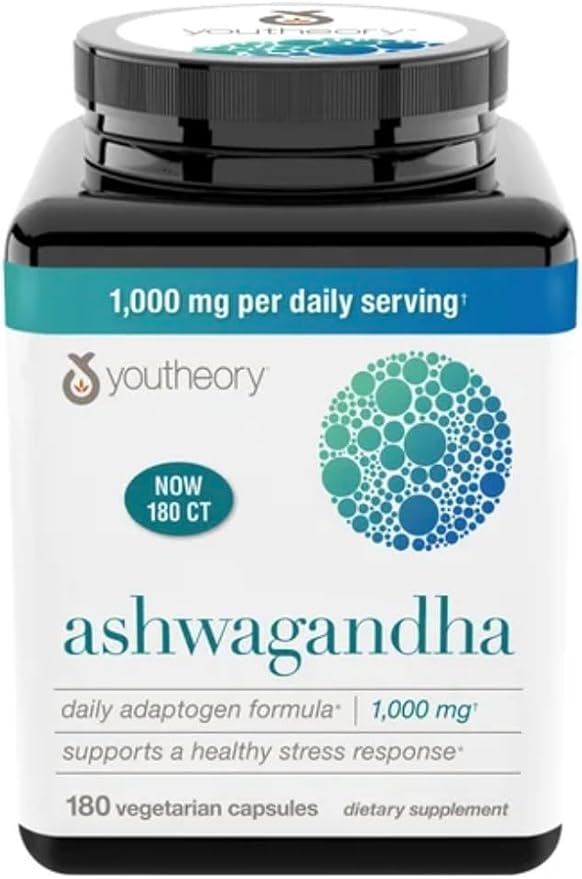
Youtheory Ashwagandha 1000mg with KSM-66 (180 Capsules)
Supports Stress Relief, Mood Balance & Overall Well-Being
Find your calm naturally with Youtheory Ashwagandha 1000mg, featuring the clinically studied KSM-66® extract one of the most potent and pure forms of Ashwagandha available.
Key Benefits:
-
Supports a Healthy Stress Response: Helps the body adapt to physical and emotional stress.
-
Promotes Relaxation & Balance: Encourages calmness without drowsiness.
-
Boosts Energy & Focus: Naturally enhances vitality and mental clarity.
-
KSM-66® Formula: High-concentration full-spectrum root extract for maximum effectiveness.
-
180 Capsules (6.3 fl oz): Long-lasting 3-month supply in a convenient capsule form.
Perfect for men and women seeking natural support for stress management, energy, and overall mood balance.
🔗 Check it out here: Buy Now
Nurturing Your Hormonal Health
Men’s health and energy is regulated in large part by male reproductive hormones. Their effects range from physical appearance, to mood and even fertility. Recognizing the signals of imbalance and relating hormone levels to health are a key in learning to manage your own health.
If you’re worried about your hormones, don’t wait to reach out to a healthcare provider. With the right diagnosis and a few small lifestyle changes—and medication, if necessary—you can find symmetry and keep living well for years to come.