 Reproductive Health Sexual and Reproductive Health
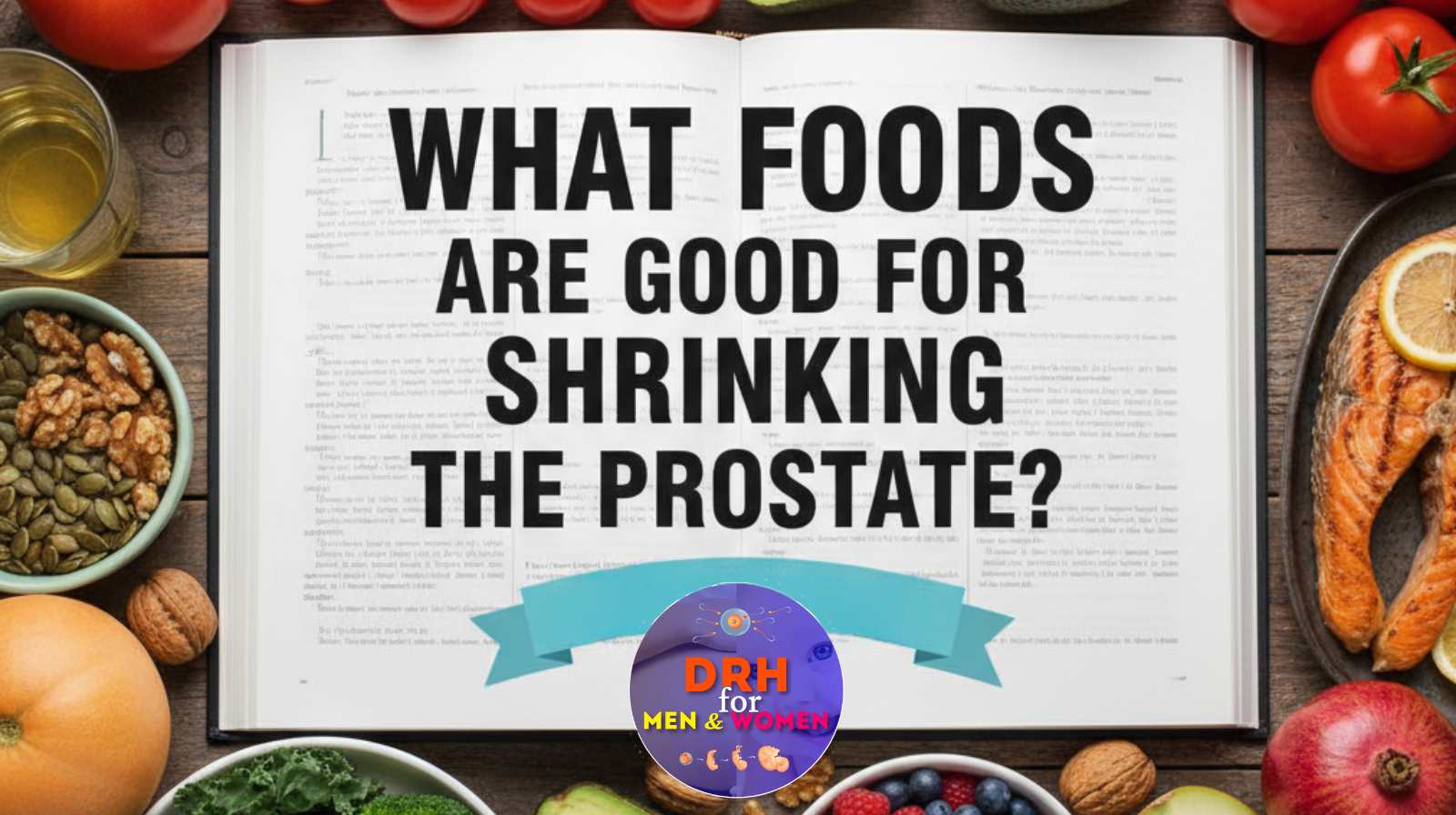
What Foods Are Good for Shrinking the Prostate? A Complete Guide
An enlarged prostate or benign prostatic hyperplasia (BPH) is a condition that affects millions of men around the world. This happens when the prostate gland becomes enlarged, leading to uncomfortable urinary symptoms like frequent urination, delayed start of urination and weak urine stream.
Although BPH is a normal part of aging for most men, the good news is that diet can have an important impact on symptoms associated with BPH and in some cases may help support prostate health. Studies have shown that certain foods might contain compounds beneficial in fighting inflammation, keeping hormone levels healthy and also support prostate health overall.
If you know what to eat for shrinking the prostate, you are in a position to make well informed food choices which might help improve the quality of life. This in-depth guide discusses the science of nutrition with practical guidance for what men should and shouldn’t eat as they fight or prevent prostate disease.
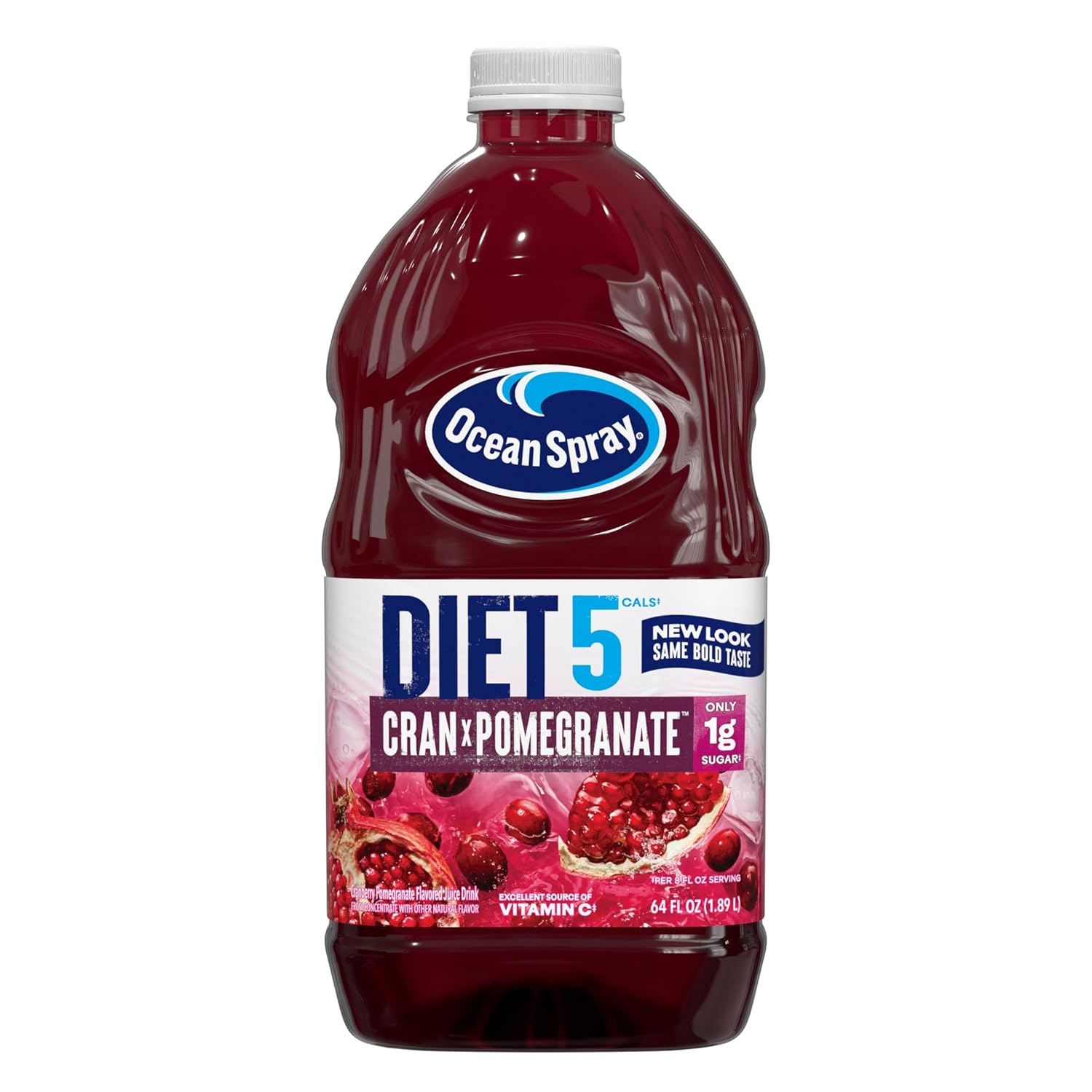
Ocean Spray® Diet Cran-Pomegranate™ Juice Drink – 64 fl oz (1 Bottle)
Refreshing taste with fewer calories perfect for a light, fruity boost!
Highlights:
-
Cranberry + Pomegranate blend for a naturally tangy, delicious flavor
-
Diet-friendly formula with low calories
-
Hydrating & refreshing great for any time of day
-
Made with quality ingredients from a trusted brand
-
Ideal for drinking straight, mixing with smoothies, or adding to mocktails
🔗 Order here: Buy Now
The Role of Diet in Prostate Health
Your diet is a significant determinant of the inflammatory status of your body, hormone production and cellular health which all affect the function of your prostate. “Men who live by a healthful diet in terms of high intake of fruits and vegetables tend to report lower risk for BPH-related symptoms,” said Yasin at Lund University in Sweden, whose findings appeared in the journal Urology.
The Mediterranean diet, which is characterized by a high intake of fruits and vegetables, whole grains and healthy fats has specifically shown to be beneficial for maintaining good prostate health. This type of diet contains antioxidants which battle oxidative stress, anti-inflammatory compounds that repair swelling tissue and nutrients that tap the brakes on out-of-control cell division.
And last but not least, healthy weight can help with prostate enlargement too, as obesity has been associated with more severe BPH.
Top Foods for Prostate Health
Tomatoes and Tomato Products
Tomatoes contain lycopene, a potent antioxidant that provides their red hue. Studies show that lycopene may decrease prostate inflammation and potentially inhibit the proliferation of prostate tissue. Processed tomato products such as tomato sauce, paste, and soup are better sources of bioavailable lycopene than raw tomatoes.
Including 2-3 servings of tomato-based foods in your weekly meal plan can have enormous benefits for the body when it comes to lycopene. Pizza sauce, marinara and other tomato-based sauces are tasty ways to up your intake.
Cruciferous Vegetables
Broccoli, cauliflower, Brussels sprouts and kale all have sulforaphane and other nutrients that promote detox tissues to balance hormone levels. And, these birds are packed with the fiber, vitamins and nutrients our body needs in general.
Steam or simply cook these vegetables until they are only slightly soft as this will help maintain their cancer-fighting properties. Aim for a minimum of 3-4 servings each week to ensure you take advantage of their prostate-protection properties.
Green Tea
Catechins, especially epigallocatechin gallate (EGCG), are found in green tea, having anti-inflammatory and antioxidant effects. Several researches suggest that regular green tea drinkers may be able to lower prostate inflammation and assist in maintaining health of the prostate.
2 to 3 cups of green tea a day contain enough beneficial compounds for medicinal effects. Opt for high-quality loose leaf or tea bags, and refrain from using too much sugar or cream.
Nuts and Seeds
Zinc, selenium and healthy fats are beneficial for prostate health, and pumpkin seeds, walnuts and Brazil nuts are rich in all three. Zinc is especially crucial in terms of prostate function, and a lack of it has been associated with prostate issues.
At the same time, they offer chunky nutrients without too many calories: A small palmful (about 1 ounce) of mixed nuts and seeds can last long enough to eat at least 14 walnuts. Or enjoy pumpkin seeds as a snack, or sprinkled on salads and yogurt.
Fatty Fish
Cold-water fish such as salmon, mackerel and sardines contain omega-3 fatty acids, which can help decrease inflammation in the body — including the prostate. These good fats also contribute to a healthy heart and overall wellbeing.
Consume fatty fish 2-3 times a week. Those that work the best are grilled, broiled or baked recipes with minimal amounts of added fats or sodium.
Berries and Pomegranates
Blueberries, strawberries and pomegranates have anthocyanins and certain other antioxidants that may protect prostate cells from damage. They are also a source of fiber, vitamins and natural sugar that you need for a healthy diet.
The berries can be fresh or frozen, and both perform beautifully. Put them in smoothies, mix them into oatmeal or just snack on them throughout the day.
Foods to Avoid for Prostate Health
Red and Processed Meats
There is a correlation between high intake of red meat and processed meats such as bacon, sausage and deli meats with an increase in prostate issues. These products are often filled with saturated fats, nitrates and other chemicals that can contribute to inflammation.
Keep red meat portions to 2-3 servings per week, and when you do eat it make sure it is lean. Substitute processed meats with more wholesome protein sources such as fish, poultry, or plant-based alternatives.
High-Fat Dairy Products
Some studies indicate that consumption of dairy, specifically high-fat dairy, relates to greater prostate trouble. You should also only consume full-fat milk, cheese, and ice cream in moderation.
Reach for dairy alternatives with less fat, or opt for plant-based varieties such as almond, oat and soy milk. If you do eat dairy, opt for low-fat varieties and consume in moderation.

NOW Foods Pumpkin Seeds – Raw & Unsalted (1 lb, Pack of 2)
Snack smart, stay healthy!
Highlights:
-
Protein-Packed Excellent source of plant-based protein
-
Rich in Iron & Essential Fatty Acids Supports overall health and energy
-
Certified Non-GMO Pure, natural, and safe
-
Versatile Snack Great for baking, smoothies, salads, or munching straight from the pack
🔗 Get it here: Buy Now
Excessive Caffeine and Alcohol
Caffeine and alcohol are both irritants to the lower urinary system, which can make BPH worse. It may not be harmful for some people if taken in moderation but avoid excess.
Keep coffee to 1 or 2 cups per day and do not exceed one drink daily. Observe the effect of these on your symptoms and manage them accordingly.
Highly Processed Foods
A diet rich in refined sugars, trans-fats and artificial chemicals can be pro-inflammatory and unhealthy. These are the likes of junk food, processed snacks and sugary drinks.
When you can, concentrate on whole, minimally processed foods. ”The MakeUp ingredient that Beware of Usually,Read the label and select products with minimal ingredients and no fake add-ins.
Sample Prostate-Friendly Meal Plan
Breakfast:
- Oatmeal with blueberries and chopped walnuts
- Green tea
- 2 tbsp almond butter on whole grain toast
Lunch:
- Grilled salmon salad with mixed greens, tomatoes, and pumpkin seeds
- Olive oil and lemon dressing
- Herbal tea or water
Snack:
- Small handful of Brazil nuts
- Fresh berries
Dinner:
- Baked chicken breast with roasted broccoli and cauliflower
- Quinoa with herbs
- Side of steamed kale
- Water with lemon
This eating plan includes several servings of prostate-friendly foods without shortchanging your other nutrients or delicious food experiences.
Lifestyle Recommendations Beyond Diet
Although diet is important in maintaining prostate health, other lifestyle factors also make a difference in managing symptoms and overall well-being.
Regular exercise can keep your weight in check, promote good blood flow and potentially alleviate symptoms of BPH. Strive to get a minimum of 150 minutes per week of moderate physical activity, which should include some combination of cardiovascular exercise and strength training.
Releasing stress through activities such as meditation, deep breathing or yoga will also lower inflammation and promote your overall well-being. Stress and Health Problems Researchers also have found that chronic stress is associated with a variety of health problems, such as prostate issues.
Hormones, including cortisol, are balance during sleep to support repair on a cellular level. Strive for 7-9 hours of restorative sleep each night to assist your body in healing and fighting disease.

Eco-Fil Disposable Tea Filter Bags – 100 Pack (3.2” x 4”)
Brew your loose tea the easy, eco-friendly way!
Highlights:
-
Biodegradable & Compostable Made from wood pulp, unbleached, and eco-conscious
-
Excellent Permeability Perfect steeping, no loose leaves escaping
-
Sturdy & Safe Works in microwave, pressure cooker, or boiling water without breaking
-
No Mess Brew tea, coffee, or even bath soaks with zero cleanup
-
Versatile Use Can be used for spices, foot baths, desiccants, or camphor storage
🔗 Grab yours here: Buy Now
Taking Control of Your Prostate Health
Knowing the best foods for reducing your prostate will give you greater control over your symptoms and help enhance your quality of life. The foods that get attention in this guide— tomatoes, cruciferous vegetables, green tea, nuts, seeds, fatty fish and berries are some of them—contain important compounds that support the health of our prostate in a variety of ways.
Keep in mind that modifications to your diet will be most effective when part of an integrated approach consisting of frequent exercise, stress reduction and sufficient sleep. Although effective, responses may vary and are generally slow to manifest.
And do not start making major dietary changes or experience prostate symptoms without consulting your health professional. They might even offer personalized guidance based on your individual health needs and track your progress over time.


