Reproductive Health Sexual and Reproductive Health


Ensure your baby’s health by maintaining regular check-ups, proper nutrition, and consistent hygiene. Stay informed and proactive.
As a parent, your baby’s health is paramount. Regular pediatric check-ups help detect potential issues early. A balanced diet provides essential nutrients for growth and development. Consistent hygiene practices, like regular hand washing and sanitizing, prevent infections. Staying informed about vaccinations and developmental milestones ensures your baby’s well-being.
Establishing a routine for sleep, feeding, and playtime promotes overall health. Trust your instincts and seek advice when necessary. Your proactive approach can make a significant difference in your baby’s health.
Newborn Care Basics
Welcoming a newborn is an exciting journey. Proper care ensures their health and happiness. Here are essential tips for maintaining your baby’s health.

Handling With Care
Always support your baby’s head and neck. Use both hands to lift them. Ensure their head is aligned with their body. Be gentle while moving or changing their position.
Keep your baby warm but not overheated. Use soft, breathable fabrics. Avoid sudden movements or loud noises. Always wash your hands before handling them.
Umbilical Cord Care
The umbilical cord stump needs special attention. Keep it clean and dry. Fold the diaper below the stump to avoid irritation.
Use a cotton swab dipped in clean water to clean the stump. Do this daily. Avoid using alcohol or other solutions unless advised by a doctor.
| Do’s | Don’ts |
|---|---|
| Keep the area dry | Cover the stump with a diaper |
| Clean with water | Use alcohol or solutions |
| Monitor for infection signs | Pull or tug on the stump |
Watch for signs of infection. These include redness, swelling, or foul odor. Contact a healthcare provider if you notice these symptoms.
Feeding Your Baby
Feeding your baby is a crucial aspect of maintaining their health. Whether you choose breastfeeding, formula feeding, or a combination, understanding each method’s benefits and tips is essential. Below, you’ll find valuable information on breastfeeding and formula feeding to help you make informed decisions.

Breastfeeding Benefits
Breastfeeding offers numerous advantages for both the baby and the mother. Here are some key benefits:
- Nutritional Superiority: Breast milk contains the perfect mix of vitamins and nutrients.
- Immune Support: It provides antibodies that help fight infections.
- Bonding: Breastfeeding promotes a strong emotional bond between mother and child.
- Convenience: Breast milk is always available at the right temperature.
Formula Feeding Tips
If you choose formula feeding, follow these tips to ensure your baby’s health:
- Choose the Right Formula: Consult your pediatrician to select the best formula for your baby.
- Proper Preparation: Always follow the instructions on the formula packaging.
- Feeding Schedule: Maintain a consistent feeding schedule to keep your baby well-fed.
- Cleanliness: Sterilize bottles and nipples before each use to prevent infections.
Both breastfeeding and formula feeding have their unique benefits. Understanding these can help you make the best choice for your baby’s health.
Sleep Safety
Ensuring your baby sleeps safely is crucial for their health and development. Sleep safety involves creating the right environment and maintaining a proper sleep schedule. Here are essential tips to help you provide a safe and comfortable sleeping experience for your baby.

Safe Sleep Environment
Creating a safe sleep environment reduces the risk of Sudden Infant Death Syndrome (SIDS). Follow these tips to make sure your baby’s sleep space is secure:
- Always place your baby on their back to sleep.
- Use a firm mattress with a fitted sheet.
- Keep the crib free of toys, pillows, and loose blankets.
- Avoid overheating; dress your baby in light sleepwear.
- Consider using a sleep sack instead of blankets.
- Ensure the crib meets current safety standards.
Sleep Schedules
Maintaining a consistent sleep schedule helps your baby develop healthy sleep habits. Here’s how you can establish a regular routine:
- Create a calming bedtime routine, like a warm bath or reading a book.
- Set a consistent bedtime and wake-up time every day.
- Ensure your baby gets enough naps during the day.
- Observe your baby’s sleep cues and adjust the schedule as needed.
- Limit stimulating activities before bedtime.
By following these tips, you can help your baby sleep safely and soundly. A proper sleep environment and consistent schedule will promote their health and well-being.
Diapering Essentials
Diapering is a crucial part of caring for your baby. Ensuring your baby stays clean and comfortable is essential for their health. This guide covers the diapering essentials every parent should know.

Choosing Diapers
Choosing the right diaper can make a big difference. There are two main types of diapers: cloth and disposable.
- Cloth Diapers: These are reusable and eco-friendly. They come in various styles and sizes. Cloth diapers can save money in the long run.
- Disposable Diapers: These are convenient and easy to use. They are available in many brands and absorbency levels. Disposable diapers are often more expensive.
Consider your baby’s needs and your lifestyle. You might want to try both types to see which works best.
Diaper Rash Prevention
Diaper rash is a common issue but can be prevented. Here are some tips to keep your baby’s skin healthy:
- Change Diapers Often: Wet or dirty diapers should be changed immediately.
- Clean Thoroughly: Use gentle wipes or a soft cloth with water. Ensure the area is dry before putting on a new diaper.
- Use Barrier Cream: Apply a thin layer of diaper rash cream. This protects the skin from moisture.
- Let Skin Breathe: Allow your baby some diaper-free time each day. This helps their skin stay dry.
Following these tips can help prevent diaper rash and keep your baby comfortable.
Bathing Your Baby
Bathing your baby can be a joyful experience. It is not only about cleanliness but also about bonding. Here are some essential tips to make bath time safe and enjoyable for your baby.
Bath Time Basics
Ensure you have all supplies ready before starting. Gather a baby bathtub, mild baby soap, a soft washcloth, and a towel. Fill the bathtub with 2-3 inches of warm water. Test the water temperature with your wrist. It should feel warm, not hot.
Gently place your baby in the tub, supporting their head and neck. Use the washcloth to clean their face first. Then, clean their body, paying attention to folds and creases. Rinse off the soap with clean water. Wrap your baby in a towel immediately after the bath to keep them warm.

Skin Care Tips
Baby skin is sensitive and needs special care. Use mild, fragrance-free soaps and lotions. Avoid products with harsh chemicals.
After bathing, gently pat your baby’s skin dry. Apply a baby-friendly moisturizer to keep their skin soft. Check for any signs of irritation or rashes regularly.
For diaper areas, ensure the skin is completely dry before putting on a new diaper. This helps prevent diaper rash. Use a diaper rash cream if needed.
Trim your baby’s nails regularly to avoid scratches. Use baby-safe nail clippers and do this when they are calm, like after a bath.
| Task | Details |
|---|---|
| Prepare Supplies | Have soap, washcloth, towel ready. |
| Check Water Temperature | Warm, not hot water. |
| Support Baby’s Head | Always support head and neck. |
| Use Mild Products | Avoid harsh chemicals. |
| Moisturize Skin | Apply baby-friendly lotion. |
Immunization Schedule
Ensuring your baby stays healthy involves many steps. One of the most crucial is following a proper immunization schedule. Vaccines protect your baby from serious illnesses. This guide helps you understand the importance and common vaccines needed for your baby.
Vaccination Importance
Vaccinations are vital for your baby’s health. They prevent diseases that can be fatal. Vaccines help build your baby’s immune system. This makes them stronger against infections. Vaccinated babies are less likely to fall sick. They also protect other children who can’t get vaccinated. Herd immunity develops when most people get vaccinated. This shields the whole community. Vaccines undergo strict safety tests. They are safe and effective for babies.
Common Vaccines
Your baby will need several vaccines in the first year. Here are some essential ones:
- Hepatitis B: Given at birth, 1-2 months, and 6-18 months.
- DTaP: Protects against diphtheria, tetanus, and pertussis. Given at 2, 4, and 6 months.
- Hib: Prevents Haemophilus influenzae type b. Given at 2, 4, and 6 months.
- Polio (IPV): Given at 2, 4 months, and 6-18 months.
- PCV13: Protects against pneumococcal diseases. Given at 2, 4, and 6 months.
- Rotavirus: Given at 2 and 4 months.
A detailed schedule helps you keep track of vaccines. Here is a simplified table:
| Age | Vaccines |
|---|---|
| Birth | Hepatitis B |
| 2 months | DTaP, Hib, Polio, PCV13, Rotavirus |
| 4 months | DTaP, Hib, Polio, PCV13, Rotavirus |
| 6 months | DTaP, Hib, Polio, PCV13, Hepatitis B |
| 6-18 months | Hepatitis B, Polio |
Stick to the schedule for maximum protection. Consult your pediatrician for any concerns.
Babyproofing Your Home
Ensuring your home is safe for your baby is essential. Babies are curious and explore everything. By babyproofing, you create a secure environment. This guide provides practical tips for babyproofing your home, focusing on nursery safety and common hazards.
Nursery Safety
The nursery should be a safe haven for your baby. Start by securing the crib. Ensure the crib slats are no more than 2 3/8 inches apart. Remove pillows, blankets, and stuffed animals from the crib.
Install a smoke detector in the nursery. Test it regularly. Anchor heavy furniture like dressers and bookshelves to the wall. This prevents tipping.
Keep the changing table secure. Use the safety straps when changing your baby. Place essential items within arm’s reach, but out of the baby’s reach.
Cover all electrical outlets with safety plugs. Use cordless window coverings to avoid strangulation hazards.
Common Hazards
Babies can find hazards everywhere. Here are some common ones to watch out for:
- Choking Hazards: Keep small objects out of reach. This includes coins, buttons, and small toys.
- Sharp Edges: Use corner protectors on furniture and countertops.
- Electrical Hazards: Cover unused outlets. Keep cords out of reach.
- Poisoning: Store cleaning supplies and medications in locked cabinets.
- Falls: Install baby gates at the top and bottom of stairs. Never leave your baby unattended on high surfaces.
Regularly inspect toys for wear and tear. Remove any broken or unsafe toys immediately.
Ensure that all houseplants are non-toxic. Some plants can be harmful if ingested.
By following these tips, you can create a safe space for your baby. Babyproofing your home is a continuous process. Always stay vigilant and proactive in ensuring your baby’s safety.
Credit: oralhealthnc.org
Signs Of Illness
As a parent, recognizing the signs of illness in your baby is crucial. Babies can’t express their discomfort in words, so it’s up to you to notice the subtle cues. This section will help you identify the key indicators of sickness and when to seek medical advice.
Fever Management
A fever can be a sign that your baby’s body is fighting an infection. Here’s how to manage it:
- Take your baby’s temperature using a digital thermometer.
- If the temperature is above 100.4°F (38°C), your baby has a fever.
- Keep your baby hydrated with fluids.
- Dress your baby in light clothing to keep them cool.
- Use a lukewarm bath or sponge to help reduce the fever.
- Avoid giving aspirin to babies.
When To Call The Doctor
Knowing when to call the doctor is essential. Here are some signs that you should seek medical help:
| Signs | Action |
|---|---|
| Fever above 100.4°F (38°C) | Contact your doctor immediately. |
| Refusal to eat or drink | Seek medical advice. |
| Persistent crying or irritability | Call your healthcare provider. |
| Difficulty breathing | Go to the emergency room. |
| Unusual rash | Consult a doctor. |
Always trust your instincts. If you feel something is wrong, don’t hesitate to call your healthcare provider.
Healthy Bonding
Creating a strong bond with your baby is crucial for their health and development. Healthy bonding involves spending quality time and engaging in activities that foster emotional and physical growth. Below are essential tips to help you bond with your baby effectively.
Tummy Time
Tummy time is essential for your baby’s physical development. It helps strengthen their neck, shoulders, and back muscles.
- Place your baby on their tummy for a few minutes daily.
- Increase tummy time gradually as they grow.
- Always supervise them during tummy time.
Encourage your baby by placing toys within their reach. This will make tummy time more enjoyable.
Interactive Play
Interactive play fosters emotional and cognitive development. It helps your baby learn about their environment.
- Engage in activities like singing and reading.
- Play peek-a-boo to stimulate their senses.
- Use colorful and noisy toys to capture their attention.
Interactive play also strengthens your baby’s social skills. It helps them understand social cues and emotions.
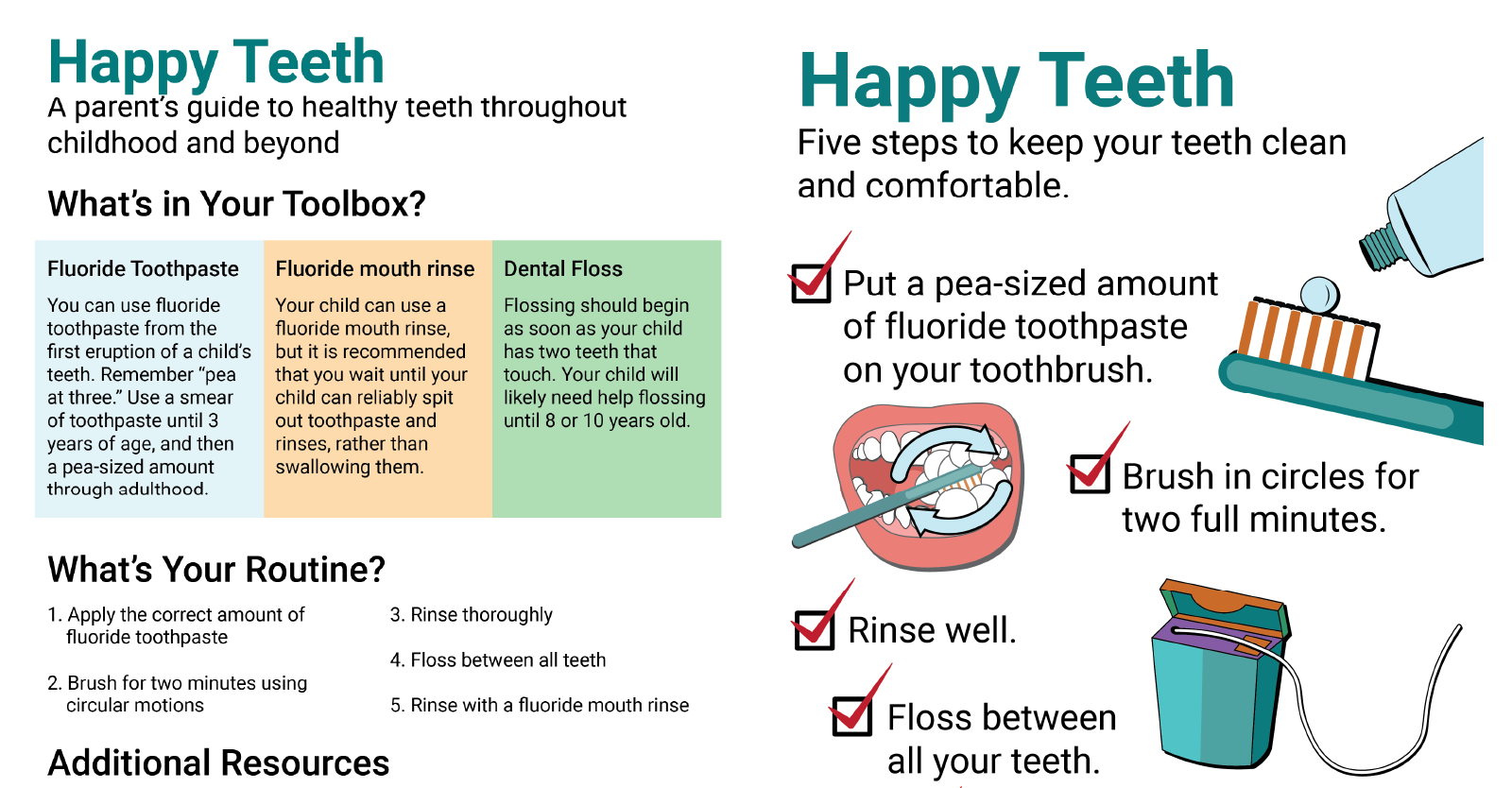
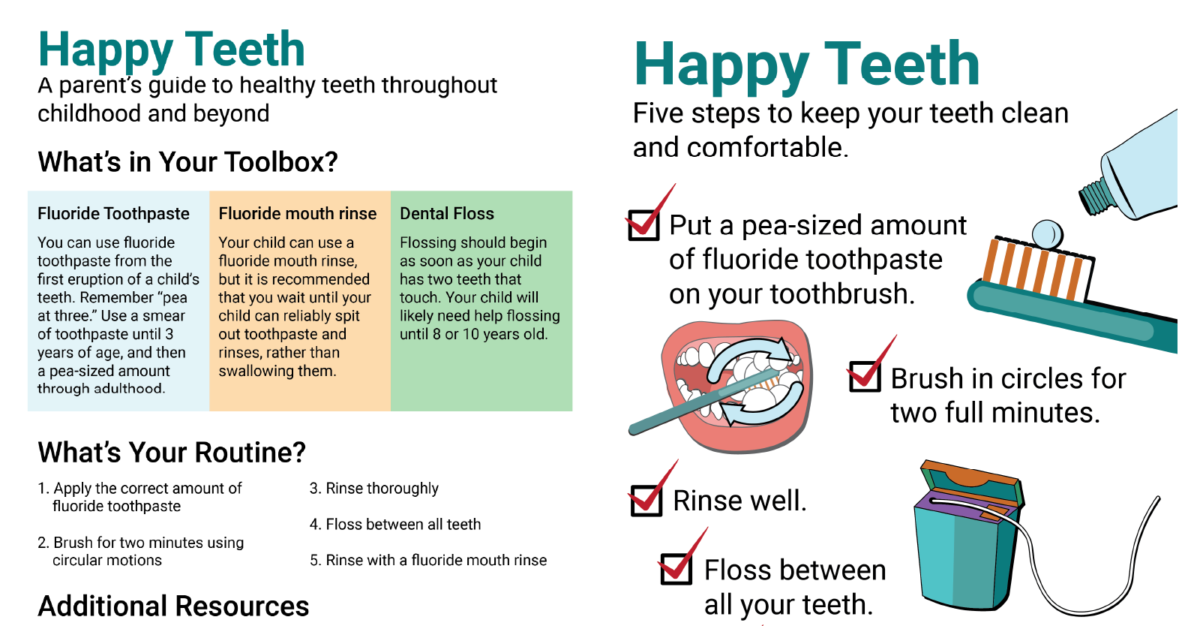
Oral Health
Maintaining your baby’s oral health is crucial for their overall well-being. Healthy gums and teeth set the foundation for future dental health. Here are some essential tips to help you keep your baby’s mouth in excellent condition.
Teething Relief
Teething can be a challenging phase for both babies and parents. Babies often experience discomfort and irritability. Here are some effective ways to provide relief:
- Cold Teething Toys: Chill teething toys in the refrigerator. Let your baby chew on them. The cold sensation helps numb the gums and reduce pain.
- Gum Massage: Gently rub your baby’s gums with a clean finger. This can soothe sore gums and offer comfort.
- Teething Gels: Use teething gels sparingly. Consult your pediatrician before application.
First Dental Visit
Scheduling your baby’s first dental visit is a significant step. The first visit should ideally occur by the age of one or when the first tooth appears.
- Early Check-Up: Early dental visits help detect any potential issues. This ensures early treatment and care.
- Building Comfort: Regular dental visits help your baby get comfortable with the dentist. This reduces anxiety in future visits.
- Preventive Care: Dentists provide guidance on proper oral hygiene practices. They also offer tips on diet to prevent cavities.
In summary, focusing on your baby’s oral health from an early age is vital. Implement these tips for teething relief and plan their first dental visit timely. This will ensure your baby enjoys a healthy smile.
Traveling With Baby
Traveling with your baby can be a joyful experience if well-prepared. Ensuring comfort and safety during the journey is crucial. Here are some essential tips to help you travel smoothly with your little one.
Car Seat Safety
Ensuring your baby is safe in the car is a top priority. Use a rear-facing car seat until your baby is two years old. Install the car seat in the back seat, away from airbags. Follow the manufacturer’s instructions for a secure fit. Check the harness every trip to ensure it is snug and properly positioned.
Always use the LATCH system or a seatbelt to secure the car seat. Avoid bulky clothing on your baby, as it can interfere with harness tightness. Regularly inspect the car seat for any damage or wear.
Packing Essentials
Packing the right items can make traveling with your baby stress-free. Here is a table to help you pack efficiently:
| Item | Quantity |
|---|---|
| Diapers | Enough for the trip + extras |
| Wipes | 1-2 packs |
| Clothing | 2-3 outfits per day |
| Bottles | 3-4, if bottle-feeding |
| Formula/Breast Milk | Sufficient supply |
| Blankets | 2-3, for warmth and comfort |
| Toys | 3-4 favorite toys |
Keep a small first aid kit handy. Include baby-safe pain relievers, a thermometer, and any medications your baby may need. Pack snacks and pureed foods if your baby has started solids.
Use a diaper bag with multiple compartments for easy organization. Always carry extra bibs and burp cloths to handle spills and messes. Bring a portable changing pad for clean diaper changes on the go.
These tips help ensure a smooth and enjoyable journey for you and your baby. Preparing well makes traveling with a baby a delightful experience.
Nutrition Milestones
Understanding nutrition milestones is crucial for your baby’s health. These milestones help ensure your baby grows strong and healthy. Here are key tips to guide you through this important phase.

www.pinterest.com
Introducing Solids
Introducing solids is an exciting time. It usually starts around six months. Begin with single-grain cereals mixed with breast milk or formula. Gradually, you can add pureed fruits and vegetables.
Follow these steps for a smooth transition:
- Start with small spoonfuls.
- Wait three to five days before introducing a new food.
- Watch for any signs of allergies.
Remember to keep the experience fun and stress-free.
Avoiding Allergens
Avoiding allergens is vital during this stage. Common allergens include peanuts, eggs, and shellfish. Introduce these foods one at a time, observing for any reactions.
Here’s a simple table to help:
| Allergen | Age to Introduce |
|---|---|
| Peanuts | 6 months |
| Eggs | 6-8 months |
| Shellfish | 9-12 months |
Always consult your pediatrician before introducing allergens.
Mental Development
Ensuring your baby’s mental development is crucial for their overall growth. Engaging in activities that stimulate their mind can build a strong foundation for their future learning and emotional well-being. This section will focus on essential tips for enhancing your baby’s cognitive abilities.
Cognitive Activities
Cognitive activities help develop your baby’s brain. They improve memory, problem-solving skills, and attention span. Here are some simple yet effective cognitive activities:
- Peek-a-Boo: This classic game helps babies understand object permanence.
- Sorting Games: Use colorful toys to teach shapes and colors.
- Musical Toys: Introduce musical instruments to stimulate auditory senses.
Reading To Your Baby
Reading to your baby is a wonderful way to boost their mental development. It introduces them to new words and sounds. Here are some tips for reading to your baby:
- Choose Age-Appropriate Books: Select books with bright pictures and simple texts.
- Read Aloud Daily: Make it a daily habit to read to your baby.
- Interactive Reading: Point to pictures and make sounds to engage your baby.
Reading not only enhances language skills but also strengthens the parent-child bond. Make reading an enjoyable experience for your baby.
Physical Development
Understanding your baby’s physical development is crucial. It helps them grow strong and healthy. This section will guide you through the essential aspects of motor skills and exercise for babies. Let’s ensure your little one thrives physically!
Motor Skills
Motor skills are vital for your baby’s growth. They include both fine and gross motor skills. Fine motor skills involve small movements. Gross motor skills involve larger movements.
Fine motor skills develop as your baby uses their hands and fingers. They help in activities like grasping toys and picking up small objects.
Gross motor skills involve larger body movements. These include crawling, walking, and jumping.
| Skill Type | Examples |
|---|---|
| Fine Motor Skills | Grasping toys, picking up small objects |
| Gross Motor Skills | Crawling, walking, jumping |
Exercise For Babies
Exercise is important for your baby’s physical health. It helps develop strong muscles and bones. It also improves coordination and balance.
- Tummy Time: Place your baby on their stomach. This strengthens neck and shoulder muscles.
- Reaching Games: Encourage your baby to reach for toys. This enhances their motor skills.
- Interactive Play: Engage in activities like gentle bouncing. It promotes balance and coordination.
Ensure your baby gets plenty of supervised playtime. This fosters physical development and keeps them active.
Parental Self-care
Parental self-care is crucial for maintaining your baby’s health. Taking care of yourself allows you to better care for your child. Here are some essential tips to keep in mind.
Managing Stress
Stress can impact your ability to care for your baby. Practice daily stress-relief activities to stay calm and focused.
- Engage in deep breathing exercises for 10 minutes each day.
- Take short walks to clear your mind.
- Listen to calming music or nature sounds.
Support Systems
Having a strong support system is essential. Surround yourself with people who can help you.
| Support Type | Examples |
|---|---|
| Family | Parents, siblings, extended family |
| Friends | Close friends, neighbors |
| Professional Help | Therapists, counselors, support groups |
- Create a network of people you trust.
- Don’t hesitate to ask for help.
- Join local or online parenting groups.
Credit: oralhealthnc.org
Frequently Asked Questions
What Are The 5 Most Important Things I Need To Know About Taking Care Of Infants?
1. Ensure proper feeding and burping. 2. Keep the baby clean and dry. 3. Follow a regular sleep schedule. 4. Monitor baby’s health and growth. 5. Provide a safe and loving environment.
How Do I Take Care Of My Baby To Be Healthy?
Feed your baby nutritious food. Ensure regular check-ups with the pediatrician. Keep vaccinations up to date. Maintain good hygiene. Provide plenty of sleep and love.
What Particular Care Should Mother Take To Keep Their Babies Healthy?
Mothers should ensure regular breastfeeding, maintain proper hygiene, schedule timely vaccinations, provide balanced nutrition, and ensure adequate sleep for their babies.
What Are The 5 Initial Steps Of Newborn Care?
The 5 initial steps of newborn care are drying the baby, clearing the airway, providing warmth, assessing breathing, and conducting a quick physical exam.
Conclusion
Caring for your baby’s health requires consistent effort and attention. Follow these essential tips to ensure your baby thrives. Regular check-ups, proper nutrition, and a safe environment are key. Always stay informed and trust your instincts. Your dedication makes a significant difference in your baby’s well-being and future growth.