Reproductive Health Sexual and Reproductive Health


Exploring Lesser-known women’s health conditions often go undiagnosed and untreated. Effective care strategies are crucial for improving women’s health outcomes.
Women’s health encompasses more than just reproductive health. Several lesser-known conditions affect women, such as endometriosis, polycystic ovary syndrome (PCOS), and interstitial cystitis. Early diagnosis and personalized care can significantly enhance quality of life. Raising awareness about these conditions and their symptoms is vital.
Healthcare providers should adopt comprehensive care strategies, including lifestyle changes, medication, and holistic approaches. Empowering women with knowledge about their health fosters proactive management and better healthcare experiences. By addressing these often-overlooked conditions, we can promote a healthier future for women everywhere.
Introduction To Women’s Health
Women’s health is a crucial aspect of overall well-being. It encompasses various physical, emotional, and social dimensions. Understanding women’s health requires focusing on specific conditions and care strategies. This helps in ensuring a better quality of life.
Importance Of Awareness
Awareness about women’s health conditions is vital. It helps in early detection and treatment. Many women suffer due to a lack of knowledge. By spreading awareness, we can reduce suffering and improve health outcomes.
- Early detection can prevent complications.
- Informed women can make better health decisions.
- Awareness reduces the stigma around certain conditions.
Common Misconceptions
There are many misconceptions about women’s health. These myths can lead to misdiagnosis and mistreatment. Addressing these misconceptions is essential for proper care.
| Misconception | Reality |
|---|---|
| Only older women get osteoporosis. | Younger women can also be at risk. |
| Menopause is the end of health issues. | Women may still face health challenges. |
| Heart disease is a man’s problem. | Heart disease is also common in women. |
By debunking these myths, we can promote better understanding. This leads to more effective care and healthier lives.
Polycystic Ovary Syndrome (PCOS)
Polycystic Ovary Syndrome (PCOS) is a common hormonal disorder. It affects women of reproductive age. PCOS can lead to irregular periods, acne, and hair growth. Recognizing the symptoms early can help manage the condition effectively.
Symptoms And Diagnosis
PCOS has several symptoms. The most common is irregular periods. Women may also experience excessive hair growth, acne, and weight gain. Some women have difficulty getting pregnant.
A doctor can diagnose PCOS through a combination of medical history, physical exams, and tests. Blood tests check hormone levels. Ultrasound examines the ovaries for cysts.

Management And Treatment
Managing PCOS involves lifestyle changes and medical treatments. Eating a balanced diet helps. Regular exercise can also improve symptoms.
Medical treatments include:
- Birth control pills to regulate periods
- Anti-androgen medications to reduce hair growth
- Metformin to manage insulin levels
Some women also seek fertility treatments. Doctors may suggest medications to stimulate ovulation.
Tracking symptoms and following a treatment plan can greatly improve quality of life for women with PCOS.
Endometriosis
Exploring lesser-known women’s health conditions reveals important issues like Endometriosis. This chronic condition affects millions of women worldwide. It occurs when tissue similar to the lining inside the uterus grows outside it.

www.osmosis.org
Identifying Signs
Recognizing the signs of endometriosis is crucial for early diagnosis. Common symptoms include:
- Pelvic pain: Often worse during menstrual periods.
- Pain during intercourse: Especially deep pain.
- Heavy periods: Excessive bleeding or spotting between periods.
- Infertility: Difficulty getting pregnant.
- Fatigue: Persistent tiredness and low energy.
Effective Care Options
Managing endometriosis involves a combination of treatments. Here are some effective strategies:
- Medications:
- Pain relievers: Over-the-counter or prescription painkillers.
- Hormonal therapy: Birth control pills, GnRH agonists, or progestin therapy.
- Surgical options:
- Laparoscopy: Minimally invasive surgery to remove endometrial tissue.
- Hysterectomy: Removal of the uterus in severe cases.
- Lifestyle changes:
- Dietary adjustments: Reducing inflammatory foods.
- Exercise: Regular physical activity to alleviate symptoms.
- Stress management: Techniques like yoga or meditation.
| Treatment | Description |
|---|---|
| Pain relievers | Medications to manage pain. |
| Hormonal therapy | Regulates or stops menstrual cycles. |
| Laparoscopy | Removes endometrial tissue surgically. |
| Hysterectomy | Removes the uterus in severe cases. |
| Dietary adjustments | Reduces inflammatory foods. |
| Exercise | Alleviates symptoms through regular activity. |
| Stress management | Techniques like yoga or meditation. |
Adenomyosis
Adenomyosis is a lesser-known women’s health condition. It involves the inner lining of the uterus breaking through the muscle wall. This condition can cause severe pain and heavy menstrual bleeding. Many women go undiagnosed for years due to a lack of awareness. Understanding and treating adenomyosis is crucial for improving women’s quality of life.
Understanding The Condition
Adenomyosis occurs when the endometrial tissue grows into the muscular wall of the uterus. This can lead to an enlarged uterus and painful, heavy periods. Women between the ages of 35 and 50 are most commonly affected. Common symptoms include:
- Heavy menstrual bleeding
- Severe menstrual cramps
- Chronic pelvic pain
- Enlarged uterus
The exact cause of adenomyosis is not well understood. Possible factors include genetic predisposition, hormonal imbalances, and uterine inflammation. Early diagnosis and treatment are key to managing symptoms effectively.
Therapeutic Approaches
Various therapeutic approaches can help manage adenomyosis symptoms. These include both medical and surgical options. The choice of treatment depends on the severity of symptoms and the patient’s age and reproductive plans.
| Therapeutic Approach | Description |
|---|---|
| Medications | Nonsteroidal anti-inflammatory drugs (NSAIDs) and hormonal therapies can reduce pain and bleeding. |
| Hormonal IUD | A hormonal intrauterine device (IUD) can help control heavy menstrual bleeding. |
| Endometrial Ablation | This procedure destroys the lining of the uterus, reducing bleeding. |
| Hysterectomy | Surgical removal of the uterus is a definitive treatment for severe cases. |
It is essential for women to discuss their symptoms with a healthcare provider. Early intervention can significantly improve quality of life for those suffering from adenomyosis.
Interstitial Cystitis
Interstitial Cystitis is a chronic bladder condition. It causes bladder pressure and pain. The pain ranges from mild discomfort to severe. This condition often affects women. It can disrupt daily activities and overall quality of life.
Impact On Daily Life
Interstitial Cystitis impacts daily life significantly. Sufferers may experience frequent urination. They might feel the need to urinate up to 60 times a day. This disrupts sleep and daily routines.
Bladder pain can be constant. It can intensify during stress or certain activities. Social life and work can be affected. The condition can lead to emotional distress and anxiety.
Relief And Management
Managing Interstitial Cystitis involves multiple strategies. Diet modification can help. Avoiding certain foods and drinks can reduce symptoms. Common triggers include caffeine, alcohol, and spicy foods.
Medications are often prescribed. These can include pain relievers and antihistamines. Some people find relief with bladder instillations.
Physical therapy is another option. Pelvic floor exercises can provide relief. They strengthen muscles and reduce bladder pressure.
Here is a quick look at some relief strategies:
| Strategy | Description |
|---|---|
| Diet Modification | Avoiding trigger foods and drinks |
| Medications | Pain relievers, antihistamines, bladder instillations |
| Physical Therapy | Pelvic floor exercises |
Other approaches include stress management and lifestyle changes. Stress reduction techniques like yoga and meditation can help. Regular exercise is also beneficial.
Support groups provide emotional support. They connect sufferers with others facing similar challenges.
Premature Ovarian Insufficiency
Premature Ovarian Insufficiency (POI) is a condition where the ovaries stop functioning before age 40. This can lead to early menopause and associated health issues. Understanding POI can help in managing its impact effectively.

www.thebridgeclinic.com
Causes And Risk Factors
POI can occur due to various reasons. Some common causes include:
- Genetic disorders
- Autoimmune diseases
- Chemotherapy or radiation therapy
- Enzyme deficiencies
Several risk factors can increase the likelihood of developing POI:
- Family history of POI
- Previous ovarian surgery
- Infections like mumps
- Turner syndrome or Fragile X syndrome
Supportive Treatments
Effective management of POI involves multiple strategies. Here are some supportive treatments:
-
- Hormone Replacement Therapy (HRT)
HRT helps in managing symptoms like hot flashes and mood swings. It also reduces the risk of osteoporosis.
-
- Calcium and Vitamin D Supplements
These supplements support bone health and help prevent osteoporosis.
-
- Lifestyle Modifications
Regular exercise, a balanced diet, and stress management can improve overall well-being.
-
- Fertility Treatment Options
Assisted reproductive technologies like IVF can help women with POI conceive.
Consulting a healthcare provider is crucial for personalized care. Understanding and addressing POI can improve quality of life.
Hypothyroidism In Women
Understanding hypothyroidism in women is crucial for effective health care. This condition affects the thyroid gland, leading to various health issues. Women are particularly susceptible to hypothyroidism, and it can manifest differently than in men.
Symptoms Specific To Women
Hypothyroidism can cause unique symptoms in women. These include:
- Irregular menstrual cycles
- Heavy or light periods
- Infertility
- Miscarriages
- Fatigue
- Weight gain
- Hair loss
Women might experience these symptoms differently based on age and overall health. It’s essential to identify these signs early for proper treatment.

www.tamparejuvenation.com
Balancing Hormones
Balancing hormones is key to managing hypothyroidism. Effective strategies include:
- Medication: Thyroid hormone replacement therapy is common.
- Diet: Foods rich in iodine, selenium, and zinc help.
- Exercise: Regular physical activity supports thyroid function.
- Stress Management: Techniques like yoga and meditation reduce stress.
- Regular Check-ups: Frequent doctor visits ensure proper monitoring.
Each of these strategies contributes to better hormone balance, improving overall health.
Here’s a table summarizing the effective care strategies:
| Strategy | Details |
|---|---|
| Medication | Thyroid hormone replacement therapy |
| Diet | Foods rich in iodine, selenium, zinc |
| Exercise | Regular physical activity |
| Stress Management | Yoga, meditation |
| Regular Check-ups | Frequent doctor visits |
Implementing these strategies can greatly enhance a woman’s quality of life. Early diagnosis and treatment are vital. Stay informed and proactive about women’s health.
Pelvic Inflammatory Disease
Pelvic Inflammatory Disease (PID) is a serious health condition. It affects the female reproductive organs. PID can lead to severe complications. It may cause infertility if untreated. Early detection and preventive measures are crucial.
Early Detection
Early detection of PID is essential. It helps in effective treatment. Look for symptoms like:
- Lower abdominal pain
- Fever
- Unusual vaginal discharge
- Painful urination
- Pain during intercourse
Regular check-ups are important. They help in identifying PID early. A healthcare provider can perform tests. These tests confirm the presence of PID.
Preventive Measures
Preventive measures are key to avoiding PID. Here are some effective strategies:
- Practice safe sex. Use condoms to reduce infection risk.
- Maintain good hygiene. Regular cleaning helps prevent infections.
- Get regular medical check-ups. Early detection leads to better outcomes.
- Avoid douching. It disrupts the natural balance of bacteria in the vagina.
- Follow healthcare advice. Take prescribed medications as directed.
Adopting these preventive measures can significantly reduce the risk of PID. Ensure you stay informed and proactive about your health.
Vulvodynia
Vulvodynia is a chronic pain condition affecting the vulva. This condition can cause burning, stinging, irritation, or rawness. Many women suffer in silence due to a lack of awareness. Understanding vulvodynia is crucial for effective care.
Chronic Pain Management
Managing chronic pain is essential for women with vulvodynia. The pain can be constant or occasional. Here are some effective strategies:
- Medications: Pain relievers, nerve blockers, and antidepressants can help.
- Topical Treatments: Lidocaine or estrogen creams soothe the vulva.
- Pelvic Floor Therapy: Physical therapy strengthens pelvic muscles.
- Cognitive Behavioral Therapy (CBT): CBT helps manage pain and stress.
Improving Quality Of Life
Improving the quality of life is vital for women with vulvodynia. Small lifestyle changes can make a big difference. Consider these tips:
- Wear Loose Clothing: Avoid tight clothes to reduce irritation.
- Avoid Irritants: Steer clear of scented products and harsh soaps.
- Practice Good Hygiene: Use mild, unscented soap and water.
- Stay Active: Gentle exercises like yoga can help.
| Management Strategy | Benefits |
|---|---|
| Medications | Reduce pain and inflammation |
| Topical Treatments | Soothes the vulva |
| Pelvic Floor Therapy | Strengthens pelvic muscles |
| Cognitive Behavioral Therapy (CBT) | Manages pain and stress |
Credit: nam.edu
Uterine Fibroids
Uterine fibroids are non-cancerous growths in the uterus. These growths can vary in size. They can cause various symptoms. Some women may not notice them. Others can experience severe discomfort.
Recognizing Symptoms
It’s essential to know the symptoms of uterine fibroids. Early detection helps in effective care.
- Heavy menstrual bleeding
- Pelvic pain or pressure
- Frequent urination
- Constipation
- Backache or leg pains
These symptoms can vary from mild to severe. If you experience any of these, consult a healthcare provider.
Minimally Invasive Treatments
Several treatments can manage uterine fibroids. Some are minimally invasive.
| Treatment | Procedure | Benefits |
|---|---|---|
| Uterine Artery Embolization | Blocks blood flow to fibroids | Reduces fibroid size and symptoms |
| Myomectomy | Surgical removal of fibroids | Preserves the uterus |
| Radiofrequency Ablation | Destroys fibroid tissue with heat | Minimally invasive |
These treatments offer relief with minimal recovery time. Always discuss with your doctor.
Menstrual Migraines
Menstrual migraines are severe headaches linked to a woman’s menstrual cycle. These migraines often occur before or during a period. They can be debilitating and affect daily life.
Triggers And Symptoms
Several factors can trigger menstrual migraines. Hormonal changes are the primary cause. A drop in estrogen levels can lead to these migraines.
Common symptoms include:
- Throbbing pain on one side of the head
- Nausea and vomiting
- Sensitivity to light and sound
- Fatigue and dizziness
Effective Relief Strategies
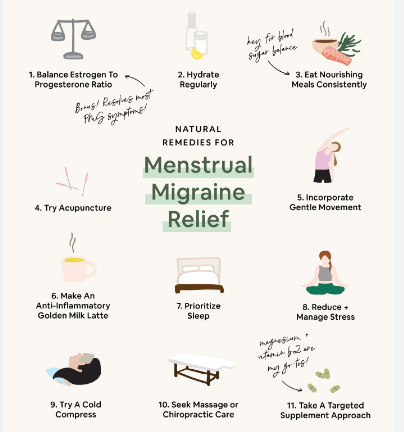
Several strategies can help manage menstrual migraines. Here are some effective options:
- Medications: Over-the-counter pain relievers can provide relief. These include ibuprofen and aspirin.
- Prescription Drugs: Triptans can help stop migraines. Consult a healthcare provider for advice.
- Hormonal Therapy: Birth control pills can regulate hormones. This may reduce migraine frequency.
- Lifestyle Changes: Maintain a regular sleep schedule and stay hydrated. Avoid known triggers like caffeine and stress.
- Alternative Therapies: Acupuncture and biofeedback can also provide relief.
Implementing these strategies can help manage menstrual migraines effectively. Seek medical advice for personalized treatment.
sofreshnsogreen.com
Autoimmune Disorders In Women
Autoimmune disorders occur when the immune system attacks the body’s own tissues. These conditions are more common in women than men. Understanding these disorders and how to manage them is vital for women’s health.
Common Types
Several autoimmune disorders affect women. Here are some of the most common:
- Lupus: A chronic disease causing inflammation and damage to various body parts.
- Rheumatoid Arthritis: Causes pain, swelling, and stiffness in the joints.
- Multiple Sclerosis: Affects the brain and spinal cord, leading to physical and cognitive issues.
- Hashimoto’s Thyroiditis: Leads to an underactive thyroid, causing fatigue and weight gain.
Tailored Care Approaches
Effective care strategies are essential for managing autoimmune disorders. Here are some tailored approaches:
| Condition | Care Strategy |
|---|---|
| Lupus | Anti-inflammatory drugs and lifestyle changes. |
| Rheumatoid Arthritis | Physical therapy and medications. |
| Multiple Sclerosis | Medications and supportive therapies. |
| Hashimoto’s Thyroiditis | Thyroid hormone replacement therapy. |
Additionally, lifestyle changes play a crucial role:
- Diet: A balanced diet reduces inflammation.
- Exercise: Regular activity improves overall health.
- Stress Management: Techniques like yoga and meditation help.
- Regular Check-ups: Monitor symptoms and adjust treatments.
Understanding these conditions leads to better management and improved quality of life.
Mental Health Challenges
Many women face unique mental health challenges. Some conditions remain under-discussed. Understanding these challenges can lead to better care strategies.
Hormonal Influences
Hormones play a major role in women’s mental health. Changes during puberty, menstruation, pregnancy, and menopause can impact mood.
- Puberty: Mood swings and irritability often increase.
- Menstruation: PMS and PMDD can cause anxiety and depression.
- Pregnancy: Hormonal changes can lead to prenatal depression.
- Menopause: This stage can cause mood disorders and anxiety.
Tracking hormonal cycles helps in managing these conditions better.
Holistic Care Methods
Holistic care addresses the whole person. It’s not just the symptoms. It includes physical, emotional, and spiritual health.
- Mindfulness: Techniques like meditation can reduce stress.
- Diet: A balanced diet supports mental well-being.
- Exercise: Regular physical activity boosts mood.
- Sleep: Adequate rest is vital for mental health.
Combining these methods often yields the best results. Women benefit from a comprehensive approach.
| Condition | Hormonal Stage | Care Strategy |
|---|---|---|
| PMS | Menstruation | Diet, Exercise |
| Prenatal Depression | Pregnancy | Mindfulness, Sleep |
| Menopausal Anxiety | Menopause | Mindfulness, Diet |
Understanding and addressing these mental health challenges can improve women’s overall well-being. Awareness and proper care are key.
Nutritional Needs
Understanding the unique nutritional needs of women is essential. These needs change with different life stages. Proper nutrition helps in managing lesser-known health conditions. It also supports overall well-being. Below, we explore essential vitamins and minerals and key dietary recommendations.

Essential Vitamins And Minerals
Certain vitamins and minerals are crucial for women’s health. These include:
- Iron: Prevents anemia and boosts energy levels.
- Calcium: Supports bone health and prevents osteoporosis.
- Vitamin D: Aids calcium absorption and strengthens the immune system.
- Folate: Essential for pregnant women to prevent birth defects.
- Magnesium: Regulates muscle and nerve function.
Ensuring adequate intake of these nutrients is crucial. The table below lists daily recommended values:
| Nutrient | Recommended Daily Intake |
|---|---|
| Iron | 18 mg |
| Calcium | 1000 mg |
| Vitamin D | 600 IU |
| Folate | 400 mcg |
| Magnesium | 320 mg |
Dietary Recommendations
A balanced diet is key to meeting nutritional needs. Here are some dietary recommendations:
- Include a variety of fruits and vegetables daily.
- Opt for whole grains over refined grains.
- Choose lean protein sources like fish, poultry, and legumes.
- Incorporate healthy fats from nuts, seeds, and avocados.
- Limit sugary drinks and excessive salt intake.
Small, consistent changes can have a big impact. Prioritize nutrient-dense foods to support overall health.
Frequently Asked Questions
What Are Scientists Discovering About Women’s Bodies?
Scientists are discovering unique aspects of women’s health, hormonal influences, and genetic differences. They’re uncovering insights into reproductive health, disease risks, and personalized treatments.
Why Is There So Little Known About Women’s Health?
Historically, research focused more on men’s health. Gender bias in medical studies left women’s health underrepresented, leading to less knowledge.
What Are Scientists Learning From Studying Women’s Bodies?
Scientists are learning about women’s health, reproductive systems, disease patterns, and hormonal influences. They aim to improve medical treatments and understand gender-specific health issues.
What Are Two Critical Challenges In Improving Women’s Health In Low And Middle Income Countries?
Two critical challenges in improving women’s health in low and middle income countries are limited access to healthcare and inadequate education. These barriers prevent women from receiving necessary medical treatments and understanding essential health practices, leading to higher morbidity and mortality rates.
Conclusion
Understanding lesser-known women’s health conditions is vital. Effective care strategies can significantly improve quality of life. Awareness and education empower women to seek proper care. Prioritize regular check-ups and consult healthcare professionals. Let’s work together to ensure every woman receives the attention and treatment she deserves.