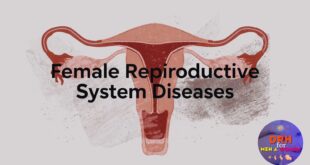
Reproductive Health Sexual and Reproductive Health

 Unmasking the Silent Struggle: A Guide to Common Reproductive Conditions
For many women, reproductive health is a topic often shrouded in silence or dismissed as “just part of being a woman.” Painful periods, irregular cycles, and unexplained fatigue are frequently normalized, leaving countless individuals to navigate complex symptoms without answers. However, understanding the intricate workings of the female reproductive system is not just about biology; it is a crucial step toward autonomy and well-being.
Reproductive illnesses are incredibly common, yet they remain underdiagnosed. Conditions like Polycystic Ovary Syndrome (PCOS), endometriosis, and fibroids affect millions worldwide, impacting everything from fertility to mental health and daily quality of life. The journey to a diagnosis can be long and frustrating, but knowledge is the most powerful tool you have.
This guide aims to demystify three of the most prevalent reproductive conditions. By understanding the symptoms, treatment options, and support systems available, you can better advocate for your body and take proactive steps toward a healthier future.
Polycystic Ovary Syndrome (PCOS): More Than Just Cysts
PCOS is one of the most common hormonal disorders affecting women of reproductive age. Despite its name, you do not actually need to have cysts on your ovaries to be diagnosed with PCOS. It is primarily a metabolic and reproductive condition caused by an imbalance of reproductive hormones.
Recognizing the Symptoms
The signs of PCOS can vary drastically from person to person, which often complicates diagnosis. Common symptoms include:
- Irregular Periods: This is the most common sign. Menstrual cycles may be infrequent, prolonged, or unpredictable.
- Excess Androgen: Elevated levels of “male” hormones can result in physical signs such as excess facial and body hair (hirsutism), severe acne, and male-pattern baldness.
- Polycystic Ovaries: Your ovaries might be enlarged and contain follicles that surround the eggs, causing the ovaries to fail to function regularly.
Diagnosis and Treatment
Doctors typically diagnose PCOS by ruling out other conditions and looking for at least two of the three main symptoms listed above. They will often use blood tests to measure hormone levels and an ultrasound to examine the ovaries.
While there is no cure for PCOS, the symptoms can be managed effectively. Lifestyle changes are often the first line of defense; a balanced diet and regular exercise can help regulate blood sugar levels and lower insulin resistance, which is closely linked to the condition. Medical treatments may include birth control pills to regulate the menstrual cycle and medication like Metformin to improve insulin resistance.
Endometriosis: The Invisible Pain
Endometriosis is a chronic condition where tissue similar to the lining of the uterus (the endometrium) grows outside the uterus. This tissue acts just like the uterine lining would—it thickens, breaks down, and bleeds with each menstrual cycle. But because this tissue has no way to exit the body, it becomes trapped, leading to inflammation, scarring, and severe pain.
Understanding the Impact
The defining characteristic of endometriosis is pelvic pain, often associated with menstruation. This pain can be debilitating and is frequently far worse than standard menstrual cramping. Other symptoms include:
- Pain during or after intercourse.
- Pain with bowel movements or urination.
- Excessive bleeding or bleeding between periods.
- Digestive issues like bloating or nausea, especially during menstrual periods.
- Infertility or difficulty getting pregnant.
Management Options
Endometriosis is notoriously difficult to diagnose, often taking years from the onset of symptoms to confirmation via laparoscopy (a minor surgical procedure). Once diagnosed, management focuses on pain relief and fertility goals.
Treatment plans might include anti-inflammatory medication for pain, hormone therapy to slow the growth of endometrial tissue, or surgery to remove the tissue patches. For women trying to conceive, specific fertility treatments may be recommended by a specialist.
Uterine Fibroids: Common and Often Misunderstood
Fibroids are non-cancerous growths of the uterus that often appear during childbearing years. They aren’t associated with an increased risk of uterine cancer and almost never develop into cancer. They range in size from seedlings, undetectable by the human eye, to bulky masses that can distort and enlarge the uterus.
Types and Symptoms
Fibroids are categorized by where they grow:
- Intramural: Grow within the muscular uterine wall.
- Submucosal: Bulge into the uterine cavity.
- Subserosal: Project to the outside of the uterus.
Many women have uterine fibroids sometime during their lives but don’t know it because they often cause no symptoms. When symptoms do occur, they can include:
- Heavy menstrual bleeding.
- Menstrual periods lasting more than a week.
- Pelvic pressure or pain.
- Frequent urination and difficulty emptying the bladder.
Treatment Approaches
If fibroids aren’t causing symptoms, “watchful waiting” is often the best approach. However, if they interfere with daily life, several treatments exist. Medications can target hormones that regulate your menstrual cycle to shrink fibroids. Minimally invasive procedures, such as uterine artery embolization, cut off blood flow to fibroids, causing them to shrink. In severe cases, surgical options like myomectomy (removing the fibroids) or hysterectomy (removing the uterus) may be discussed.
Prevention and Early Detection Strategies
While you cannot always prevent conditions like PCOS, endometriosis, or fibroids—genetics often play a significant role—lifestyle choices can influence their severity and your overall reproductive health.
Maintaining a healthy weight, eating a diet rich in fruits, vegetables, and whole grains, and managing stress are foundational steps. Avoiding smoking and limiting alcohol consumption also positively impact hormonal balance.
The most critical strategy, however, is early detection. Tracking your menstrual cycle is incredibly valuable. Apps and journals can help you log symptoms, cycle length, and flow intensity. This data provides concrete evidence to discuss with your doctor, helping them identify patterns that might indicate an underlying issue.
Prioritizing Check-ups and Self-Care
Regular visits to a gynecologist are essential, even if you feel healthy. These appointments are about more than just Pap smears; they are an opportunity to discuss reproductive plans, sexual health, and any subtle changes you’ve noticed in your body.
Self-care in this context means listening to your body. If you are in pain that prevents you from going to work or school, that is not “normal.” If your bleeding is so heavy you are changing protection every hour, that requires medical attention. Trust your instincts. You know your body better than anyone else.
Finding Your Village: Resources and Support
Receiving a diagnosis for a chronic reproductive illness can feel isolating, but you are not alone. The physical symptoms are often accompanied by emotional strain, including anxiety and depression.
Seek out support groups, both online and in-person. Organizations like the PCOS Awareness Association, the Endometriosis Foundation of America, and various women’s health advocacy groups offer forums, educational resources, and community events. Connecting with others who share your experience can provide validation and practical tips for daily management.
Additionally, don’t hesitate to seek a second opinion. If you feel your pain is being dismissed or your treatment plan isn’t working, look for a specialist who focuses specifically on your condition.
Taking Charge of Your Reproductive Future
Navigating female reproductive illnesses requires patience, resilience, and a willingness to advocate for yourself. Conditions like PCOS, endometriosis, and fibroids are complex, but they are manageable with the right support team and treatment plan.
Remember that your pain is real, your symptoms are valid, and you deserve answers. By staying informed and proactive, you shift the narrative from suffering in silence to actively managing your health. Prioritize your well-being, ask the hard questions, and empower yourself to live a healthy, full life.