Reproductive Health Sexual and Reproductive Health

Women’s hormonal disorders affect the endocrine system, leading to various health issues. These disorders often include conditions like PCOS, thyroid imbalances, and menopause-related symptoms.
Hormonal disorders in women can disrupt daily life and overall well-being. Polycystic Ovary Syndrome (PCOS) is one of the most common hormonal disorders, affecting ovulation and menstrual cycles. Thyroid imbalances, such as hypothyroidism and hyperthyroidism, can cause weight fluctuations, fatigue, and mood changes.
Menopause brings its own set of challenges, including hot flashes, sleep disturbances, and hormonal shifts. Early diagnosis and treatment are crucial for managing symptoms effectively. Lifestyle changes, medications, and sometimes surgery can help restore hormonal balance. Understanding these conditions empowers women to seek appropriate care and improve their quality of life.
Common Hormonal Disorders
Women often face various hormonal disorders. These disorders can affect overall health and well-being. Understanding these conditions is crucial for timely treatment.
Polycystic Ovary Syndrome (PCOS)
Polycystic Ovary Syndrome (PCOS) is a common hormonal disorder among women of reproductive age. Women with PCOS may have infrequent or prolonged menstrual periods. They may also have excess male hormone (androgen) levels.
The ovaries may develop numerous small collections of fluid (follicles) and fail to regularly release eggs. Symptoms include:
- Irregular periods
- Excessive hair growth
- Acne
- Obesity
PCOS can lead to complications such as infertility and type 2 diabetes. Treatments for PCOS focus on managing individual symptoms. Lifestyle changes, such as weight loss and exercise, can help. Medications may also be prescribed to regulate menstrual cycles and reduce symptoms.
Thyroid Disorders
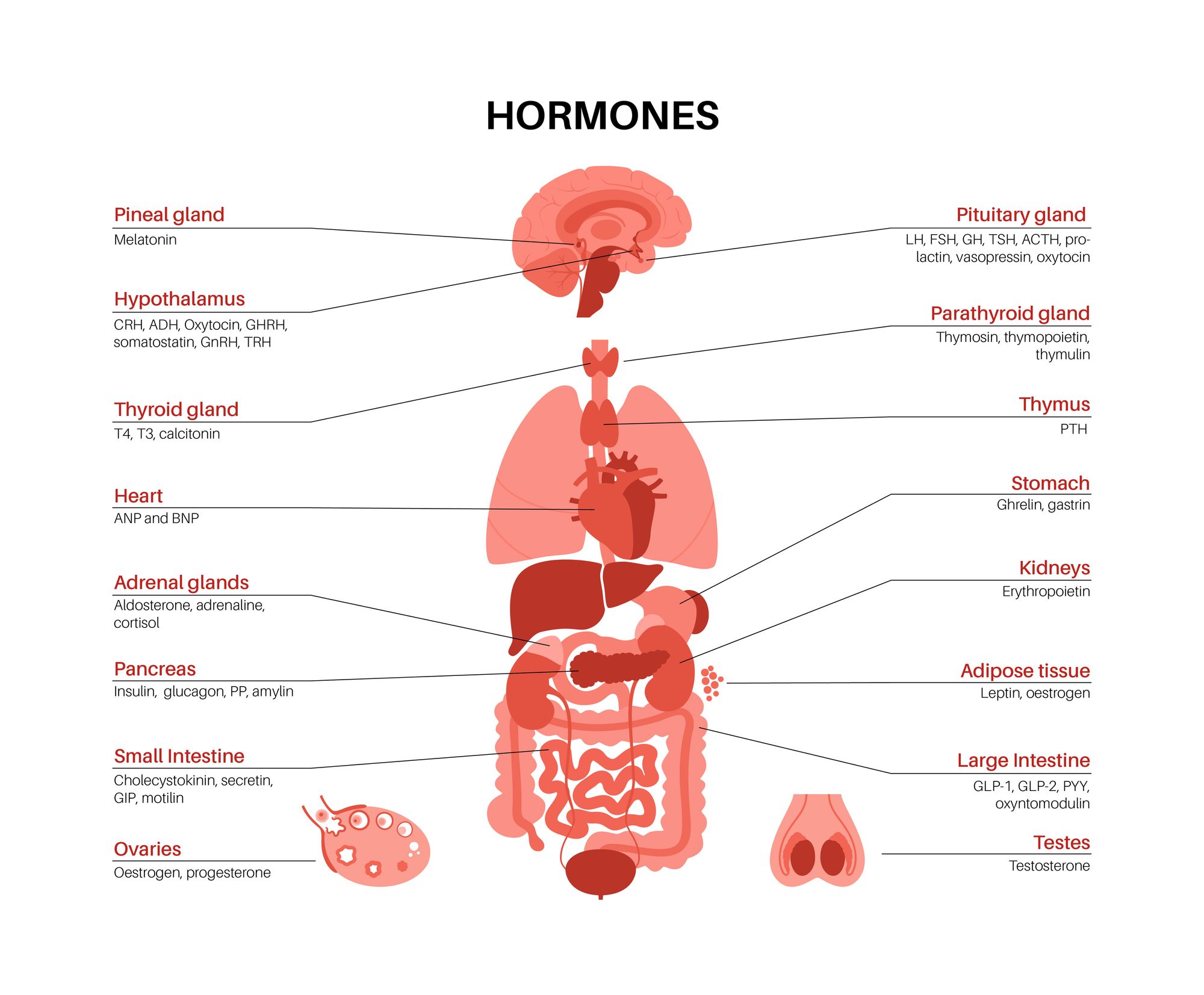
The thyroid gland produces hormones that regulate metabolism. Thyroid disorders can significantly impact a woman’s health. Two common thyroid disorders are Hypothyroidism and Hyperthyroidism.
| Disorder | Symptoms | Treatment |
|---|---|---|
| Hypothyroidism |
|
Thyroid hormone replacement therapy |
| Hyperthyroidism |
|
Medications, radioactive iodine, or surgery |
Regular check-ups can help manage thyroid disorders effectively. Early diagnosis and treatment are essential for maintaining good health.
Credit: hormonehealth.co.uk
Symptoms To Watch For
Understanding hormonal disorders is crucial for women’s health. These disorders can affect daily life. Early detection is key. Here are the symptoms to watch for.
Irregular Periods
Irregular periods are a common symptom. A regular cycle ranges from 21 to 35 days. If your cycle falls outside this range, it may indicate a problem.
- Periods that are too frequent or infrequent
- Heavy or light bleeding
- Missed periods
These irregularities can signal conditions like Polycystic Ovary Syndrome (PCOS) or thyroid problems. A healthcare provider can diagnose the exact cause.
Unexplained Weight Gain
Weight gain without a clear reason can be a red flag. Hormonal imbalances often affect metabolism and appetite. This leads to weight changes.
| Possible Causes | Symptoms |
|---|---|
| Hypothyroidism | Fatigue, dry skin, and constipation |
| PCOS | Acne, hair growth, and irregular periods |
If you notice unexplained weight gain, consult a doctor. They can run tests to identify the hormonal imbalance.
Diagnosis Methods
Understanding and diagnosing women’s hormonal disorders is crucial. It helps in providing effective treatment. Below are some common methods used by doctors.
Blood Tests
Blood tests are vital in diagnosing hormonal disorders. They measure hormone levels in the blood. Commonly tested hormones include:
- Estrogen
- Progesterone
- Testosterone
- Thyroid hormones
Doctors may also test for other markers. These markers can help identify underlying issues.
Blood tests are usually quick and simple. They involve drawing a small amount of blood. The results help doctors make accurate diagnoses.
Imaging Studies
Imaging studies provide visual insights into the body. They help in identifying structural issues. Common imaging studies include:
- Ultrasound
- MRI (Magnetic Resonance Imaging)
- CT (Computed Tomography) scans
Ultrasound is often used to examine reproductive organs. It helps in identifying cysts, fibroids, and other abnormalities.
MRI provides detailed images of soft tissues. It is useful for examining the brain and pituitary gland.
CT scans offer cross-sectional images of the body. They help in identifying tumors and other structural issues.
Imaging studies complement blood tests. Together, they provide a comprehensive diagnosis.
Treatment Options
Women experience various hormonal disorders. Effective treatment can improve their quality of life. Treatment options can include medications and lifestyle changes. These methods can help manage symptoms and balance hormones.

www.shecares.com
Medications
Medications can play a crucial role in treating hormonal disorders. Below are some common types:
- Birth Control Pills: Regulate menstrual cycles and reduce symptoms.
- Hormone Replacement Therapy (HRT): Balances hormone levels in menopause.
- Insulin-Sensitizing Agents: Used for Polycystic Ovary Syndrome (PCOS).
- Thyroid Medications: Treat hypo- and hyperthyroidism.
- Anti-Androgens: Reduce male hormone levels in women.
Lifestyle Changes
Lifestyle changes can significantly impact hormonal health. Here are some effective strategies:
- Healthy Diet: Eat balanced meals with fruits, vegetables, and whole grains.
- Regular Exercise: Engage in physical activities like walking or yoga.
- Stress Management: Practice relaxation techniques like meditation.
- Sleep Hygiene: Aim for 7-8 hours of quality sleep each night.
- Avoid Toxins: Limit exposure to chemicals in cosmetics and plastics.
| Treatment Option | Benefits |
|---|---|
| Medications | Quick symptom relief, hormone balance |
| Lifestyle Changes | Long-term health improvement, natural balance |
Both medications and lifestyle changes can effectively manage hormonal disorders. Choosing the right treatment depends on individual needs and symptoms.
Diet And Nutrition
Women’s hormonal disorders can be challenging to manage. Diet and nutrition play a crucial role in balancing hormones. Eating the right foods can improve symptoms and overall health.
Balanced Diet Tips
A balanced diet is essential for hormonal health. Here are some tips:
- Include whole grains like oats, quinoa, and brown rice.
- Eat plenty of fruits and vegetables for vitamins and minerals.
- Opt for lean proteins such as chicken, fish, and tofu.
- Consume healthy fats from avocados, nuts, and olive oil.
- Stay hydrated by drinking at least 8 glasses of water daily.
Foods To Avoid
Certain foods can worsen hormonal disorders. It’s best to avoid them:
| Food Type | Reason |
|---|---|
| Processed Foods | High in unhealthy fats and sugars |
| Sugary Beverages | Can cause insulin spikes |
| Caffeine | May disrupt sleep and hormone balance |
| Alcohol | Affects liver function and hormone metabolism |
| Refined Carbs | Lead to blood sugar imbalances |
Following these dietary guidelines can help manage hormonal disorders. Eating well supports overall health and well-being.
Exercise And Physical Activity
Regular exercise is crucial for managing women’s hormonal disorders. Physical activity helps balance hormones and improves overall health. It can reduce symptoms and enhance the quality of life.

Benefits Of Regular Exercise
Engaging in regular exercise offers numerous benefits, especially for women with hormonal disorders. Here are some key advantages:
- Regulates Menstrual Cycle: Exercise helps maintain a regular menstrual cycle.
- Reduces Stress: Physical activity lowers stress hormones like cortisol.
- Improves Mood: Exercise releases endorphins, which enhance mood.
- Boosts Energy Levels: Regular activity increases overall energy levels.
- Supports Weight Management: Exercise helps maintain a healthy weight, crucial for hormonal balance.
Recommended Activities
Not all exercises are equal. Some activities are particularly beneficial for managing hormonal disorders. Here are some recommended exercises:
- Yoga: Yoga helps reduce stress and balance hormones.
- Walking: Walking is a gentle yet effective way to stay active.
- Strength Training: Lifting weights helps maintain muscle mass and supports metabolism.
- Swimming: Swimming is a low-impact activity that improves cardiovascular health.
- Running: Running boosts endorphin levels and helps regulate weight.
Incorporating these exercises into your routine can make a significant difference. Remember to consult with a healthcare provider before starting any new exercise program.
Mental Health Impact
Women’s hormonal disorders can significantly affect their mental health. Hormonal imbalances can lead to mood swings, depression, and anxiety. These mental health issues can disrupt daily life and relationships. Understanding the mental health impact is vital for proper management.
Managing Stress
Stress management is crucial for women with hormonal disorders. High stress levels can worsen hormonal imbalances. Here are some effective stress management techniques:
- Exercise: Regular physical activity can reduce stress and improve mood.
- Meditation: Practicing mindfulness can help calm the mind and reduce anxiety.
- Healthy Diet: Eating a balanced diet can support hormonal health and reduce stress.
- Sleep: Ensure adequate sleep to support mental health and hormonal balance.
Therapeutic Approaches
Various therapeutic approaches can help manage mental health issues caused by hormonal disorders. These therapies can provide relief and improve quality of life.
| Therapy | Description | Benefits |
|---|---|---|
| Cognitive Behavioral Therapy (CBT) | Focuses on changing negative thought patterns. | Reduces anxiety and depression. |
| Hormone Replacement Therapy (HRT) | Balances hormone levels in the body. | Improves mood and reduces symptoms. |
| Support Groups | Provides a safe space to share experiences. | Offers emotional support and understanding. |
Combining these therapies with stress management can improve mental health. Seeking professional help is crucial for effective treatment.
Alternative Therapies
Women’s hormonal disorders can significantly impact daily life. Many seek alternative therapies for relief. These therapies can provide natural and holistic solutions. Let’s explore some effective options.
Herbal Remedies
Herbal remedies are a popular choice for managing hormonal imbalances. Some herbs can help regulate hormone levels:
- Vitex (Chaste Tree Berry): Supports progesterone production and reduces PMS symptoms.
- Black Cohosh: Eases menopause symptoms like hot flashes and mood swings.
- Maca Root: Balances estrogen and boosts energy levels.
- Evening Primrose Oil: Alleviates menstrual cramps and breast tenderness.
These herbs can be taken in various forms:
| Form | Description |
|---|---|
| Capsules | Convenient and easy to dose. |
| Teas | Soothing and hydrating. |
| Tinctures | Concentrated and fast-acting. |
Acupuncture
Acupuncture is an ancient Chinese therapy. It involves inserting thin needles into specific points on the body. This practice can help balance hormones and improve overall health.
Benefits of acupuncture for hormonal disorders include:
- Stress Reduction: Reduces cortisol levels and promotes relaxation.
- Improved Blood Flow: Enhances circulation to reproductive organs.
- Hormone Regulation: Stimulates the endocrine system.
Many women find acupuncture sessions calming. It can also be combined with other treatments for better results.
Hormonal Imbalance In Teens
Teens often face hormonal changes that can cause various health issues. Understanding these changes helps in managing the symptoms better. Hormonal imbalance in teens is common and can affect their physical and mental well-being.

www.rupahealth.com
Common Issues
Teens may experience several issues due to hormonal imbalance. These issues can range from mild to severe. Below are some of the common problems:
- Acne: Hormonal changes can cause skin breakouts.
- Irregular Periods: Menstrual cycles can become unpredictable.
- Mood Swings: Teens may feel sudden changes in their mood.
- Weight Fluctuations: Hormonal imbalance can lead to weight gain or loss.
- Fatigue: Teens may feel tired all the time.
Support Strategies
Providing support to teens with hormonal imbalance is crucial. Here are some strategies to help manage symptoms:
- Healthy Diet: Encourage a balanced diet rich in fruits and vegetables.
- Regular Exercise: Physical activity helps regulate hormones.
- Stress Management: Teach relaxation techniques like meditation.
- Sleep Hygiene: Ensure teens get enough sleep every night.
- Medical Consultation: Visit a doctor for professional advice.
Below is a table summarizing the common issues and support strategies:
| Common Issues | Support Strategies |
|---|---|
| Acne | Healthy Diet, Regular Exercise |
| Irregular Periods | Medical Consultation, Balanced Diet |
| Mood Swings | Stress Management, Sleep Hygiene |
| Weight Fluctuations | Healthy Diet, Regular Exercise |
| Fatigue | Sleep Hygiene, Medical Consultation |
Credit: www.frontiersin.org
Menopause And Hormones
Menopause marks the end of a woman’s menstrual cycles. It is a natural biological process. During menopause, a woman’s body undergoes significant hormonal changes. These changes can lead to various symptoms and challenges.
Symptoms
Menopausal symptoms can vary. Here are some common symptoms:
- Hot flashes: Sudden feelings of heat, mainly in the upper body.
- Night sweats: Excessive sweating during sleep.
- Vaginal dryness: Reduced moisture in the vaginal area.
- Mood swings: Sudden changes in emotional state.
- Sleep problems: Difficulty falling or staying asleep.
Management Techniques
Managing menopause symptoms can improve quality of life. Here are some techniques:
- Hormone Replacement Therapy (HRT): Replaces hormones that the body no longer makes.
- Healthy Diet: Eating balanced meals rich in vitamins and minerals.
- Regular Exercise: Engaging in physical activities like walking or yoga.
- Stress Management: Practicing relaxation techniques like meditation.
- Supplements: Using vitamins and minerals like calcium and vitamin D.
| Symptom | Management Technique |
|---|---|
| Hot flashes | HRT, cool environment |
| Night sweats | Light clothing, fans |
| Vaginal dryness | Moisturizers, lubricants |
| Mood swings | Therapy, relaxation |
| Sleep problems | Sleep hygiene, relaxation |
Fertility Concerns
Women with hormonal disorders often face fertility concerns. These disorders can affect reproductive health, making it difficult to conceive. Understanding these impacts and exploring treatment options can help manage these concerns.
Impact On Reproductive Health
Hormonal disorders can disrupt the menstrual cycle. This disruption can lead to irregular periods or anovulation.
Common conditions include Polycystic Ovary Syndrome (PCOS) and Thyroid Disorders. PCOS can cause cysts on the ovaries. Thyroid disorders can affect hormone levels.
Both conditions can impact fertility. Women may experience difficulty in ovulating. This can reduce the chances of pregnancy.
There are various treatment options available to manage fertility issues. These options can help improve reproductive health.
| Treatment | Description |
|---|---|
| Medication | Medications like Clomiphene can stimulate ovulation. |
| Hormone Therapy | Hormone therapy can balance hormone levels. |
| Lifestyle Changes | Diet and exercise can improve reproductive health. |
| Assisted Reproductive Technology (ART) | In vitro fertilization (IVF) can assist in conception. |
Consulting a healthcare provider is crucial. They can recommend the best treatment based on individual needs.
Hormonal Impact On Skin
Hormonal changes greatly affect the skin. Women often experience various skin issues due to hormonal fluctuations. Understanding these changes can help manage skin health effectively.
Acne And Breakouts
Hormonal imbalances can lead to acne and breakouts. High levels of androgens increase oil production in the skin. This excess oil clogs pores and leads to pimples and cysts. Many women notice these breakouts during menstruation, pregnancy, or menopause.
Skincare Tips
Effective skincare can mitigate the effects of hormonal changes. Here are some tips:
- Use gentle cleansers to avoid irritating the skin.
- Incorporate salicylic acid to help unclog pores.
- Apply retinoids to reduce acne and improve skin texture.
- Moisturize regularly to maintain skin hydration.
- Consider using products with niacinamide to reduce inflammation.
| Skincare Product | Benefit |
|---|---|
| Salicylic Acid Cleanser | Unclogs pores |
| Retinoid Cream | Reduces acne |
| Niacinamide Serum | Reduces inflammation |
| Hydrating Moisturizer | Keeps skin hydrated |
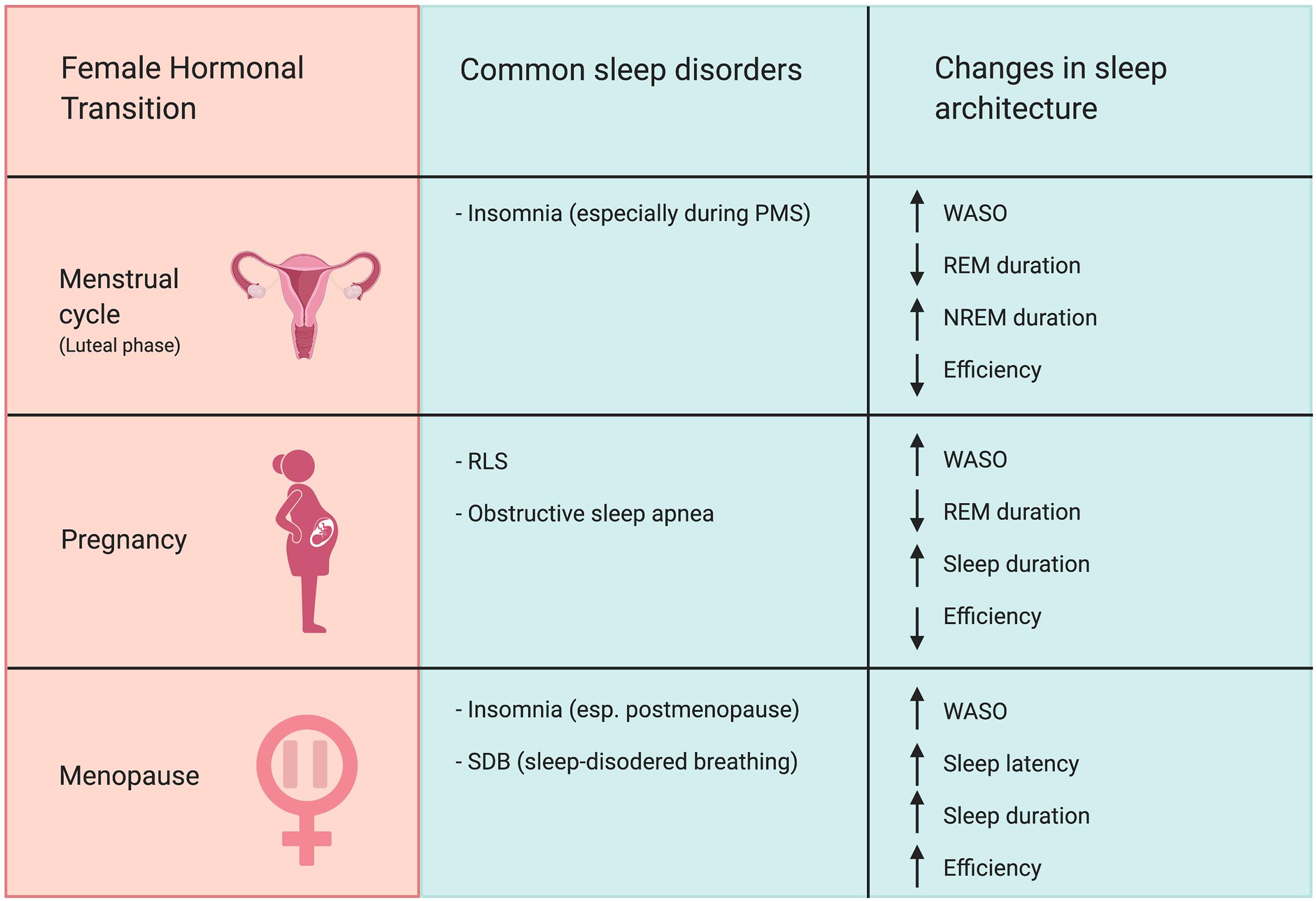
Sleep Disturbances
Women with hormonal disorders often face sleep disturbances. These disturbances can greatly impact daily life. Understanding the types and causes can help manage them better.
Insomnia
Insomnia is a common problem for many women. It involves difficulty falling or staying asleep. Hormonal changes, like those during menopause, can trigger insomnia. Stress and anxiety often make it worse.
Insomnia can lead to daytime fatigue. This fatigue affects mood and performance at work or home. Chronic insomnia may also increase the risk of other health issues. These include heart disease and diabetes.
Improving Sleep Quality
Improving sleep quality is essential for women with hormonal disorders. Here are some tips to help:
- Maintain a regular sleep schedule.
- Create a relaxing bedtime routine.
- Avoid caffeine and heavy meals before bedtime.
- Keep the bedroom cool and dark.
- Limit screen time before bed.
Some women find relief using natural remedies. These include herbal teas like chamomile or valerian root. Always consult a doctor before trying new treatments.
Tracking sleep patterns can also be useful. Use a journal or a sleep app. This helps identify factors affecting sleep. Discuss these findings with a healthcare provider.
Preventive Measures
Preventive measures play a crucial role in managing women’s hormonal disorders. By adopting specific habits and routines, women can significantly reduce their risks. This section will delve into key preventive measures to consider.
Routine Screenings
Regular health check-ups are essential. These screenings can detect hormonal imbalances early.
- Annual Physical Exams: A yearly check-up helps monitor overall health.
- Blood Tests: These tests measure hormone levels.
- Thyroid Function Tests: This detects thyroid-related issues.
- Bone Density Tests: Important for women at risk of osteoporosis.
Early detection through screenings can prevent complications. Always consult your doctor for personalized advice.
Healthy Lifestyle Choices
Adopting healthy habits can positively impact hormonal balance.
| Healthy Habit | Benefits |
|---|---|
| Balanced Diet | Improves overall health and stabilizes hormones. |
| Regular Exercise | Enhances mood and regulates hormones. |
| Adequate Sleep | Restores energy and balances hormones. |
| Stress Management | Reduces cortisol levels and maintains hormonal balance. |
Choose whole foods rich in vitamins and minerals. Avoid processed foods high in sugar and fats. Regular physical activity, such as walking or yoga, can make a difference. Prioritizing sleep and practicing mindfulness can also help manage stress levels.
Incorporating these preventive measures can lead to better health outcomes. Stay proactive and consult healthcare providers regularly.
Support Systems
Navigating women’s hormonal disorders can be challenging. Support systems are crucial for coping. Effective support can make a significant difference. This section highlights key support systems.
Finding A Specialist
It is essential to find the right specialist. A specialist can provide accurate diagnosis and treatment. They have the expertise to handle hormonal disorders. Look for an endocrinologist or gynecologist. Ask for recommendations from friends or family.
- Check credentials and experience.
- Read reviews and testimonials.
- Consider proximity and availability.
A good specialist listens and understands your concerns. They should explain treatment options clearly. Regular follow-ups are important for monitoring progress.
Support Groups
Joining a support group can be beneficial. Support groups offer a sense of community. You can share experiences and learn from others. It helps to know you are not alone.
- Find local support groups.
- Look for online communities.
- Attend meetings regularly.
Support groups provide emotional and practical advice. They can connect you with resources. Engaging with a support group can reduce stress and anxiety. It fosters a positive outlook.
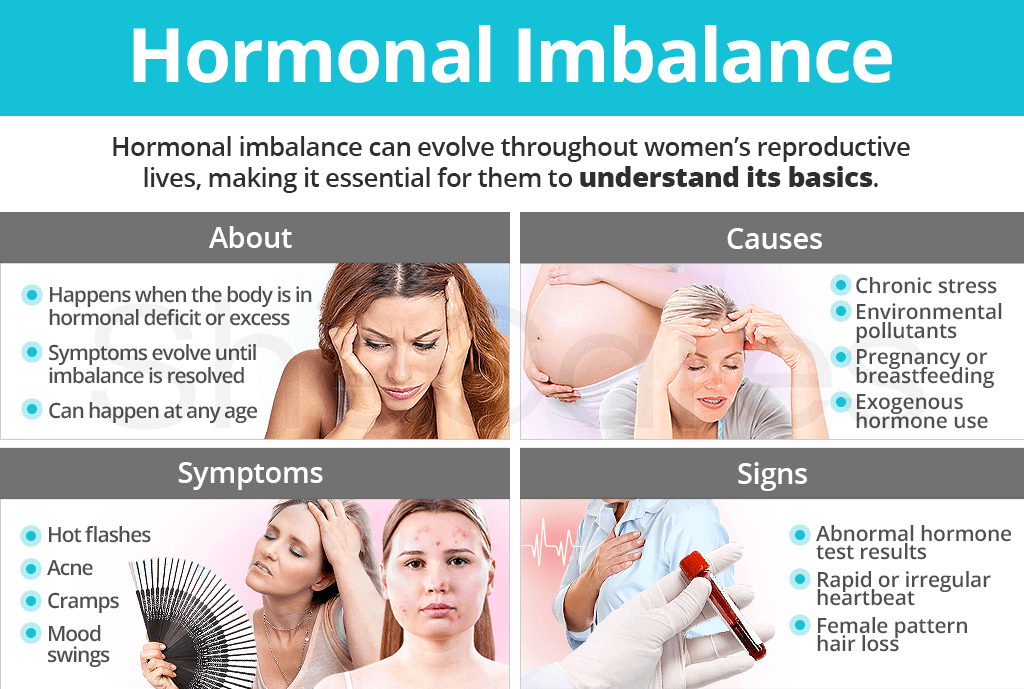
Credit: www.shecares.com
Frequently Asked Questions
What Are The Disorders Of The Female Hormones?
Female hormone disorders include PCOS, endometriosis, menopause, thyroid issues, and adrenal gland disorders. Symptoms vary widely. Seek medical advice.
How Do I Tell If I Have A Hormone Imbalance?
Watch for symptoms like fatigue, weight changes, mood swings, or irregular periods. Consult a doctor for tests.
What Happens When Your Hormones Are Out Of Whack?
Hormonal imbalances can cause weight gain, fatigue, mood swings, and sleep disturbances. Seek medical advice for proper diagnosis and treatment.
How Do You Test For Hormonal Imbalance?
Doctors test for hormonal imbalance using blood, saliva, or urine tests. These measure hormone levels like estrogen, testosterone, and cortisol.
What Are Common Hormonal Disorders In Women?
Common hormonal disorders in women include PCOS, thyroid issues, endometriosis, and menopause-related changes.
Conclusion
Understanding women’s hormonal disorders is crucial for better health and well-being. Early detection and treatment are vital. Consult healthcare providers for personalized advice. Stay informed and proactive about your health. Share this knowledge to support others facing similar challenges. Together, we can promote awareness and improve lives.