Reproductive Health Sexual and Reproductive Health
 Sorting the Sick: A Guide to Classifying Infectious Diseases
Infectious diseases have shaped human history, from the Black Death of the Middle Ages to the global COVID-19 pandemic. These illnesses, caused by pathogenic microorganisms, remain a significant challenge to public health systems worldwide. But how do scientists and doctors keep track of so many different illnesses?
The answer lies in classification. By categorizing infectious diseases based on their cause, how they spread, or which part of the body they affect, medical professionals can better diagnose, treat, and prevent them. Understanding these categories isn’t just for epidemiologists; it helps us all understand the risks we face and the measures needed to stay healthy. This guide explores the primary ways we group these diseases to make sense of the microscopic threats around us.
Types of Infectious Agents
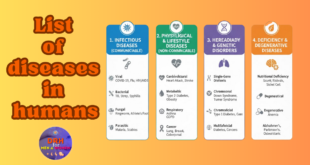
The most fundamental way to classify an infectious disease is by identifying the culprit: the pathogen responsible for the illness. These microscopic invaders come in four main varieties, each requiring different treatments.
Bacteria
Bacteria are single-celled organisms that exist almost everywhere on Earth. While many are harmless or even beneficial (like those in your gut), some cause disease. Bacterial infections are typically treated with antibiotics, though antibiotic resistance is a growing concern.
Common examples include:
- Pneumonia: An infection that inflames the air sacs in one or both lungs.
- E. coli: Often associated with food poisoning, though some strains live harmlessly in the intestines.
- Strep Throat: A bacterial infection that causes inflammation and pain in the throat.
Viruses
Viruses are much smaller than bacteria and require a living host—like a human, animal, or plant—to multiply. They invade healthy cells and use those cells to reproduce. Antibiotics do not kill viruses; instead, vaccines prevent infections, and antivirals treat them.
Common viral infections include:
- Influenza (The Flu): A respiratory illness that infects the nose, throat, and sometimes the lungs.
- HIV (Human Immunodeficiency Virus): A virus that attacks the body’s immune system.
- Common Cold: A viral infection of your nose and throat (upper respiratory tract).
Fungi
Fungi include yeasts, molds, and mushrooms. Millions of fungal species exist, but only a few hundred cause illness in people. Fungal infections can occur on the skin surface or become invasive, affecting internal organs.
Examples include:
- Athlete’s Foot: A fungal skin infection that usually begins between the toes.
- Yeast Infections: Caused by an overgrowth of the fungus Candida.
- Ringworm: Despite the name, this is a skin infection caused by a fungus, not a worm.
Parasites
Parasites are organisms that live on or in a host organism and get their food from or at the expense of their host. They can range from microscopic protozoa to large worms.
Examples include:
- Malaria: A life-threatening disease caused by parasites transmitted through the bites of infected mosquitoes.
- Giardiasis: An intestinal infection caused by a microscopic parasite found in contaminated water.
Classification by Transmission Method
Knowing what caused the disease is step one. Knowing how it travels is step two. Classifying diseases by transmission is crucial for public health officials trying to stop an outbreak.
Airborne Transmission
These are the diseases that keep public health officials awake at night. Airborne diseases spread when people with certain infections cough, sneeze, or talk, spewing nasal and throat secretions into the air. Some viruses or bacteria can hang in the air or land on other people or surfaces.
- Tuberculosis (TB): A potentially serious infectious bacterial disease that mainly affects the lungs.
- Measles: A highly contagious viral disease that lives in the nose and throat mucus of an infected person.
Contact Transmission
This category covers diseases spread through direct physical contact with an infected person or indirect contact with contaminated surfaces (fomites).
- MRSA: A cause of staph infection that is difficult to treat because of resistance to some antibiotics.
- Chickenpox: A highly contagious viral infection causing an itchy, blister-like rash.
Vector-borne Transmission
Vectors are living organisms that can transmit infectious pathogens between humans, or from animals to humans. Many of these vectors are bloodsucking insects.
- Lyme Disease: Transmitted to humans through the bite of infected black-legged ticks.
- Zika Virus: Primarily transmitted by the bite of an infected Aedes species mosquito.
Foodborne and Waterborne
These illnesses arise from consuming contaminated food or beverages. They often stem from improper food handling, lack of sanitation, or environmental contamination.
- Salmonellosis: Bacterial infection generally affecting the intestinal tract and occasionally the bloodstream.
- Cholera: An acute diarrheal illness caused by infection of the intestine with Vibrio cholerae bacteria.
Classification by Organ System Affected
Doctors often categorize diseases by the symptoms they present and the specific body systems they target. This clinical approach helps in immediate diagnosis and symptom management.
Respiratory Infections
These infections affect the passages involving the nose, throat, and lungs. They are among the most common reasons for doctor visits.
- Bronchitis: Inflammation of the lining of the bronchial tubes.
- Influenza: While viral, its primary impact is on the respiratory system.
Gastrointestinal Infections
These affect the digestive system, usually causing symptoms like diarrhea, vomiting, and abdominal pain.
- Hepatitis A: A highly contagious liver infection caused by the hepatitis A virus.
- Food Poisoning: Illness caused by bacteria or other toxins in food, resulting in violent vomiting and diarrhea.
Skin Infections
The skin is the body’s first line of defense, but it is also vulnerable to infection.
- Cellulitis: A common, potentially serious bacterial skin infection.
- Impetigo: A highly contagious skin infection that mainly affects infants and children.
Systemic Infections
These are infections that affect the entire body rather than a single organ or body part. They are often serious and require immediate medical attention.
- Sepsis: A life-threatening reaction to an infection where the body’s immune system damages its own tissues.
- HIV/AIDS: As the virus attacks the immune system, it leaves the entire body vulnerable to other infections.
Emerging and Re-emerging Infectious Diseases
The landscape of infectious disease is never static. Microorganisms evolve, and human behavior changes the environment, leading to new threats.
Emerging infectious diseases are those whose incidence in humans has increased in the past two decades or threatens to increase in the near future. Re-emerging diseases are known diseases that were previously under control but are surfacing again.
Several factors drive this volatility:
- Microbial adaptation: Bacteria and viruses mutate to survive, leading to drug resistance.
- Human demographics: Urbanization and global travel allow diseases to spread rapidly.
- Climate change: Warmer temperatures allow vectors like mosquitoes to expand their territories.
COVID-19 is the most prominent recent example of a novel emerging disease that caused a global pandemic. Conversely, measles has seen re-emergence in certain populations due to gaps in vaccination coverage. Ebola outbreaks continue to occur periodically in Africa, requiring rapid international response to contain.
The Future of Fighting Disease
Classification is more than just a labeling system; it is the framework upon which modern medicine is built. By understanding whether a disease is bacterial or viral, airborne or vector-borne, respiratory or systemic, we unlock the ability to treat the patient and protect the community.
As we face new challenges from emerging pathogens and antibiotic resistance, the role of public health measures, robust research, and accurate classification becomes even more critical. Our ability to categorize the enemy is the first step in defeating it.