Reproductive Health Sexual and Reproductive Health

Even though a lot of couples around the world deal with male infertility, the condition is still shrouded in stigma and misconceptions. Understanding the causes, diagnosis, and treatment options for male infertility is important for couples who are having trouble getting pregnant, as well as for doctors who are helping and supporting them. This article will go into detail about the different aspects of male infertility, showing how complicated it is and how to deal with it.
Introduction to Male Infertility
Male infertility means that a man has been sexually intimate with a fertile woman regularly and without protection for at least a year but still can’t get pregnant. About 40 to 50 percent of all cases of infertility are thought to be caused by male factors, either on their own or in combination with female factors.
Causes of Male Infertility
Hormonal imbalances can make it hard for men to get pregnant because changes in testosterone or other hormone levels can stop sperm from being made. Sperm can’t get to the egg if there are structural problems, like blockages in the reproductive tract. Some genetic conditions, like Klinefelter syndrome or chromosomal abnormalities, can make it hard to get pregnant. Infertility can also be caused by bad habits like smoking, drinking too much alcohol, using drugs, or being overweight. By understanding these different factors, healthcare professionals can identify the root causes of infertility in men and create individualized treatment plans to address specific issues. This increases the chances of successfully conceiving.
Understanding the Male Reproductive System
-
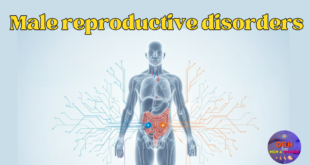
- Anatomy of the Male Reproductive Organs: Men’s reproductive organs are made up of the testes, the epididymis, the vas deferens, the prostate gland, and the seminal vesicles. Each one is very important for making, storing, and moving sperm.
-
- Hormonal Regulation: Controlling hormones in men, especially testosterone and follicle-stimulating hormone (FSH), is very important for the reproductive system to work properly. These hormones can affect sperm production and fertility if they are not balanced.
Common Causes of Male Infertility
Lifestyle Factors
Some lifestyle choices, like smoking, drinking too much alcohol, abusing drugs, being overweight, and being exposed to toxins in the environment, can hurt sperm quality and fertility.
Medical Conditions
Some health problems, like varicocele, infections, hormonal imbalances, erectile dysfunction, and ejaculatory disorders, can make it hard for sperm to form, mature, or move, which can make it impossible to get pregnant.
Genetic Factors
Some genetic problems, like chromosomal disorders (like Klinefelter syndrome) and gene mutations, can make it hard for sperm to form or work properly, which can lead to male infertility.
Diagnosis of Male Infertility
-
- Medical History and Physical Examination: To identify possible underlying causes or contributing factors, the first steps in evaluating male infertility are a full medical history and a physical exam.
-
- Semen Analysis: One of the most important tests for is sperm analysis, which looks at the number, concentration, movement, and shape of sperm.
-
- Hormonal Tests: Tests that measure hormone levels, such as testosterone, FSH, LH (luteinizing hormone), and prolactin, can help find hormonal imbalances that might affect fertility.
Treatment Options for Male Infertility
Medications
Some underlying causes of male infertility may be treat with medications, such as hormone therapies, antibiotics for infections, and antioxidants to improve the quality of sperm.
Surgery
If there are structural problems or blockages, surgery may be suggest. For example, a varicocelectomy can be use to fix varicoceles, and a vasectomy reversal can be use to get sperm flowing again.
Assisted Reproductive Techniques (ART)
ART procedures, such as intrauterine insemination (IUI), in vitro fertilization (IVF), and intracytoplasmic sperm injection (ICSI), can help couples who are having trouble getting pregnant with a man.
Lifestyle Changes to Improve Male Fertility
Diet and Nutrition
A well-balanced diet full of vitamins, minerals, and other important nutrients, along with drinking enough water, can help your body make more sperm and stay healthy overall.
Exercise and Physical Activity
Regular exercise and maintaining a healthy weight can help improve the quality of sperm and increase fertility. However, doing too much or too intense physical activity may have negative effects.
Stress Management
Mindfulness, relaxation exercises, and counseling are all ways to cope with stress, and they can help ease the effects of stress.
Coping with Male Infertility
Psychological Impact
Male infertility can have big effects on a person’s mental health, like stress, anxiety, depression, and guilt or feelings of not being good enough. To deal with these emotional problems, it’s important to get professional help and talk openly with partners.
Support Networks and Counseling
People and couples dealing with problems can get a lot of emotional support, advice, and ways to deal with it by joining support groups, going to counseling, or doing couples therapy.
Advances in Male Infertility Research
Emerging Treatments and Technologies
Researchers are still looking into new treatments and technologies .. This gives us hope that things will get better in the future.
Future Prospects
With advancements in genetics, reproductive medicine, and technologies that aid reproduction, the future of treating looks bright. The focus will be on personalize approaches that are tailor to each person’s needs and situation.
Conclusion
A complicate condition with many aspects that need a thorough approach to diagnosis and treatment. Couples who are having trouble getting pregnant can get through the problems.
FAQs
- Can male infertility be reverse?
-Yes, depending on the underlying cause, male infertility can often be successfully treat or managed through
- Are there any natural remedies for male infertility?
-While lifestyle changes such as maintaining a healthy diet, regular exercise, and stress management can support.
- Does age affect male fertility?
-Yes, advancing age can impact sperm quality and fertility, although to a lesser extent compared to females. However, age-related decline in fertility and sperm quality is a consideration for couples planning to conceive.
- Can male infertility affect a couple’s relationship?
-The emotional stress and challenges associated with can strain a couple’s relationship, but open communication.
- Is male infertility a common problem?
-Yes, is a prevalent issue, affecting a significant proportion of couples worldwide. However, with advancements in medical science and assisted reproductive technologies.