Reproductive Health Sexual and Reproductive Health
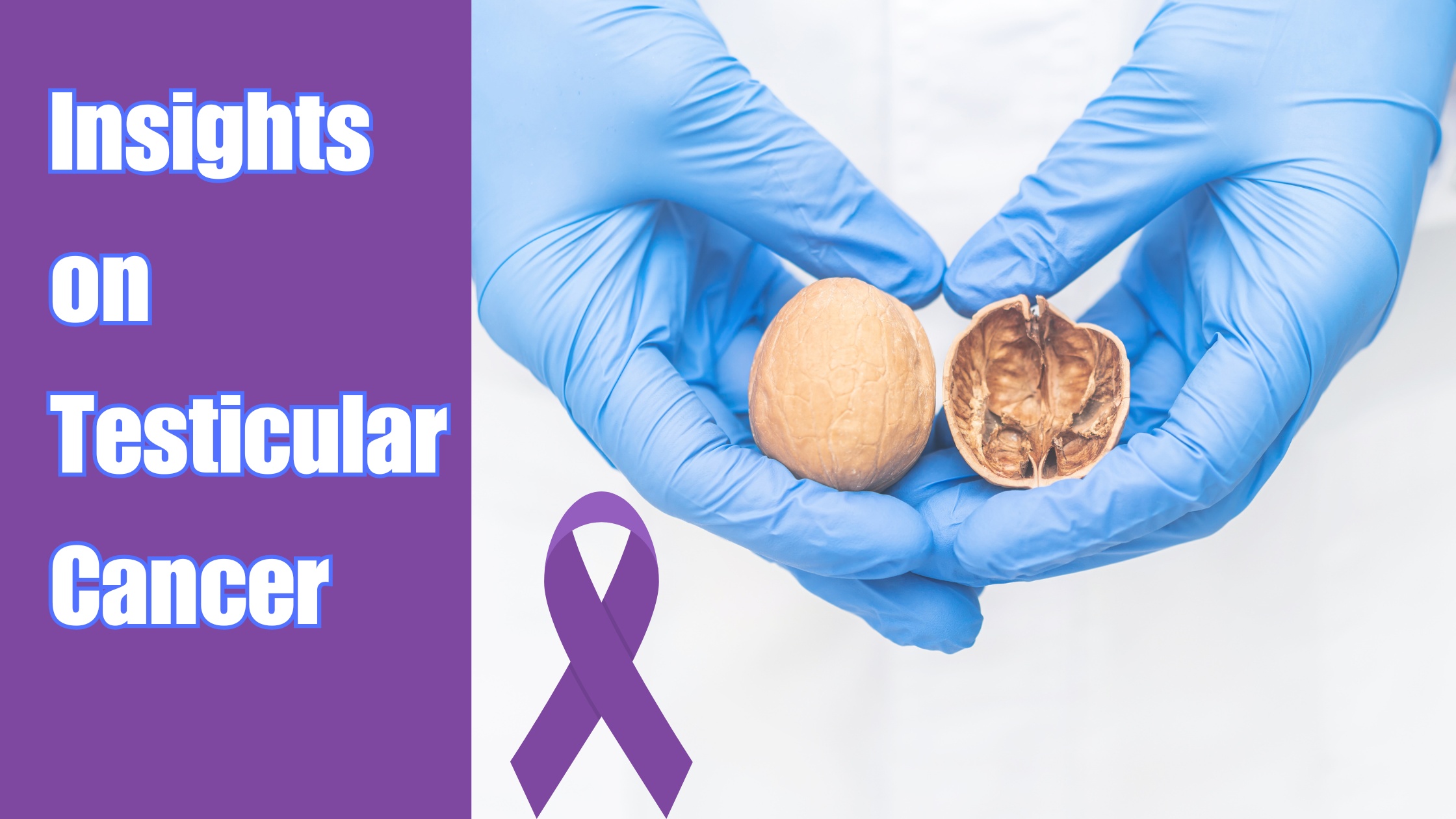
Insights on Testicular Cancer is a type of cancer that mostly affects men and is very easy to treat. It starts in the testicles, which are male reproductive organs found in the scrotum. To find it early and treat it effectively, you need to know its symptoms, risk factors, and treatment choices. This article will talk about many things related to testicular cancer, including what causes it and what its signs are, how to diagnose it, how to treat it, and more.
Understanding Testicular Cancer: Causes and Risk Factors
There are many things that can raise the risk of getting testicular cancer, such as genes, family history, having a testicle that has not dropped down, and getting older. We do not know the exact reason yet, but these risk factors play a big role in making it happen.
Genetics and Family History
People who have a history of testicular cancer in their family are more likely to get the disease themselves. It’s also more likely for people with certain DNA conditions, like Klinefelter syndrome and Down syndrome.
Cryptorchidism
Cryptorchidism is a big risk factor for insights on testicular cancer. This is when one or both testicles don’t go down into the sac before birth. Men who have had cryptorchidism in the past are more likely to get testicular cancer later in life.
Age
Men between the ages of 15 and 35, who are young to middle-aged, are most likely to get testicular cancer. Still, it can happen to people of any age, from kids to grandparents.
Signs and Symptoms of Testicular Cancer
Finding and treating testicular cancer as soon as possible is very important. Men can get medical help faster if they know the symptoms and signs. Some common signs are
- Testicular Lump or Swelling: An unstressed lump or swell up in either testicle is usually an initial symptom of testicular cancer.
- Testicular or scrotum pain or discomfort: Some men may experience a dull ache or discomfort in the affected testicle or the scrotum.
- Changes in Testicle Size or Shape: One testicle may grow larger or develop an abnormal shape as a result of testicular cancer.
- Feeling heavy in the scrotum: If you feel like your scrotum is heavy or dragging, this could be a sign of a problem.
- Back Pain: Back pain or stomach pain can occasionally result from testicular cancer spreading to the lymphatic system in the abdomen.
Diagnosing Testicular Cancer
A diagnosis is usually made with a physical exam, ultrasound, blood tests, and a biopsy.
Physical Examination
Medical professionals will carefully look at the testicles during a physical check for any problems, like lumps or swelling.
The Ultrasound
An ultrasound study can make clear pictures of the testicles and the structures around them, which can help find any questionable spots.
Blood Test
Some blood tests, such as lactate dehydrogenase (LDH), alpha-fetoprotein (AFP), and beta-human chorionic gonadotropin (β-hCG), can tell you a lot about testicular cancer.
The Biopsy
If a tumour is suspected to be present, a biopsy may be done to take out a small piece of tissue for closer study under a microscope.
Stages of Testicular Cancer
Testicular cancer is broken down into stages based on how bad it is and whether it has affected other parts of the patient’s body.
Stage I: Cancer is limited to the testicle
In stage I, the cancer is limited to the testicle and hasn’t spread to lymph nodes nearby or to organs far away.
Stage II: Cancer Spreads to Lymph Nodes
During stage II, the cancer has extended to the lymph nodes in the abdomen or pelvis in close proximity, but it hasn’t reached any organs far away.
Stage III: Cancer Spreads to Distant Organs
Stage III indicates the cancer has metastasized to various organs, such as the brain, lungs, or liver. Understanding the intricacies of the human brain adds complexity to the process of treatment.
Treatment Options for Testicular Cancer
If you have testicular cancer, you may be able to get surgery, radiation therapy, chemotherapy, or surveillance.
Surgery
The first step in treating testicular cancer is often surgery, usually in the form of an orchiectomy (removal of the affected testicle).
Radiation Therapy
Radiation therapy targets and kills cancer cells with high-energy rays. It can shrink tumors before surgery or treat cancer that is still there after surgery.
Chemotherapy
To kill cancer cells, chemotherapy uses potent medications. If the cancer is in a certain type or stage, it can be used on its own or with surgery and/or radiation therapy.
The practice of surveillance
Sometimes, especially for cancers that are in their early stages or have a low risk, active surveillance may be suggested. This means that the cancer’s progress is regularly checked on without treatment right away.
Supportive Care and Lifestyle Changes
Supportive care and changes to your lifestyle can be very helpful in managing testicular cancer and making your quality of life better.
Keeping your fertility
Men who have been diagnosed with testicular cancer may not be able to have children after treatment. Before starting treatment, you should talk about ways to maintain your fertility, like sperm banking.
Help with Mental Health
It can be hard to deal with a cancer diagnosis on an emotional and mental level. People and their loved ones can get help with this journey through counseling, support groups, and other resources.
Healthy habits for daily life
A healthy lifestyle, which includes regular exercise, a balanced diet, and not smoking or drinking too much alcohol, can help improve your health and well-being before, during, and after treatment
Survival Rates and Prognosis
With more than 95% of men surviving at least five years after diagnosis, testicular cancer has one of the highest cure rates of any cancer. Conditions like the person’s overall health and the stage and type of cancer may change the prognosis.
Prevention and Early Detection
Testicular cancer might not be completely avoidable, but there are things that can be done to lower the risk and make it easier to find early.
Examining Yourself
Regular self-exams of the testicles can help men get used to the normal size, shape, and feel of their testicles, which makes it easier to spot any changes or problems.
Get regular check-ups
Regular check-ups with a doctor, which may include a testicular exam, can help find problems early and get treatment started right away if needed.
Myths and Misconceptions about Testicular Cancer
Despite being a relatively well-known cancer, testicular cancer is frequently the subject of myths and misconceptions.
- Testicular Cancer is Rare: While less common than other types of cancer, testicular cancer is not as rare as many people believe.
- Only Young Men Get Testicular Cancer: While testicular cancer is most commonly diagnosed in young men, it can occur at any age.
- Testicular Cancer Always Causes Pain: Not all cases of testicular cancer cause pain or discomfort, especially in the early stages.
Impact on Fertility and Sexual Health
Testicular cancer and the course of its treatment may have a significant impact on infertility and sexual health.
Fertility Preservation Options
Before getting treatment for testicular cancer, men may look into ways to maintain their fertility, such as sperm banking or testicular sperm extraction (TESE).
Coping with Changes in Sexual Health
Testicular cancer and its treatment can cause changes in the body and mind that can affect sexual health and intimacy. To deal with these problems, it’s important to have open communication with healthcare providers and partners.
Celebrity Advocacy and Awareness
Several celebrities have publicly shared their experiences with testicular cancer, helping to raise awareness and reduce stigma surrounding the disease. Professional cyclist Lance Armstrong is perhaps the most well-known testicular cancer survivor, having successfully battled the disease and gone on to win multiple Tour de France titles.
Other notable figures, including musician Tom Green and actor Scott Hamilton, have also shared their stories of overcoming testicular cancer, inspiring others to seek early detection and treatment.
Research and Advances in Testicular Cancer Treatment
Ongoing research continues to explore new treatment options and approaches for testicular cancer, including immunotherapy, targeted therapies, and combination treatments.
Living with Testicular Cancer: Patient Stories
Personal experiences and stories from individuals living with Insights on Testicular Cancer can provide valuable.
Support Groups and Resources
Online and in-person support groups, as well as educational resources, can offer guidance, encouragement.
Conclusion
Insights on Testicular Cancer is a highly treatable form of cancer with excellent survival rates, especially when diagnosed early. By understanding the risk factors, signs, and symptoms, individuals can take proactive steps to seek. With ongoing research and advances in treatment, the outlook for Insights on Testicular Cancer.