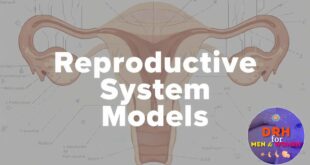
Reproductive Health Sexual and Reproductive Health

A Guide to Internal Female Anatomy
Understanding your body is a fundamental part of maintaining good health. For women, knowing the ins and outs of the internal female anatomy is crucial for everything from reproductive health to overall well-being. This complex system is responsible for menstruation, fertility, and hormone production, playing a vital role throughout a woman’s life.
This guide offers a clear and straightforward overview of the internal female reproductive system. We will explore the key organs, including the vagina, uterus, fallopian tubes, and ovaries, explaining their structures and functions in detail. We’ll also cover common health conditions that can affect these organs and provide practical tips for maintaining optimal reproductive health. By the end of this post, you’ll have a better understanding of your body and feel more empowered to take charge of your health.
The Vagina: Structure, Function, and Health
The vagina is a muscular tube that connects the cervix (the lower part of the uterus) to the outside of the body. It is typically about 3 to 4 inches long and has a remarkable ability to stretch, both to accommodate a penis during intercourse and to allow a baby to pass through during childbirth.
Key Functions
- Sexual Intercourse: The vagina receives the penis during sexual activity.
- Childbirth: It serves as the birth canal, expanding significantly to allow a baby to be delivered.
- Menstruation: Menstrual fluid flows from the uterus through the cervix and out of the body via the vagina.
Maintaining Vaginal Health
The vagina has a naturally acidic environment, which helps protect against infections. It maintains this balance with the help of healthy bacteria. To support vaginal health, it’s important to avoid douching, which can disrupt this natural balance. Instead, wash the external genital area (the vulva) with warm water and mild, unscented soap. Wearing breathable cotton underwear and practicing safe sex can also help prevent infections.
The Uterus: Anatomy and Its Role in Pregnancy
The uterus, often called the womb, is a pear-shaped, muscular organ located in the pelvis between the bladder and the rectum. Its primary role is to nurture a developing fetus during pregnancy. The uterus has thick, muscular walls and a lining called the endometrium.
The Menstrual Cycle
Each month, in response to hormonal changes, the endometrium thickens to prepare for a potential pregnancy. If fertilization does not occur, the top layers of this lining are shed, resulting in menstruation. This cycle repeats approximately every 28 days, although the length can vary from person to person.
Pregnancy
If a fertilized egg implants in the endometrium, the uterus provides a safe and nourishing environment for the fetus to grow. The muscular walls of the uterus expand dramatically as the baby develops and contract powerfully during labor to push the baby out.
The Fallopian Tubes: Role in Fertilization
The fallopian tubes are two thin tubes, one on each side of the uterus, that connect the ovaries to the uterus. Each tube has a funnel-shaped end with finger-like projections called fimbriae that hover near the ovary.
The main function of the fallopian tubes is to transport eggs from the ovaries to the uterus. When an ovary releases an egg (ovulation), the fimbriae help sweep it into the fallopian tube. Fertilization, the union of the egg and sperm, most often occurs within the fallopian tube. The fertilized egg then travels down the tube to the uterus, where it can implant and begin to grow.
The Ovaries: Hormone Production and Ovulation
The ovaries are two small, oval-shaped glands located on either side of the uterus. They are a critical part of the female reproductive system and the endocrine system.
Key Functions
- Ovulation: The ovaries contain thousands of eggs. Each month, one of these eggs matures and is released from the ovary in a process called ovulation. This egg is then ready to be fertilized.
- Hormone Production: The ovaries are the primary producers of the main female sex hormones, estrogen and progesterone. These hormones regulate the menstrual cycle, support pregnancy, and influence many other aspects of women’s health, including bone density and mood.
As a woman ages, the number of eggs in her ovaries decreases, and hormone production declines. This eventually leads to menopause, the natural cessation of menstruation.
Common Conditions Affecting Internal Female Anatomy
Several health issues can affect the female reproductive system. Awareness of these conditions is the first step toward prevention and effective management.
- Endometriosis: This occurs when tissue similar to the uterine lining grows outside the uterus, often on the ovaries, fallopian tubes, or other pelvic organs. It can cause severe pain and fertility problems.
- Polycystic Ovary Syndrome (PCOS): A hormonal disorder that can cause irregular periods, excess androgen (male hormone) levels, and small cysts on the ovaries. PCOS is a common cause of infertility.
- Uterine Fibroids: These are noncancerous growths of the uterus that often appear during childbearing years. While many women have no symptoms, others may experience heavy menstrual bleeding, pelvic pain, or pressure.
- Pelvic Inflammatory Disease (PID): An infection of the female reproductive organs, often caused by sexually transmitted infections (STIs). If left untreated, PID can cause chronic pain and infertility.
Maintaining Your Reproductive Health
Taking proactive steps to care for your internal female anatomy can help prevent disease and support overall well-being.
- Regular Check-ups: Visit a gynecologist regularly for pelvic exams and Pap tests. These screenings can detect abnormalities and potential problems early.
- Practice Safe Sex: Using condoms can help protect against STIs that can lead to more serious conditions like PID.
- Know Your Cycle: Tracking your menstrual cycle can help you identify any irregularities that might signal an underlying health issue.
- Healthy Lifestyle: A balanced diet, regular exercise, and stress management are all important for hormonal balance and overall reproductive health.
Empower Yourself Through Knowledge
Understanding your internal female anatomy is a powerful tool for self-care. By knowing how your reproductive system works, you can make informed decisions about your health, recognize when something might be wrong, and communicate more effectively with healthcare providers. Your body is remarkable, and caring for it thoughtfully is one of the most important investments you can make in your long-term health and happiness.