 Reproductive Health Sexual and Reproductive Health
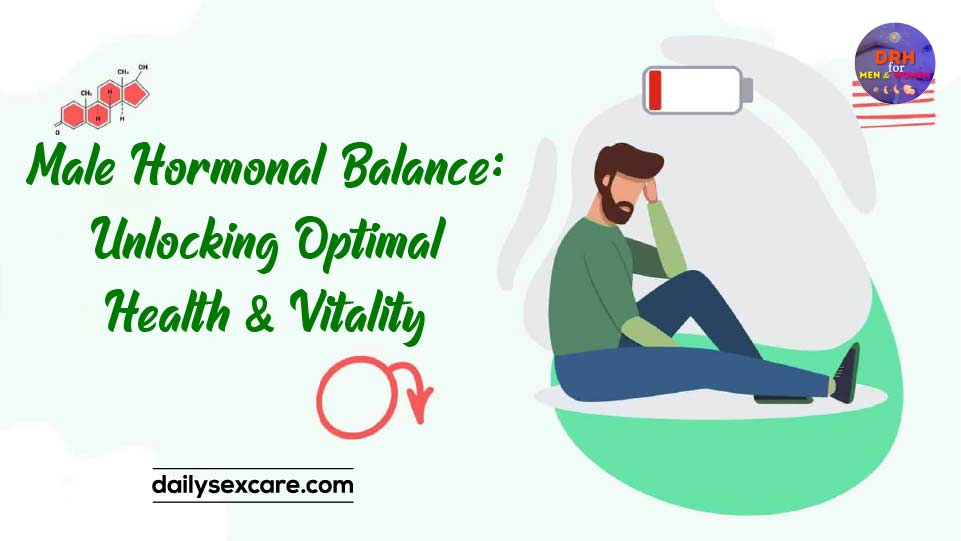
Male hormonal balance is crucial for overall health and well-being. It affects mood, energy levels, and reproductive function.
Hormones like testosterone, cortisol, and insulin play vital roles in male health. Testosterone regulates muscle mass, libido, and mood. Cortisol helps manage stress, while insulin controls blood sugar levels. Imbalances can lead to issues like fatigue, weight gain, and mood swings.
Proper nutrition, regular exercise, and adequate sleep support hormonal balance. Avoiding excessive alcohol and reducing stress also help. Regular medical check-ups can detect hormonal imbalances early. Consulting a healthcare provider for personalized advice is essential. Maintaining hormonal balance enhances quality of life and prevents various health issues.
Introduction To Male Hormonal Balance
Understanding male hormonal balance is key to men’s health. Hormones play a vital role in various body functions. They affect everything from mood to muscle mass.
Importance Of Hormones
Hormones are chemical messengers. They send signals to different parts of the body. These signals help regulate many bodily functions.
- Testosterone: This hormone affects muscle growth and strength.
- Cortisol: Known as the stress hormone, it affects mood.
- Insulin: This hormone controls blood sugar levels.
Impact On Health And Vitality
Balanced hormones are crucial for overall health. They influence energy levels and mental clarity. Hormones also impact sleep quality and emotional wellbeing.
| Hormone | Function | Impact |
|---|---|---|
| Testosterone | Muscle growth | Increased strength |
| Cortisol | Stress response | Improved mood |
| Insulin | Blood sugar control | Stable energy levels |
A hormonal imbalance can lead to various issues. Fatigue, weight gain, and mood swings are common signs. Early detection and treatment are essential.

in.pinterest.com
Key Male Hormones
The balance of male hormones is crucial for health. Hormones control many body functions. Let’s explore the key hormones in males.
Testosterone
Testosterone is the primary male sex hormone. It plays a vital role in muscle mass, bone density, and sex drive. Low testosterone levels can lead to fatigue, depression, and reduced libido.
Cortisol
Cortisol is known as the stress hormone. It helps manage stress levels and maintain energy. High cortisol levels can cause weight gain and high blood pressure.
Estrogen
Men also have small amounts of estrogen. It is crucial for bone health and mood regulation. High estrogen levels in men can lead to weight gain and gynecomastia.
Symptoms Of Hormonal Imbalance
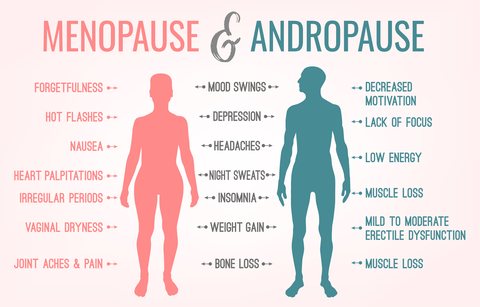
Hormonal imbalance in males can manifest in various ways. These symptoms can affect physical, emotional, and mental health. Understanding these signs can help in early detection and treatment.
Physical Signs
Physical symptoms of hormonal imbalance can be quite noticeable. They often affect daily life and overall well-being.
- Weight Gain: Sudden weight gain without changes in diet or activity.
- Muscle Weakness: Loss of muscle mass and strength.
- Fatigue: Persistent tiredness even after rest.
- Hair Loss: Thinning hair or bald spots.
- Low Libido: Decreased interest in sexual activities.
Emotional And Mental Indicators
Hormonal imbalance can also impact emotional and mental health. These symptoms can be subtle but significantly affect quality of life.
- Mood Swings: Frequent changes in mood without clear reason.
- Depression: Feelings of sadness and hopelessness.
- Anxiety: Unexplained anxiety or nervousness.
- Memory Issues: Difficulty remembering things or focusing.
- Sleep Problems: Trouble falling or staying asleep.

collegedunia.com
Causes Of Hormonal Imbalance
Understanding the causes of hormonal imbalance in men is crucial. Hormones regulate many body functions. Disruptions can lead to various health issues. Both lifestyle factors and medical conditions play significant roles in hormonal balance.
Lifestyle Factors
Several lifestyle choices can affect male hormonal balance. Key factors include:
- Diet: Poor nutrition impacts hormone levels. High sugar and processed foods can disrupt balance.
- Sleep: Inadequate sleep reduces testosterone levels. Aim for 7-8 hours of sleep each night.
- Stress: Chronic stress increases cortisol. High cortisol can lower testosterone.
- Exercise: Lack of physical activity affects hormones. Regular exercise helps maintain balance.
- Alcohol and Smoking: Excessive alcohol and smoking harm hormone production. Limit intake for better balance.
Medical Conditions
Certain medical conditions also contribute to hormonal imbalance. These conditions include:
| Condition | Description |
|---|---|
| Hypogonadism | Low testosterone production. Can be due to genetics or injury. |
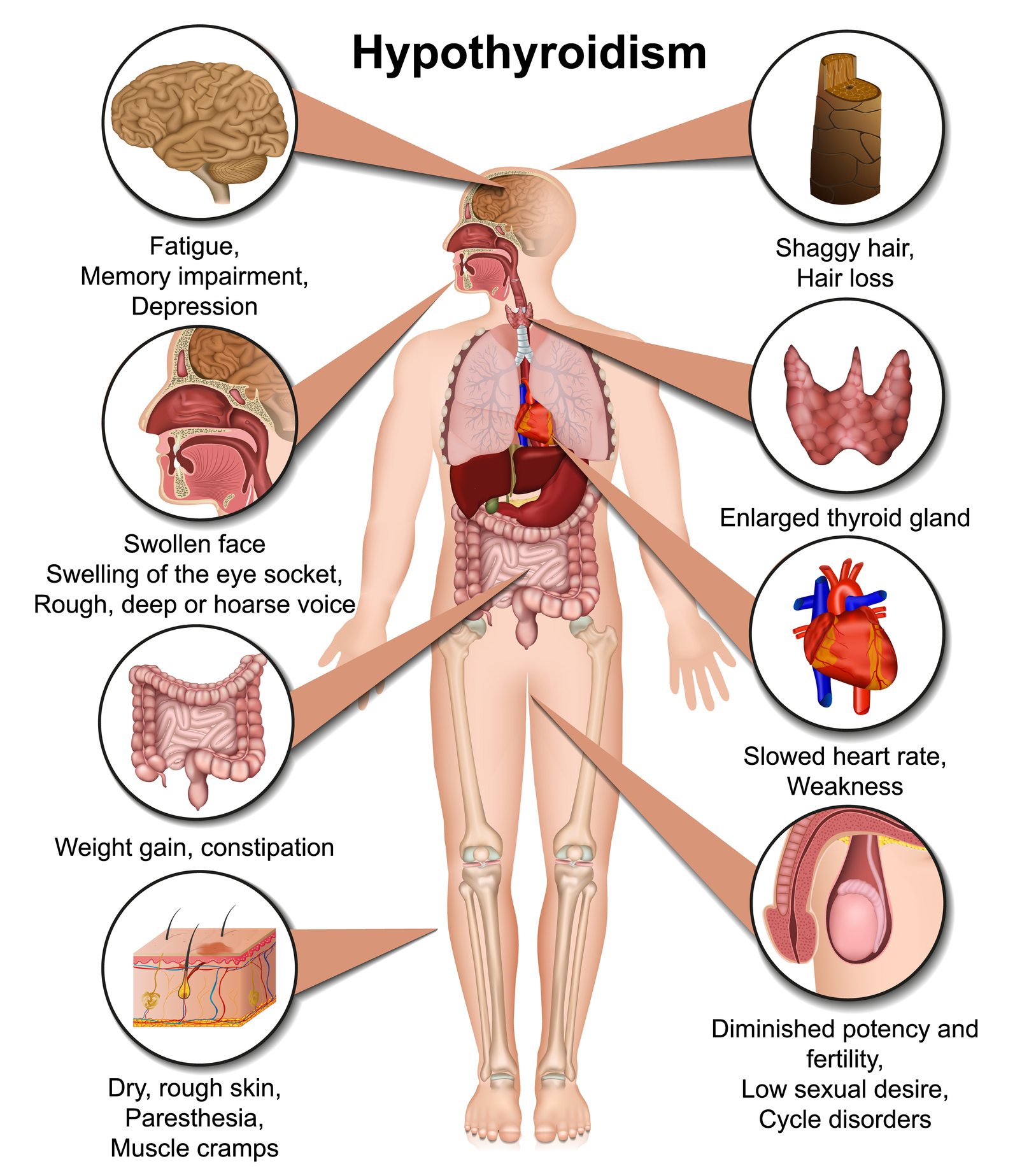
| Thyroid Disorders | Both hyperthyroidism and hypothyroidism affect hormone levels. |
| Diabetes | Type 2 diabetes can lower testosterone. Insulin resistance affects hormones. |
| Obesity | Excess fat tissue alters hormone levels. It increases estrogen and lowers testosterone. |
| Medications | Some drugs affect hormone production. Includes steroids, opioids, and antidepressants. |
Addressing these factors can help maintain hormonal balance. Making healthy lifestyle choices is essential. Consulting a doctor for medical conditions is also important.
Diet And Nutrition
Maintaining male hormonal balance is essential for overall health. Diet and nutrition play a crucial role in supporting this balance. Eating the right foods can boost hormone production. Avoiding certain nutrients can prevent hormonal imbalances. Let’s dive into the details.
Foods That Boost Hormones
Some foods are particularly beneficial for male hormonal health. These foods can help increase testosterone levels and other vital hormones.
- Eggs: Rich in healthy fats and protein, eggs support testosterone production.
- Spinach: High in magnesium, which boosts testosterone levels.
- Oysters: Packed with zinc, which is crucial for hormone health.
- Fatty Fish: Salmon and mackerel are high in omega-3 fatty acids. These fats promote hormone production.
- Nuts: Almonds and walnuts provide essential fatty acids and vitamins. These nutrients are key for hormonal balance.
- Garlic: Contains allicin, which can help lower cortisol levels. Lower cortisol levels can boost testosterone.
Nutrients To Avoid
Some nutrients can negatively impact male hormonal balance. Avoiding these can help maintain healthy hormone levels.
| Nutrient | Reason to Avoid |
|---|---|
| Sugar | High sugar intake can lower testosterone levels. |
| Trans Fats | Trans fats can negatively affect hormone production. |
| Processed Foods | Often contain additives and preservatives harmful to hormones. |
| Alcohol | Excessive alcohol can reduce testosterone levels. |
| Soy Products | May contain phytoestrogens that can disrupt hormone balance. |
Making smart dietary choices can significantly impact male hormonal balance. Focus on nutrient-rich foods and avoid those that can harm hormone levels.
Exercise And Physical Activity
Maintaining male hormonal balance is crucial for overall health. Exercise and physical activity play a vital role. Regular exercise can help balance hormones, improve mood, and enhance energy levels. This section will explore the best workouts for hormonal health and the role of strength training.
Best Workouts For Hormonal Health
Different exercises impact hormones differently. Here are some of the best workouts for hormonal health:
- Cardio Exercises: Running, cycling, and swimming boost testosterone levels.
- High-Intensity Interval Training (HIIT): HIIT workouts can increase growth hormone levels.
- Yoga and Stretching: These activities reduce cortisol, the stress hormone.
| Workout Type | Hormonal Benefits |
|---|---|
| Cardio | Boosts testosterone |
| HIIT | Increases growth hormone |
| Yoga | Reduces cortisol |
Role Of Strength Training
Strength training is essential for hormonal balance. It has numerous benefits:
- Increases Testosterone: Lifting weights can boost testosterone levels.
- Improves Insulin Sensitivity: Helps in better blood sugar control.
- Reduces Cortisol: Strength training can lower stress hormone levels.
Here are some strength training exercises:
- Squats: Excellent for building leg muscles and increasing testosterone.
- Deadlifts: Great for overall strength and hormone balance.
- Bench Press: Boosts upper body strength and testosterone.
Incorporating these exercises into your routine can significantly improve hormonal health. Consistency is key. Aim for at least three strength training sessions per week.
Sleep And Recovery
Ensuring proper sleep and recovery is vital for male hormonal balance. Quality rest helps regulate hormones like testosterone and cortisol. It also aids in muscle repair and overall well-being.
Importance Of Quality Sleep
Quality sleep is essential for maintaining hormonal balance. During deep sleep, the body releases growth hormones. These hormones are crucial for muscle recovery and tissue repair.
Insufficient sleep can lead to increased levels of cortisol, the stress hormone. High cortisol levels can negatively impact testosterone production. This imbalance can affect mood, energy levels, and overall health.
Techniques For Better Rest
Implementing effective techniques can help improve sleep quality. Here are some proven methods:
- Maintain a Consistent Sleep Schedule: Go to bed and wake up at the same time daily.
- Create a Relaxing Bedtime Routine: Activities like reading or taking a warm bath can help.
- Limit Screen Time Before Bed: Reduce exposure to blue light from screens at least an hour before bed.
- Optimize Your Sleep Environment: Ensure your bedroom is dark, cool, and quiet.
- Practice Mindfulness or Meditation: These techniques can reduce stress and promote relaxation.
Incorporating these techniques can lead to better sleep and improved hormonal health.
Credit: balancedmedicalsolutions.com
Stress Management
Managing stress is crucial for male hormonal balance. Stress can disrupt hormone levels, leading to various health issues. Understanding and managing stress can help maintain a healthier hormonal balance.
Effects Of Chronic Stress
Chronic stress has significant effects on male hormones. It can lead to elevated cortisol levels. High cortisol can lower testosterone production. This imbalance can affect mood, energy levels, and libido.
Here are some common effects of chronic stress on male hormones:
- Decreased testosterone
- Increased cortisol
- Impaired sleep quality
- Reduced immune function
- Increased body fat
Chronic stress also impacts mental health. It can cause anxiety and depression, further affecting hormonal balance.
Stress-reduction Techniques
Several techniques can help reduce stress and improve hormonal balance. Here are some effective methods:
| Technique | Benefits |
|---|---|
| Exercise | Boosts endorphins, improves mood, and reduces cortisol |
| Meditation | Promotes relaxation and reduces stress hormones |
| Healthy Diet | Supports overall health and hormonal balance |
| Sleep | Restores energy and regulates cortisol levels |
Incorporate these stress-reduction techniques into your daily routine for better hormonal health:
- Exercise regularly: Aim for at least 30 minutes per day.
- Practice mindfulness: Try meditation or deep breathing exercises.
- Eat a balanced diet: Include plenty of fruits, vegetables, and lean proteins.
- Get enough sleep: Aim for 7-9 hours of sleep per night.
Adopting these techniques can greatly improve your hormonal balance and overall well-being.
Natural Supplements
Maintaining male hormonal balance can be a challenge. Natural supplements can support this balance effectively. These supplements include herbal remedies, vitamins, and minerals. Let’s explore these natural options in detail.
Herbal Remedies
Herbal remedies play a crucial role in male hormonal balance. They are natural and often safe. Below are some key herbs:
- Ashwagandha: Reduces stress and boosts testosterone levels.
- Tribulus Terrestris: Enhances libido and improves sperm quality.
- Fenugreek: Increases testosterone and aids muscle growth.
Vitamins And Minerals
Vitamins and minerals are essential for hormonal health. Deficiencies can lead to hormonal imbalances. Here are some important ones:
| Vitamin/Mineral | Benefits |
|---|---|
| Vitamin D | Boosts testosterone levels and strengthens bones. |
| Zinc | Supports sperm production and regulates testosterone. |
| Magnesium | Enhances testosterone levels and reduces stress. |
Including these vitamins and minerals in your diet can improve hormonal balance. They are found in various foods and supplements.
Credit: compoundingrxusa.com
Medical Treatments
Medical treatments for male hormonal balance are effective. They can be tailored to individual needs. Here, we’ll explore two primary methods. These are Hormone Replacement Therapy and Medications and Interventions.
Hormone Replacement Therapy
Hormone Replacement Therapy (HRT) is a common treatment. It helps restore hormonal balance. HRT involves administering hormones such as testosterone. These hormones can be given in various forms, including:
- Injections
- Gels
- Patches
- Pills
Doctors monitor the treatment closely. This ensures the right dosage. Side effects are possible. Common side effects include:
- Skin irritation
- Weight gain
- Mood swings
Despite side effects, HRT is effective. It improves energy levels, mood, and muscle mass.
Medications And Interventions
Various medications help balance hormones. These medications target specific symptoms. Some common medications include:
- Clomiphene Citrate: Boosts testosterone production.
- Metformin: Manages insulin levels.
- Letrozole: Reduces estrogen levels.
Doctors may also suggest lifestyle interventions. These include:
- Regular exercise
- Healthy diet
- Stress management
Lifestyle changes complement medications. They enhance overall well-being.
Lifestyle Changes
Maintaining male hormonal balance requires making key lifestyle changes. These changes can significantly impact overall health and well-being. Implementing healthy habits and avoiding harmful substances are crucial steps.
Healthy Habits
Developing healthy habits can improve male hormonal balance. Here are some essential tips:
- Regular Exercise: Engage in physical activities like running, swimming, or weightlifting.
- Balanced Diet: Eat a diet rich in vegetables, fruits, lean proteins, and healthy fats.
- Quality Sleep: Aim for 7-9 hours of sleep each night to support hormone production.
- Stress Management: Practice stress-relief techniques such as meditation, yoga, or deep breathing exercises.
Avoiding Harmful Substances
Avoiding harmful substances is vital for maintaining hormonal health. Here are some substances to avoid:
| Substance | Reason to Avoid |
|---|---|
| Alcohol | Excessive alcohol can disrupt hormonal balance and liver function. |
| Tobacco | Smoking affects testosterone levels and overall health. |
| Processed Foods | High in sugars and unhealthy fats, they can impact hormone levels. |
| Plastic Containers | Contain chemicals like BPA that disrupt endocrine function. |
Monitoring Hormone Levels
Maintaining male hormonal balance is essential. Monitoring hormone levels regularly helps in detecting imbalances early. This ensures timely intervention and better health.
Tests And Diagnostics
Various tests help in monitoring hormone levels. Blood tests are the most common. They check testosterone, estrogen, and other hormone levels.
Saliva tests are also used. They measure free hormone levels in the body. Urine tests can show hormone metabolite levels. These tests give a complete picture of hormonal health.
Regular Check-ups
Regular check-ups are crucial. They help track hormone levels over time. Men should visit their doctor at least once a year.
During these visits, doctors can adjust treatments if needed. They can also offer lifestyle advice to maintain balance. Regular check-ups ensure any changes are caught early.
Mental Health And Hormones
Understanding the link between mental health and hormones is vital for men. Hormones impact mood, energy, and overall mental wellness. Balancing these hormones can lead to better mental health and a happier life.
Connection Between Mind And Body
The mind and body are deeply connected. Hormones like testosterone, cortisol, and serotonin play a crucial role. For instance, low testosterone can lead to depression and fatigue. High cortisol levels can cause stress and anxiety.
Studies show that balanced hormones improve mood and cognitive function. Regular exercise, a healthy diet, and proper sleep can help maintain this balance. This mind-body connection is essential for a happier, healthier life.
Coping Strategies
Managing stress and maintaining hormonal balance is possible with simple strategies. Here are a few effective methods:
- Exercise Regularly: Physical activity boosts endorphins and reduces cortisol levels.
- Healthy Diet: Eating balanced meals supports hormone production and regulation.
- Adequate Sleep: Quality sleep is crucial for hormone balance and mental clarity.
- Mindfulness and Meditation: These practices reduce stress and improve mental health.
These strategies can promote mental well-being and hormonal balance. Implementing these changes can lead to a healthier, happier life.
Success Stories
Discover how others have successfully balanced their male hormones. These success stories offer valuable insights and inspiration. Learn from real-life examples and the lessons they provide.
Real-life Examples
John, a 45-year-old, struggled with low energy and weight gain. After consulting a specialist, he made lifestyle changes. He started a balanced diet and regular exercise. Within three months, he felt more energetic and lost 10 pounds.
Mark, a 35-year-old, experienced mood swings and low libido. He began using natural supplements and practicing mindfulness. These changes helped him regain his confidence and improve his relationships.
Lessons Learned
These stories highlight important lessons:
- Consistency is key: Regular habits lead to better results.
- Holistic approach: Diet, exercise, and mental health are interconnected.
- Seek professional advice: Experts can guide you effectively.
| Case | Problem | Solution | Outcome |
|---|---|---|---|
| John | Low energy, weight gain | Diet, exercise | More energy, weight loss |
| Mark | Mood swings, low libido | Supplements, mindfulness | Improved mood, better relationships |
Key takeaways:
- Adopt a balanced lifestyle.
- Stay consistent with your efforts.
- Consult professionals for tailored advice.

Credit: www.amazon.com
Frequently Asked Questions
How Do You Fix A Male Hormone Imbalance?
Fixing male hormone imbalance involves lifestyle changes, balanced diet, regular exercise, stress management, and medical treatments. Consult a doctor.
Can Men Balance Their Hormones?
Yes, men can balance their hormones through a healthy diet, regular exercise, stress management, and adequate sleep. Consulting a healthcare provider for personalized advice can also help.
What Does A Hormone Imbalance Feel Like In Men?
A hormone imbalance in men can cause fatigue, mood swings, weight gain, and reduced libido. Other symptoms include muscle loss, depression, and sleep disturbances.
How Do You Check For Hormone Imbalance In Men?
Doctors check for hormone imbalance in men through blood tests, physical exams, and medical history evaluations.
Conclusion
Achieving male hormonal balance is vital for overall health and well-being. Simple lifestyle changes can make a significant difference. Prioritize a balanced diet, regular exercise, and stress management. Regular medical check-ups help monitor hormone levels. Taking proactive steps ensures a healthier, more balanced life.
Start today and feel the benefits.


