Reproductive Health Sexual and Reproductive Health

Menstrual health involves the physical, emotional, and social well-being during the menstrual cycle. It includes managing symptoms and understanding menstrual hygiene.
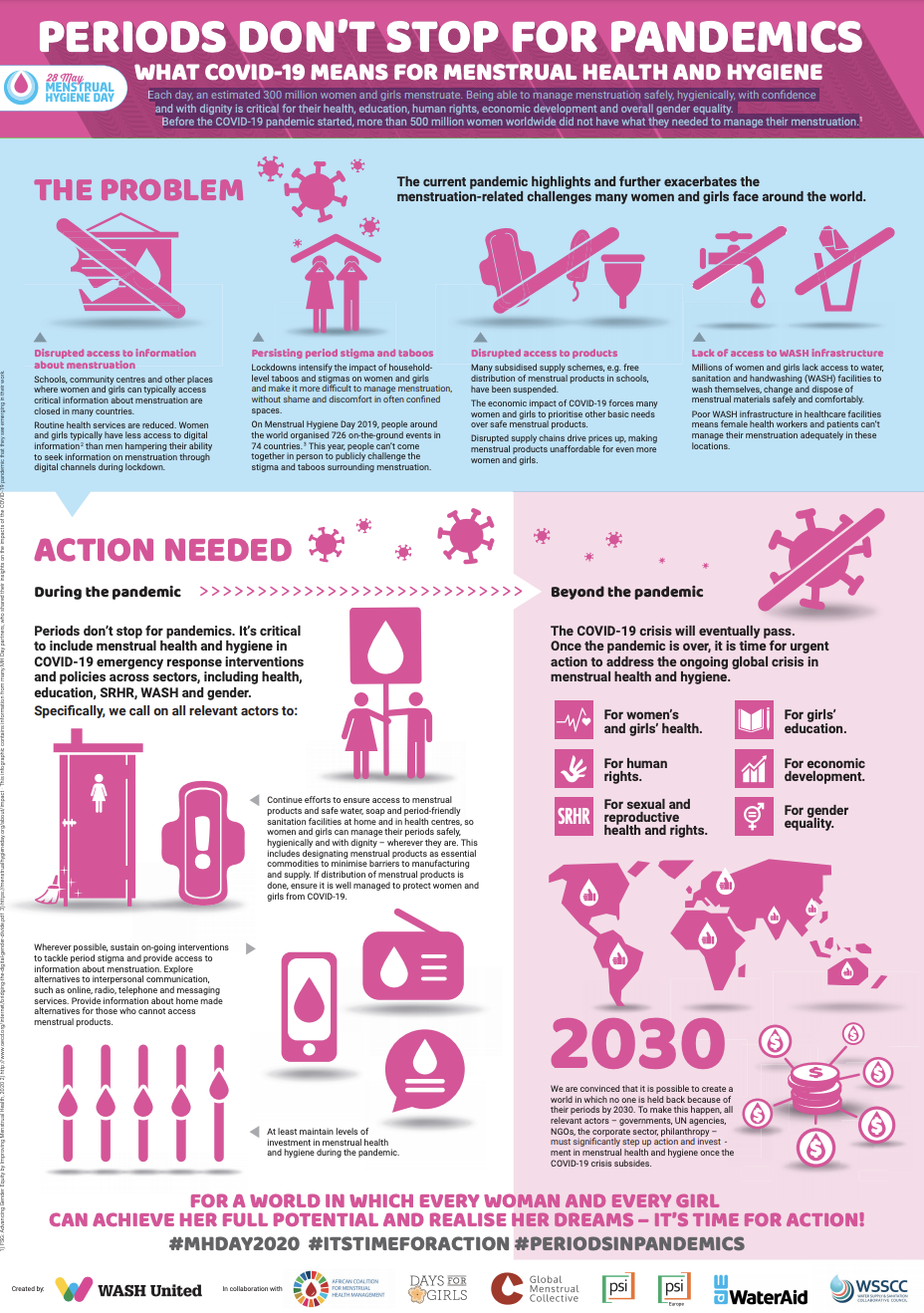
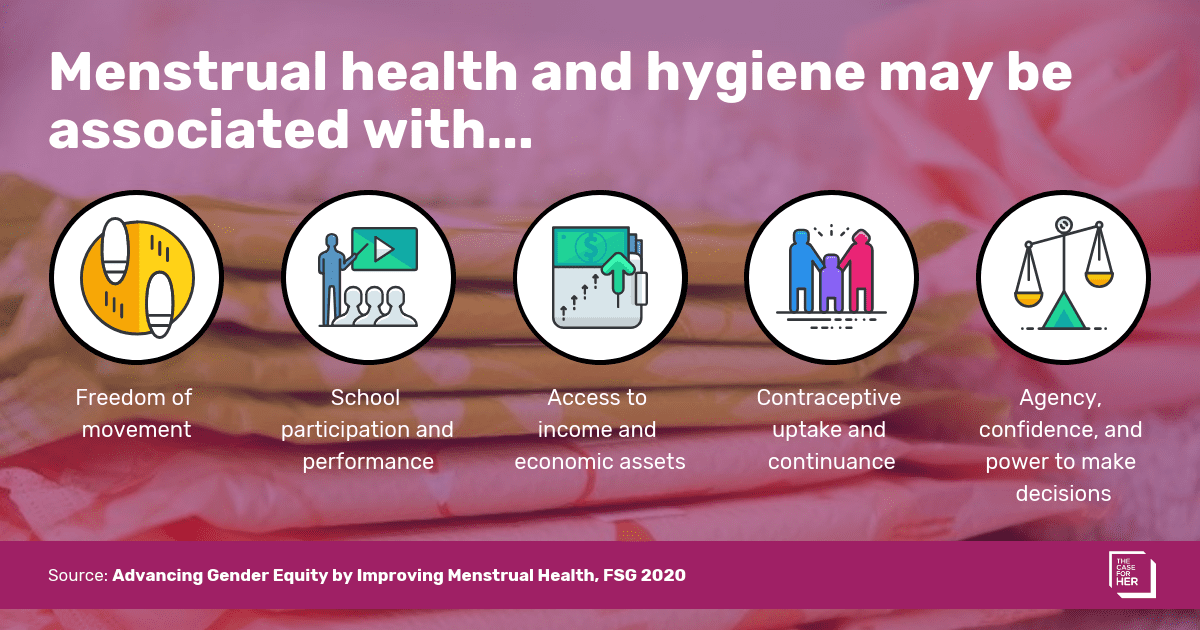
Menstrual health is crucial for women and girls to lead healthy lives. It encompasses not only the physical aspects but also emotional and social well-being during menstruation. Good menstrual health involves proper hygiene practices, access to menstrual products, and understanding the menstrual cycle.
Women should have access to accurate information and healthcare services to address any menstrual issues. Awareness and education about menstrual health can reduce stigma and improve overall quality of life. By prioritizing menstrual health, we can promote gender equality and empower women and girls to participate fully in society.
Menstrual Cycle Basics
Understanding the menstrual cycle is important for menstrual health. Knowing the basics helps in managing symptoms and recognizing changes in the body. The menstrual cycle is a natural process that prepares the body for pregnancy. It involves a series of changes in the female reproductive system.
Phases Of The Cycle
The menstrual cycle has four main phases. These phases are the menstrual phase, the follicular phase, ovulation, and the luteal phase. Each phase has unique characteristics and functions.
- Duration: 3-7 days
- Occurs when the lining of the uterus sheds
- Common symptoms: bleeding, cramps, fatigue
- Duration: 11-27 days
- Starts on the first day of menstruation
- Ends with ovulation
- The body prepares an egg for release
- Duration: 12-48 hours
- Occurs mid-cycle
- The ovary releases an egg
- High chance of pregnancy
- Duration: 14 days
- Starts after ovulation
- The body prepares for possible pregnancy
- Common symptoms: mood swings, bloating, breast tenderness
Hormonal Changes
Hormones play a crucial role in regulating the menstrual cycle. The key hormones involved are estrogen, progesterone, luteinizing hormone (LH), and follicle-stimulating hormone (FSH).
- Builds up the uterine lining
- Peaks just before ovulation
- Maintains the uterine lining
- Increases after ovulation
- Drops if pregnancy does not occur
- Triggers ovulation
- Surge happens mid-cycle
- Stimulates the growth of ovarian follicles
- Works with LH for ovulation
Understanding these hormonal changes helps in tracking the menstrual cycle and predicting fertile days. Hormonal fluctuations can also cause symptoms like mood swings and physical discomfort. Recognizing these patterns aids in managing menstrual health effectively.
Credit: www.globalwaters.org
Common Menstrual Disorders
Menstrual health plays a vital role in a woman’s overall well-being. Common menstrual disorders can disrupt daily life and cause discomfort. Understanding these disorders helps in managing symptoms effectively. Here, we explore some prevalent menstrual disorders.
Dysmenorrhea
Dysmenorrhea refers to painful menstruation, marked by severe cramps and discomfort. These cramps can affect daily activities and productivity. Dysmenorrhea is categorized into two types:
- Primary Dysmenorrhea: Common in adolescents and young women. Caused by natural menstrual cramps without any underlying health issues.
- Secondary Dysmenorrhea: Often results from reproductive system disorders such as endometriosis or fibroids.
Symptoms of dysmenorrhea include:
- Intense cramping in the lower abdomen
- Lower back pain
- Nausea and vomiting
- Diarrhea
Effective management strategies include:
- Over-the-counter pain relievers
- Heating pads
- Regular physical exercise
- Relaxation techniques like yoga and meditation
Amenorrhea
Amenorrhea is the absence of menstruation during the reproductive years. It is classified into two types:
- Primary Amenorrhea: Occurs when a young woman has not had her first period by age 16.
- Secondary Amenorrhea: Happens when a woman who previously had regular periods stops menstruating for three months or more.
Potential causes include:
- Polycystic ovary syndrome (PCOS)
- Extreme weight loss or gain
- Excessive exercise
- Stress
- Thyroid disorders
Diagnosis involves:
- Medical history review
- Physical examination
- Blood tests
- Imaging tests like ultrasound or MRI
Treatment options vary based on the underlying cause and may include lifestyle changes, medication, or hormone therapy.
Menorrhagia
Menorrhagia is characterized by abnormally heavy or prolonged menstrual bleeding. It can lead to anemia and severe fatigue. Symptoms include:
- Soaking through one or more sanitary pads or tampons every hour
- Needing to use double sanitary protection
- Bleeding for more than seven days
- Passing large blood clots
- Severe menstrual pain
Possible causes of menorrhagia include:
- Hormonal imbalances
- Uterine fibroids
- Polyps
- Adenomyosis
- Bleeding disorders
Treatment options are diverse and depend on the severity and cause:
- Nonsteroidal anti-inflammatory drugs (NSAIDs)
- Hormonal therapies
- Iron supplements
- Surgical options for severe cases, such as endometrial ablation or hysterectomy
Proper diagnosis and treatment can help manage symptoms and improve quality of life.
Understanding the Menstrual Cycle: A Comprehensive Guide for Women’s Health
Nutrition And Menstruation
Menstrual health is crucial for every woman. Proper nutrition can greatly influence menstrual cycles and alleviate symptoms. A balanced diet ensures your body gets the essential nutrients it needs during menstruation. Eating right can help manage pain, mood swings, and energy levels. This section will guide you on the nutrients you need and dietary tips for better menstrual health.
Essential Nutrients
During menstruation, your body requires specific nutrients to function optimally. Here are some key nutrients:
- Iron: Blood loss during menstruation can lead to iron deficiency. Foods rich in iron include spinach, red meat, and lentils.
- Calcium: Helps reduce menstrual cramps. Sources include dairy products, kale, and almonds.
- Magnesium: Eases bloating and pain. Found in nuts, seeds, and whole grains.
- Vitamin B6: Boosts mood and reduces irritability. Available in bananas, chicken, and potatoes.
- Omega-3 fatty acids: Reduces inflammation and pain. Found in fish, flaxseeds, and walnuts.
- Vitamin E: Alleviates menstrual pain. Get it from sunflower seeds, spinach, and avocados.
Here’s a quick reference table for these nutrients:
| Nutrient | Benefits | Sources |
|---|---|---|
| Iron | Prevents deficiency | Spinach, Red meat, Lentils |
| Calcium | Reduces cramps | Dairy, Kale, Almonds |
| Magnesium | Eases bloating | Nuts, Seeds, Whole grains |
| Vitamin B6 | Boosts mood | Bananas, Chicken, Potatoes |
| Omega-3 | Reduces pain | Fish, Flaxseeds, Walnuts |
| Vitamin E | Alleviates pain | Sunflower seeds, Spinach, Avocados |
Dietary Tips
Incorporating the right foods into your diet can make a huge difference during menstruation. Here are some dietary tips:
- Stay Hydrated: Drink plenty of water to reduce bloating and stay energized.
- Eat Smaller Meals: Frequent, smaller meals help maintain energy levels and reduce cravings.
- Limit Caffeine: Too much caffeine can increase anxiety and irritability. Opt for herbal teas instead.
- Avoid Sugary Foods: Sugar can cause mood swings and energy crashes. Choose fruits for a natural sweet fix.
- Include Fiber: Fiber helps with digestion and reduces bloating. Whole grains, fruits, and vegetables are excellent sources.
- Protein Intake: Protein helps in tissue repair and boosts energy. Eggs, fish, and beans are great options.
Here’s a sample daily meal plan to help you get started:
| Meal | Foods |
|---|---|
| Breakfast | Oatmeal with berries and nuts |
| Mid-Morning Snack | Yogurt with flaxseeds |
| Lunch | Grilled chicken salad with spinach and quinoa |
| Afternoon Snack | Sliced apple with almond butter |
| Dinner | Baked salmon with steamed broccoli and brown rice |
| Evening Snack | Herbal tea and a handful of almonds |
Following these dietary tips can help you feel better and stay healthy during your menstrual cycle.
Credit: www.fsg.org
Physical Activity And Cycle
Menstrual health is an essential aspect of women’s overall well-being. Physical activity and the menstrual cycle are closely linked, and understanding this connection can help women maintain better health. Engaging in regular exercise can alleviate menstrual symptoms and improve mood, making periods more manageable.
Exercise Benefits
Regular physical activity offers numerous benefits for menstrual health. Here are some key advantages:
- Reduced Menstrual Cramps: Exercise releases endorphins, which act as natural painkillers, reducing the severity of cramps.
- Improved Mood: Physical activity boosts serotonin levels, helping to combat mood swings and irritability.
- Better Sleep: Regular exercise promotes better sleep quality, which is crucial during the menstrual cycle.
- Enhanced Blood Circulation: Physical activity improves blood flow, which can help reduce bloating and fatigue.
Below is a table summarizing the benefits of exercise on menstrual health:
| Benefit | Description |
|---|---|
| Reduced Cramps | Endorphins act as natural painkillers |
| Improved Mood | Boosts serotonin levels |
| Better Sleep | Enhances sleep quality |
| Enhanced Circulation | Improves blood flow |
Recommended Activities
Choosing the right activities can make a significant difference during the menstrual cycle. Here are some recommended exercises:
- Walking: A gentle walk can help reduce bloating and discomfort without being too strenuous.
- Yoga: Yoga poses, especially those focusing on the core and lower back, can alleviate cramps and improve flexibility.
- Swimming: Swimming is a low-impact exercise that can relieve pain and promote relaxation.
- Cycling: Cycling is a moderate-intensity activity that enhances blood circulation and boosts mood.
- Stretching: Simple stretching exercises can help relieve tension and improve muscle elasticity.
Here is a list of exercises with their respective benefits:
- Walking: Reduces bloating and discomfort
- Yoga: Alleviates cramps and improves flexibility
- Swimming: Relieves pain and promotes relaxation
- Cycling: Enhances circulation and boosts mood
- Stretching: Relieves tension and improves muscle elasticity
Mental Health Impact
Menstrual health is closely linked to mental health. Many women experience emotional changes during their menstrual cycle. These changes can affect their daily life. Understanding these mental health impacts helps in managing them better.
Pms And Mood Swings
PMS, or premenstrual syndrome, affects many women. It usually occurs one to two weeks before menstruation starts. Mood swings are a common symptom of PMS. Women may feel happy one moment and sad the next. These rapid changes in mood can be confusing and challenging.
Symptoms of PMS include:
- Anxiety
- Depression
- Irritability
- Fatigue
Physical symptoms can also contribute to mood swings. For example, cramps and headaches can make a person feel more irritable. Hormonal changes during the menstrual cycle affect brain chemicals. This leads to mood swings and emotional changes.
| Symptom | Percentage of Women Affected |
|---|---|
| Mood Swings | 75% |
| Anxiety | 60% |
| Depression | 50% |
Understanding these symptoms can help women. They can take steps to manage their emotional health better. Recognizing the signs early can make a big difference.
Coping Strategies
Managing PMS and mood swings is important. Here are some effective coping strategies:
- Exercise Regularly: Physical activity releases endorphins, which can improve mood.
- Healthy Diet: Eating balanced meals helps stabilize blood sugar levels and mood.
- Sleep Well: Getting enough sleep can reduce irritability and fatigue.
- Mindfulness and Meditation: These practices can help manage stress and anxiety.
Keeping a journal can also be helpful. Writing down feelings and symptoms can identify patterns. This makes it easier to find effective solutions.
Talking to someone can make a big difference. Sharing feelings with a friend or therapist can provide support. Sometimes, just knowing someone understands can help lighten the emotional load.
Medication may be necessary for some women. If symptoms are severe, a doctor can prescribe treatments. These can help balance hormones and improve mood.
Using these strategies can make managing PMS and mood swings easier. They can help improve both mental and physical health. Remember, it’s important to listen to your body and take care of your mental health.
Menstrual Products
Menstrual health is a vital part of women’s well-being. Understanding and choosing the right menstrual products can make a big difference. From traditional options to modern, eco-friendly alternatives, the variety of products available can cater to different needs and preferences. Let’s explore these options to find what suits you best.
Traditional Options
Traditional menstrual products have been around for decades and are widely used. These include pads, tampons, and panty liners. Each product has its own benefits and drawbacks.
Pads are absorbent sheets that stick to your underwear. They come in various sizes and absorbency levels. Pads are easy to use and dispose of, making them a popular choice. They are available in two main types:
- Disposable Pads: Made of synthetic materials and designed for single use.
- Reusable Pads: Made of cloth and can be washed and reused.
Tampons are small, cylindrical products inserted into the vagina. They absorb menstrual blood before it leaves the body. Tampons are convenient and discreet. They also come in different absorbency levels. Key points to consider:
- Applicator Tampons: Have a plastic or cardboard applicator for easy insertion.
- Non-Applicator Tampons: Inserted using your fingers, often more eco-friendly.
Panty liners are similar to pads but thinner. They are used for light spotting or as backup for tampons.
| Product | Type | Features |
|---|---|---|
| Pad | Disposable | Easy to use, various sizes |
| Pad | Reusable | Eco-friendly, washable |
| Tampon | Applicator | Easy insertion, discreet |
| Tampon | Non-Applicator | Eco-friendly, discreet |
| Panty Liner | Disposable | Light spotting, backup |
Eco-friendly Alternatives
Eco-friendly menstrual products are gaining popularity. They are designed to reduce waste and be gentle on the environment. These alternatives include menstrual cups, reusable cloth pads, and period panties.
Menstrual Cups are flexible cups inserted into the vagina. They collect menstrual blood instead of absorbing it. Menstrual cups are reusable and can last for years. Benefits include:
- Cost-effective over time
- Less waste
- Can be worn for up to 12 hours
Reusable Cloth Pads are similar to disposable pads but made of fabric. They can be washed and reused multiple times. Key advantages are:
- Eco-friendly
- Cost-saving
- Available in various sizes and patterns
Period Panties are underwear designed to absorb menstrual blood. They can be worn alone or as backup for other products. Benefits include:
- Comfortable and discreet
- Reusable and washable
- Available in different styles and absorbency levels
| Product | Type | Features |
|---|---|---|
| Menstrual Cup | Reusable | Cost-effective, less waste |
| Cloth Pad | Reusable | Eco-friendly, washable |
| Period Panties | Reusable | Comfortable, discreet |
Cultural Perspectives
Menstrual health is an essential aspect of women’s well-being. Cultural perspectives on menstruation vary widely across different societies. Understanding these perspectives helps in breaking the stigma and promoting better menstrual health practices.
Taboos And Myths
Many cultures have taboos and myths surrounding menstruation. These often lead to shame and misinformation. In some cultures, women are considered impure during their periods. This belief restricts them from participating in daily activities.
Here are some common myths:
- Women should not touch food: Some believe that menstruating women can spoil food by touching it.
- Menstrual blood is toxic: This myth suggests that menstrual blood is harmful and can cause sickness.
- Periods are a curse: Many think that menstruation is a punishment for women’s sins.
These myths have serious implications. They can lead to poor menstrual hygiene and limit women’s opportunities. Educating people about the biological nature of menstruation is crucial.
| Myth | Reality |
|---|---|
| Menstrual blood is toxic | Menstrual blood is just like any other blood |
| Women should not touch food | There is no scientific basis for this belief |
| Periods are a curse | Menstruation is a natural biological process |
Celebrating Menstruation
In contrast to taboos, some cultures celebrate menstruation. These celebrations acknowledge the importance of menstruation and promote positive attitudes.
For example, in parts of India, the first menstruation is celebrated with a ceremony called ‘Ritu Kala Samskara’. This ceremony includes gifts, new clothes, and a festive meal. It aims to make the girl feel special and accepted.
Similarly, in some African cultures, menstruation is seen as a sign of fertility and womanhood. They hold ceremonies to honor this transition.
Celebrations can include:
- Ceremonial dances and songs
- Gift-giving and feasts
- Community gatherings to support the girl
These positive practices help in building a supportive environment. They counteract the shame and stigma often associated with menstruation. By celebrating menstruation, societies can promote better menstrual health and hygiene practices.
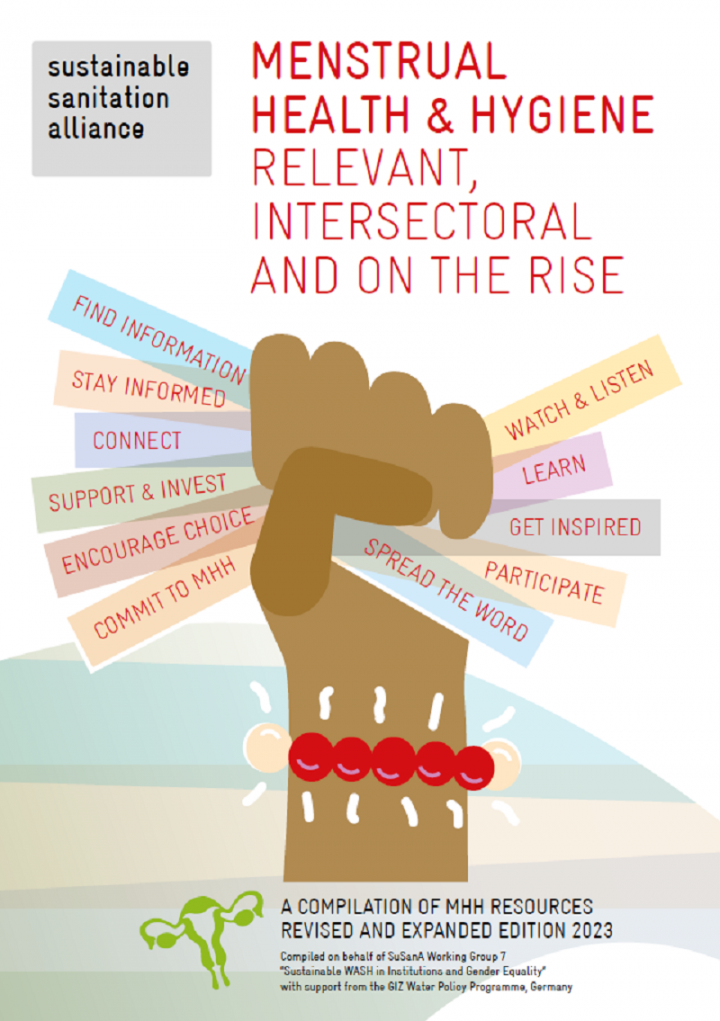
Credit: www.susana.org
Tracking Your Cycle
Understanding menstrual health is crucial for every woman. Tracking your cycle helps you know your body better and manage your health. Monitoring your period can reveal patterns and provide insights into your reproductive health. This guide will explore the best ways to track your cycle and the benefits of doing so.
Apps And Tools
Various apps and tools make tracking your menstrual cycle easy and convenient. These digital solutions provide personalized insights and reminders. Here are some popular options:
- Clue: This app offers a simple interface to log your period, symptoms, and moods. It uses this data to predict future cycles and ovulation.
- Flo: Flo not only tracks your period but also provides health tips and articles. It includes a pregnancy mode for those trying to conceive.
- Period Tracker: This app has a calendar view that helps visualize your cycle. It also allows for symptom and mood tracking.
These apps often come with extra features like:
| Feature | Description |
|---|---|
| Reminders | Receive notifications for upcoming periods and fertile days. |
| Health Insights | Get personalized health tips based on your logged data. |
| Community Support | Join forums and groups to discuss menstrual health. |
Using these tools helps you stay informed and prepared, making menstrual health management easier.
Benefits Of Tracking
Tracking your menstrual cycle offers numerous benefits for your overall health and well-being. Here are some key advantages:
- Predictability: Knowing your cycle helps you plan activities and manage daily life better. You can avoid surprises and be prepared with supplies.
- Health Monitoring: Regular tracking can reveal health issues like irregular periods or unusual symptoms. Early detection helps in seeking timely medical advice.
- Fertility Awareness: For those looking to conceive, tracking helps identify fertile days. It increases the chances of pregnancy by timing intercourse correctly.
- Symptom Management: Logging symptoms like cramps, mood swings, and headaches helps you understand patterns. This awareness allows for better management and treatment.
- Emotional Well-being: Being aware of your cycle can help explain mood changes. This understanding promotes emotional stability and self-awareness.
These benefits highlight the importance of regularly tracking your menstrual cycle. It empowers you with knowledge, helping you take control of your health.
References/further Reading
Menstrual health is a vital aspect of women’s well-being. Understanding it can lead to better health outcomes and improved quality of life. To dive deeper into the topic, this section provides a list of references and further reading materials. These resources will help you gain more knowledge and stay informed about menstrual health.
Citations:
The following sources were used to compile the information in this blog post:
- World Health Organization (WHO): The WHO offers comprehensive guidelines on menstrual health management. Their reports and publications provide insights into global health trends.
- National Institutes of Health (NIH): NIH’s research articles cover various aspects of menstrual health, including hormonal changes, menstrual disorders, and treatment options.
- American College of Obstetricians and Gynecologists (ACOG): ACOG provides clinical guidelines and educational materials on menstrual health. Their resources are valuable for both patients and healthcare providers.
- Journal of Women’s Health: This peer-reviewed journal publishes studies on women’s health issues, including menstrual health. It offers evidence-based research and reviews.
| Source | Type | Link |
|---|---|---|
| World Health Organization (WHO) | Guidelines/Reports | WHO |
| National Institutes of Health (NIH) | Research Articles | NIH |
| American College of Obstetricians and Gynecologists (ACOG) | Clinical Guidelines | ACOG |
| Journal of Women’s Health | Peer-reviewed Journal | Journal of Women’s Health |
Further Reading:
For those interested in exploring more about menstrual health, the following resources are highly recommended:
- Books:
- The Fifth Vital Sign by Lisa Hendrickson-Jack: This book explores how menstrual cycles can be an indicator of overall health.
- Period Repair Manual by Lara Briden: A practical guide to better periods using natural treatments.
- Websites:
- Menstrual Hygiene Day: This website offers resources and campaigns to promote menstrual hygiene management worldwide.
- Office on Women’s Health: A part of the U.S. Department of Health and Human Services, it provides extensive information on menstrual health.
Exploring these additional resources will deepen your understanding of menstrual health. They provide practical advice, scientific research, and personal stories. This knowledge can empower you to make informed health decisions.
Frequently Asked Questions
What Is The Meaning Of Menstrual Health?
Menstrual health refers to the complete physical, mental, and social well-being during the menstrual cycle. It includes hygiene, pain management, and emotional support. Proper menstrual health ensures a better quality of life.
What Is The Meaning Of Menstrual Health?
Menstrual health refers to the well-being during the menstrual cycle. It includes menstrual hygiene, pain management, and emotional health. Ensuring access to sanitary products, education, and healthcare support is crucial. Proper menstrual health impacts overall physical and mental well-being.
How Can I Have A Good Menstrual Health?
Maintain a balanced diet, exercise regularly, and stay hydrated. Track your cycle, manage stress, and get enough sleep. Consult a healthcare professional for any concerns.
How Can I Have A Good Menstrual Health?
Maintain a balanced diet, stay hydrated, exercise regularly, and manage stress. Use menstrual hygiene products properly. Consult a healthcare provider for any concerns.
Conclusion
Understanding menstrual health is crucial for overall well-being. Prioritize self-care and seek medical advice when needed. Empower yourself with knowledge and support. Share this information to help others. Let’s break the stigma and promote menstrual health awareness. Together, we can create a healthier future for everyone.