Reproductive Health Sexual and Reproductive Health

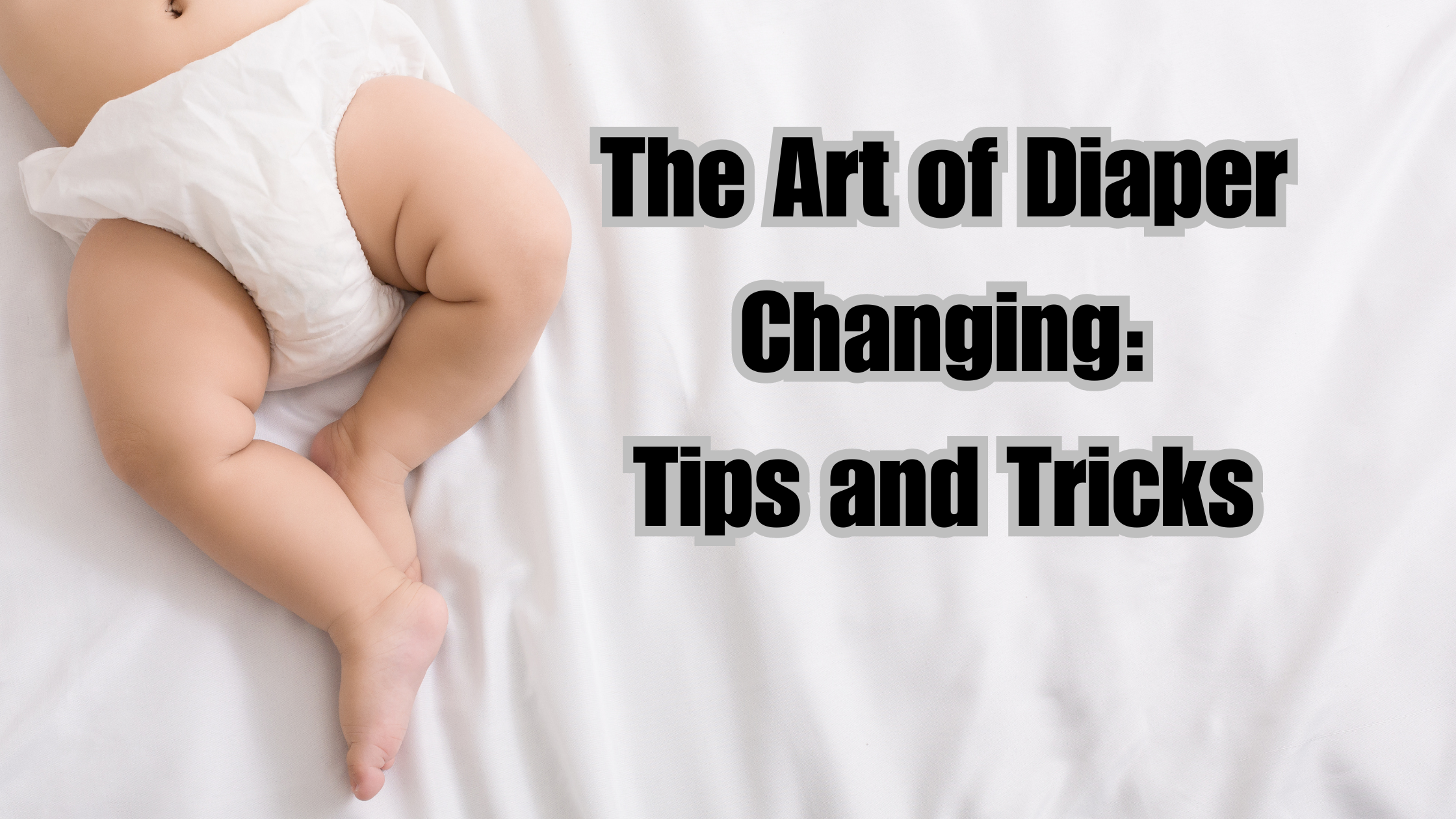
The art of diaper changing diapers is a part of everyday life for parents, but it doesn’t have to be stressful. With the right techniques and tricks, you can make this task easier for both you and your baby. Here are some simple tips to help you master diaper changing:
Be Prepared:
Get ready before changing your baby’s diaper by collecting all the necessary items, such as diapers, wipes, and a fresh changing pad or surface. Having everything prepared beforehand saves time and makes the process smoother. Ensure you have enough diapers and wipes within easy reach. Lay out a clean changing pad or choose a clean surface to change your baby on. This preparation prevents you from scrambling for supplies mid-change, allowing you to focus entirely on your baby’s comfort and cleanliness. Being organized helps streamline the diaper-changing routine, making it a more efficient and stress-free experience for both you and your baby.
Keep it Safe:
Ensure safety by washing your hands thoroughly both before and after changing your baby’s diaper to stop germs from spreading. Before starting the diaper change, wash your hands with soap and water to remove any bacteria or dirt. After completing the change, wash your hands again to keep yourself and your baby clean and healthy. This simple step helps to reduce the risk of infections and illnesses for both you and your little one. By maintaining good hand hygiene, you create a safer environment and minimize the chances of harmful germs entering your baby’s surroundings.
Use the Right Size:
Ensure you use the right-sized diaper for your baby to guarantee a snug fit and avoid any leakage issues. Check the weight and age recommendations on the diaper packaging to select the appropriate size. A properly fitting diaper provides comfort and security for your baby, reducing the likelihood of leaks and messes. Avoid using diapers that are too small, as they may be too tight and uncomfortable, while oversized diapers can lead to leaks. By choosing the correct size, you can ensure your baby stays dry and comfortable throughout the day, making diaper changes easier and more effective.
Be Quick:
Be speedy when changing your baby’s diaper to reduce any discomfort they might experience. Moving swiftly helps minimize the time your baby spends in a soiled diaper, preventing potential irritation and discomfort. Quickly removing the dirty diaper and replacing it with a clean one ensures your baby stays dry and comfortable. Additionally, fast diaper changes can help keep your baby happy and content, as they won’t have to endure prolonged discomfort. By being prompt and efficient during diaper changes, you can make the process smoother and more pleasant for both you and your baby.
Keep Them Distracted:
Keep your baby occupied by giving them a toy or singing a song while you change their diaper. Providing a distraction can help keep your baby calm and cooperative during diaper changes, making the process easier for both of you. Offering a colorful toy or engaging in a cheerful song can capture your baby’s attention, diverting their focus from the diaper change. This distraction technique can turn what might otherwise be a fussy moment into a more enjoyable and positive experience. By keeping your baby entertained, you can make diaper changes quicker and smoother while promoting a sense of comfort and security.
Clean Thoroughly:
Ensure thorough cleaning of your baby’s diaper area using wipes to prevent diaper rash and irritation. Gently wipe the entire area, including the folds and creases, to remove any residue and bacteria that could lead to discomfort or skin problems. Paying attention to cleanliness helps maintain your baby’s skin health and hygiene. By keeping the diaper area clean and dry, you can reduce the risk of irritation and discomfort, promoting your baby’s overall well-being. Regular cleaning with wipes during diaper changes is an essential part of maintaining good hygiene and preventing skin issues for your little one.
Dispose Properly:
After completing the diaper change, ensure proper disposal by placing the used diaper in a diaper pail or trash can. Proper disposal helps maintain cleanliness and hygiene in your baby’s environment. Seal the diaper tightly before disposing of it to contain any odors. This practice also helps to keep your home smelling fresh and clean. By disposing of diapers properly, you contribute to a tidy and sanitary living space for you and your family. Additionally, it reduces the risk of contamination and helps to keep unwanted odors at bay.
By following these simple tips, you can master diaper changing and make it a hassle-free experience for both you and your baby.
FAQ’s:
Q: How often should I change my baby’s diaper?
A: It’s recommended to change your baby’s diaper every 2 to 3 hours, or as soon as it’s soiled, to keep their skin dry and prevent diaper rash.
Q: What should I do if my baby develops a diaper rash?
A: If your baby develops a diaper rash, try using diaper rash cream or ointment, keep the diaper area clean and dry, and consider giving your baby some diaper-free time to allow the skin to breathe.
Q: How can I prevent diaper leaks?
A: To prevent diaper leaks, ensure you’re using the right-sized diaper for your baby, check the fit around the legs and waist, and change diapers promptly when they become wet or soiled.
Q: Is it necessary to use disposable wipes, or can I use cloth wipes instead?
A: Both disposable wipes and cloth wipes are suitable options. If using cloth wipes, make sure to wash them thoroughly after each use with gentle detergent and hot water to maintain hygiene.
Resources:
- American Academy of Pediatrics (AAP) – Diapering Your Baby: https://www.healthychildren.org/English/ages-stages/baby/diapers-clothing/Pages/Diapering-Your-Baby.aspx
- Mayo Clinic – Diapering: Tips for Picking the Right Diaper Changing Spot: https://www.mayoclinic.org/healthy-lifestyle/infant-and-toddler-health/in-depth/diapering/art-20045963
- Centers for Disease Control and Prevention (CDC) – Diaper Changing Stations: https://www.cdc.gov/parents/essentials/infants/safehealthy/childcare/diaperchangingstations.html
- National Diaper Bank Network – Diaper Need: https://nationaldiaperbanknetwork.org/diaper-need/
- WebMD – Diapering Your Baby: https://www.webmd.com/parenting/baby/diapering-your-baby