Reproductive Health Sexual and Reproductive Health

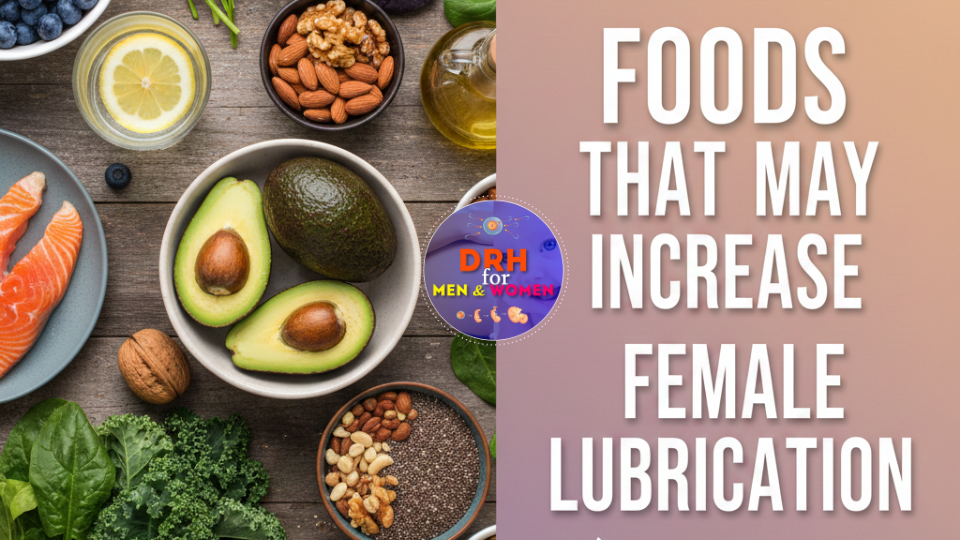
What to Eat to Increase Female Lubrication
Female lubrication plays a vital role in sexual health and pleasure, yet many people are hesitant to talk about it. Natural lubrication reduces friction during intercourse, making it more comfortable and enjoyable while also preventing irritation and injury. When lubrication is insufficient, it can lead to pain, discomfort, and a decreased interest in sex.
Fortunately, diet can have a significant impact on your body’s ability to produce natural lubrication. Just as the food you eat affects your skin, energy levels, and overall health, it also influences your vaginal health. This post will explore the biological process behind female lubrication and share specific foods that can help increase vaginal moisture naturally. We will also cover lifestyle tips and foods to avoid, giving you a complete guide to enhancing your sexual well-being through nutrition.
Understanding Female Lubrication
Female lubrication is a clear fluid secreted by glands located around the vagina. This process, known as transudation, is triggered by sexual arousal. When you’re aroused, blood flow to the genitals increases, causing the blood vessels in the vaginal walls to swell. This pressure forces fluid through the vaginal lining, creating natural lubrication.
Several factors can affect this process. Hormonal fluctuations, particularly changes in estrogen levels during menopause, pregnancy, or breastfeeding, can lead to vaginal dryness. Stress, certain medications (like antihistamines and antidepressants), and medical conditions can also reduce lubrication. Understanding these factors is the first step toward addressing them, and diet offers a powerful and natural way to support your body’s functions.
Foods That Promote Hydration
Since natural lubrication is primarily made of water, staying hydrated is essential. Drinking plenty of water throughout the day is the most direct way to support your body’s fluid levels, but you can also get a significant amount of water from the foods you eat. Incorporating water-rich foods into your diet is an easy way to boost hydration and support vaginal moisture.
Foods to Try:
- Cucumber: Composed of about 96% water, cucumbers are an excellent source of hydration. They’re also rich in antioxidants and nutrients like vitamin K.
- Watermelon: This summer favorite is more than 90% water and contains lycopene, an antioxidant that benefits heart and skin health.
- Spinach: Along with being hydrating, spinach is packed with magnesium, which can help reduce inflammation and improve blood flow—both important for arousal and lubrication.
Foods Rich in Essential Fatty Acids
Essential fatty acids, particularly omega-3s, are crucial for overall health and play a specific role in maintaining vaginal moisture. These healthy fats help support the mucous membranes of the body, including the vaginal lining. A diet rich in omega-3s can help improve blood flow and reduce inflammation, contributing to better lubrication.
Foods to Try:
- Salmon: A well-known source of omega-3 fatty acids, salmon helps keep your cardiovascular system healthy, which is vital for proper blood flow to the genitals.
- Flaxseeds: These small seeds are one of the best plant-based sources of omega-3s. Add a tablespoon to your smoothie, yogurt, or oatmeal.
- Chia Seeds: Like flaxseeds, chia seeds are packed with omega-3s and fiber. They absorb water to form a gel-like substance, which can also contribute to hydration.
- Walnuts: A great snack on their own or added to salads, walnuts provide a healthy dose of omega-3s and other essential nutrients.
Foods High in Vitamin E
Vitamin E is a fat-soluble antioxidant that is particularly important for skin and mucous membrane health. It helps protect cells from damage and has been shown to improve moisture levels in the body. For vaginal health, Vitamin E can help maintain the integrity and suppleness of the vaginal tissue, which aids in natural lubrication.
Foods to Try:
- Almonds: A handful of almonds is a convenient and tasty way to get a significant amount of Vitamin E.
- Sunflower Seeds: These seeds are another excellent source of Vitamin E. Sprinkle them on salads or enjoy them as a snack.
- Avocado: Famous for its healthy fats, avocado is also rich in Vitamin E. It’s a versatile food that can be added to toast, salads, or smoothies.
Phytoestrogen-Rich Foods
Phytoestrogens are plant-based compounds that mimic the effects of estrogen in the body. Since estrogen plays a key role in maintaining vaginal lubrication and tissue health, consuming foods with phytoestrogens can be beneficial, especially for those with low estrogen levels due to menopause or other hormonal changes.
However, it’s important to consume these foods in moderation, as their hormonal effects can be complex. If you have a history of hormone-sensitive conditions, it’s a good idea to speak with a healthcare provider before significantly increasing your intake.
Foods to Try:
- Soybeans and Tofu: Soy is one of the most well-known sources of phytoestrogens. Opt for whole soy foods like edamame, tofu, and tempeh.
- Lentils: These legumes are not only a great source of protein and fiber but also contain phytoestrogens.
Probiotic Foods
A healthy balance of bacteria in the vagina, known as the vaginal flora, is essential for preventing infections and maintaining an optimal pH level. An imbalance can lead to discomfort, dryness, and a higher risk of conditions like bacterial vaginosis or yeast infections. Probiotic foods introduce beneficial bacteria into your gut, which can positively influence your vaginal microbiome.
Foods to Try:
- Yogurt: Look for plain, unsweetened yogurt with live and active cultures.
- Kefir: This fermented milk drink is a potent source of probiotics.
- Kimchi and Sauerkraut: These fermented vegetable dishes are excellent for gut health.
Foods to Avoid
Just as some foods can improve vaginal health, others can have a negative impact. Highly processed foods, sugary snacks, and excessive alcohol or caffeine can contribute to inflammation and dehydration, potentially worsening vaginal dryness.
- Sugar: High sugar intake can disrupt the delicate balance of your vaginal flora, leading to yeast infections.
- Processed Foods: These often contain unhealthy fats and additives that can promote inflammation throughout the body.
- Alcohol and Caffeine: Both are diuretics, meaning they can cause your body to lose water and lead to dehydration.
Small Changes, Big Impact
Your diet is a powerful tool for supporting your sexual health. By incorporating foods that promote hydration, provide essential fatty acids, and support a healthy hormonal balance, you can naturally increase female lubrication and enhance your overall well-being.
Remember that consistency is key. Making these foods a regular part of your diet, staying hydrated, and leading a healthy lifestyle will yield the best results. If you continue to experience persistent vaginal dryness or discomfort, it’s always a good idea to consult with a healthcare professional to rule out any underlying medical conditions.