 Reproductive Health Sexual and Reproductive Health
What Is the Average Size of a Man’s Private?
The question of penis size is one of the most common curiosities about male anatomy. For many, it’s a source of anxiety, comparison, and endless online searches. This topic is surrounded by myths and misinformation, often leading to unrealistic expectations and body image concerns.
This article aims to provide a clear, evidence-based answer to the question, “What is the average size of a man’s private life?” We will look at scientific studies, explore the factors that influence size, and debunk common myths. By the end, you will have a better understanding of penis size statistics and the importance of focusing on overall well-being rather than just one aspect of anatomy.
What Does “Average” Even Mean?
Before we dive into the numbers, it’s important to understand the challenges of defining an “average” penis size. Most studies rely on self-reported data, which can be unreliable. Men may misremember or intentionally misreport their measurements. Furthermore, measurement techniques can vary significantly. Factors like room temperature, arousal level, and whether a measurement is taken by the individual or a medical professional can all affect the results.
To get the most accurate penis size statistics, scientists prefer studies where measurements are taken by trained researchers using standardized methods. This ensures consistency and reduces the potential for bias. Even with these controls, it’s crucial to remember that “average” is just a midpoint in a wide and perfectly normal range of sizes.
The Data: What Do Studies Show?
Several large-scale studies have attempted to determine the average penis size. One of the most comprehensive reviews was published in the British Journal of Urology International (BJUI). Researchers analyzed data from over 15,500 men whose measurements were taken by health professionals.
Here’s what they found:
- Average Flaccid Length: 3.61 inches (9.16 cm)
- Average Flaccid Girth: 3.66 inches (9.31 cm)
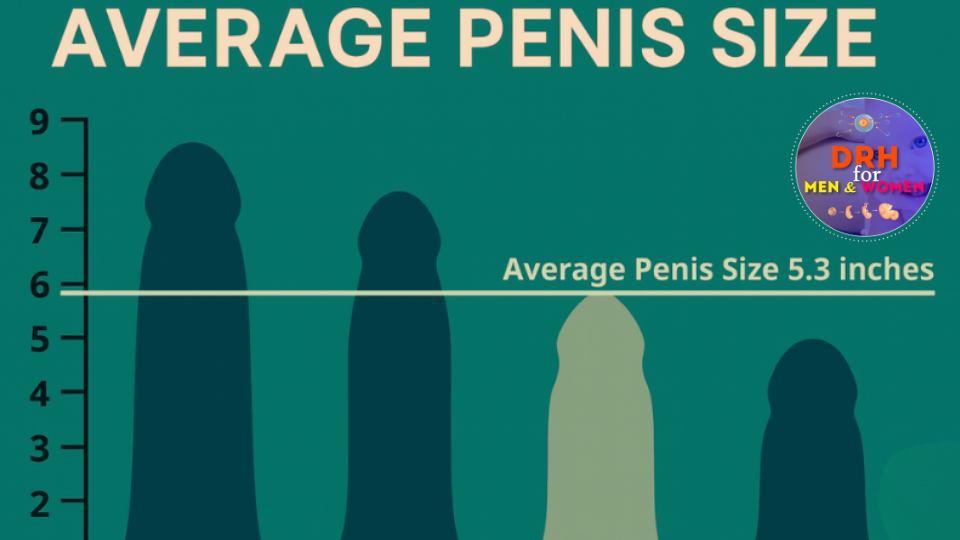
- Average Erect Length: 5.16 inches (13.12 cm)
- Average Erect Girth: 4.59 inches (11.66 cm)
These figures represent the statistical mean, but it’s important to look at the full spectrum. The study showed that only a small percentage of men fall into the “very large” or “very small” categories. For instance, only 5% of men have an erect penis longer than 6.3 inches (16 cm), and similarly, only 5% have one shorter than 3.94 inches (10 cm). This means the vast majority of men are within a relatively narrow range around the average.
Factors That Influence Penis Size
Curiosity often leads to another question: what determines penis size? The answer is complex, involving a mix of genetic and hormonal factors.
- Genetics: Your genetic makeup is the primary determinant of your physical characteristics, including penis size. Just like height and shoe size, the size of your penis is largely inherited from your parents.
- Hormones: Hormones, particularly testosterone, play a crucial role during fetal development and puberty. The presence and balance of these hormones influence the growth of the male reproductive organs.
- Age and Health: While penis size is generally established after puberty, certain health conditions can affect its appearance. For example, weight gain can create a “suprapubic fat pad” that may make the penis appear shorter. Age-related changes and conditions like Peyronie’s disease (which causes curved, painful erections) can also alter penis size and shape.
Dispelling Common Myths
The conversation around penis size is filled with persistent myths that contribute to anxiety and insecurity. Let’s address a few of the most common ones.
Myth 1: You Can Tell a Man’s Penis Size by His Height or Shoe Size
This is perhaps the most famous myth, but multiple studies have debunked it. A 2002 study published in the West African Journal of Medicine found no statistically significant correlation between penis size and the size of other body parts like feet, hands, or height. Male anatomy is unique to each individual, and there are no reliable external indicators of penis size.
Myth 2: Penis Size Is the Most Important Factor in Sexual Pleasure
While many people worry about this, research shows that penis size is not a primary factor for sexual satisfaction for most partners. A study from the University of California, Los Angeles, found that 85% of women were satisfied with their partner’s penis size. Emotional intimacy, communication, and sexual technique are consistently ranked as more important for a fulfilling sexual relationship.
Myth 3: Products and Techniques Can Permanently Increase Penis Size
The internet is flooded with advertisements for pills, pumps, exercises, and surgeries promising to increase penis size. The vast majority of these are ineffective and, in some cases, can be harmful. The American Urological Association states that most non-surgical methods do not work, and surgical procedures carry significant risks, including infection, scarring, and loss of sensation.
Focusing on Health and Body Positivity
The fixation on penis size often stems from broader societal pressures and unrealistic portrayals in media and pornography. This can lead to body dysmorphic disorder (BDD), a mental health condition where a person spends a lot of time worrying about flaws in their appearance.
It’s far more beneficial to focus on what you can control: your overall health and well-being.
- Maintain a Healthy Weight: A healthy lifestyle, including regular exercise and a balanced diet, can improve your confidence and overall health. Reducing excess belly fat can also make your penis appear longer.
- Practice Self-Acceptance: Recognize that there is a wide range of normal when it comes to the human body. Learning to accept and appreciate your body for what it can do is a powerful step toward better mental health.
- Communicate with Your Partner: Open and honest communication is the foundation of a healthy sexual relationship. Talking about desires, concerns, and preferences will do more for your sex life than worrying about size.
Your Health Is More Than a Number
The evidence is clear: the average penis size is likely smaller than many people assume, and the vast majority of men fall within a normal range. More importantly, penis size has little to do with sexual satisfaction or masculinity.
Instead of focusing on a single measurement, it’s more productive to prioritize overall physical and mental health. A healthy lifestyle, strong relationships, and self-confidence are far better indicators of a fulfilling life. If you find that anxiety about your body is impacting your daily life, consider speaking with a doctor or a mental health professional. They can provide support and help you develop a healthier perspective.


