Reproductive Health Sexual and Reproductive Health

Low testosterone treatment often involves hormone replacement therapy or lifestyle changes. Consult a healthcare provider for personalized advice.
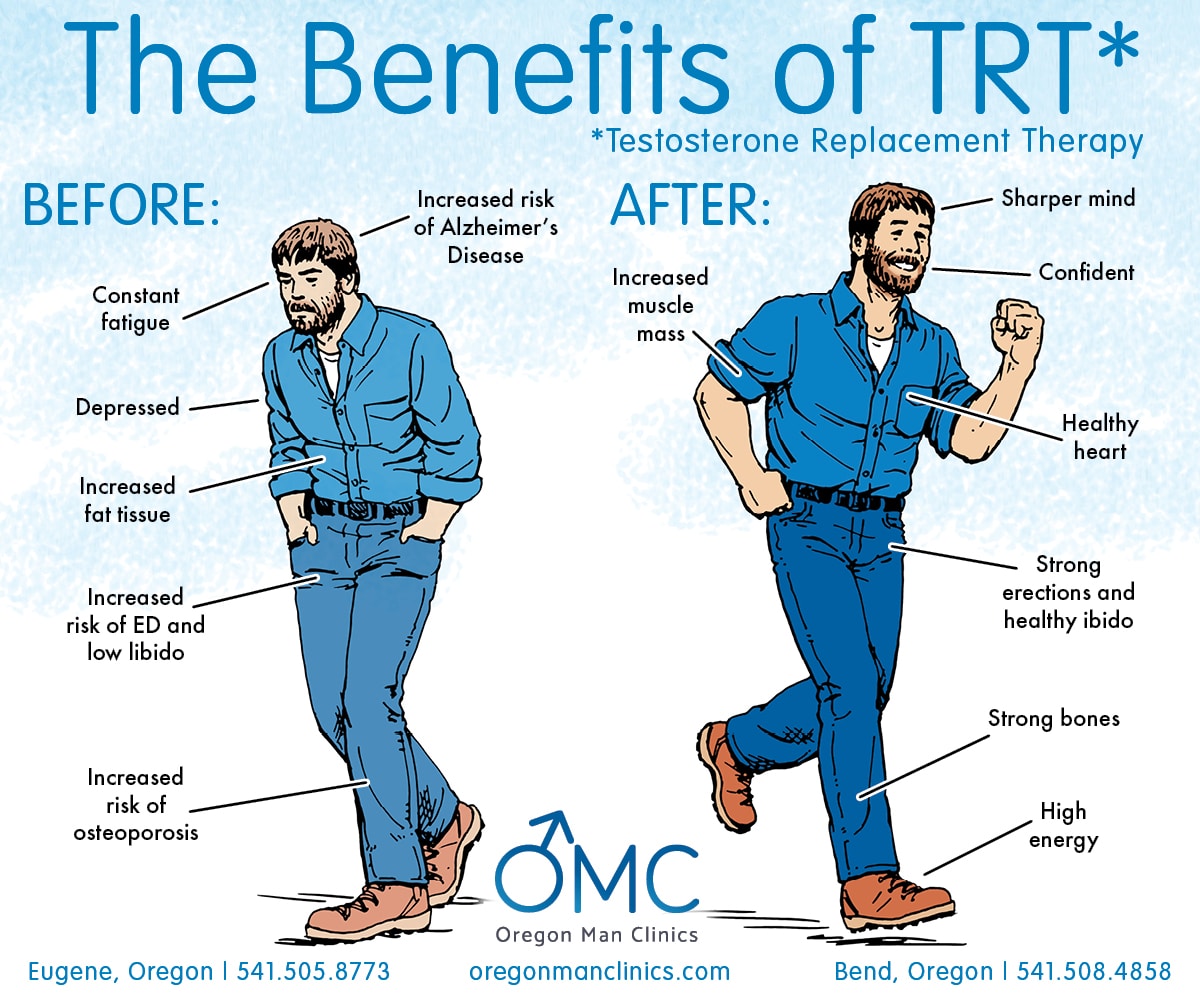
Low testosterone, or low T, can impact energy levels, mood, and overall well-being. Men experiencing symptoms like fatigue, reduced libido, or depression should consider seeking medical advice. Hormone replacement therapy (HRT) is a common treatment, involving injections, gels, or patches to restore hormone levels.
Lifestyle changes, such as exercise, weight loss, and a balanced diet, can also help. Regular check-ups ensure effective management and adjustment of treatment. Combining medical and lifestyle approaches often yields the best results, improving both physical and mental health. Always discuss options with a healthcare provider to tailor the treatment to individual needs.
Introduction To Low Testosterone
Low testosterone, also known as low T, is a common condition. It affects many men, especially as they age. Testosterone is a vital hormone in the male body. It plays a key role in muscle mass, bone density, and sex drive. When levels drop, it can impact your health and quality of life.
Symptoms And Signs
Low testosterone has many symptoms. Here are some common signs:
- Fatigue
- Low sex drive
- Erectile dysfunction
- Mood changes
- Depression
- Loss of muscle mass
- Increased body fat
These symptoms can vary in severity. Some men may have mild symptoms. Others may find them more disruptive.
Causes And Risk Factors
Low testosterone can be caused by various factors. Some common causes include:
- Aging
- Injury to the testicles
- Chronic illness
- Obesity
- Certain medications
Risk factors can increase the likelihood of low testosterone. These include:
- Being over 40
- Having diabetes
- High blood pressure
- High cholesterol
Understanding these causes and risk factors can help in managing low testosterone.
Diagnosis Methods
Identifying low testosterone levels is crucial for effective treatment. Various diagnosis methods help determine the best course of action. This section explores the most common methods used by healthcare professionals.
Blood Tests
Blood tests are the most reliable way to measure testosterone levels. They are usually conducted in the morning. This is because testosterone levels are highest during this time.
| Test Type | Description |
|---|---|
| Total Testosterone | Measures total amount of testosterone in the blood. |
| Free Testosterone | Measures testosterone not attached to proteins. |
| Bioavailable Testosterone | Measures testosterone easily used by the body. |
Doctors may ask for multiple blood tests to confirm the diagnosis. Factors like stress and illness can affect testosterone levels.
Physical Examination
A physical examination provides additional insights. The doctor checks for signs of low testosterone. These signs include loss of muscle mass and increased body fat.
- Examine testicles for size and consistency.
- Check body hair growth.
- Assess muscle strength and tone.
The doctor may also ask about symptoms such as fatigue and mood changes. This helps in understanding the impact on daily life.
Both blood tests and physical examinations are essential for an accurate diagnosis. Together, they provide a comprehensive view of testosterone levels and their effects.
Lifestyle Changes
Making lifestyle changes can improve low testosterone levels. Simple steps like adjusting your diet and staying active can make a big difference. Here are some key lifestyle changes to consider:
Dietary Adjustments
Eating the right foods helps boost testosterone. Focus on a balanced diet rich in nutrients. Here are some dietary tips:
- Protein-Rich Foods: Include lean meats, fish, and eggs.
- Healthy Fats: Avocados, nuts, and olive oil are good choices.
- Vegetables and Fruits: These provide essential vitamins and minerals.
- Whole Grains: Oats, quinoa, and brown rice are excellent.
Exercise And Fitness
Regular exercise can help boost testosterone levels. Here are some fitness tips:
- Strength Training: Lifting weights helps increase muscle mass.
- Cardio Workouts: Running, cycling, and swimming improve heart health.
- High-Intensity Interval Training (HIIT): Short bursts of intense exercise followed by rest.
- Consistency: Exercise regularly for the best results.
| Food Type | Examples | Benefits |
|---|---|---|
| Protein | Chicken, Fish, Eggs | Builds Muscle |
| Healthy Fats | Avocado, Nuts | Supports Hormone Production |
| Vegetables | Spinach, Broccoli | Provides Nutrients |
| Whole Grains | Oats, Brown Rice | Energy Source |
:max_bytes(150000):strip_icc()/Low-testosterone-5216619_txt_final-f54332d26a124869bb49e110d5d09d2f.png)
Credit: www.verywellhealth.com
Testosterone Replacement Therapy
Testosterone Replacement Therapy (TRT) is a medical treatment. It helps men with low testosterone levels. The therapy can improve energy, mood, and muscle mass. There are different methods to administer TRT. Let’s explore some common ones.
Injections
Injections are a popular method for testosterone therapy. They deliver testosterone directly into the bloodstream. This method provides a quick boost in testosterone levels. Injections are usually given every one to two weeks. They require a visit to the doctor or self-administration at home.
Benefits of injections include:
- Immediate effect
- Long-lasting results
- Cost-effective
Some possible side effects:
- Pain at the injection site
- Fluctuating hormone levels
- Risk of infection
Gels And Patches
Gels and patches are another method of TRT. These are applied to the skin. The testosterone is absorbed through the skin into the bloodstream. Gels are usually applied daily, while patches can be worn for 24 hours.
Benefits of gels and patches include:
- Easy to use
- Steady hormone levels
- Less invasive than injections
Some possible side effects:
- Skin irritation
- Risk of transfer to others
- Need for daily application
| Method | Frequency | Benefits | Side Effects |
|---|---|---|---|
| Injections | Every 1-2 weeks | Immediate effect, Long-lasting, Cost-effective | Pain, Fluctuating levels, Infection risk |
| Gels and Patches | Daily or 24 hours | Easy to use, Steady levels, Less invasive | Skin irritation, Transfer risk, Daily use needed |
Choosing the right method depends on personal preference and medical advice. Both injections and gels/patches have their pros and cons. Consult your doctor to find the best option for you.
Oral Medications
Oral medications play a significant role in the treatment of low testosterone. These medications offer a convenient and non-invasive option for those seeking to boost their testosterone levels. In this section, we will explore the pros and cons of oral medications, and provide a list of some common brands available in the market.
Pros And Cons
| Pros | Cons |
|---|---|
|
|
Common Brands
Several brands offer oral medications for low testosterone. Here are some of the most popular ones:
- Andriol: Known for its easy absorption.
- Jatenzo: Offers a convenient dosing schedule.
- Methyltestosterone: Widely used but requires careful monitoring.
- Testred: Effective but may have more side effects.
These brands provide a variety of options, each with its own advantages and drawbacks. Always consult a healthcare provider before starting any medication.
Natural Supplements
Low testosterone can affect many aspects of health. Natural supplements offer a safe way to improve testosterone levels. These supplements can boost energy, mood, and muscle growth. Here, we explore the benefits of natural supplements for low testosterone treatment.

Herbal Remedies
Herbal remedies have been used for centuries. They can help increase testosterone levels. Here are some popular herbs:
- Fenugreek: Boosts libido and testosterone levels.
- Ashwagandha: Reduces stress and supports hormone balance.
- Tribulus Terrestris: Enhances libido and testosterone production.
These herbs can be taken as capsules, teas, or powders. Always follow the recommended dosage for best results.
Vitamins And Minerals
Vitamins and minerals are crucial for hormone production. They support overall health and well-being. Key vitamins and minerals include:
| Vitamin/Mineral | Benefits |
|---|---|
| Vitamin D | Boosts testosterone levels and bone health. |
| Zinc | Supports testosterone production and immune function. |
| Magnesium | Improves testosterone levels and muscle function. |
Include these vitamins and minerals in your daily diet. They can be found in foods or taken as supplements.
Mental Health Support
Low testosterone levels can affect mental health. Feeling anxious, depressed, or irritable? These symptoms are common. Addressing mental health is crucial for overall well-being.
Therapy Options
Therapy can help manage low testosterone symptoms. Talking to a therapist is beneficial. Therapists provide coping strategies. Cognitive Behavioral Therapy (CBT) is effective. Group therapy offers peer support.
- Cognitive Behavioral Therapy (CBT): Helps reframe negative thoughts.
- Group Therapy: Connects you with others facing similar issues.
- Individual Therapy: One-on-one sessions for personalized support.
Stress Management
Stress impacts testosterone levels. Managing stress is crucial. Practice relaxation techniques like meditation. Regular exercise reduces stress. Deep breathing exercises calm the mind.
| Technique | Benefit |
|---|---|
| Meditation | Reduces anxiety and stress. |
| Exercise | Improves mood and lowers stress. |
| Deep Breathing | Calms the mind instantly. |
Integrate these techniques into your daily routine. They help maintain a balanced mental state.
Sleep And Rest
Good sleep is essential for low testosterone treatment. Rest helps the body recover and maintain balanced hormone levels. Let’s explore how quality sleep and proper sleep hygiene can support this treatment.
Importance Of Quality Sleep
Quality sleep plays a vital role in hormone regulation. Without enough sleep, testosterone levels can drop. Poor sleep affects mood, energy, and overall health.
Aim for at least 7-8 hours of sleep each night. This helps maintain optimal testosterone levels. Consistent sleep patterns lead to better treatment outcomes.
Sleep Hygiene Tips
- Set a Consistent Schedule: Go to bed and wake up at the same time daily.
- Create a Relaxing Bedtime Routine: Read a book, take a warm bath, or meditate before bed.
- Avoid Electronics: Turn off screens at least an hour before bedtime.
- Make Your Bedroom Comfortable: Keep the room dark, quiet, and cool.
- Limit Caffeine and Alcohol: Avoid these substances in the evening as they can disrupt sleep.
Follow these tips to improve sleep quality. Better sleep supports low testosterone treatment effectively.
Alternative Treatments
Low testosterone can impact daily life. Traditional treatments work, but some people prefer alternatives. These options can be natural and holistic.
Acupuncture
Acupuncture uses tiny needles to stimulate specific points on the body. This ancient Chinese practice can balance energy levels. Some believe it can help boost testosterone. Sessions are often relaxing and stress-relieving. Studies show mixed results, but many people find it beneficial.
Massage Therapy
Massage therapy can reduce stress and improve circulation. These benefits may help with testosterone levels. Relaxation is key in massage therapy. It can also improve sleep, which is vital for hormone health. Various massage techniques are available.
| Technique | Benefit |
|---|---|
| Swedish Massage | Relaxation and stress relief |
| Deep Tissue Massage | Improves blood flow |
| Sports Massage | Reduces muscle tension |
Monitoring Progress
Monitoring progress is vital in low testosterone treatment. Regular assessments help ensure effectiveness. Adjustments can be made if needed. This section covers key aspects of monitoring progress.
Regular Check-ups
Regular check-ups are crucial. They allow doctors to track your response to treatment. These visits ensure that your testosterone levels remain optimal.
During check-ups, doctors perform various tests. These tests include blood tests to measure testosterone levels. They also check other important health markers.
A typical check-up schedule might look like this:
| Time Frame | Activity |
|---|---|
| First Month | Initial assessment and blood tests |
| Every 3 Months | Follow-up blood tests and symptom review |
| Yearly | Comprehensive health check |
Tracking Symptoms
Tracking symptoms is equally important. It helps gauge treatment effectiveness. Symptoms to monitor include:
- Energy levels
- Mood changes
- Sex drive
- Muscle mass
- Sleep quality
Keep a symptom diary. Note changes daily. This helps your doctor make informed decisions.
Use a simple format like this:
| Date | Symptom | Severity (1-10) |
|---|---|---|
| 01/01/2023 | Fatigue | 5 |
| 01/02/2023 | Mood Swings | 6 |
This data helps track progress over time. It also highlights patterns and triggers.
Potential Side Effects
Low testosterone treatment can bring many benefits. However, it’s essential to be aware of the potential side effects. Understanding these can help you make an informed decision about your health. Let’s dive into the short-term and long-term effects of low testosterone treatment.
Short-term Effects
Short-term effects are usually mild but can vary among individuals. Here are some common short-term side effects:
- Acne and oily skin: Some people may experience skin changes.
- Fluid retention: This can cause swelling in different body parts.
- Sleep disturbances: Insomnia or changes in sleep patterns can occur.
- Mood swings: Emotional changes such as irritability or anxiety.
- Increased red blood cells: This can lead to a condition called polycythemia.
It’s crucial to monitor these symptoms and communicate with your healthcare provider if they persist.
Long-term Effects
Long-term effects are less common but can have significant impacts. Here are some potential long-term side effects:
- Cardiovascular problems: There may be an increased risk of heart disease.
- Liver damage: Continuous use can affect liver function.
- Infertility: Testosterone therapy can reduce sperm production.
- Prostate growth: It may cause non-cancerous growth in the prostate.
- Blood clots: There is a risk of developing blood clots in veins.
Discussing these potential side effects with your doctor can help you weigh the risks and benefits. Regular check-ups and monitoring can minimize these risks and ensure your safety during treatment.
Credit: oregonmanclinics.com
Success Stories
Low testosterone can impact daily life significantly. Knowing this, many seek effective treatments. Here, we share inspiring success stories. These stories show the power of modern treatments.
Personal Experiences
John’s Journey: John felt tired and irritable daily. He struggled with low energy. After consulting a specialist, he started testosterone therapy. Within weeks, he noticed increased energy and improved mood. John now enjoys his life again.
Maria’s Transformation: Maria faced sudden weight gain and low libido. After starting treatment, she lost weight and regained her drive. Her confidence soared, and she felt young again.
Expert Testimonials
Dr. Smith: “I have seen numerous patients benefit from testosterone therapy. It improves energy, mood, and overall well-being. Proper treatment can change lives.”
Dr. Johnson: “Low testosterone is common but treatable. With modern therapies, patients can experience significant improvements. It’s rewarding to see their transformations.”
| Person | Symptoms | Outcome |
|---|---|---|
| John | Tiredness, Irritability | Increased energy, Better mood |
| Maria | Weight gain, Low libido | Weight loss, Increased drive |
These stories highlight the effectiveness of low testosterone treatments. They bring hope to those struggling. Consult with an expert to explore these options. Transform your life with the right treatment.
Common Myths
Low testosterone treatment has been surrounded by numerous myths and misconceptions. These myths often prevent individuals from seeking the help they need. Understanding the facts can help you make informed decisions.
Debunking Misconceptions
Many people believe that low testosterone treatment is only for older men. This is not true. Men of various ages can suffer from low testosterone levels. Treatment can benefit young and older men alike. Another myth is that testosterone therapy causes aggressive behavior. This misconception stems from outdated studies and exaggerated media reports. In reality, most patients report improved mood and well-being.
Facts Vs. Fiction
| Myth | Fact |
|---|---|
| Testosterone therapy is dangerous. | Testosterone therapy is safe under medical supervision. |
| Only men need testosterone therapy. | Women can also benefit from testosterone therapy. |
| Testosterone therapy leads to infertility. | Testosterone therapy does not necessarily cause infertility. |
Some believe that testosterone therapy will result in large muscles instantly. This is fiction. While it can help increase muscle mass, it’s not a magic solution. Regular exercise and proper diet are essential. Others think it will cure all symptoms immediately. While it can alleviate many symptoms, the effects take time. Consistency and following the doctor’s advice are key.
Finding The Right Doctor
Choosing the right doctor for low testosterone treatment is crucial. A specialist can provide accurate diagnosis and effective treatments. This section will guide you on how to find the right doctor.
Specialist Search
Searching for a specialist is the first step. Look for endocrinologists and urologists. They have expertise in hormone-related issues. Use online directories and reviews to find top-rated doctors. Also, ask for recommendations from friends and family.
Questions To Ask
When you meet a potential doctor, prepare a list of questions. Here are some essential ones:
- How many patients have you treated with low testosterone?
- What are the common side effects of the treatments?
- How long will the treatment take to show results?
- Do you offer lifestyle advice along with medication?
- What are the costs involved in the treatment?
These questions help you understand the doctor’s experience and approach. Choosing the right doctor ensures you receive the best care.
Future Of Treatments
The future of low testosterone treatment looks promising. Many advances in medical science are leading to innovative solutions. Exciting research is underway, aiming to offer more effective and safer treatments.
Innovative Research
Scientists are exploring new ways to boost testosterone levels. Gene therapy is a cutting-edge approach. It involves altering genes to improve hormone production. This could offer a long-term solution for low testosterone.
Another area of focus is stem cell therapy. Researchers are studying how stem cells can regenerate damaged tissues. This could help the body produce more testosterone naturally.
Medications are also evolving. New drugs are being developed to target specific pathways in the body. These drugs aim to stimulate testosterone production with fewer side effects.
Upcoming Solutions
Wearable technology is entering the healthcare space. Devices that monitor testosterone levels in real-time are in development. These wearables could provide instant feedback and personalized treatment plans.
Another promising solution is nanotechnology. Scientists are working on nanoparticles that deliver medication directly to target cells. This could make treatments more efficient and reduce unwanted side effects.
Researchers are also exploring the role of diet and lifestyle in managing low testosterone. Nutritional supplements and exercise programs tailored to boost hormone levels are gaining attention.
| Future Treatment | Benefit |
|---|---|
| Gene Therapy | Long-term hormone production |
| Stem Cell Therapy | Natural regeneration of tissues |
| Wearable Technology | Real-time monitoring |
| Nanotechnology | Targeted drug delivery |
| Diet and Lifestyle | Natural hormone boost |
Credit: www.health.harvard.edu
Frequently Asked Questions
What Is The Best Treatment For Low Testosterone?
The best treatment for low testosterone is testosterone replacement therapy (TRT). Consult a doctor for personalized treatment options. Regular exercise and a healthy diet also help.
What Happens If Low Testosterone Goes Untreated?
Untreated low testosterone can lead to fatigue, depression, reduced muscle mass, and decreased libido. It may also cause osteoporosis.
How To Improve Testosterone Naturally?
Improve testosterone naturally by exercising regularly, eating a balanced diet, getting enough sleep, reducing stress, and maintaining a healthy weight.
What Foods Boost Testosterone?
Foods that boost testosterone include eggs, lean meats, fatty fish, nuts, seeds, spinach, and avocados. These foods provide essential nutrients like zinc, vitamin D, and healthy fats that support testosterone production. Eating a balanced diet with these foods can naturally enhance testosterone levels.
Conclusion
Treating low testosterone can significantly improve your quality of life. Consult a healthcare professional for personalized advice. Early intervention is key to managing symptoms effectively. Explore various treatment options and choose what suits you best. Remember, taking action now leads to better health and well-being.