Reproductive Health Sexual and Reproductive Health
The male sexual organs include the penis, testes, vas deferens, and prostate gland. These organs play key roles in reproduction and sexual function.
The penis is the external organ involved in sexual intercourse and urination. The testes produce sperm and testosterone, essential for male fertility and secondary sexual characteristics. The vas deferens transports sperm from the testes to the urethra. The prostate gland contributes fluid to the semen, aiding sperm motility and viability.
Understanding these organs and their functions is crucial for reproductive health. Proper care and regular check-ups can help maintain their health and prevent potential issues. A balanced diet, regular exercise, and avoiding harmful substances can contribute to the overall well-being of male sexual organs.
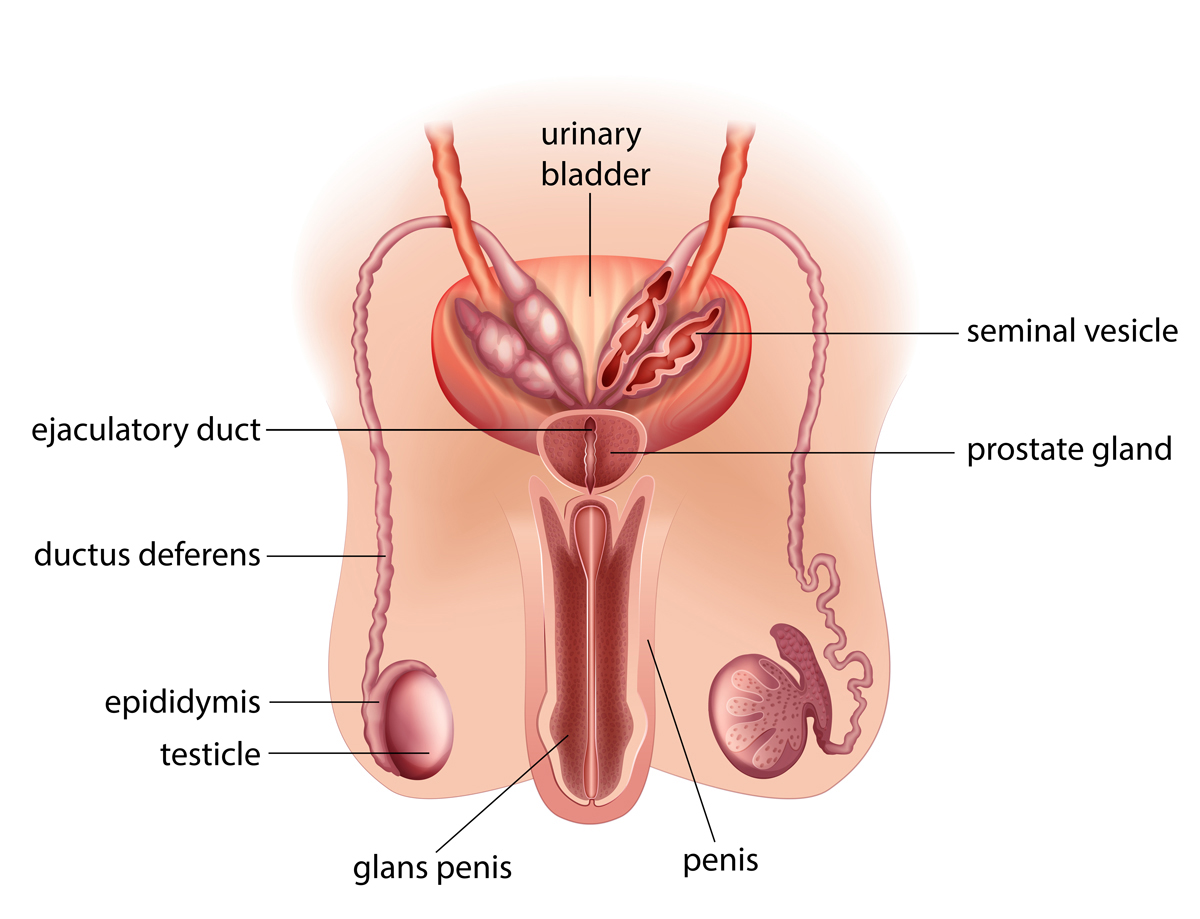
Anatomy Of Male Organs
The male sexual organs are a complex and fascinating part of human anatomy. Understanding the anatomy of male organs helps in maintaining good health and well-being. This section explores the external and internal structures of the male reproductive system.
External Structures
The external structures of the male reproductive system are visible and include the penis, scrotum, and testicles. These parts play critical roles in sexual function and reproduction.
Penis:
- The penis is the organ used for sexual intercourse and urination.
- It has three main parts: the root, the body, and the glans (tip).
- The glans is covered by the foreskin, which can be removed through circumcision.
Scrotum:
- The scrotum is a pouch of skin that hangs below the penis.
- It holds and protects the testicles.
- It also helps regulate the temperature of the testicles.
Testicles:
- The testicles are oval-shaped organs found inside the scrotum.
- They produce sperm and the hormone testosterone.
Internal Structures
The internal structures of the male reproductive system include several important organs that work together to produce and transport sperm.
Seminal Vesicles:
- These are two small glands located behind the bladder.
- They produce a fluid that nourishes and helps transport sperm.
Prostate Gland:
- The prostate gland is about the size of a walnut.
- It is located below the bladder and surrounds the urethra.
- It produces a fluid that makes up part of the semen.
Vas Deferens:
- The vas deferens are long tubes that carry sperm from the testicles to the urethra.
Urethra:
- The urethra is a tube that carries urine and semen out of the body through the penis.
Bulbourethral Glands:
- These are small glands located on either side of the urethra.
- They produce a clear fluid that helps lubricate the urethra.
Credit: lomalindafertility.com
Function Of Male Organs
The male sexual organs play several key roles in the body. These organs are essential for reproduction, sexual pleasure, and hormone production. Understanding the function of these organs can help us appreciate their importance in maintaining overall health and well-being.
Reproductive Role
The male sexual organs are vital for reproduction. They produce, store, and transport sperm, which is necessary for fertilizing a female’s egg. The main organs involved in reproduction include:
- Testes: These are the primary male reproductive organs. They produce sperm and the hormone testosterone.
- Epididymis: A tube where sperm is stored and matures.
- Vas Deferens: A duct that transports sperm from the epididymis to the urethra.
- Seminal Vesicles: Glands that produce a fluid that nourishes sperm.
- Prostate Gland: It adds more fluid to the sperm to form semen.
- Urethra: The tube through which semen is expelled during ejaculation.
Together, these organs ensure that sperm is produced, matured, and transported efficiently. This process is crucial for successful fertilization and reproduction.
Sexual Function
The male sexual organs also play a significant role in sexual pleasure and function. This involves the following key components:
- Penis: The organ used for sexual intercourse. It becomes erect when blood fills the spongy tissues.
- Scrotum: The pouch that holds and protects the testes. It regulates the temperature for optimal sperm production.
- Erectile Tissue: Tissue in the penis that fills with blood to create an erection. This allows for penetration during intercourse.
During sexual arousal, signals from the brain trigger the release of chemicals that cause the blood vessels in the penis to dilate. This results in an erection. The penis then becomes capable of penetration, which is necessary for sexual intercourse and pleasure.
The process of ejaculation is another essential function. It involves the expulsion of semen through the urethra. This occurs when the muscles around the reproductive organs contract rhythmically. The sensation during ejaculation contributes significantly to sexual pleasure.
Hormonal Influence
Hormones play a crucial role in the functioning of male sexual organs. The primary hormone involved is testosterone, produced in the testes. Testosterone influences:
- Development of Male Characteristics: These include facial hair, deeper voice, and muscle mass.
- Libido: Testosterone levels affect sexual desire and drive.
- Sperm Production: Adequate levels of testosterone are necessary for the production of healthy sperm.
Testosterone levels fluctuate throughout a man’s life. They peak during adolescence and early adulthood and gradually decline with age. Maintaining healthy levels of testosterone is important for overall health, including bone density, muscle strength, and mood.
Other hormones, such as luteinizing hormone (LH) and follicle-stimulating hormone (FSH), also play a part. They regulate the production of testosterone and sperm. A balance of these hormones is essential for the proper functioning of the male sexual organs.
Understanding Testicles: Health, Function, And Common Issues
Common Disorders
Men’s sexual organs are vital for reproductive health and overall well-being. Understanding common disorders is crucial for early detection and treatment. This blog post covers some prevalent issues affecting male sexual organs.
Erectile Dysfunction
Erectile Dysfunction (ED) is a common problem where men find it hard to maintain an erection. This can lead to stress and affect relationships. Causes of ED include:
- Psychological factors: Stress, anxiety, and depression.
- Physical conditions: Diabetes, high blood pressure, and heart disease.
- Lifestyle choices: Smoking, alcohol, and lack of exercise.
Symptoms of ED include:
- Trouble getting an erection.
- Difficulty maintaining an erection.
- Reduced sexual desire.
Common treatments for ED include:
| Treatment | Description |
|---|---|
| Medications | Pills like Viagra and Cialis. |
| Therapy | Counseling for anxiety or depression. |
| Lifestyle changes | Exercise, quit smoking, and reduce alcohol. |
Prostate Issues
The prostate is a small gland that produces seminal fluid. Common prostate issues include:
- Prostatitis: Inflammation of the prostate.
- Benign Prostatic Hyperplasia (BPH): Enlarged prostate.
- Prostate cancer: Malignant growth in the prostate.
Symptoms of prostate problems include:
- Frequent urination.
- Difficulty starting urination.
- Painful urination or ejaculation.
- Blood in urine or semen.
Treatments for prostate issues are:
- Antibiotics for infections.
- Medications to reduce prostate size.
- Surgery for severe cases.
Testicular Disorders
Testicular disorders can affect men’s health and fertility. Common disorders include:
- Testicular torsion: Twisting of the testicle, cutting off blood supply.
- Varicocele: Enlarged veins in the scrotum.
- Hydrocele: Fluid build-up around the testicle.
- Testicular cancer: Malignant growth in the testicles.
Symptoms of testicular disorders include:
- Pain or discomfort in the testicles.
- Swelling or lump in the testicle.
- Heavy feeling in the scrotum.
Treatments for these disorders are:
| Disorder | Treatment |
|---|---|
| Testicular torsion | Emergency surgery. |
| Varicocele | Surgery or embolization. |
| Hydrocele | Draining fluid or surgery. |
| Testicular cancer | Surgery, chemotherapy, or radiation. |
Infections
Infections in male sexual organs can cause discomfort and serious health issues. Common infections include:
- Urinary Tract Infections (UTIs): Infection in the urinary system.
- Sexually Transmitted Infections (STIs): Infections from sexual contact, like chlamydia and gonorrhea.
- Fungal infections: Such as jock itch.
Symptoms of infections include:
- Burning sensation during urination.
- Discharge from the penis.
- Itching or rash in the genital area.
- Swelling or redness.
Treatment options for infections are:
- Antibiotics for bacterial infections.
- Antifungal creams for fungal infections.
- Antiviral medications for viral infections.
Seminal Vesicles: Key Functions and Health Insights
Health And Hygiene
The health and hygiene of male sexual organs are crucial for overall well-being. Proper care helps prevent infections, diseases, and ensures optimal function. Understanding how to maintain cleanliness and monitor health is essential for every man.
Personal Care Tips
Maintaining the hygiene of male sexual organs involves daily routines. Here are some simple yet effective tips:
- Wash daily: Use warm water and mild soap to clean the genital area. Avoid using harsh soaps that can cause irritation.
- Dry thoroughly: After washing, ensure the area is completely dry. Moisture can lead to bacterial growth.
- Wear clean underwear: Change your underwear daily. Opt for breathable fabrics like cotton to reduce sweat and moisture buildup.
- Trim pubic hair: Regularly trimming hair can reduce sweat and odor. Use clean scissors or a trimmer.
- Practice safe sex: Use condoms to prevent sexually transmitted infections (STIs). Always wash after sexual activity.
- Avoid tight clothing: Tight clothes can cause irritation and restrict airflow. Wear loose-fitting pants when possible.
Here is a quick reference table for personal care tips:
| Tip | Action |
|---|---|
| Wash daily | Use warm water and mild soap |
| Dry thoroughly | Ensure complete dryness |
| Wear clean underwear | Change daily, prefer cotton |
| Trim pubic hair | Use clean tools, trim regularly |
| Practice safe sex | Use condoms, wash after sex |
| Avoid tight clothing | Wear loose-fitting pants |
Regular Check-ups
Regular medical check-ups are essential for maintaining sexual health. Here’s why and how often you should visit a healthcare provider:
- Annual physical exams: Visit your doctor yearly. Discuss any concerns about your sexual health.
- Screening for STIs: Get tested for STIs if you are sexually active. Early detection is crucial for treatment.
- Self-examination: Regularly check for unusual lumps or changes. Report any abnormalities to your doctor.
- Prostate health: Men over 50 should get their prostate checked. Early detection of issues like prostate cancer is vital.
- Vaccinations: Ensure you are vaccinated against HPV and other infections. Ask your doctor for recommendations.
Here is a summary table for regular check-ups:
| Check-up | Frequency |
|---|---|
| Annual physical exams | Yearly |
| STI screening | If sexually active |
| Self-examination | Monthly |
| Prostate health | Over 50, yearly |
| Vaccinations | As per doctor’s advice |
Sexual Health Practices
Maintaining sexual health is vital for overall well-being. Understanding male sexual organs and adopting proper sexual health practices can prevent many health issues. This section delves into safe practices and the importance of sexual education.
Safe Practices
Practicing safe sex is crucial for preventing sexually transmitted infections (STIs) and unwanted pregnancies. Here are some essential safe practices:
- Use Condoms: Always use condoms to reduce the risk of STIs. They are effective and readily available.
- Regular Testing: Get tested regularly for STIs. Early detection can prevent complications.
- Limit Partners: Reducing the number of sexual partners lowers the risk of infections.
- Communicate: Open communication with your partner about sexual history and health is essential.
Here is a quick comparison of different contraception methods:
| Method | Effectiveness | Protection Against STIs |
|---|---|---|
| Condoms | 98% | Yes |
| Birth Control Pills | 99% | No |
| IUD | 99% | No |
Remember to avoid sharing personal items like towels or razors. These can transmit infections. Prioritize hygiene by washing the genital area daily with mild soap and water.
Sexual Education
Sexual education is key to understanding and maintaining sexual health. It provides knowledge about the body, relationships, and safe practices.
Education can help:
- Prevent Misconceptions: Accurate information dispels myths about sex and the body.
- Promote Consent: Understanding consent is vital for healthy relationships.
- Encourage Safe Practices: Educated individuals are more likely to practice safe sex.
Sexual education should start early and continue through adulthood. Schools, parents, and healthcare providers play crucial roles in providing this education. Resources like books, websites, and workshops can also be valuable.
Here is a simple guide for different age groups:
| Age Group | Topics |
|---|---|
| Children (5-10 years) | Basic anatomy, understanding boundaries |
| Teenagers (11-18 years) | Puberty, safe sex practices, consent |
| Adults (19+ years) | Maintaining sexual health, regular check-ups |
Effective sexual education can lead to healthier, more informed decisions. It empowers individuals to take control of their sexual health and well-being.
“`

Credit: www.healthdirect.gov.au
Cultural Perspectives
The topic of male sexual organs is often approached with curiosity and sometimes embarrassment. Understanding the cultural perspectives on this subject can offer insights into how different societies perceive and value male sexuality. These perspectives have evolved significantly over time, influenced by historical events, societal norms, and modern attitudes.
Historical Views
Throughout history, male sexual organs have held various symbolic meanings. In many ancient cultures, they were seen as symbols of power, fertility, and virility. For example:
- Ancient Greece: Statues and art frequently depicted male genitalia, associating them with strength and beauty.
- Ancient Rome: Phallic symbols were common in both public and private spaces, believed to bring good luck and protection.
- Ancient Egypt: Phallic imagery was often linked to the god Osiris, representing resurrection and life.
These representations were not merely artistic but also had deep cultural significance. They reflected the society’s views on masculinity and sexuality. The phallus was often seen as a symbol of creation and continuity of life.
In contrast, during the Middle Ages in Europe, there was a shift towards modesty and chastity. The male body was less openly celebrated, and discussions about sexual organs became more taboo. Religious influences played a significant role in this transformation, promoting ideals of purity and self-restraint.
Modern Attitudes
Today, modern attitudes towards male sexual organs vary widely across cultures. In many Western societies, there is a growing acceptance and openness about discussing male sexuality. This shift is evident in:
- Media and Entertainment: Movies, TV shows, and literature often explore themes related to male sexuality more openly than in the past.
- Education: Sex education programs in schools aim to provide accurate information about male and female anatomy, promoting healthy attitudes towards sexuality.
- Healthcare: Increased awareness about male sexual health has led to better access to medical advice and treatments.
Nevertheless, taboos and stigmas still exist in some cultures. In more conservative societies, discussions about male sexual organs remain limited. Social norms and religious beliefs continue to influence these attitudes significantly.
Social Media: Platforms like Instagram and Twitter have become spaces where individuals can express their experiences and questions about male sexuality. This has led to greater awareness and destigmatization.
Body Positivity Movement: This movement encourages men to accept and embrace their bodies, including their sexual organs. It challenges unrealistic standards and promotes self-confidence.
Overall, the modern view of male sexual organs is more diverse and accepting than ever before. Yet, the journey towards complete openness and understanding continues.
Impact Of Aging
As men age, the impact on their sexual organs becomes noticeable. This process involves various changes that can affect sexual health and overall well-being. Understanding these changes can help men maintain a healthy and active lifestyle.
Changes In Function
Aging can lead to several functional changes in male sexual organs. These changes often manifest in different ways:
- Erectile Dysfunction (ED): This becomes more common with age. Blood flow to the penis decreases, making it difficult to achieve or maintain an erection.
- Reduced Libido: Testosterone levels drop, leading to a decreased interest in sex.
- Slower Arousal: Older men may find that arousal takes longer and is less intense.
- Changes in Orgasm: Orgasms may become less intense and shorter in duration.
These changes can significantly impact a man’s sexual life. Maintaining a healthy lifestyle can help mitigate some of these effects. Regular exercise, a balanced diet, and adequate sleep are crucial. Emotional and mental well-being also play a vital role in sexual health.
Health Considerations
As men age, specific health considerations become essential for maintaining sexual health. Monitoring these aspects can help address potential issues early:
| Health Factor | Impact on Sexual Health |
|---|---|
| Heart Health | Poor heart health can lead to reduced blood flow, affecting erections. |
| Hormonal Balance | Lower testosterone levels can reduce libido and sexual performance. |
| Mental Health | Stress, anxiety, and depression can negatively impact sexual function. |
| Medications | Certain medications can cause sexual side effects, including ED. |
It is crucial to have regular health check-ups to monitor these factors. Discussing any concerns with a healthcare provider can lead to effective management strategies. Lifestyle changes, such as quitting smoking and reducing alcohol intake, can also improve sexual health.

Credit: en.wikipedia.org
Myths And Misconceptions
The topic of male sexual organs often comes with many myths and misconceptions. These myths can create confusion and misinformation. This section aims to clarify some common misunderstandings and explore the role of media and society in shaping these misconceptions.
Common Misunderstanding
Many people believe that the size of male sexual organs determines masculinity or sexual performance. This belief is not only false but also harmful. Size has no correlation with sexual satisfaction or prowess.
Another common myth is that males always want sex and are always ready for it. This is not true. Men, like women, have their own cycles of desire and arousal. They can experience stress, fatigue, and other factors that affect their libido.
Here are some more common misunderstandings:
- Masturbation leads to health problems: This is completely false. Masturbation is a natural and healthy activity.
- Erectile dysfunction only happens to older men: This condition can affect men of any age and is often related to stress or other health issues.
- The foreskin is useless: The foreskin has protective and sensory functions. Removal is a personal or cultural choice, not a medical necessity.
The Role Of Media And Society
Media and society play a significant role in spreading myths about male sexual organs. Movies, TV shows, and advertisements often portray unrealistic images of male bodies. These images create false expectations and insecurities.
Society also pressures men to conform to certain standards of masculinity. This includes beliefs about sexual performance and body image. Such pressures can lead to anxiety and a negative self-image.
Here are some ways media and society contribute to these misconceptions:
- Advertising: Many products claim to enhance male sexual performance or size. These claims are often exaggerated and misleading.
- Entertainment: Films and shows often depict unrealistic sexual encounters. These scenes can create false beliefs about what is normal or desirable.
- Social Media: Platforms like Instagram and TikTok can spread myths quickly. Influencers may promote false information to gain followers.
Education and open conversation are key to dispelling these myths. Accurate information can help men feel more confident and less pressured by societal standards.
Frequently Asked Questions
What Is Male Sexual Organ Called?
The male sexual organ is called the penis. It plays a key role in reproduction and sexual pleasure. The penis consists of the shaft and the glans.
What Is The Male Arousal Organ?
The male arousal organ is the penis. It becomes erect during sexual arousal due to increased blood flow.
What Are The Seven Male Reproductive Organs?
The seven male reproductive organs are the testes, epididymis, vas deferens, seminal vesicles, prostate gland, urethra, and penis.
What Is The Male Pleasure Anatomy?
The male pleasure anatomy includes the penis, testicles, prostate, and seminal vesicles. Key areas are the glans, frenulum, and perineum.
Conclusion
Understanding male sexual organs is essential for overall well-being. Proper knowledge helps in better health and relationship management. Stay informed, and prioritize regular check-ups. Embrace this knowledge for a healthier, happier life. Remember, education is the key to maintaining sexual health and confidence.