Reproductive Health Sexual and Reproductive Health
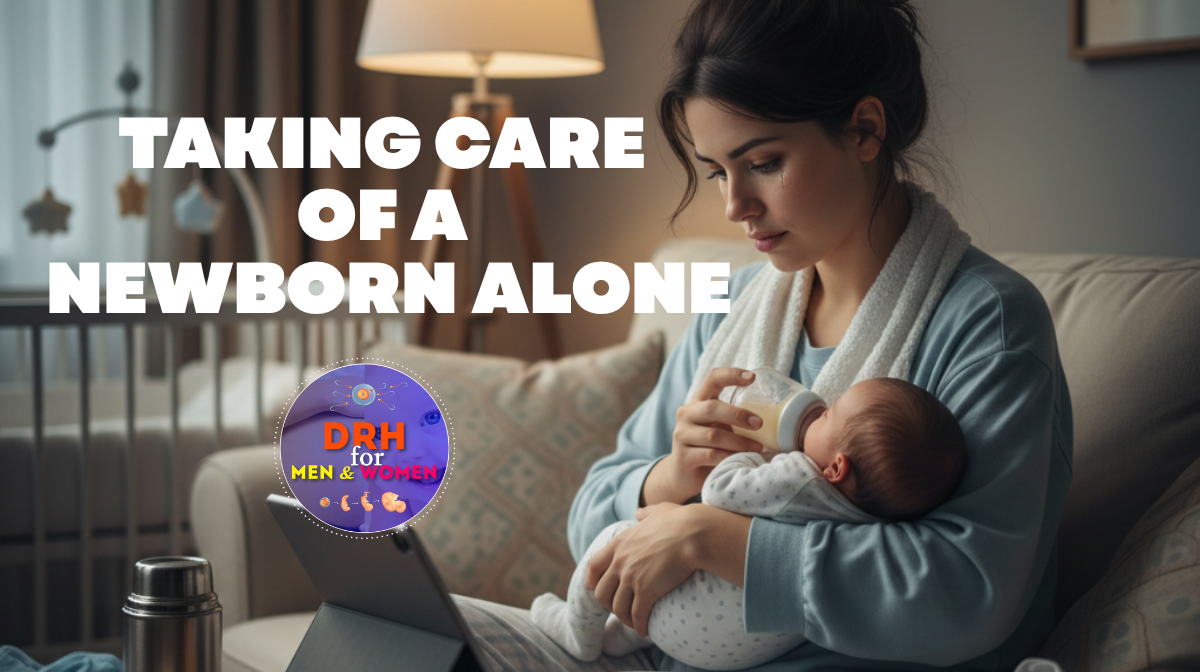 Taking Care of a Newborn Alone: A Survival Guide for Solo Parents
Bringing a new baby home is a momentous occasion, filled with a complex mix of joy, exhaustion, and anxiety. When you are undertaking this journey solo, those feelings are often amplified. Looking at a tiny, dependent human and realizing you are the only person responsible for their well-being in that moment can feel incredibly heavy.
There is no sugarcoating the reality: taking care of a newborn alone is hard work. It requires stamina, patience, and a level of multitasking that most people never have to master. Yet, thousands of parents do it every single day. Whether you are a single parent by choice, your partner works away, or you are navigating a separation, you are capable of providing a loving, safe environment for your child.
The secret isn’t superhuman strength; it’s strategic preparation and lowering your expectations for everything that isn’t the baby or your own basic needs. By setting up your environment efficiently and ruthlessly prioritizing rest, you can navigate the “fourth trimester” with confidence.
Preparing Your Home for Solo Success
When there is no one else to shout to for a diaper or a glass of water, your home setup becomes your lifeline. The goal is to minimize movement and maximize accessibility. You want to avoid situations where you are trapped under a sleeping baby with a dying phone battery and a parched throat.
Create “Yes” Stations
Set up specific stations in the main areas of your house—usually the living room, the nursery, and your bedroom. Each station should be stocked with the essentials: diapers, wipes, burp cloths, and a change of clothes for the baby. If you don’t have to run up the stairs every time a diaper blowout happens, you save precious energy.
Stock Your Fridge and Pantry
Cooking is likely the last thing you will want to do. Before the baby arrives, or as soon as you can, fill your freezer with easy-to-heat meals. Stock up on one-handed snacks like granola bars, fruit, cheese sticks, and nuts. Hydration is critical, especially if you are recovering from birth or breastfeeding, so keep large water bottles in every room.
Safe Spaces in Every Room
You will need to put the baby down to use the bathroom, shower, or make food. Ensure there is a safe place to put the infant in every room you frequent. This doesn’t need to be expensive gear; a simple bouncer, a bassinet, or a play mat on the floor works well. Knowing you can safely set the baby down instantly reduces panic when you need to attend to your own needs.
Feeding Strategies for One
Feeding takes up a massive portion of the day (and night) with a newborn. Without a partner to handle the burping or the bottle washing, you need a system that streamlines the process.
The Breastfeeding Basket
If you are nursing, you might find yourself stuck in a chair for hours. Create a “nursing basket” that you can carry from room to room. Include your phone charger, headphones, water, snacks, nipple cream, and burp cloths. If everything is within arm’s reach, the isolation of late-night feeds feels much less daunting.
Bottle Feeding Logistics
For bottle-feeding parents, the constant washing can be draining. Buy enough bottles to last you 24 hours so you only have to wash them once a day. Consider a formula pitcher to mix a day’s worth of formula at once (stored in the fridge), or set up a station in your bedroom with pre-measured water and powder for night feeds to avoid trips to the kitchen in the dark.
Mastering the Burp
Learning to burp a baby efficiently is a solo parent superpower. Experiment with different positions to find what works for your baby. The “over the shoulder” method allows you to walk around and get things done with one hand, while the “sitting up” method allows you to make eye contact and engage with them.
Sleep Schedules and Survival
Sleep deprivation is the most cited challenge for new parents, and when you are alone, there is no “tagging out.” Managing sleep requires a shift in perspective.
The Reality of “Sleep When the Baby Sleeps”
You have likely heard this advice a thousand times. While well-intentioned, it isn’t always practical when you also need to shower or eat. Instead, try to “rest when the baby sleeps.” You don’t have to force yourself to nap at 10 AM, but you should sit down, put your feet up, and close your eyes. Do not use nap time to clean the house.
Safe Sleep Setup
To maximize your rest, keep the baby close. A bassinet right next to your bed allows you to soothe the baby or pick them up for a feed without fully waking up or walking down the hall. This proximity helps you fall back asleep faster after care tasks.
Use White Noise
White noise machines are not just for babies. They can help mask the tiny grunts and squeaks newborns make in their sleep (which are normal but can keep an anxious parent awake). A consistent sound environment helps signal to both of you that it is time to rest.
Self-Care Is Not a Luxury
When you are the sole caregiver, your physical and mental health is the foundation of your baby’s safety. If you collapse, the whole system collapses. Therefore, self-care is a maintenance requirement, not an indulgence.
The Basics First
Forget bubble baths and spa days for now. In the newborn phase, self-care looks like:
- Showering daily, even if the baby cries for 5 minutes in their safe space.
- Eating enough calories to function.
- Getting outside for 10 minutes of fresh air.
- Wearing clean clothes.
Lower Your Standards
Your house does not need to be spotless. Laundry can pile up. Thank-you notes can wait. Give yourself permission to let non-essential tasks slide. If the dishes sit in the sink overnight so you can get an extra hour of sleep, that is a victory.
Monitor Your Mental Health
Isolation can trigger or worsen postpartum depression and anxiety. Be honest with yourself about how you are feeling. If you find yourself unable to sleep even when the baby sleeps, feeling filled with rage, or feeling detached from the baby, contact your healthcare provider immediately. There is no shame in needing medical support to be the best parent you can be.
Identifying and Seeking Support
Being a “solo” caregiver implies you are doing it alone, but no human is meant to raise a child in total isolation. You need a village, even if you have to build it yourself.
Automate and Outsource
If your budget allows, throw money at the problem. Order groceries online to be delivered. Hire a cleaner for a few hours a month. Use a laundry service. If you can afford a night nurse or a postpartum doula for even a couple of nights, it can be a game-changer for your sleep debt.
Accept Help Specifics
People often say, “Let me know if I can help.” This is vague and hard to act on. When someone offers, give them a specific task: “Could you pick up my grocery order?” “Could you come hold the baby for 30 minutes so I can shower?” People generally want to be useful; they just need direction.
Find Your Community
Connect with other parents who are doing it alone. Look for local single-parent groups or online forums. Virtual communities can be a lifeline at 3 AM when you feel like the only person awake in the world. Hearing others validate your struggles makes the hard moments feel less lonely.
You Are Capable of This
The early days of taking care of a newborn alone are a blur of feeding, changing, and soothing. There will be moments of tears—from both you and the baby. But there will also be moments of profound quiet and bonding that are uniquely yours. You are building a resilience and a closeness with your child that is unbreakable. Trust your instincts, be gentle with yourself, and remember: this phase is temporary. You are doing an incredible job.