Reproductive Health Sexual and Reproductive Health

Insights on Male fertility is an important part of reproductive health that doesn’t get as much attention as female fertility. But knowing about male fertility is just as important on the path to having a child. Insights on Male fertility is affected by many things, ranging from biological processes to lifestyle choices and medical interventions. This article goes into detail about what we know about male fertility, including its difficulties, problems, and ways to make things better.
A Brief Look at Male Fertility
A man’s capacity to successfully conceive a woman is referred to as his male fertility. Even though it takes two to tango, male fertility is a big part of the process. Insights on Male fertility is affected by things like the number, quality, and movement of sperm. People and couples who want to start a family need to know the ins and outs of male fertility.
Learning About the Male Reproductive System
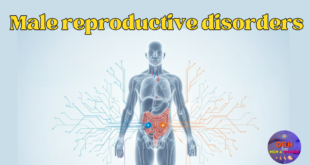
The male reproductive system is made up of many complex organs and glands that work together to make sperm and deliver it to the egg. The testes, epididymis, vas deferens, prostate gland, and seminal vesicles are some of the most important parts. Each of these structures does a different job when it comes to making, storing, and moving sperm.
Common Problems with Male Fertility
Even though medicine has come a long way, there are still many things that can affect a man’s fertility. Men often have problems with getting or keeping an erection, having a low number of sperm (oligospermia), sperm that don’t move well (asthenospermia), and their hormones not being balanced. Finding and fixing these problems is very important for getting the best results with fertility.
Male Infertility and Lifestyle Factors
Male fertility can be affected by the choices men make about their lifestyle. Poor nutrition, not getting enough exercise, stress, and drug abuse can all hurt sperm quality and reproductive health. A balanced diet, regular exercise, learning how to deal with stress, and staying away from harmful substances are all parts of a healthy lifestyle that can help with fertility.
Medical Solutions for Male Infertility
Medical help is available for a number of male fertility problems. Some of the most common assisted reproductive technologies (ART) used to solve fertility problems are in vitro fertilization (IVF) and intracytoplasmic sperm injection (ICSI). Medical treatments and surgeries may also be suggested based on each person’s unique situation.
Natural Remedies and Supplements for Male Fertility
Male fertility can be helped by natural remedies and supplements as well as medical treatments. Vitamin C and coenzyme Q10 are two important antioxidants that protect sperm from oxidative stress. People think that herbal supplements like ashwagandha and maca root can help men’s reproductive health. Making changes to your diet and way of life can help with these methods.
Psychological Effects of Male Infertility
Male infertility can be hard on the mental and emotional health of the person. Not being able to get pregnant or have a child can make a person feel inadequate, depressed, and stressed. To deal with the mental challenges that come with infertility, men who are having trouble getting pregnant need to get emotional support and counseling.
Preventive Measures for Maintaining Male Fertility
Men can keep their fertility up and avoid problems with reproduction by taking proactive steps. To keep your fertility, it’s important to get regular checkups, live a healthy lifestyle with a balanced diet and regular exercise, and stay away from environmental toxins. Dangerous fertility issues can be reduced by early detection and intervention.
The Effects of Age on Male Fertility
Male fertility is also affected by age in a big way. Men can make sperm their whole lives, but the quality of their sperm tends to get worse as they age. Putting off having children may raise the risk of having fertility problems and genetic problems in the child. When planning a family, it’s important to think about things that depend on your age.
Fertility Preservation Options for Men
There are ways for people to keep their fertility if they are going through medical treatments or things in their environment that might make it harder to get pregnant. Men can store their sperm for later use through sperm banking. New techniques for preserving fertility give people hope that they can keep their ability to have children even when things are hard.
Male Fertility and Overall Health
Overall health and well-being are closely related to male fertility. Not only do things like diet, exercise, stress management, and exposures in the environment affect fertility, but they also affect health in general. Taking a whole-person approach to health can help with fertility and make life better in general.
Effects of Environmental Factors on Male Fertility
Male fertility can be affected by things in the environment, such as chemicals that mess with hormones, radiation, and heat. To protect reproductive health, it is important to avoid or limit exposure to these substances. To protect fertility, people must be aware of environmental risks and take steps to avoid them.
Male Fertility and Technological Advances
Researchers are always looking for ways to improve fertility outcomes, such as genetic screening tools and ways to sort sperm. New technologies offer hopeful ways to deal with male infertility and make it easier for people to have children.
Male Fertility: Cultural and Social Aspects
The shame that comes with male infertility may keep people from getting help and support. But as societal norms change and more people learn about the problem, the shame attached to male fertility problems is slowly going away.
Conclusion
In conclusion, male fertility is an important and complex part of reproductive health that needs to be studied and understood. People can improve their reproductive potential and chances of getting pregnant by addressing the factors that affect male fertility. It is possible for men to overcome fertility problems with a combination of changes to their lifestyle, medical help, and support networks.
FAQs:
- Can lifestyle changes improve male fertility?
Yes, adopting a healthy lifestyle, including diet modifications, regular exercise, and stress management, can positively impact male fertility.
- At what age does male fertility decline?
While men can father children throughout their lives, sperm quality tends to decline with age, typically starting around age 40.
- What are some natural remedies for improving male fertility?
Natural remedies such as antioxidants, herbal supplements, and lifestyle modifications can support male reproductive health.
- How does environmental exposure affect male fertility?
Environmental factors like endocrine-disrupting chemicals, radiation, and heat exposure can adversely affect sperm quality and reproductive health.
- What options are available for fertility preservation in men?
Men can preserve their fertility through sperm banking and advances in fertility preservation techniques, offering hope for future parenthood.
References:
- American Society for Reproductive Medicine. (n.d.). Male infertility. Retrieved from https://www.reproductivefacts.org/topics/topics-index/male-infertility/
- Mayo Clinic Staff. (2022). Male infertility: Lifestyle and home remedies. Mayo Clinic. Retrieved from https://www.mayoclinic.org/diseases-conditions/male-infertility/diagnosis-treatment/drc-20374780
- European Society of Human Reproduction and Embryology. (n.d.). Male reproductive system. Retrieved from https://www.eshre.eu/Education/Glossary/M/Male-reproductive-system
- Centers for Disease Control and Prevention. (2021). Assisted Reproductive Technology (ART). Retrieved from https://www.cdc.gov/art/index.html
- Harvard Health Publishing. (2020). Treating erectile dysfunction. Harvard Medical School. Retrieved from https://www.health.harvard.edu/mens-health/treating-erectile-dysfunction
- University of California, San Francisco. (n.d.). Male Fertility and Aging. Retrieved from https://urology.ucsf.edu/patient-care/adult-non-cancer/male-infertility/male-fertility-and-aging
- Human Fertilisation and Embryology Authority. (2022). Sperm donation. Retrieved from https://www.hfea.gov.uk/donation/sperm-donation/
- American Pregnancy Association. (n.d.). Male fertility preservation. Retrieved from https://americanpregnancy.org/planning/male-fertility-preservation/