Reproductive Health Sexual and Reproductive Health
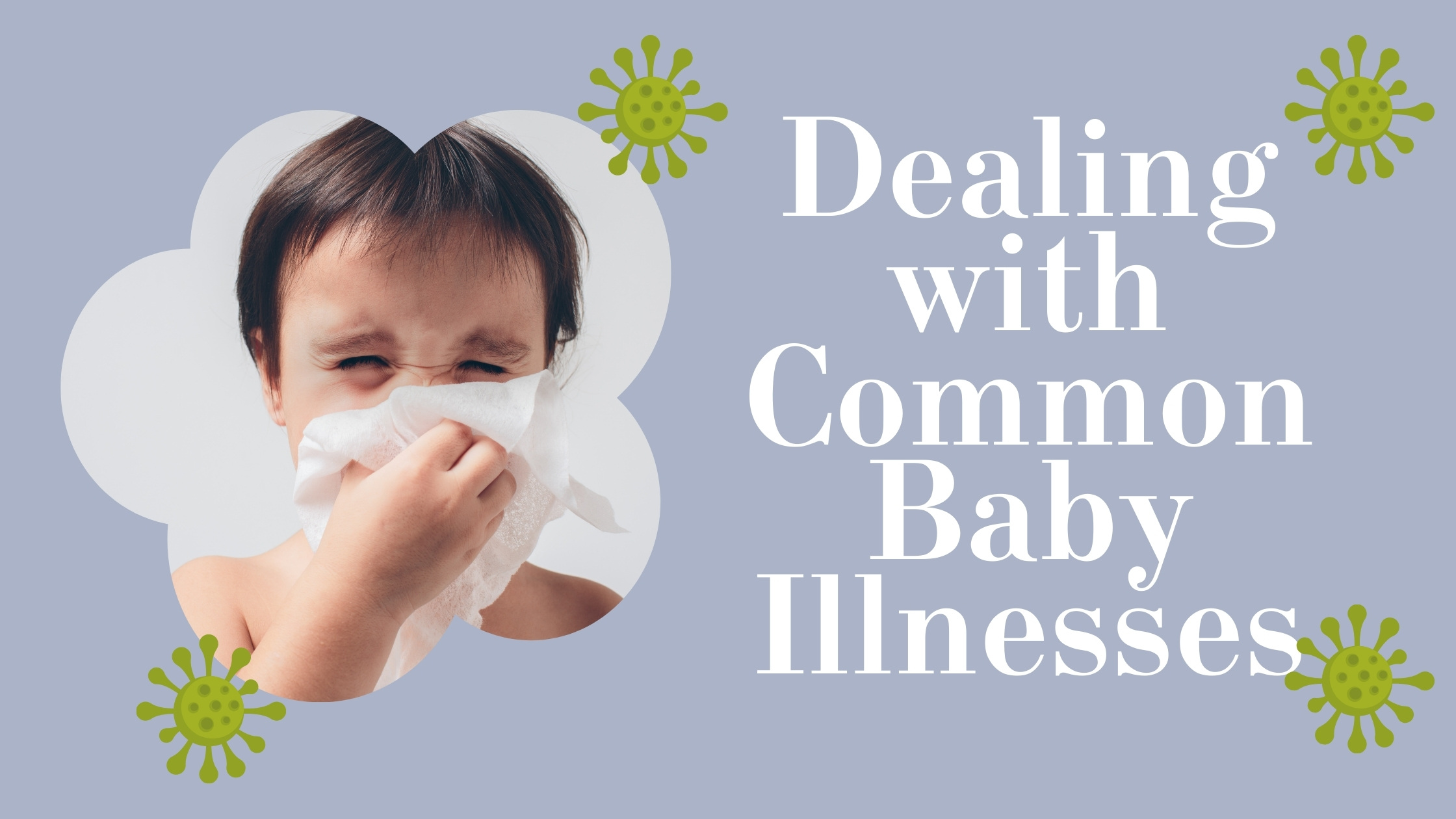
As a parent, you’ll experience many good and bad things. One of the most stressful times for any parent is when their child gets sick. Knowing about common baby illnesses is important for giving the best care and making sure the baby gets better quickly. You will learn about common baby illnesses in this article, which will give you the knowledge and confidence to get through these tough times.
How to Spot Common Baby Illnesses
Fever
Fever is a normal reaction of the body to infection, and babies and little kids often have them. It is very important to keep an eye on your baby’s temperature and recognize fever signs like fussiness, not wanting to eat, and skin that looks red. Mild fevers can usually be treated at home, but high or chronic fevers may need to be seen by a doctor.
Simple cold
Families with babies often have people who are sick with the common cold. A runny or stuffy nose, sneezing, coughing, and a low fever are some of the signs. Comfort measures like saline drops, humidifiers, and lots of water can help ease symptoms and speed up the healing process.
Having diarrhea and vomiting
Little ones often have problems with their stomachs, which can show up as diarrhea and sickness. Keep an eye out for signs of dehydration, like a dry mouth, less pee output, and feeling tired. Rehydration solutions and small meals given often can help the body replace salts and fluids that have been lost.
Acne in the ears
Another common illness in babies is ear infections, which often come with fever, ear pain, and fussiness. Some ear infections may go away on their own, but others may need antibiotics to be treated. Giving pain relief and making sure the baby is in the right position while eating can help a baby with an ear infection feel better.
Getting rashes and skin irritations
The skin on babies is very sensitive and easily gets rashes and other skin problems. Diaper rash, eczema, and heat rash are all common causes. Gentle skin care habits, like changing diapers often, using light soap and moisturizers, and keeping the skin dry, can help stop and treat these skin problems.
Home Remedies and Care
Take care of fevers
Babies with fevers should be dressed lightly, given lots of fluids, and given fever-lowering medicines as ordered by a doctor. Do not wrap a sick baby up too tightly, and keep a close eye on their temperature.
Help with cold symptoms
Use a bulb syringe to clear out stuffy noses, run a cool-mist fan, and give people warm baths to help ease their cold symptoms. Babies shouldn’t take over-the-counter cold medicines, and if they do, they should be used carefully and with the help of a doctor.
Getting enough water for diarrhea and vomiting
Give your baby small amounts of breast milk, formula, or oral rehydration products several times a day to stay hydrated. Give sugary drinks or regular water instead, as these can make dehydration worse.
Ear infections
Help a baby who has an ear infection feel better by giving them painkillers, putting warm cloths on the infected ear, and keeping them upright while they eat and sleep.
Soft care for rashes and other skin problems
To take care of rashes and skin irritations, keep the area clean and dry, use hypoallergenic and fragrance-free skin care products, and stay away from tight clothes and fabrics that irritate the skin.
Preventive Measures
Schedule for Vaccinations
Vaccinations are very important for keeping babies safe from diseases that could be dangerous. If you follow the suggested vaccination schedule, your baby will become immune to common diseases like measles, mumps, rubella, and more.
Practices in Hygiene
To stop the spread of infections, it’s important to practice good cleanliness at home. Regularly washing your hands, disinfecting places that you touch often, and washing your baby’s clothes and bedding can greatly lower the risk of getting sick.
Food and nutrition
For your baby’s immune system to get stronger, they need to eat a healthy diet. Breastfeeding gives babies important nutrients and antibodies that help keep them from getting sick. For babies who are given formula, it is important to choose a good formula and start giving them healthy solid foods at the right age.
Special Considerations
There may be health issues that are unique to some kids that need extra care.
Taking Care of Allergies
It’s very important to find and stay away from things that make your baby’s allergies worse, whether they are food allergies, environmental allergies, or medication allergens.
Dealing with Long-Term Conditions
Babies who are born with long-term conditions need ongoing medical care and help. Getting along well with your doctors and sticking to your treatment plans can help you handle these conditions well.
Dealing with complications from giving birth early
Due to their weak immune systems, premature kids are more likely to have certain health problems. For their health, close monitoring, expert medical care, and early intervention are very important.
When you need to see a doctor?
Many baby illnesses can be treated at home with the right care, but it’s important to know when to go to the doctor. A high fever, trouble breathing, vomiting or diarrhea that won’t go away, and feeling tired are all signs of a dangerous illness. If you trust your parental instincts and see a doctor right away, you can avoid problems and make sure your baby gets the help they need.
Supportive Care
Supportive care is very important for keeping your baby relaxed and helping them get better when they are sick.
Keeping the baby calm when they are sick
During illness, you can ease and reassure your baby by giving them soft hugs, playing soothing lullabies, and keeping the room calm.
Making Sure Your Baby Gets Enough Rest and Sleep
Being sick can change the way your baby sleeps. Making sure they get enough rest and sleep is important for their health and healing.
Watching How Much Fluid You Take In and Out
It’s important to keep track of how much fluid your baby drinks and how much they pee out, especially when they’re sick. To keep babies from getting dehydrated, give them formula, breast milk, or electrolyte solutions often.
Self-care for parents
As a parent, you need to take care of your own health as well as your child’s.
How to Deal with Parental Stress
It can be hard and tiring to take care of a sick baby. To keep your physical and mental health in good shape, you need to make time for self-care tasks, get help from people you care about, and learn how to deal with stress.
Asking family and friends for help
When you need help, don’t be afraid to ask family and friends for it. When things get tough, having a strong network of support can make a big difference.
Learning and staying informed about baby health
Continuing to learn about baby health and wellness gives you the power to make smart choices and successfully advocate for your baby’s well-being.
Conclusion
Dealing with common baby illnesses can be hard, but parents can confidently get through these tough times if they know what to do and are ready. You can help your baby stay healthy and strong by spotting symptoms, knowing when to get medical help, and taking preventative steps.