Reproductive Health Sexual and Reproductive Health
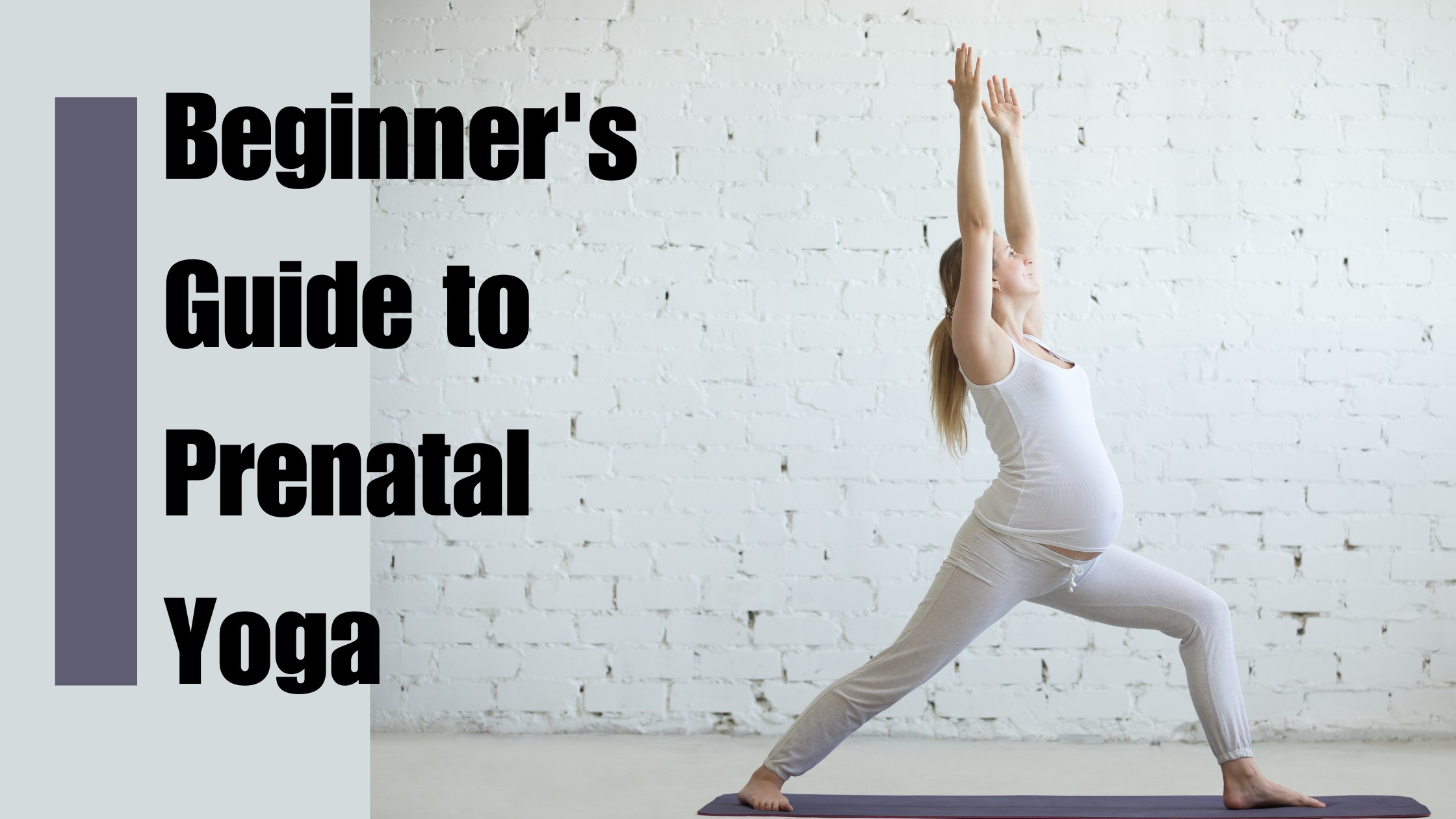
Pregnancy unfolds as a profound journey, woven with threads of anticipation, wonder, and boundless love. It’s a time of transformative beauty, where each moment is infused with the gentle flutter of life within, filling hearts with immeasurable joy and a sense of awe. However, it can also be physically and emotionally demanding. To navigate through this transformative period with ease, many expecting mothers turn to prenatal yoga as a holistic approach to maintain their well-being. In this beginner’s guide to prenatal yoga, we’ll explore the benefits, safety precautions, basic poses, breathing techniques, relaxation methods, and tips to get started.
Introduction to Prenatal Yoga
Beginner’s guide to prenatal yoga is a specialized form of yoga designed to support women during pregnancy. It focuses on gentle stretches, breathing exercises, and relaxation techniques tailored to the needs of expectant mothers. Prenatal yoga classes are led by certified instructors who understand the anatomical changes and limitations of pregnant bodies.
Benefits of Prenatal Yoga
Physical Benefits
Prenatal yoga helps alleviate common discomforts associated with pregnancy, such as back pain, swollen ankles, and tight hips. Regular practice improves flexibility, strength, and posture, preparing the body for childbirth and aiding in postpartum recovery.
Mental Benefits
The meditative aspect of prenatal yoga promotes mental clarity, reduces stress, and enhances sleep quality. Connecting with the breath and the growing baby fosters a sense of calm and mindfulness, empowering mothers to embrace the journey of pregnancy with grace and confidence.
Emotional Benefits
Prenatal yoga provides a nurturing environment for expectant mothers to connect with their changing bodies and bond with their babies. It cultivates a sense of empowerment and trust in the body’s ability to birth and nurture new life, fostering a positive mindset throughout pregnancy and beyond.
Safety Precautions and Guidelines
Before embarking on a prenatal yoga journey, it’s essential to prioritize safety and well-being. Consultation with a healthcare provider is recommended to ensure that yoga practice is suitable for individual needs and medical conditions. Additionally, finding a certified prenatal yoga instructor who can offer guidance and support is crucial. During practice, it’s important to listen to the body, honor its limitations, and modify poses as necessary to avoid strain or injury.
Basic Prenatal Yoga Poses
-
- Cat-Cow Stretch: This is a gentle flow that involves arching and rounding the back while on all fours. It helps to release tension in the spine and pelvis by stretching and mobilizing these areas.
- Child’s Pose: A restorative pose where you sit back on your heels and stretch your arms forward, lowering your forehead to the ground. It’s great for stretching the back, hips, and thighs, while also promoting relaxation and calming the mind.
- Warrior II Pose: This pose involves standing with legs wide apart, one foot facing forward and the other foot turned out, arms extended parallel to the ground. It strengthens the legs, opens the hips, and enhances focus and endurance, which can be beneficial during labor and delivery.
- Pelvic Tilts: These are simple movements where you lie on your back with your knees bent and feet flat on the floor, and then you tilt your pelvis forward and backward. This exercise helps to strengthen the muscles of the pelvic floor and can alleviate lower back pain.
- Modified Cobbler’s Pose: In this seated posture, you bring the soles of your feet together and allow your knees to drop to the sides. It’s a gentle hip opener that helps to alleviate discomfort in the hips and groin area, which can be particularly useful during pregnancy and childbirth.
These poses are often recommended during pregnancy to help ease discomfort, improve flexibility, and prepare the body for labor and delivery.
Breathing Techniques in Prenatal Yoga
-
- Deep Belly Breathing: This technique involves breathing deeply into the belly, allowing it to expand fully with each inhale and contract gently with each exhale. It promotes relaxation by activating the body’s parasympathetic nervous system, reducing stress levels, and increasing oxygen flow to both the mother and the baby.
- Ujjayi Breathing: Also referred to as “ocean breath,” Ujjayi breathing involves inhaling and exhaling through the nose while slightly constricting the back of the throat, creating a soft whispering sound similar to the sound of ocean waves. This rhythmic breathing technique helps to calm the mind, regulate blood pressure, and enhance mental focus and clarity during pregnancy and labor.
- Alternate Nostril Breathing: This breathing technique involves gently closing one nostril with a finger while inhaling through the other nostril, then switching sides and exhaling through the opposite nostril. It helps to balance the nervous system, reduce anxiety, and promote energy flow throughout the body, leading to an overall sense of well-being and relaxation during pregnancy.
These breathing techniques can be beneficial throughout pregnancy to help manage stress, anxiety, and discomfort.
Relaxation and Meditation
Body Scan Meditation
Body Scan Meditation is a gentle yet powerful technique that guides individuals to tune into their body’s sensations. By systematically focusing attention on different body parts, it heightens awareness and eases tension, promoting a serene state of mind.
Visualization Techniques
Visualization Techniques harness the mind’s creative capacity, enabling expectant mothers to visualize a harmonious childbirth journey. Envisioning each stage with positivity and confidence cultivates a sense of empowerment and readiness. Together, these practices nurture a profound bond between mother and baby, enhancing the pregnancy experience with tranquility and assurance.
Creating a Prenatal Yoga Routine
Crafting a personalized prenatal yoga routine involves incorporating warm-up exercises, main poses tailored to individual needs and preferences.
Tips for Practicing Prenatal Yoga at Home
Setting up a Comfortable Space
Create a serene environment free from distractions, with soft lighting, calming music, and essential props like yoga mats and bolsters.
Listening to Your Body
Pay attention to physical sensations and modify poses as needed to accommodate the changing needs of the body throughout pregnancy.
Staying Hydrated
Drink plenty of water before, during, and after practice to stay hydrated and support the body’s natural detoxification process.
Conclusion
Prenatal yoga offers a myriad of physical, mental, and emotional benefits for expectant mothers, empowering them to navigate the journey of pregnancy with strength.