Reproductive Health Sexual and Reproductive Health

Male infertility can result from low sperm production, abnormal sperm function, or blockages. Health issues, lifestyle choices, and environmental factors also contribute.
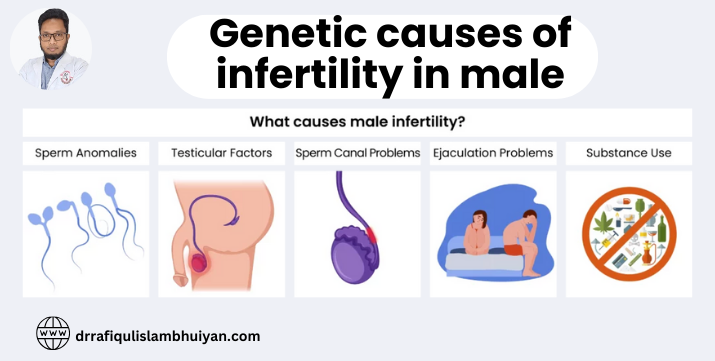
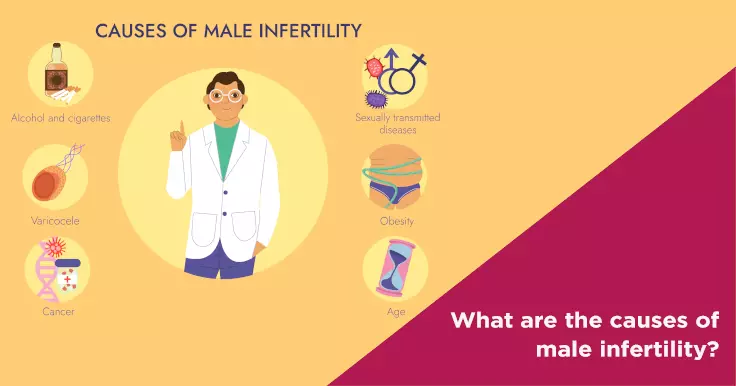
Male infertility affects millions of men worldwide, causing emotional and psychological distress. Common causes include varicoceles, infections, ejaculation issues, and hormone imbalances. Lifestyle factors like smoking, excessive alcohol consumption, and obesity also play significant roles. Environmental exposures to toxins and chemicals can further deteriorate sperm quality.
Understanding these causes is crucial for diagnosis and treatment. Early detection and lifestyle modifications can enhance fertility chances. Consulting a healthcare professional is essential for effective management. By addressing underlying issues, many men can achieve improved reproductive health.
Introduction To Male Infertility
Male infertility is a growing concern worldwide. It can have many causes. Understanding these causes is essential. This helps in addressing the issue effectively. Male infertility affects men’s ability to father children. It often leads to stress and emotional pain. Many factors can impact male fertility. Knowing them helps in seeking the right treatment.

Prevalence And Statistics
Male infertility affects many men globally. Around 7% of men are infertile. This means they struggle to conceive a child. Infertility impacts 15% of couples. In about half of these cases, male infertility is the cause.
| Region | Percentage of Men Affected |
|---|---|
| North America | 6-8% |
| Europe | 7-9% |
| Asia | 8-10% |
| Africa | 10-12% |
Common Misconceptions
Many myths surround male infertility. One common myth is that infertility is only a woman’s issue. This is false. Men are equally likely to have fertility problems.
Another misconception is that lifestyle doesn’t matter. In reality, habits like smoking and drinking can impact fertility. Stress and poor diet also play a role.
Some believe age doesn’t affect male fertility. This isn’t true. Sperm quality declines with age, reducing fertility.
- Infertility can affect men and women equally.
- Lifestyle choices impact male fertility.
- Age also affects male fertility.
Hormonal Imbalances
Hormonal imbalances play a significant role in male infertility. Hormones regulate various bodily functions, including reproduction. Understanding these imbalances can help in identifying and treating infertility issues.
Role Of Testosterone
Testosterone is the primary male sex hormone. It is crucial for sperm production and sexual health. Low levels of testosterone can lead to reduced libido and other health issues.
Testosterone is produced in the testes. It is regulated by the brain through the hypothalamus and pituitary gland. These glands release hormones that stimulate testosterone production.
Impact On Sperm Production
Hormonal imbalances can significantly impact sperm production. Low testosterone levels can reduce sperm count and motility. High levels of other hormones can also interfere with sperm production.
Below is a table outlining common hormonal imbalances and their effects on sperm production:
| Hormone | Effect on Sperm Production |
|---|---|
| Testosterone | Low levels reduce sperm count |
| FSH (Follicle Stimulating Hormone) | Low levels hinder sperm development |
| LH (Luteinizing Hormone) | Low levels reduce testosterone production |
| Prolactin | High levels suppress testosterone |
Understanding these imbalances is crucial. It helps in diagnosing and treating male infertility effectively.
drrafiqulislambhuiyan.com
Genetic Factors
Male infertility can often be traced back to genetic factors. These genetic issues can play a significant role in a man’s ability to conceive. Understanding these causes is crucial for effective diagnosis and treatment.
Chromosomal Abnormalities
Chromosomal abnormalities can impact male fertility. One common issue is Klinefelter syndrome, where males have an extra X chromosome. This condition can lead to low testosterone levels and reduced sperm production.
Another chromosomal issue is Y chromosome microdeletions. These deletions can affect genes responsible for sperm production. Men with these deletions may have very low sperm counts or no sperm at all.
| Chromosomal Abnormality | Impact on Fertility |
|---|---|
| Klinefelter syndrome (XXY) | Low testosterone, reduced sperm production |
| Y chromosome microdeletions | Low or no sperm production |
Inherited Conditions
Inherited conditions can also affect male fertility. Cystic fibrosis is one such condition. Men with cystic fibrosis often have absent vas deferens. This absence prevents sperm from mixing with semen.
Another inherited condition is androgen insensitivity syndrome. Men with this condition have a partial or complete inability to respond to male hormones. This can lead to infertility despite having normal or high levels of these hormones.
- Cystic fibrosis: Leads to absent vas deferens.
- Androgen insensitivity syndrome: Hormone insensitivity causing infertility.
Lifestyle Choices
Male infertility can be influenced by various factors, and lifestyle choices play a significant role. Understanding how everyday habits impact fertility is crucial for those seeking to improve their reproductive health.

Diet And Nutrition
A balanced diet is essential for maintaining overall health, including reproductive health. Consuming a diet rich in fruits, vegetables, and whole grains can improve sperm quality. Avoiding processed foods and reducing sugar intake also supports fertility. Key nutrients like zinc, selenium, and vitamins C and E are vital for sperm production and function.
| Foods to Include | Foods to Avoid |
|---|---|
| Leafy greens, nuts, and seeds | Processed meats, sugary snacks |
| Lean proteins like chicken and fish | Excessive caffeine and alcohol |
Exercise And Physical Activity
Regular physical activity can enhance fertility. Exercise helps maintain a healthy weight, which is crucial for hormone balance. Moderate exercise like walking, swimming, or cycling is beneficial. Over-exercising can have the opposite effect, leading to hormonal imbalances.
- Moderate exercise is beneficial.
- Avoid excessive exercise.
- Maintain a healthy weight.
Incorporate activities that you enjoy to ensure consistency. Physical fitness contributes to overall well-being and reproductive health.
Environmental Exposures
Male infertility can be influenced by environmental factors. These factors include toxins, chemicals, radiation, and heat. Understanding these exposures helps in taking preventive measures.
Toxins And Chemicals
Toxins and chemicals in the environment can impact male fertility. Pesticides and herbicides are common culprits. Farmers and gardeners often encounter these substances.
- Heavy metals like lead and mercury are harmful.
- Industrial chemicals such as benzene and toluene also pose risks.
- Plastic compounds like BPA can disrupt hormones.
Exposure to these substances can lead to reduced sperm count and quality. Avoiding contact can help protect reproductive health.
Radiation And Heat
Radiation and heat can also affect male fertility. Radiation from medical treatments or industrial sources can damage sperm.
- X-rays and CT scans are examples of medical radiation.
- Industrial workers may face radiation at their jobs.
Heat exposure is another concern. Prolonged heat can affect sperm production.
- Using laptops on laps generates heat.
- Hot tubs and saunas also raise body temperature.
Limiting time in hot environments can help maintain fertility.
| Exposure Type | Sources | Impact on Fertility |
|---|---|---|
| Toxins and Chemicals | Pesticides, Heavy Metals, Plastic Compounds | Reduced Sperm Count, Hormonal Disruption |
| Radiation | X-rays, Industrial Radiation | Damage to Sperm |
| Heat | Laptops, Hot Tubs | Reduced Sperm Production |
Credit: www.fertilitymemphis.com
Infections And Diseases
Infections and diseases can significantly affect male fertility. They can damage the reproductive organs, impact sperm production, and create blockages. Understanding these factors is essential for addressing male infertility effectively.
STIs And UTIs
Sexually Transmitted Infections (STIs) can severely impact male fertility. Common STIs like chlamydia and gonorrhea can cause infections in the reproductive organs. These infections can lead to inflammation, scarring, and blockages in the sperm ducts.
Urinary Tract Infections (UTIs) can also harm male fertility. UTIs can spread to the reproductive organs, causing pain and inflammation. This can hinder sperm movement and reduce sperm quality.
Chronic Illnesses
Chronic illnesses can also affect male fertility. Conditions like diabetes, hypertension, and obesity can disrupt hormone levels and sperm production.
Diabetes can lead to nerve damage, affecting ejaculation. Hypertension can affect blood flow to the reproductive organs, impacting sperm production.
Obesity can lead to hormonal imbalances, affecting sperm quality and quantity. Maintaining a healthy lifestyle can mitigate these risks.
| Illness | Impact on Fertility |
|---|---|
| Diabetes | Nerve damage, affecting ejaculation |
| Hypertension | Reduced blood flow, impacting sperm production |
| Obesity | Hormonal imbalances, affecting sperm quality |
Medications And Treatments
Medications and treatments play a crucial role in male infertility. Understanding how these affect fertility can help in managing and mitigating risks. Let’s explore the impact of prescription drugs, chemotherapy, and radiation on male fertility.
Impact Of Prescription Drugs
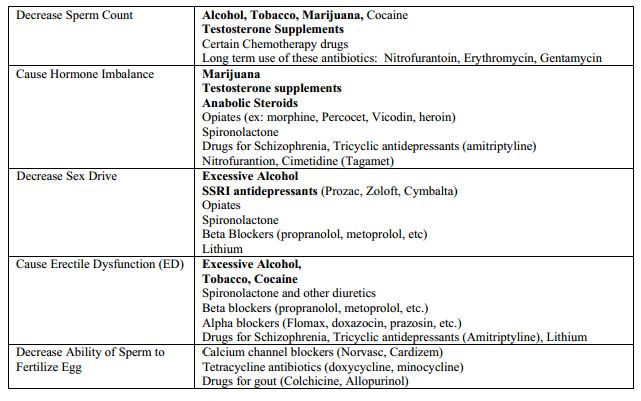
Some prescription drugs can negatively affect male fertility. Medications for hypertension, depression, and other conditions may reduce sperm quality or count.
Common drugs impacting fertility include:
- Antidepressants: These can interfere with sperm production and motility.
- Beta-blockers: Used for heart conditions, they may reduce sperm count.
- Anti-inflammatory drugs: Long-term use can lower testosterone levels.
If you are on any of these medications, consult your doctor. They might adjust your dosage or suggest alternatives.
Chemotherapy And Radiation
Chemotherapy and radiation treatments can severely impact male fertility. These treatments aim to kill cancer cells but can also harm healthy sperm cells.
Effects of chemotherapy:
- Temporary Infertility: Some men may experience temporary infertility during treatment.
- Permanent Infertility: Higher doses can cause permanent damage to sperm production.
Radiation therapy also poses risks:
- Direct Exposure: Radiation directed at the pelvic area can harm sperm cells.
- Scattered Radiation: Even nearby radiation can affect testicular function.
For those undergoing these treatments, sperm banking before treatment starts can be a valuable option.
Varicocele Issues
Varicocele issues are a common cause of male infertility. A varicocele involves the enlargement of veins within the scrotum. This condition can impact sperm production and quality.
Definition And Symptoms
A varicocele is an abnormal enlargement of the pampiniform plexus veins in the scrotum. These veins drain blood from the testicles. When these veins become enlarged, it can lead to increased scrotal temperature. This affects sperm production and function.
Common symptoms of varicocele include:
- Dull, aching pain in the scrotum
- Visible or palpable enlarged veins
- Feeling of heaviness in the testicle
- Testicular atrophy (shrinkage)
Some men may not experience any symptoms. Regular medical check-ups can help detect varicoceles early.
Treatment Options
Treatment for varicocele can improve sperm quality and fertility. Here are the common treatment options:
- Observation: If there are no symptoms, doctors may recommend regular monitoring.
- Scrotal support: Wearing supportive underwear can relieve discomfort.
- Surgery: Varicocelectomy is a surgical procedure to remove enlarged veins. This can be done through open surgery or laparoscopically.
- Embolization: A non-surgical treatment where a catheter is used to block blood flow to the affected veins.
Each treatment option has its own benefits and risks. Consult with a healthcare provider to determine the best course of action based on individual needs.
Erectile Dysfunction
Erectile Dysfunction is a common issue among men. It affects their ability to maintain an erection. This condition can lead to male infertility. Understanding the causes of erectile dysfunction is crucial.
Psychological Factors
Psychological factors play a significant role in erectile dysfunction. Stress is a major contributor. Anxiety about performance can also cause issues. Depression affects sexual desire and performance. Relationship problems add to psychological stress. Seeking therapy can help address these issues.
Physical Causes
Various physical causes lead to erectile dysfunction. Diabetes can damage nerves and blood vessels. High blood pressure affects blood flow to the penis. Heart disease reduces overall blood circulation. Obesity can also contribute to erectile dysfunction. Hormonal imbalances, such as low testosterone, play a role.
| Cause | Description |
|---|---|
| Diabetes | Damages nerves and blood vessels. |
| High Blood Pressure | Affects blood flow to the penis. |
| Heart Disease | Reduces overall blood circulation. |
| Obesity | Contributes to erectile dysfunction. |
| Hormonal Imbalance | Low testosterone levels. |
Addressing these physical causes can improve erectile dysfunction. Lifestyle changes can make a big difference.
Credit: www.novaivffertility.com
Semen Analysis
Semen analysis is a crucial test to assess male fertility. It examines the quality and quantity of a man’s sperm. This test helps doctors understand the underlying causes of male infertility.
Parameters And Standards
Semen analysis measures various parameters to evaluate sperm health. These parameters include:
- Volume: The amount of semen produced in a single ejaculation. Normal volume ranges from 1.5 to 5 milliliters.
- Concentration: The number of sperm per milliliter of semen. A healthy concentration is at least 15 million sperm per milliliter.
- Motility: The ability of sperm to move. At least 40% of sperm should be motile.
- Morphology: The shape and structure of sperm. Normal morphology is when more than 4% of sperm have a regular shape.
- pH Level: The acidity or alkalinity of semen. Normal pH ranges from 7.2 to 8.0.
These standards help doctors diagnose potential fertility issues.
Common Abnormalities
Semen analysis can identify several common abnormalities affecting male fertility. These include:
- Oligospermia: Low sperm concentration. This condition makes fertilization harder.
- Asthenospermia: Poor sperm motility. Sperm struggle to reach the egg.
- Teratospermia: Abnormal sperm morphology. Misshapen sperm can’t fertilize the egg.
- Azoospermia: Absence of sperm in the semen. This condition indicates a severe fertility issue.
- Leukocytospermia: High white blood cell count in semen. It signals an infection or inflammation.
Each abnormality requires a different treatment approach. Doctors use semen analysis results to tailor treatments.
Semen analysis is essential for diagnosing male infertility. Understanding its parameters and common abnormalities helps in addressing fertility issues effectively.
Advanced Diagnostic Tests
Understanding the root causes of male infertility requires comprehensive diagnostic tests. These advanced tests help pinpoint specific issues affecting fertility. In this section, we will explore two crucial diagnostic tests: Genetic Testing and Hormone Analysis.
Genetic Testing
Genetic testing is vital in identifying chromosomal abnormalities. These abnormalities can lead to male infertility. Doctors collect a blood sample to analyze the genetic material. The tests check for Y chromosome microdeletions. This is a common cause of infertility.
Another genetic test is karyotyping. This test looks for structural changes in chromosomes. It can detect conditions like Klinefelter syndrome. Men with this condition have an extra X chromosome. This affects sperm production significantly.
Genetic testing helps in deciding the right treatment. It provides a clear picture of underlying genetic issues.
Hormone Analysis
Hormone analysis examines hormone levels affecting fertility. Key hormones include testosterone, follicle-stimulating hormone (FSH), and luteinizing hormone (LH). These hormones play essential roles in sperm production.
Doctors collect a blood sample to measure these hormone levels. Abnormal levels indicate issues like hypogonadism. This condition results in low testosterone production.
Another condition is hyperprolactinemia. It involves elevated prolactin levels, affecting sperm production. Hormone analysis helps in diagnosing these conditions. It guides the treatment plan effectively.
Hormone tests offer insights into hormonal imbalances. Correcting these imbalances can improve fertility.
| Test Type | Purpose | Sample Required |
|---|---|---|
| Genetic Testing | Identify chromosomal abnormalities | Blood sample |
| Hormone Analysis | Examine hormone levels | Blood sample |
Natural Remedies
Dealing with male infertility can be challenging. Many men seek natural remedies to improve their fertility. These remedies include herbal supplements and lifestyle modifications. Let’s explore these options.
Herbal Supplements
Herbs have been used for centuries to improve health. Some herbal supplements may boost male fertility.
- Ashwagandha: Known to improve sperm count and quality.
- Maca Root: Enhances libido and semen volume.
- Tribulus Terrestris: Increases testosterone levels and sperm motility.
- Fenugreek: Boosts hormonal balance and sexual function.
Always consult a healthcare provider before starting any herbal supplements.
Lifestyle Modifications
Changing daily habits can significantly impact fertility. Consider these lifestyle modifications:
- Healthy Diet: Eat a balanced diet rich in vitamins and minerals.
- Regular Exercise: Engage in moderate physical activity daily.
- Stress Reduction: Practice relaxation techniques like yoga or meditation.
- Avoid Toxins: Stay away from tobacco, alcohol, and recreational drugs.
These simple changes can improve overall health and fertility.
Summary Table
| Natural Remedy | Benefits |
|---|---|
| Herbal Supplements | Boost sperm count, quality, and motility |
| Lifestyle Modifications | Improve overall health and hormonal balance |
Medical Treatments
Male infertility can be challenging, but there are various medical treatments available. Understanding these treatments can help in addressing the underlying causes. This section covers two main types of treatments: hormone therapy and surgical interventions.
Hormone Therapy
Hormone therapy is often used to treat male infertility. This treatment aims to balance hormone levels in the body. Hormone imbalances can affect sperm production. Doctors may prescribe medications to boost hormone levels. These medications can stimulate the production of sperm.
In some cases, hormone therapy can help men with low testosterone levels. Hormone therapy can also treat issues with the pituitary gland. The pituitary gland controls hormone production in the body. By addressing these issues, sperm production can improve.
Surgical Interventions
Surgical interventions can be another option for treating male infertility. These procedures can correct physical problems affecting sperm delivery. One common surgery is varicocelectomy. This surgery involves removing enlarged veins in the scrotum. Enlarged veins can affect sperm quality and quantity.
Another surgical option is vasectomy reversal. This surgery reconnects the tubes that carry sperm. Men who have had a vasectomy can regain fertility through this procedure. In some cases, doctors may perform surgery to extract sperm directly. This can be useful if there are blockages or other issues.
| Type of Treatment | Purpose | Benefits |
|---|---|---|
| Hormone Therapy | Balance Hormone Levels | Improves Sperm Production |
| Varicocelectomy | Remove Enlarged Veins | Enhances Sperm Quality |
| Vasectomy Reversal | Reconnect Sperm Tubes | Restores Fertility |
| Sperm Extraction | Directly Retrieve Sperm | Bypasses Blockages |
Assisted Reproductive Technologies
Assisted Reproductive Technologies (ART) have become a beacon of hope for couples facing male infertility. These medical interventions aid in achieving pregnancy. Two common ART methods are IVF and ICSI.
IVF And ICSI
In Vitro Fertilization (IVF) involves combining eggs and sperm outside the body. The fertilized egg is then implanted into the uterus. This method helps bypass several fertility issues.
Intracytoplasmic Sperm Injection (ICSI) is a specialized form of IVF. A single sperm is injected directly into an egg. ICSI is often used for severe male infertility cases.
Success Rates And Considerations
Success rates for IVF and ICSI vary. Factors include age, health, and fertility issues. Here are some key points:
- IVF Success Rates
- Women under 35: 40% success rate.
- Women over 40: 15% success rate.
- ICSI Success Rates
- Similar to IVF rates for younger women.
- May improve chances in severe male infertility.
Considerations before choosing ART:
- Consult with a fertility specialist.
- Assess health and fertility status.
- Understand financial costs and emotional aspects.
Both IVF and ICSI offer hope. They help many couples achieve their dream of parenthood.
Emotional And Psychological Support
Male infertility can be emotionally taxing. Emotional and psychological support is essential. This section delves into the importance of counseling services and support groups. These can provide much-needed relief and guidance.
Counseling Services
Counseling services offer professional help. Therapists assist in managing stress and emotional pain. They can provide coping strategies for dealing with infertility. Couples can benefit from joint sessions. This allows both partners to express their feelings.
Individual counseling is also helpful. It allows men to discuss their fears and concerns. Confidentiality is maintained, creating a safe space for open dialogue. Many find this supportive and reassuring.
| Type of Counseling | Benefits |
|---|---|
| Individual Counseling | Personalized attention, safe space, confidentiality |
| Couples Counseling | Joint problem-solving, mutual support, relationship strengthening |
Support Groups
Support groups provide a community of peers. Men facing similar struggles share experiences. This can reduce feelings of isolation. Knowing others understand their pain is comforting.
Support groups are often led by a facilitator. The facilitator guides discussions and ensures all voices are heard. Meetings can be in-person or online. This flexibility makes participation easier.
- Shared experiences
- Emotional support
- Guided discussions
- In-person or online options
Joining a support group can be a turning point. It offers a sense of belonging and hope. Many men find these groups invaluable.

Credit: www.researchgate.net
Frequently Asked Questions
What Is The Most Common Cause Of Male Infertility?
The most common cause of male infertility is low sperm count. Hormonal imbalances and genetic factors can also contribute.
How Do You Fix Male Infertility?
Treatments for male infertility include medication, surgery, and lifestyle changes. Consult a doctor for a personalized plan.
How Does A Man Know When He Is Infertile?
A man may suspect infertility if he experiences difficulty conceiving after a year of regular, unprotected intercourse. A semen analysis can confirm low sperm count, motility, or abnormal morphology. Consulting a healthcare provider for a thorough evaluation is essential.
What Do I Do If My Boyfriend Is Infertile?
Discuss your feelings openly with him. Explore fertility treatments together. Consider adoption or sperm donation. Seek professional counseling for support. Stay supportive and patient throughout the process.
Conclusion
Understanding male infertility causes is crucial for addressing reproductive health. Early diagnosis and treatment can improve fertility outcomes. Consult a healthcare professional for personalized advice and treatment options. Lifestyle changes, medical interventions, and support can make a difference. Addressing male infertility is a step towards achieving your family goals.