Reproductive Health Sexual and Reproductive Health
 What Is a Medical Condition? A Comprehensive Guide to Understanding Your Health
The term “medical condition” is thrown around constantly—in doctor’s offices, on insurance forms, and in casual conversation. But what does it actually mean? Is a broken bone a medical condition? What about high blood pressure or anxiety? Understanding the precise definition helps us navigate the healthcare system, communicate better with providers, and take charge of our own well-being.
Navigating the world of health terminology can be daunting. We often hear words like “disease,” “disorder,” “syndrome,” and “condition” used interchangeably, but there are nuances to each. This guide aims to demystify the concept of a medical condition. We will break down what it is, how it differs from other terms, the various types that exist, and how they are diagnosed and treated. By the end, you will have a clearer understanding of your health and the vocabulary used to describe it.
Defining a Medical Condition
At its core, a medical condition is a broad term that encompasses any state of health that affects the normal functioning of the body or mind. It is an umbrella term that covers diseases, disorders, syndromes, injuries, and even pregnancy. Essentially, if a person’s physical or mental state deviates from what is considered typical or healthy functioning, and requires medical attention or monitoring, it falls under this category.
It is important to understand the distinction between acute and chronic conditions, as this impacts treatment and lifestyle adjustments.
- Acute Conditions: These appear suddenly and typically have a short duration. They often have severe symptoms but resolve with treatment or on their own. Examples include a broken bone, an asthma attack, or the common cold.
- Chronic Conditions: These develop slowly and persist over a long period, often for the rest of a person’s life. They may require ongoing medical attention or limit activities of daily living. Examples include diabetes, heart disease, and arthritis.
The presence of symptoms is often the first sign of a condition, but not always. Some conditions, like high blood pressure (hypertension), are “silent,” meaning they present no obvious symptoms until significant damage has occurred. Diagnosis usually requires a professional assessment where a healthcare provider evaluates symptoms, medical history, and test results to identify the specific nature of the condition.
Types of Medical Conditions
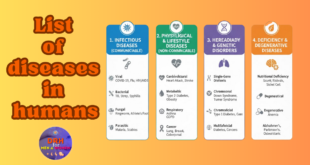
Because the term is so broad, medical conditions are often categorized to help medical professionals understand and treat them effectively. Here are some of the primary categories:
Infectious Diseases
These are caused by pathogenic microorganisms, such as bacteria, viruses, parasites, or fungi. They can be spread, directly or indirectly, from one person to another.
- Influenza (Flu): A viral infection that attacks the respiratory system.
- Tuberculosis: A bacterial disease that mainly affects the lungs.
Genetic Disorders
These conditions are caused by an abnormality in an individual’s genome. They can be inherited from parents or caused by new mutations or changes to the DNA.
- Cystic Fibrosis: An inherited disorder that causes severe damage to the lungs, digestive system, and other organs.
- Down Syndrome: A condition caused by the presence of an extra chromosome.
Chronic Diseases
As mentioned, these persist for a year or more and require ongoing medical attention. They are the leading causes of death and disability worldwide.
- Cardiovascular Disease: A class of diseases that involve the heart or blood vessels.
- Type 2 Diabetes: A chronic condition that affects the way the body processes blood sugar (glucose).
Mental Health Conditions
These involve changes in emotion, thinking, or behavior (or a combination of these). They are associated with distress and/or problems functioning in social, work, or family activities.
- Depression: A mood disorder that causes a persistent feeling of sadness and loss of interest.
- Anxiety Disorders: A group of mental health disorders characterized by feelings of anxiety and fear.
Autoimmune Diseases
These occur when the body’s immune system attacks healthy cells by mistake.
- Rheumatoid Arthritis: An autoimmune disorder that primarily affects joints.
- Lupus: A disease that occurs when your immune system attacks your own tissues and organs.
Causes and Risk Factors
Why do some people develop specific conditions while others do not? The answer is rarely simple. Most medical conditions arise from a complex interplay of factors.
Genetics play a significant role. If your parents or grandparents had heart disease or certain cancers, you may be at a higher risk. This doesn’t guarantee you will develop the condition, but it increases your susceptibility.
Lifestyle choices are another major contributor. Smoking, excessive alcohol consumption, poor diet, and lack of physical activity are leading drivers of chronic diseases. For example, smoking is the primary cause of lung cancer and chronic obstructive pulmonary disease (COPD).
Environmental factors also weigh in heavily. Exposure to toxins, pollution, and second-hand smoke can trigger various health issues. Furthermore, social determinants of health—such as access to healthcare, education, and socioeconomic status—significantly impact a person’s likelihood of developing a condition and their ability to manage it.
Understanding risk factors is crucial for prevention. A risk factor is any attribute, characteristic, or exposure of an individual that increases the likelihood of developing a disease or injury. While you cannot change your genetics, you can often modify lifestyle risk factors to protect your health.
Diagnosis and Treatment
The path to managing a medical condition begins with an accurate diagnosis. This process is essentially detective work for doctors. It typically starts with a clinical interview where the doctor gathers a medical history and discusses current symptoms.
Following this, a physical examination allows the doctor to look for visible signs of illness. To confirm a diagnosis, healthcare providers rely on various diagnostic tools:
- Laboratory tests: Blood, urine, and other fluid tests can help detect abnormalities.
- Imaging scans: X-rays, MRIs, CT scans, and ultrasounds provide pictures of the inside of the body.
- Biopsies: Removing a small sample of tissue for testing is often used to diagnose cancer.
Once a condition is identified, a treatment plan is developed. Treatment varies wildly depending on the condition:
- Medication: Pharmaceuticals can cure infections, manage symptoms, or slow disease progression.
- Therapy: Physical therapy helps restore movement, while psychotherapy helps manage mental health conditions.
- Surgery: Invasive procedures may be necessary to remove tumors, repair organs, or replace joints.
- Lifestyle Changes: Diet modification, exercise, and stress management are often the first line of defense, especially for chronic conditions.
Living with a Medical Condition
Receiving a diagnosis can be life-altering. Whether it is managing a chronic illness like diabetes or recovering from an acute injury, a medical condition often requires adjustments to daily life.
Physical management is only one part of the equation. Medication schedules, doctor appointments, and physical limitations can disrupt work and social routines. It requires organization and advocacy to ensure you get the care you need.
The psychological impact is equally significant. It is normal to feel grief, anger, or anxiety after a diagnosis. Chronic conditions, in particular, are linked to higher rates of depression.
To improve quality of life:
- Educate Yourself: The more you know about your condition, the better you can manage it.
- Build a Support System: Lean on friends, family, or support groups who understand what you are going through.
- Prioritize Self-Care: Sleep, nutrition, and stress reduction are vital for everyone, but essential for those managing a health issue.
- Communicate Openly: Be honest with your healthcare provider about your symptoms and how the treatment is affecting you.
Taking Charge of Your Health Journey
Understanding what a medical condition is—and the specific nature of any condition you may have—is the first step toward empowerment. It transforms you from a passive recipient of care into an active participant in your own health journey.
Remember that a diagnosis is not a label that defines you; it is merely a description of a physiological state that requires attention. Whether dealing with a temporary infection or a lifelong disorder, knowledge is your most powerful tool.
If you have concerns about your health or unexplained symptoms, do not wait. Seek professional medical advice. Early intervention often leads to better outcomes. By staying informed and proactive, you can navigate the complexities of healthcare with confidence.