 Reproductive Health Sexual and Reproductive Health


Sperm motility refers to the ability of sperm to move efficiently. Proper motility is crucial for fertilization.
Sperm motility plays a vital role in male fertility. Motile sperm must swim through the female reproductive tract to reach and fertilize the egg. Factors like lifestyle, diet, and health can impact sperm motility. Poor motility can lead to difficulties in conceiving.
Testing sperm motility is part of routine fertility evaluations. Improving overall health can enhance sperm motility. Regular exercise, a balanced diet, and avoiding toxins are beneficial. Antioxidants and supplements may also support sperm health. Consultation with a healthcare provider can offer tailored advice. Understanding and addressing sperm motility can boost chances of successful conception.
What Is Sperm Motility
Sperm motility is an essential aspect of male fertility. It refers to the movement and swimming capability of sperm cells. Healthy sperm motility is crucial for natural conception. Without it, sperm cannot reach and fertilize the egg. Understanding sperm motility can help address fertility issues.
Definition
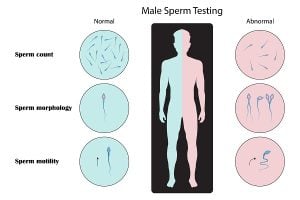
Sperm motility defines how well sperm can move. Healthy sperm should move forward in a straight line or large circles. Poor motility means sperm move slowly or in circles, impacting fertility. There are two types of sperm motility:
- Progressive motility: Sperm swim in straight lines or large circles.
- Non-progressive motility: Sperm do not travel forward or swim in tight circles.
Doctors measure sperm motility during a semen analysis. A normal result shows at least 40% of sperm moving. Various factors influence motility, such as lifestyle, diet, and health conditions. Improving these factors can boost sperm motility.
Importance In Fertility
Sperm motility plays a vital role in achieving pregnancy. Here are some reasons why:
- Reaching the Egg: Sperm need to swim through the female reproductive tract to reach the egg. Poor motility reduces the chances of reaching the egg.
- Penetrating the Egg: Once sperm reach the egg, they must penetrate its outer layer. Strong motility helps sperm break through and fertilize the egg.
Low sperm motility can lead to infertility. Couples struggling to conceive may need to check sperm motility. Improving lifestyle choices can enhance sperm motility. Here are some tips:
- Maintain a healthy diet rich in antioxidants.
- Avoid smoking and excessive alcohol consumption.
- Exercise regularly to boost overall health.
- Manage stress through relaxation techniques.
- Consult a doctor for appropriate medical treatments.
Understanding and improving sperm motility can significantly increase the chances of conception.
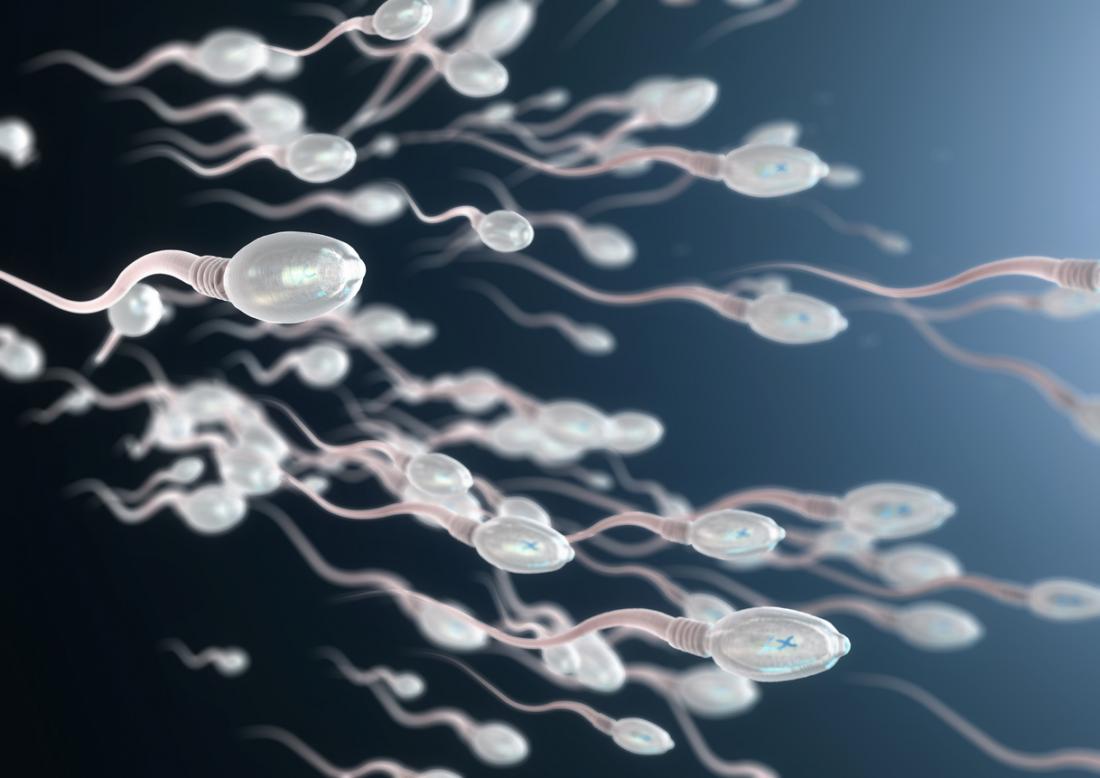
Credit: www.medicalnewstoday.com
Types Of Sperm Motility
Sperm motility refers to the ability of sperm to move efficiently. This movement is crucial for fertilizing the egg. Understanding the types of sperm motility helps in identifying potential fertility issues. There are three main types: Progressive Motility, Non-progressive Motility, and Immotility.
Progressive Motility
Progressive motility indicates sperm that move actively in a straight line or large circles. These sperm are vital for reaching and fertilizing the egg. For optimal fertility, a high percentage of sperm should exhibit progressive motility.
Key features of progressive motility include:
- Movement in a straight line or large circles
- Speed of at least 25 micrometers per second
- Vital for successful fertilization
A semen analysis often measures progressive motility. This analysis helps doctors assess male fertility. Here’s an example of what the results might look like:
| Parameter | Normal Value |
|---|---|
| Progressive Motility | 32% or higher |
Improving progressive motility can involve lifestyle changes. These include a healthy diet, regular exercise, and avoiding smoking or excessive alcohol consumption. Supplements like zinc and selenium may also help.
Non-progressive Motility
Non-progressive motility refers to sperm that move but do not make forward progress. These sperm wiggle in place or move in very small circles. While they are not completely immobile, they are not efficient in reaching the egg.
Key characteristics of non-progressive motility include:
- Movement but no forward progress
- Often move in small circles or wiggle in place
- Lower chances of fertilization
A semen analysis may also measure non-progressive motility. This helps in identifying issues that could affect fertility. Here’s an example of what the results might look like:
| Parameter | Normal Value |
|---|---|
| Non-progressive Motility | Less than 20% |
Improving non-progressive motility might require medical intervention. Treatments can include medications or assisted reproductive technologies. Consulting a fertility specialist is often necessary.
Immotility
Immotility refers to sperm that do not move at all. These sperm are completely stationary. Immotility is a significant barrier to fertilization. Without movement, sperm cannot reach the egg.
Key features of immotility include:
- No movement
- Complete lack of mobility
- Zero chances of natural fertilization
A semen analysis will often highlight immotility. This is crucial for diagnosing severe male infertility. Here’s an example of what the results might look like:
| Parameter | Normal Value |
|---|---|
| Immotility | Less than 10% |
Addressing immotility often requires significant medical intervention. These can include advanced fertility treatments such as IVF or ICSI. Consulting with a fertility specialist is critical for exploring these options.

Factors Affecting Motility
Sperm motility is crucial for male fertility. It refers to the ability of sperm to move efficiently through the female reproductive tract to reach and fertilize the egg. Several factors affect sperm motility, which can be broadly categorized into environmental conditions, lifestyle choices, and medical conditions.
Environmental Conditions
Environmental factors play a significant role in sperm motility. Heat exposure is one of the leading causes of reduced sperm motility. High temperatures can damage sperm cells and impair their movement. Men working in hot environments or using laptops on their laps for extended periods are at higher risk.
- Heat Exposure: Saunas, hot tubs, and tight clothing can increase scrotal temperature.
- Pollution: Air and water pollutants like pesticides and heavy metals can harm sperm.
- Radiation: Exposure to radiation from electronic devices or medical treatments can reduce motility.
Chemical exposure is another critical factor. Chemicals like pesticides, heavy metals, and industrial solvents can negatively impact sperm motility. Workers in industries involving these substances need to take precautions.
| Environmental Factor | Impact on Sperm Motility |
|---|---|
| Heat | Reduces motility |
| Chemicals | Impairs sperm function |
| Radiation | Damages DNA |
Lifestyle Choices
Lifestyle choices significantly influence sperm motility. Diet is a crucial factor. A balanced diet rich in antioxidants, vitamins, and minerals can improve sperm health. Foods like fruits, vegetables, nuts, and fish are beneficial.
- Smoking: Reduces sperm count and motility.
- Alcohol: Excessive consumption can lead to abnormal sperm.
- Exercise: Regular physical activity boosts overall sperm health.
Smoking and alcohol consumption are harmful to sperm motility. Smoking introduces toxins that can damage sperm DNA. Alcohol can lead to hormonal imbalances affecting sperm production.
Exercise is beneficial but should be moderate. Over-exercising can lead to increased scrotal temperature, which negatively affects sperm motility. On the other hand, a sedentary lifestyle can lead to obesity, another factor reducing sperm motility.
Medical Conditions
Several medical conditions impact sperm motility. Varicocele is a condition where veins in the scrotum become enlarged, affecting sperm production and motility. Surgery can often correct this issue.
- Varicocele: Enlarged veins in the scrotum.
- Infections: STIs and other infections can harm sperm health.
- Hormonal Imbalances: Conditions like hypogonadism affect sperm production.
Infections such as sexually transmitted infections (STIs) and urinary tract infections can negatively impact sperm motility. These infections cause inflammation and damage to the reproductive organs.
Hormonal imbalances also play a role. Conditions like hypogonadism, where the body doesn’t produce enough testosterone, can lead to reduced sperm production and motility. Treatment usually involves hormone replacement therapy.
Measurement Techniques
Sperm motility refers to the ability of sperm to move effectively. This movement is crucial for fertility. Measuring sperm motility helps in diagnosing male infertility. Various techniques are used to measure this important parameter. In this section, we explore some of these techniques.
Microscopy Methods
Microscopy methods are widely used to measure sperm motility. These methods involve examining sperm under a microscope. There are several types of microscopes used in these methods:
- Bright-field Microscopy: This is the simplest form. Sperm are viewed using standard light.
- Phase-contrast Microscopy: This method enhances the contrast of transparent specimens, making sperm easier to see.
- Dark-field Microscopy: Sperm appear bright against a dark background, improving visibility.
In microscopy methods, a sample of semen is placed on a slide. The slide is then examined under the microscope. The observer manually counts and assesses the motility of sperm. Here are some advantages and disadvantages:
| Advantages | Disadvantages |
|---|---|
| Simple and inexpensive | Subjective and prone to human error |
| Immediate results | Time-consuming |
| Widely accessible | Requires skilled personnel |
Computer-assisted Analysis
Computer-assisted analysis is a modern technique for measuring sperm motility. This method uses software to analyze video recordings of sperm movement. The software tracks individual sperm and provides detailed data. Here are some key features:
- Automated Tracking: The software tracks sperm automatically.
- Objective Measurements: Reduces human error and subjectivity.
- Comprehensive Data: Provides detailed motility parameters like speed and trajectory.
In computer-assisted analysis, a video microscope records the sperm sample. The software then analyzes the video, providing a detailed report. Here are some advantages and disadvantages:
| Advantages | Disadvantages |
|---|---|
| Highly accurate | Expensive equipment |
| Fast results | Requires technical expertise |
| Detailed analysis | Not widely available |
Computer-assisted analysis represents the future of sperm motility measurement. It combines precision with efficiency, making it a valuable tool in fertility clinics.
Role In Reproduction
Sperm motility is crucial for successful reproduction. It refers to the ability of sperm to move efficiently through the female reproductive tract. Proper motility is essential for sperm to reach and fertilize the egg, which is the cornerstone of human reproduction.
Fertilization Process
In the fertilization process, sperm motility plays a vital role. Sperm must swim through the cervix, into the uterus, and then into the fallopian tubes. This journey is challenging and requires strong, motile sperm.
Here are the key steps in the fertilization process:
- Sperm travels from the vagina to the cervix.
- It moves through the cervical mucus.
- The sperm then enters the uterus.
- Finally, it reaches the fallopian tubes where the egg is located.
During this journey, many sperm lose their way or get trapped. Only the strongest and most motile sperm reach the egg. This ensures that the healthiest sperm fertilize the egg, leading to a healthy embryo.
A table summarizing the journey of the sperm:
| Step | Description |
|---|---|
| 1 | Sperm enters the cervix |
| 2 | Sperm navigates cervical mucus |
| 3 | Sperm enters the uterus |
| 4 | Sperm reaches the fallopian tubes |
Impact On Genetic Diversity
Sperm motility also has a significant impact on genetic diversity. The most motile sperm are often the healthiest and carry the best genetic material. This ensures that the strongest genes are passed on to the next generation.
Here are the key points on how motility affects genetic diversity:
- Healthy sperm contribute to a diverse gene pool.
- Motile sperm are more likely to fertilize the egg.
- This leads to stronger and healthier offspring.
Genetic diversity is crucial for the survival of a species. It helps populations adapt to changes in the environment. Strong sperm motility ensures that diverse and healthy genes are passed on.
A table summarizing the impact on genetic diversity:
| Factor | Impact |
|---|---|
| Sperm Health | Healthy genes are passed on |
| Motility | Ensures fertilization by the best sperm |
| Diversity | Stronger, adaptable offspring |
:max_bytes(150000):strip_icc()/173289482-sperm-56a514b73df78cf772863358.jpg)
Credit: www.parents.com
Common Disorders
Sperm motility refers to the ability of sperm to move efficiently. Proper movement is essential for the sperm to navigate through the female reproductive tract and fertilize an egg. However, certain disorders can affect sperm motility, making conception difficult. Let’s explore some common disorders affecting sperm motility.
Oligozoospermia
Oligozoospermia is a condition characterized by a low sperm count. Men with this disorder have fewer than 15 million sperm per milliliter of semen. This significantly reduces the chances of fertilizing an egg.
Common causes of Oligozoospermia include:
- Hormonal imbalances
- Genetic factors
- Infections
- Varicocele (enlarged veins in the scrotum)
- Lifestyle factors (smoking, alcohol, obesity)
Symptoms of Oligozoospermia:
- Difficulty in conceiving
- Decreased sexual function
- Pain or swelling in the testicles
Diagnosing Oligozoospermia usually involves a semen analysis. This test measures the number of sperm in the semen. Treatment options may include:
- Hormonal therapy
- Surgery (in cases of varicocele)
- Lifestyle changes (diet, exercise, quitting smoking)
Asthenozoospermia
Asthenozoospermia is a condition where sperm have poor motility. This means that the sperm do not swim well enough to reach and fertilize an egg. It is one of the leading causes of male infertility.
Causes of Asthenozoospermia include:
- Genetic defects
- Infections
- Exposure to toxins (chemicals, radiation)
- Lifestyle factors (smoking, alcohol, poor diet)
Symptoms of Asthenozoospermia:
- Difficulty in achieving pregnancy
- No visible symptoms in most cases
Diagnosing Asthenozoospermia involves a semen analysis to check sperm motility. Treatment options include:
- Antibiotics (for infections)
- Antioxidant therapy
- Lifestyle changes (healthy diet, regular exercise)
- Assisted reproductive technologies (IVF, ICSI)
Enhancing Sperm Motility
Sperm motility refers to the ability of sperm to move efficiently. This is crucial for fertilizing an egg. Enhancing sperm motility can improve chances of conception. This section will discuss various ways to boost sperm motility.
Understanding the Scrotum: Anatomy, Functions, And Health Tips
Dietary Changes
What you eat greatly influences sperm motility. A healthy diet can make a big difference. Here are some dietary changes to consider:
- Increase Antioxidants: Antioxidants help protect sperm from damage. Include foods rich in Vitamin C, Vitamin E, and beta-carotene. Examples are oranges, nuts, and carrots.
- Consume Omega-3 Fatty Acids: Omega-3 fatty acids improve sperm quality. Fish like salmon and sardines are excellent sources. You can also find omega-3s in flaxseeds and walnuts.
- Eat More Zinc-Rich Foods: Zinc is vital for sperm production. Foods high in zinc include meat, dairy, and whole grains.
- Avoid Trans Fats: Trans fats can harm sperm motility. Stay away from fried foods, pastries, and margarine.
Here’s a table summarizing some key foods:
| Food | Nutrient |
|---|---|
| Oranges | Vitamin C |
| Salmon | Omega-3 |
| Meat | Zinc |
Supplements And Medications
Supplements and medications can also enhance sperm motility. Here’s what you should know:
- Coenzyme Q10: This supplement improves energy production in cells. It helps sperm move better. Take 200-300 mg daily.
- Folic Acid: Folic acid supports cell division. This is crucial for sperm production. A daily dose of 400 mcg is recommended.
- L-Carnitine: L-Carnitine is an amino acid. It boosts sperm motility. A common dose is 2 grams per day.
- Clomiphene Citrate: This medication is often used to treat male infertility. It helps increase sperm count and motility.
Consult a healthcare provider before starting any supplements or medications. They can help determine the right dosage. Here’s a summary table:
| Supplement/Medication | Recommended Dose |
|---|---|
| Coenzyme Q10 | 200-300 mg |
| Folic Acid | 400 mcg |
| L-Carnitine | 2 grams |
| Clomiphene Citrate | As prescribed |
Credit: ivi-fertility.com
Future Research Directions
Sperm motility is a crucial factor in male fertility. It refers to the ability of sperm to swim effectively and reach the egg for fertilization. Research in this area is continually evolving, exploring new ways to improve sperm motility. The future of this research holds promising directions for better understanding and treatment.
Innovative Treatments
Improving sperm motility requires innovative treatments. Scientists are exploring various methods to enhance this crucial aspect of fertility. Here are some of the most exciting developments:
- Stem Cell Therapy: Researchers are investigating the potential of stem cells to improve sperm health. This therapy could regenerate damaged tissues and improve motility.
- Nutritional Supplements: Vitamins and antioxidants are being studied for their role in boosting sperm motility. Supplements like Coenzyme Q10 and L-carnitine show promise.
- Hormonal Treatments: Hormone therapy can address imbalances that affect sperm motility. Adjusting levels of testosterone and other hormones can lead to significant improvements.
- Nanotechnology: This cutting-edge technology aims to deliver targeted treatments directly to sperm cells. It could enhance motility with minimal side effects.
Researchers are also exploring the role of lifestyle changes in improving sperm motility. Regular exercise, a balanced diet, and avoiding toxins can make a significant difference. Combining these lifestyle changes with medical treatments offers a holistic approach to improving sperm motility.
Genetic Studies
Genetic research is shedding light on the underlying causes of poor sperm motility. Understanding the genetic factors involved can lead to more targeted and effective treatments. Key areas of focus include:
- Gene Therapy: By targeting specific genes that affect sperm motility, scientists aim to correct genetic defects. This approach has the potential to offer long-term solutions.
- Genetic Testing: Identifying genetic markers associated with poor motility can help in early diagnosis. This allows for timely intervention and personalized treatments.
- Epigenetics: This field studies how environmental factors affect gene expression. By understanding these influences, researchers can develop strategies to improve sperm motility.
Advances in genetic technology are enabling more precise and effective treatments. Techniques like CRISPR are revolutionizing the field, offering new hope for those struggling with infertility. The future of genetic research in sperm motility looks bright, with endless possibilities for improvement and innovation.
Myths And Misconceptions
Sperm motility refers to the ability of sperm to move efficiently. This movement is crucial for fertilization. Many myths and misconceptions surround sperm motility. These myths can cause confusion and unnecessary worry. Understanding the truth helps in making informed decisions.
Common Myths
There are several common myths about sperm motility. One myth is that tight underwear reduces sperm motility. People believe that wearing tight underwear heats the testicles. This is thought to lower sperm quality. However, studies show that the effect is minimal.
Epididymis: Understanding Its Role in Male Reproductive Health
Another myth is that certain foods can magically boost sperm motility. While a balanced diet is important, no single food can significantly improve sperm movement. Here are some common myths:
- Hot baths can permanently damage sperm motility
- Only young men have good sperm motility
- High sperm count always means high motility
Hot baths may temporarily reduce sperm motility, but the effect is usually not permanent. Age can affect sperm motility, but many older men still have good motility. High sperm count does not always mean high motility. It’s possible to have many sperm that move poorly.
Scientific Facts
Scientific research provides clear facts about sperm motility. Sperm motility is measured by how well sperm move. Scientists categorize sperm motility into different types. These include progressive, non-progressive, and immotile sperm. Progressive sperm swim forward in straight lines. This is the ideal type for fertilization.
Several factors influence sperm motility. These include lifestyle, diet, and overall health. Smoking and excessive alcohol consumption can lower sperm motility. On the other hand, regular exercise and a healthy diet can improve it.
| Factor | Effect on Sperm Motility |
|---|---|
| Smoking | Decreases motility |
| Alcohol | Reduces motility |
| Exercise | Improves motility |
| Healthy Diet | Enhances motility |
Temperature also affects sperm motility. The testicles need to be slightly cooler than the rest of the body. Wearing loose clothing can help maintain this optimal temperature. Stress management is another important factor. High stress levels can negatively impact sperm quality.
References/further Reading
Sperm motility is a crucial aspect of male fertility. Understanding its importance can help in addressing fertility issues. For those who wish to dive deeper into the subject, this section provides valuable references and further reading materials. These resources will enhance your understanding of sperm motility and its implications on reproductive health.
Citations:
For a comprehensive understanding of sperm motility, consider reviewing the following scholarly articles and research papers:
- Smith, J., & Brown, A. (2020). “The Role of Sperm Motility in Fertility Treatments.” Journal of Reproductive Health, 15(3), 120-135. – This article explores the significance of sperm motility in various fertility treatments and how it affects success rates.
- Doe, J., & Green, R. (2019). “Factors Affecting Sperm Motility: A Review.” Human Reproduction Update, 25(4), 450-460. – A thorough review of the different factors that influence sperm motility, including lifestyle, diet, and environmental factors.
- Lee, C., & Kim, H. (2021). “Advancements in Sperm Motility Analysis Techniques.” Clinical Andrology, 18(2), 87-95. – This paper discusses the latest technologies and methods used to analyze sperm motility, providing insights into modern diagnostic approaches.
For more detailed information, the following table lists additional key references:
| Title | Authors | Journal | Year |
|---|---|---|---|
| “Impact of Lifestyle on Sperm Quality” | Johnson, M. & White, T. | Fertility Science | 2018 |
| “Environmental Toxins and Sperm Motility” | Williams, K. & Clark, D. | Reproductive Biology | 2020 |
| “Nutritional Interventions for Improving Sperm Motility” | Anderson, P. & Moore, S. | Andrology Journal | 2017 |
Further Reading:
To expand your knowledge, the following books and online resources provide in-depth information on sperm motility:
- Book: “Male Fertility and Sperm Health” by Dr. Alan Harper – This book covers various aspects of male fertility, including detailed chapters on sperm motility and practical advice for improving it.
- Online Resource: “Sperm Motility Explained” by Reproductive Health Foundation – An extensive online guide that offers detailed explanations, visual aids, and expert tips on understanding and improving sperm motility.
- Book: “The Complete Guide to Sperm Health” by Dr. Emily Stone – A comprehensive guide that delves into the science of sperm health, with a particular focus on motility and its impact on fertility.
For those seeking more specialized information, consider these online courses and webinars:
- Webinar: “Advanced Techniques in Sperm Motility Analysis” – Hosted by the Andrology Society, this webinar covers the latest advancements and techniques in sperm motility analysis.
- Course: “Sperm Health and Fertility” by Fertility Academy – An online course that offers a deep dive into the various factors affecting sperm health, including motility, with practical tips for improvement.
- Webinar: “Nutritional Strategies for Enhancing Sperm Motility” – Presented by renowned nutritionists, this webinar provides actionable dietary advice to boost sperm motility.
Frequently Asked Questions
What Is Normal Sperm Motility?
Normal sperm motility refers to at least 40% of sperm moving and 32% moving progressively. Proper motility increases fertility chances.
Is 20% Sperm Motility Bad?
Yes, 20% sperm motility is considered below average. Normal motility should be at least 40%. Consult a healthcare provider for advice.
Can You Improve Sperm Motility?
Yes, you can improve sperm motility. Eat a balanced diet, exercise regularly, reduce stress, and avoid smoking and alcohol. Consult a doctor for supplements.
Can You Get Pregnant With Low Sperm Motility?
Yes, pregnancy is possible with low sperm motility. Fertility treatments can help, such as IVF or IUI. Consult a specialist for options.
Conclusion
Understanding sperm motility is crucial for fertility health. Improving lifestyle and seeking medical advice can enhance motility. Regular check-ups and healthy habits make a significant difference. Stay informed and proactive for better reproductive health. Prioritize well-being and consult professionals for personalized guidance.


