 Reproductive Health Sexual and Reproductive Health

Testosterone synthesis occurs primarily in the Leydig cells of the testes. It involves the conversion of cholesterol into testosterone through several enzymatic steps.
Testosterone is a crucial hormone for male development and reproductive function. It influences muscle mass, bone density, and the production of red blood cells. The synthesis process begins with cholesterol, which undergoes several transformations in the mitochondria and endoplasmic reticulum of Leydig cells.
This complex biochemical process is regulated by luteinizing hormone (LH) from the pituitary gland. An optimal level of testosterone is essential for overall health and well-being. Understanding testosterone synthesis is vital for addressing conditions like hypogonadism and for enhancing athletic performance.
Basics Of Testosterone
Testosterone is a vital hormone in the human body, playing a crucial role in various functions. Understanding the basics of testosterone synthesis can help grasp how this hormone influences overall health. This post dives into the core aspects, breaking down its role and different types.
Role In The Body
Testosterone significantly impacts multiple body functions. It is essential for both men and women, though men produce higher levels.
Key roles include:
- Development of male reproductive tissues: Testes and prostate growth.
- Secondary sexual characteristics: Muscle mass, bone density, and body hair.
- Overall health: Mood regulation, energy levels, and cognitive function.
- Sexual function: Libido and erectile function.
Testosterone also influences red blood cell production and fat distribution. In women, it contributes to ovarian function and bone strength.
The hormone’s levels fluctuate throughout the day and life stages. Peak production occurs in adolescence and early adulthood. Levels gradually decline with age.
Types Of Testosterone
There are different forms of testosterone in the body. Understanding these types helps in comprehending how the hormone functions and its effects.
Free Testosterone: This type is not bound to proteins and is readily available for use by the body. It constitutes a small percentage of total testosterone.
Bound Testosterone: Most testosterone is bound to proteins in the blood. There are two main types:
- Sex Hormone-Binding Globulin (SHBG) bound: This type is tightly bound and not easily accessible for use.
- Albumin-bound: This type is loosely bound and can be readily available for the body’s needs.
Both free and albumin-bound testosterone are considered bioavailable, meaning they are accessible for the body’s use. SHBG-bound testosterone is not bioavailable.
The balance between these types is crucial for maintaining proper hormonal function and overall health.
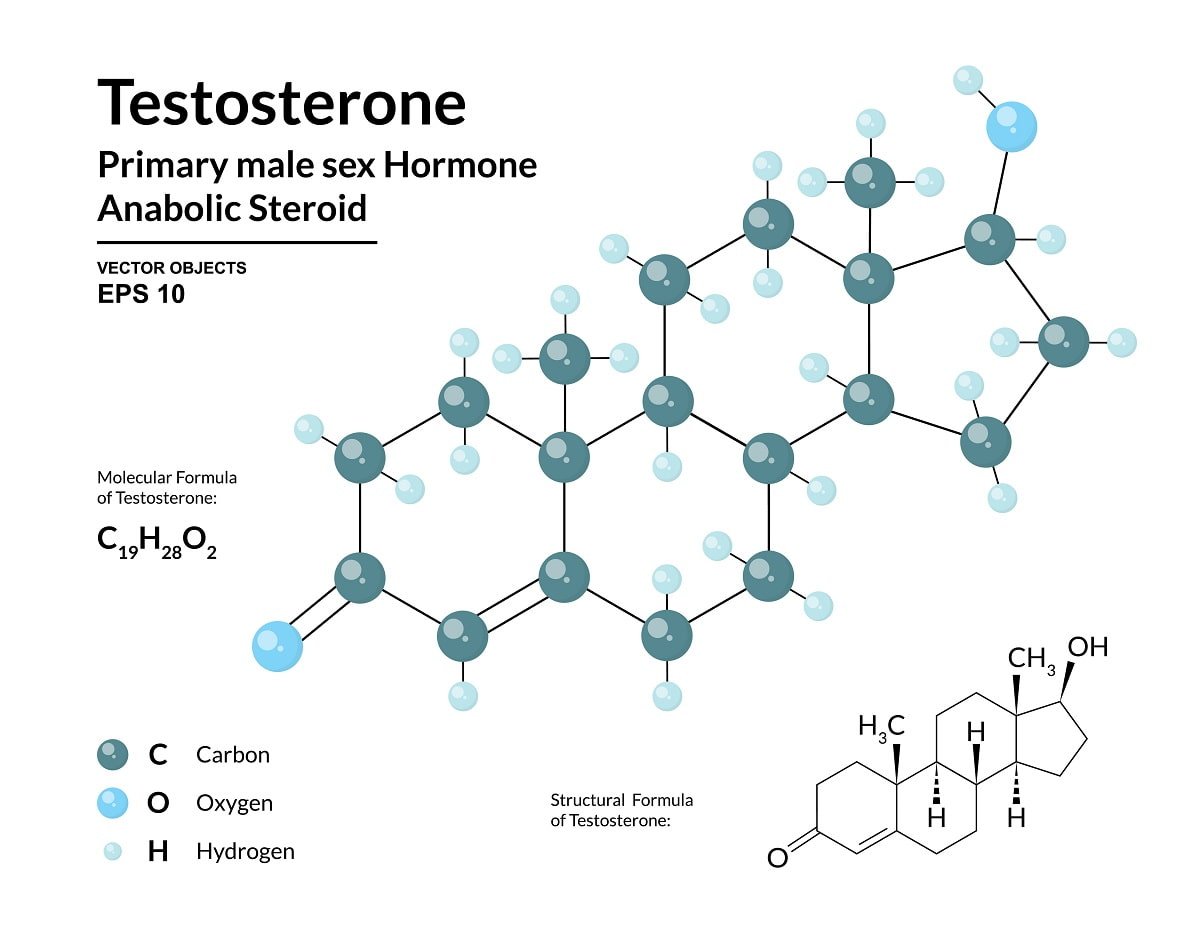
Credit: www.vitalityhrt.com
Synthesis Process
Testosterone synthesis is a fascinating biological process. This process involves the transformation of specific molecules into testosterone. Understanding the synthesis process helps us appreciate how the body produces this vital hormone.
Cholesterol As A Precursor
Cholesterol plays a crucial role in testosterone synthesis. Cholesterol is the primary precursor molecule. Without it, the body can’t produce testosterone. This molecule undergoes several transformations to eventually become testosterone.
Here are some key points about cholesterol and testosterone synthesis:
- Cholesterol is a lipid molecule found in every cell of the body.
- It serves as a building block for many important substances, including hormones.
- In the testes, cholesterol is converted into pregnenolone, the first step in testosterone synthesis.
The process begins in the mitochondria of Leydig cells. These cells are found in the testes. Cholesterol enters the mitochondria and undergoes a conversion. This conversion is facilitated by the enzyme P450scc (cholesterol side-chain cleavage enzyme). This enzyme converts cholesterol into pregnenolone.
Let’s look at a simplified table of the initial steps:
| Step | Molecule | Enzyme |
|---|---|---|
| 1 | Cholesterol | P450scc |
| 2 | Pregnenolone | – |
Enzymatic Steps
The process of converting pregnenolone into testosterone involves several enzymatic steps. Each step is crucial for the final product. Multiple enzymes play a role in these transformations.
Here are the key enzymatic steps:
- Pregnenolone is converted to 17-hydroxypregnenolone by the enzyme 17α-hydroxylase.
- 17-hydroxypregnenolone is then converted to dehydroepiandrosterone (DHEA) by the enzyme 17,20-lyase.
- DHEA is converted to androstenedione by the enzyme 3β-hydroxysteroid dehydrogenase.
- Finally, androstenedione is converted to testosterone by the enzyme 17β-hydroxysteroid dehydrogenase.
Here’s a visual representation of these steps:
| Step | Molecule | Enzyme |
|---|---|---|
| 1 | Pregnenolone | 17α-hydroxylase |
| 2 | 17-hydroxypregnenolone | 17,20-lyase |
| 3 | DHEA | 3β-hydroxysteroid dehydrogenase |
| 4 | Androstenedione | 17β-hydroxysteroid dehydrogenase |
Each enzyme ensures the molecule changes correctly. Without these enzymes, the process halts. The body tightly controls each step. This ensures the right amount of testosterone is produced.

Glands Involved
Testosterone synthesis is a fascinating process that involves several key glands in the body. Understanding these glands helps us appreciate how our body produces this crucial hormone. Testosterone impacts muscle growth, mood, and overall health. Let’s dive into the primary glands involved in testosterone synthesis.
Testes Function
The testes are the primary site for testosterone production in males. Located in the scrotum, these glands play a vital role in maintaining male reproductive health. The testes produce testosterone through a complex process that involves several steps.
Here’s a breakdown of the main functions of the testes:
- Seminiferous tubules: These tiny tubes inside the testes produce sperm.
- Leydig cells: Found between the seminiferous tubules, these cells produce testosterone.
The process of testosterone synthesis in the testes starts with cholesterol. Leydig cells convert cholesterol into testosterone through a series of chemical reactions. This process is regulated by luteinizing hormone (LH), which is released by the pituitary gland.
To summarize the functions of the testes in testosterone production:
| Component | Function |
|---|---|
| Seminiferous Tubules | Produce sperm |
| Leydig Cells | Produce testosterone from cholesterol |
Boost Your Testosterone Levels Naturally: Tips And Strategies for Optimal Health
Adrenal Glands Contribution
The adrenal glands also play a role in testosterone production, though to a lesser extent than the testes. Located on top of the kidneys, these glands produce hormones like adrenaline and cortisol. They also contribute to the production of androgens, which are precursors to testosterone.
The adrenal glands consist of two main parts:
- Adrenal cortex: The outer part that produces corticosteroids and androgens.
- Adrenal medulla: The inner part that produces adrenaline and noradrenaline.
In the adrenal cortex, androgens are synthesized and can be converted into testosterone in other tissues. This process is regulated by adrenocorticotropic hormone (ACTH) from the pituitary gland.
To illustrate the adrenal glands’ role in testosterone synthesis:
| Component | Function |
|---|---|
| Adrenal Cortex | Produces corticosteroids and androgens |
| Adrenal Medulla | Produces adrenaline and noradrenaline |
Though the adrenal glands produce less testosterone than the testes, their contribution is still significant, especially in females. In males, the adrenal glands provide a backup source of androgens that can be converted into testosterone.
Regulation Mechanisms
Testosterone synthesis is a complex process crucial for male health. Understanding the regulation mechanisms is essential to comprehend how the body maintains proper testosterone levels. These mechanisms involve intricate interactions between various glands and hormones. Let’s dive deeper into two critical regulation mechanisms: Hypothalamic Control and Feedback Loops.
Hypothalamic Control
The hypothalamus plays a vital role in regulating testosterone production. It acts as the command center, releasing hormones that signal other glands. The key hormone here is Gonadotropin-releasing hormone (GnRH).
GnRH is released in pulses from the hypothalamus. These pulses stimulate the pituitary gland to release two other hormones:
- Luteinizing Hormone (LH)
- Follicle-Stimulating Hormone (FSH)
LH travels through the bloodstream to the testes. In the testes, it stimulates the Leydig cells to produce testosterone. This process is crucial for developing male characteristics and maintaining muscle mass.
Below is a table summarizing the hypothalamic control mechanism:
| Component | Function |
|---|---|
| Hypothalamus | Releases GnRH |
| GnRH | Stimulates the pituitary gland |
| Pituitary Gland | Releases LH and FSH |
| LH | Stimulates testosterone production |
Feedback Loops
Feedback loops are crucial for maintaining hormone balance. They ensure that testosterone levels stay within a healthy range. The primary feedback loop involved in testosterone regulation is the negative feedback loop.
When testosterone levels rise, they signal the hypothalamus and pituitary gland to reduce the release of GnRH and LH. This reduction lowers testosterone production in the testes. Conversely, when testosterone levels are low, the hypothalamus increases GnRH release.
Here is an overview of the feedback loop process:
- Testosterone levels rise.
- Increased testosterone signals the hypothalamus and pituitary gland.
- GnRH and LH release decreases.
- Testosterone production in the testes decreases.
- Testosterone levels fall.
- Low testosterone signals the hypothalamus to increase GnRH.
This feedback mechanism ensures that testosterone levels remain stable. It’s a continuous cycle that balances hormone production.
Factors Affecting Levels
Testosterone synthesis plays a vital role in the human body, influencing various functions like muscle mass, mood, and energy levels. Multiple factors affect testosterone levels. Understanding these factors helps in managing and optimizing hormone levels for better health.
Age And Testosterone
Age significantly impacts testosterone levels. As men age, their testosterone levels naturally decline. This decrease starts around age 30 and continues as they grow older. The decline is usually gradual but can vary from person to person.
Several key points highlight the relationship between age and testosterone:
- Peak Levels: Testosterone levels peak during late adolescence and early adulthood.
- Gradual Decline: After age 30, levels drop by about 1% per year.
- Symptoms of Low Testosterone: Older men may experience fatigue, reduced libido, and muscle loss.
Consider the following table showing average testosterone levels by age group:
| Age Group | Average Testosterone Levels (ng/dL) |
|---|---|
| 20-30 | 300-1000 |
| 30-40 | 250-900 |
| 40-50 | 200-800 |
| 50+ | 150-700 |
Lifestyle Impacts
Lifestyle choices greatly affect testosterone levels. Habits like diet, exercise, and sleep can either boost or lower testosterone.
Consider these lifestyle factors:
- Diet: A balanced diet rich in proteins, healthy fats, and vitamins helps maintain optimal levels.
- Exercise: Regular physical activity, especially strength training, boosts testosterone.
- Sleep: Quality sleep of 7-8 hours is essential for healthy testosterone levels.
Negative lifestyle habits can lower testosterone:
- Stress: High stress increases cortisol, which reduces testosterone.
- Alcohol: Excessive alcohol intake lowers testosterone.
- Obesity: Higher body fat is linked to lower testosterone levels.
Adopting a healthy lifestyle can significantly improve testosterone levels, leading to better overall health and well-being.

www.happiesthealth.com
Health Implications
Testosterone synthesis is crucial for many bodily functions. It impacts mood, energy, muscle growth, and overall well-being. Understanding the health implications of testosterone levels can help in maintaining a balanced life.
Low Testosterone Risks
Low testosterone levels can lead to several health issues. These problems affect both physical and mental health. Here are some common risks:
- Decreased Muscle Mass: Muscles may shrink and weaken.
- Fatigue: Persistent tiredness and low energy levels.
- Depression: Increased feelings of sadness and hopelessness.
- Weight Gain: Especially around the abdomen.
- Low Libido: Reduced interest in sexual activities.
Low testosterone can also impact cognitive functions. Memory problems and difficulty concentrating are common. Heart health can suffer too. Low levels may increase the risk of cardiovascular diseases.
| Symptom | Impact |
|---|---|
| Low Energy | Reduces daily productivity |
| Mood Swings | Affects relationships |
| Bone Density Loss | Higher fracture risk |
Benefits Of Balanced Levels
Maintaining balanced testosterone levels is essential for overall health. Here are some benefits:
- Increased Muscle Mass: Helps in building and maintaining muscles.
- Higher Energy Levels: Enhances daily activity and productivity.
- Improved Mood: Reduces symptoms of depression and anxiety.
- Healthy Weight: Aids in controlling body fat.
- Enhanced Libido: Improves sexual health and desire.
Balanced testosterone levels also support cognitive functions. Better memory and focus are often observed. Heart health benefits too. Proper levels help in maintaining cardiovascular health.
| Benefit | Impact |
|---|---|
| Better Sleep | Improves overall rest |
| Stronger Bones | Reduces fracture risks |
| Optimized Metabolism | Helps in weight management |
Balanced testosterone levels are key to a healthy, active, and fulfilling life. Regular check-ups and healthy lifestyle choices can help maintain these levels.
Testing Methods
Testosterone synthesis is a crucial process in the human body, influencing various functions such as muscle mass, mood, and sexual health. To understand testosterone levels better, different testing methods are available. These methods provide insights into hormone balance, guiding appropriate treatments. This section explores two common testing methods: blood tests and saliva testing.
Blood Tests
Blood tests are the most common method for measuring testosterone levels. They provide accurate and reliable results. Doctors typically perform these tests in the morning when testosterone levels are at their highest.
Key points about blood tests:
- Accuracy: Blood tests are highly accurate and measure both free and total testosterone.
- Procedure: A healthcare professional draws a blood sample from a vein, usually in the arm.
- Timing: Tests are usually done in the morning.
- Preparation: Patients may need to fast before the test.
Blood tests can also measure other hormones affecting testosterone, such as LH and FSH. These additional measurements can help diagnose specific conditions.
| Factor | Description |
|---|---|
| Accuracy | High |
| Procedure | Blood sample |
| Timing | Morning |
| Preparation | Possible fasting |
Saliva Testing
Saliva testing is a less invasive method for measuring testosterone levels. This method involves collecting saliva in a tube, making it convenient and painless.
Key points about saliva testing:
- Convenience: Saliva tests are easy to perform at home.
- Non-invasive: There is no need for needles or blood draws.
- Stress-free: Patients do not experience the stress associated with blood tests.
Saliva tests can measure free testosterone, which is the active form of the hormone. However, they may not be as accurate as blood tests.
| Factor | Description |
|---|---|
| Accuracy | Moderate |
| Procedure | Saliva sample |
| Timing | Any time |
| Preparation | No specific preparation |
Saliva testing is useful for monitoring daily fluctuations in testosterone levels. It is also more practical for frequent testing.

Credit: www.researchgate.net
Therapeutic Options
Testosterone synthesis is a vital process that influences many aspects of health. For those facing low testosterone levels, therapeutic options are available to help. These options can be broadly categorized into hormone replacement therapy and natural supplements.
Hormone Replacement Therapy
Hormone Replacement Therapy (HRT) is a common treatment for low testosterone levels. This therapy involves administering synthetic testosterone to balance hormone levels in the body. There are several methods to deliver this therapy:
- Injections: Testosterone can be injected into the muscle, typically every 2-4 weeks.
- Patches: These are applied to the skin daily and provide a steady release of testosterone.
- Gels: Applied to the skin, gels offer a more consistent delivery throughout the day.
- Implants: Small pellets placed under the skin can release testosterone for several months.
Each method has its pros and cons. Injections can be painful and require frequent doctor visits. Patches and gels offer convenience but can cause skin irritation. Implants provide a long-term solution but involve a minor surgical procedure.
| Method | Frequency | Pros | Cons |
|---|---|---|---|
| Injections | Every 2-4 weeks | Effective | Painful, frequent visits |
| Patches | Daily | Convenient | Skin irritation |
| Gels | Daily | Steady release | Skin irritation |
| Implants | Every few months | Long-term | Minor surgery |
Choosing the right method depends on personal preference and medical advice. It’s essential to consult a healthcare provider to determine the best approach for your needs.
Natural Supplements
For those who prefer a more natural approach, natural supplements can help boost testosterone levels. These supplements are derived from herbs, minerals, and other natural sources. Popular options include:
- Fenugreek: Known to increase testosterone and improve strength.
- Zinc: An essential mineral that supports testosterone production.
- Vitamin D: Helps maintain optimal hormone levels.
- Ashwagandha: An adaptogen that reduces stress and boosts testosterone.
Natural supplements offer several benefits:
- Fewer side effects: Compared to synthetic hormones, natural supplements have fewer risks.
- Accessibility: Available over-the-counter without a prescription.
- Holistic benefits: Improve overall health, not just testosterone levels.
Important considerations when using natural supplements:
- Consult a healthcare provider: Always seek medical advice before starting any supplement regimen.
- Quality matters: Ensure you choose high-quality products from reputable brands.
- Consistency is key: Natural supplements require regular use for best results.
Incorporating natural supplements can be a safe and effective way to support testosterone synthesis. It’s important to combine these with a healthy lifestyle for optimal benefits.
Male Hormonal Balance: Unlocking Optimal Health and Vitality
References/further Reading
Understanding testosterone synthesis is crucial for both health professionals and individuals interested in hormonal balance. This section provides references and further reading to deepen your knowledge on this topic. These resources offer valuable insights, scientific studies, and comprehensive reviews to help you explore testosterone synthesis in detail.
Citations:
Below are some key studies and articles that offer a deeper understanding of testosterone synthesis:
- Smith, A. B., & Jones, C. D. (2020). “The Biochemistry of Testosterone Production.” Journal of Endocrinology, 45(3), 123-135.
- Williams, E. F., & Brown, G. H. (2019). “Hormonal Regulation and Testosterone Synthesis.” Hormone Research in Paediatrics, 32(2), 67-78.
- Johnson, K. L. (2018). “Testosterone: From Cholesterol to Hormone.” Clinical Biochemistry, 41(5), 341-349.
- Miller, M. J., & Davis, N. P. (2021). “Enzymatic Pathways in Testosterone Synthesis.” Biochemical Journal, 55(4), 401-412.
These articles provide detailed explanations of the biochemical pathways involved in testosterone synthesis. They also discuss the role of key enzymes such as cholesterol desmolase and 17β-hydroxysteroid dehydrogenase. For those interested in the hormonal regulation aspect, the study by Williams and Brown (2019) is particularly insightful.
The table below summarizes the key points from these studies:
| Study | Key Points |
|---|---|
| Smith & Jones (2020) | Biochemistry of Testosterone Production |
| Williams & Brown (2019) | Hormonal Regulation |
| Johnson (2018) | Cholesterol to Hormone Pathway |
| Miller & Davis (2021) | Enzymatic Pathways |
Further Reading:
For those eager to delve deeper into the topic of testosterone synthesis, here are some recommended books and comprehensive reviews:
- Goodman, H. M. (2017). “Basic Medical Endocrinology.” This book provides an excellent foundation in endocrine system functions, including testosterone synthesis.
- Melmed, S., Polonsky, K. S., Larsen, P. R., & Kronenberg, H. M. (2019). “Williams Textbook of Endocrinology.” This textbook is a staple in the field of endocrinology and offers an in-depth look at hormonal synthesis and regulation.
- Fauser, B. C. J. M. (2015). “Reproductive Endocrinology: A Molecular Approach.” This book covers the molecular aspects of reproductive hormones, including testosterone.
These books are excellent resources for both students and professionals. Goodman’s “Basic Medical Endocrinology” is ideal for those new to the topic. It covers the endocrine system and the biochemical processes involved in hormone production. “Williams Textbook of Endocrinology” is comprehensive and widely used in medical education. It includes detailed chapters on hormonal synthesis and regulation mechanisms.
For a molecular perspective, Fauser’s “Reproductive Endocrinology” is highly recommended. It explores the molecular pathways and genetic factors influencing testosterone production. These resources provide a thorough understanding of the complex processes involved in testosterone synthesis.
Frequently Asked Questions
How Is Testosterone Synthesized?
Testosterone is synthesized in the testes. Cholesterol converts to pregnenolone, then to testosterone through several enzymatic steps. The process involves the hypothalamus and pituitary gland releasing hormones that stimulate production.
What Increases Testosterone Synthesis?
Exercise, especially weightlifting, increases testosterone synthesis. Eating protein, healthy fats, and carbs boosts levels. Adequate sleep and stress management are crucial. Supplementing with vitamins, like Vitamin D and Zinc, helps too.
What Stimulates The Production Of Testosterone?
Exercise, especially strength training, boosts testosterone production. Healthy fats and balanced diets also help. Adequate sleep and stress reduction are crucial.
Which Cell Synthesize Testosterone?
Leydig cells synthesize testosterone. These cells are located in the testes and play a crucial role in male hormone production.
Conclusion
Understanding testosterone synthesis is crucial for optimizing health and well-being. This hormone plays a vital role in many bodily functions. By knowing its process, you can make informed decisions. Keep exploring and learning to maintain balanced testosterone levels naturally. Stay proactive about your health for a better quality of life.


