Reproductive Health Sexual and Reproductive Health


Estrogen is a crucial hormone primarily involved in female reproductive health. It also affects various bodily functions and overall well-being.
Estrogen plays a vital role in regulating the menstrual cycle and reproductive system. This hormone is essential for the development of female secondary sexual characteristics, such as breasts and hips. Estrogen also impacts bone density, cardiovascular health, and mood regulation.
Its balance is crucial for maintaining optimal health. Imbalances can lead to issues like osteoporosis, heart disease, and mood disorders. Understanding estrogen’s functions and benefits helps in addressing health concerns and improving quality of life. Proper management through lifestyle choices and medical interventions ensures hormonal balance and overall well-being.
:max_bytes(150000):strip_icc()/VWH-TheresaChiechi-SymptomsofHighEstrogenLevels-Standard-3e2d14d2e4164cc58b694e12a45b1674.jpg)
Credit: www.verywellhealth.com
Role Of Estrogen
Estrogen is a vital hormone in the human body. It affects various functions and systems. Understanding its role helps in grasping its importance in health.
Hormonal Functions
Estrogen regulates many bodily functions. It controls the menstrual cycle in women. It also supports reproductive health.
Estrogen helps in the development of secondary sexual characteristics. These include breast development and pubic hair growth.
In men, estrogen plays a role too. It helps in sperm maturation and libido.
| Function | Role of Estrogen |
|---|---|
| Menstrual Cycle | Regulates and maintains the cycle |
| Reproductive Health | Supports reproductive organs |
| Secondary Sexual Characteristics | Develops features like breasts |
| Sperm Maturation | Aids in sperm development |
Estrogen In Men And Women
Both men and women produce estrogen. In women, it is produced in the ovaries. In men, it is produced in the testes and adrenal glands.
Women have higher levels of estrogen. This is crucial for their reproductive system. During menopause, estrogen levels drop significantly. This leads to various symptoms like hot flashes and mood swings.
Men have lower levels of estrogen. Yet, it is essential for their health too. Estrogen helps in maintaining bone density in men. It also supports brain function and cardiovascular health.
- Women produce estrogen in ovaries.
- Men produce estrogen in testes and adrenal glands.
- Higher estrogen levels in women.
- Lower estrogen levels in men.
Estrogen impacts both genders significantly. Its balance is crucial for overall health.
Estrogen Production
Estrogen is a vital hormone in the body. It plays a crucial role in many bodily functions. Understanding its production is key to comprehending its impact on health.
Sources Of Estrogen
There are several sources of estrogen in the body. The primary source is the ovaries. They produce estrogen in women. Other sources include:
- Adrenal glands
- Fat tissue
- Placenta (during pregnancy)
Men also have estrogen, but in smaller amounts. Their primary source is the adrenal glands and fat tissue.
Life Stages And Estrogen
Estrogen levels change during different life stages. Here is a table showing estrogen levels at various stages:
| Life Stage | Estrogen Level |
|---|---|
| Childhood | Low |
| Puberty | Increasing |
| Reproductive Years | High |
| Menopause | Decreasing |
During puberty, estrogen levels rise. This causes many changes in the body. In the reproductive years, estrogen levels are high. This helps with fertility and overall health. During menopause, estrogen levels drop. This leads to various symptoms like hot flashes and mood changes.
Estrogen And Reproductive Health
Estrogen is a key hormone in the reproductive system. It plays a crucial role in various functions. Understanding its impact can help maintain good reproductive health.
Menstrual Cycle
Estrogen controls the menstrual cycle. It helps build the uterine lining. This prepares the uterus for a possible pregnancy. Estrogen levels rise and fall during the cycle. When estrogen levels drop, menstruation begins.
| Phase | Estrogen Level |
|---|---|
| Follicular Phase | Increases |
| Ovulation | Peaks |
| Luteal Phase | Decreases |
| Menstruation | Lowest |
Pregnancy And Fertility
Estrogen is vital for pregnancy and fertility. It prepares the uterus for implantation. This hormone supports the growth of the embryo. During pregnancy, estrogen levels rise significantly. High estrogen levels maintain the pregnancy.
- Promotes blood flow to the placenta
- Supports fetal development
- Regulates other reproductive hormones
Estrogen also impacts fertility. Balanced estrogen levels are necessary for ovulation. Imbalanced estrogen can lead to fertility issues. Maintaining healthy estrogen levels is essential for reproductive health.
Estrogen’s Impact On Bone Health
Understanding estrogen’s role in bone health is essential. Estrogen, a crucial hormone, plays a significant part in maintaining strong bones. It helps regulate the bone remodeling process, ensuring bones stay healthy and dense. Estrogen deficiency can lead to bone-related issues, making it vital to understand its impact.
Bone Density
Bone density refers to the strength of bones. Estrogen helps maintain bone density by promoting the activity of osteoblasts, the cells responsible for bone formation. With adequate estrogen levels, bones remain strong and less prone to fractures.
Low estrogen levels can lead to decreased bone density. This condition is known as osteopenia. It is a precursor to osteoporosis, a more severe bone condition. Regular monitoring and maintaining healthy estrogen levels can prevent bone density loss.
Osteoporosis Prevention
Osteoporosis is a condition where bones become weak and brittle. Estrogen plays a critical role in preventing osteoporosis. It inhibits the activity of osteoclasts, the cells that break down bone tissue. This helps maintain a balance between bone formation and resorption.
| Factor | Impact on Bone Health |
|---|---|
| Estrogen Levels | High levels promote bone formation, low levels increase bone resorption. |
| Osteoclast Activity | Reduced by estrogen, preventing excessive bone breakdown. |
| Osteoblast Activity | Enhanced by estrogen, promoting bone formation. |
Maintaining adequate estrogen levels through diet, lifestyle, or medication can help prevent osteoporosis. Regular check-ups and bone density tests are essential for early detection and treatment.
Cardiovascular Benefits
Estrogen plays a crucial role in maintaining cardiovascular health. This hormone offers multiple benefits for the heart and blood vessels.

sprintmedical.in
Heart Health
Estrogen helps keep blood vessels flexible. It ensures smooth blood flow. This reduces the risk of heart disease.
Women have a lower risk of heart disease before menopause. This is due to higher estrogen levels. Estrogen also helps reduce inflammation in the body.
Cholesterol Levels
Estrogen positively affects cholesterol levels. It helps increase HDL cholesterol (good cholesterol) and decrease LDL cholesterol (bad cholesterol).
Here is a summary of how estrogen impacts cholesterol:
| Type of Cholesterol | Effect of Estrogen |
|---|---|
| HDL Cholesterol | Increases |
| LDL Cholesterol | Decreases |
These changes help prevent plaque buildup in the arteries. This keeps the heart and blood vessels healthy.
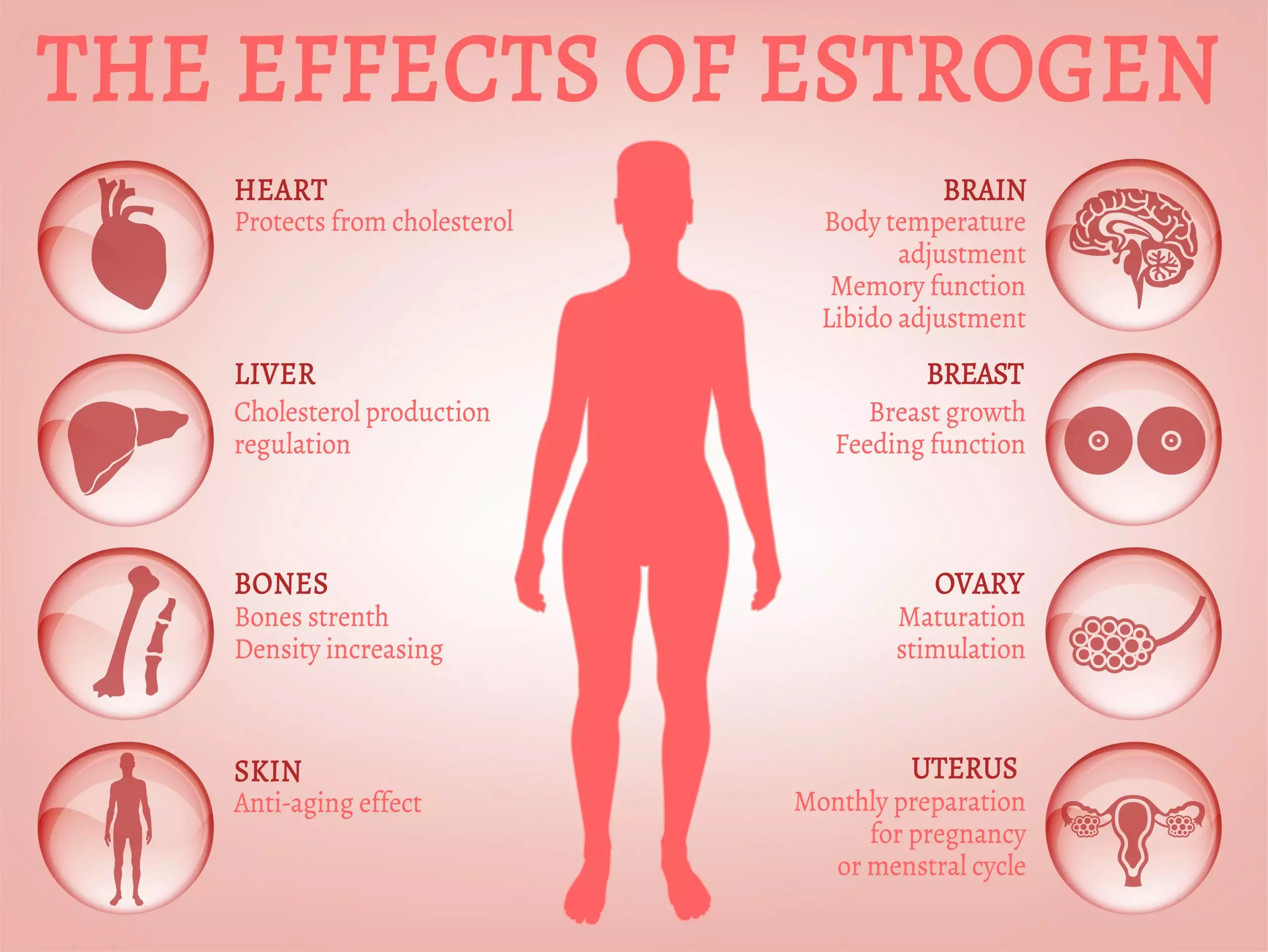
Credit: responsumhealth.com
Estrogen And Brain Function
Estrogen, a key hormone, plays a vital role in brain health. It influences various functions, including memory, mood, and cognitive skills. Understanding estrogen’s impact on the brain helps us grasp its significance in overall health.
Cognitive Health
Estrogen significantly impacts cognitive health. It aids in maintaining memory and learning abilities. Studies show that estrogen can enhance brain plasticity, which is crucial for learning and memory.
Here are some ways estrogen supports cognitive health:
- Boosts brain cell growth
- Enhances communication between neurons
- Protects against cognitive decline
Estrogen also helps in the formation of synaptic connections. This process is vital for retaining new information and skills.
Mood Regulation
Estrogen plays a key role in mood regulation. It influences the production of serotonin, a neurotransmitter linked to mood. Low estrogen levels can lead to mood swings, anxiety, and depression.
Consider these effects of estrogen on mood:
| Effect | Description |
|---|---|
| Reduces anxiety | Helps calm the brain |
| Improves mood | Elevates serotonin levels |
| Stabilizes emotions | Balances mood swings |
By influencing these aspects, estrogen helps maintain emotional well-being. Understanding its role can aid in managing mental health effectively.
Skin And Hair Health
Estrogen plays a crucial role in maintaining skin and hair health. It impacts skin elasticity and hair growth, ensuring you look your best.
Skin Elasticity
Estrogen helps maintain skin elasticity. It boosts collagen production, which is essential for firm skin. With age, estrogen levels drop, leading to sagging skin and wrinkles.
Estrogen also helps in retaining skin moisture. Hydrated skin looks plump and youthful. Dry skin can lead to flakiness and irritation.
Here’s a quick overview of estrogen’s effects on skin:
| Function | Impact |
|---|---|
| Collagen Production | Increases firmness |
| Moisture Retention | Prevents dryness |
| Blood Flow | Improves skin tone |
Hair Growth
Estrogen significantly affects hair growth. It prolongs the growth phase of hair follicles. This results in longer, thicker hair.
During menopause, reduced estrogen can lead to hair thinning. Women might notice more hair shedding and slower growth.
Key benefits of estrogen on hair:
- Enhances hair growth
- Reduces hair shedding
- Improves hair thickness
Maintaining balanced estrogen levels supports both healthy skin and vibrant hair. Addressing hormonal imbalances can greatly improve your appearance.
Metabolic Effects
Estrogen plays a vital role in our body’s metabolism. Understanding its metabolic effects helps us manage weight and insulin sensitivity. Estrogen levels impact how our body uses and stores energy.
Weight Management
Estrogen influences fat distribution in the body. Women with balanced estrogen levels often store fat in the hips and thighs. This fat distribution can change with fluctuating estrogen levels. Low estrogen may lead to increased abdominal fat, which is harder to lose.
Here are some key points about estrogen’s role in weight management:
- Fat Storage: Estrogen helps regulate where fat is stored.
- Energy Expenditure: Estrogen can affect how many calories you burn.
- Appetite Control: Estrogen can influence hunger and fullness signals.
Insulin Sensitivity
Estrogen is crucial for maintaining proper insulin sensitivity. Insulin helps regulate blood sugar levels. Estrogen helps cells respond better to insulin. This means glucose can be used for energy efficiently.
Key benefits of estrogen on insulin sensitivity include:
- Improved Glucose Metabolism: Estrogen aids in better glucose utilization.
- Reduced Risk of Diabetes: Balanced estrogen levels can lower diabetes risk.
- Enhanced Insulin Response: Estrogen helps in better insulin function.
In summary, estrogen’s metabolic effects are significant. Understanding its role in weight management and insulin sensitivity can lead to better health.
Estrogen And Cancer Risks
Estrogen plays a vital role in the body. It regulates many functions. But, it can also impact cancer risks. Understanding these risks is important for health.
Breast Cancer
Estrogen can affect breast cancer risk. High levels of estrogen might increase this risk. This is especially true for women with a family history of breast cancer.
Table showing factors affecting breast cancer risk:
| Factor | Impact on Risk |
|---|---|
| High Estrogen Levels | Increases Risk |
| Family History | Increases Risk |
| Age | Increases Risk |
Endometrial Cancer
Estrogen also affects the risk of endometrial cancer. High levels of estrogen can lead to this cancer. Women with more estrogen exposure have a higher risk.
Bulleted list of symptoms to watch for:
- Unusual bleeding
- Pelvic pain
- Weight loss
Menopause And Estrogen
Menopause marks the end of a woman’s menstrual cycles. This natural process usually occurs in women in their late 40s or early 50s. During menopause, estrogen levels drop significantly. This drop can lead to various symptoms and health impacts.
Symptoms Of Menopause
Many women experience different symptoms during menopause. Here are some common ones:
- Hot Flashes: Sudden warmth spreading over the body.
- Night Sweats: Intense sweating during sleep.
- Sleep Problems: Difficulty falling or staying asleep.
- Mood Changes: Increased irritability or depression.
- Weight Gain: Changes in metabolism can lead to weight gain.
Hormone Replacement Therapy
Hormone Replacement Therapy (HRT) is a treatment option for menopausal symptoms. It helps replenish estrogen levels in the body. There are different forms of HRT:
| Type of HRT | Description |
|---|---|
| Estrogen-only Therapy | Suitable for women who have had a hysterectomy. |
| Combination Therapy | Includes both estrogen and progesterone for women with a uterus. |
HRT can relieve many menopausal symptoms. It can improve quality of life. But, it also comes with risks. It’s essential to talk to a doctor before starting HRT.
Phytoestrogens
Estrogen is a hormone vital for many body functions. One interesting aspect of estrogen is phytoestrogens. These are plant-based compounds that mimic the effects of estrogen in the body. Understanding phytoestrogens can help you make better dietary choices and support your overall health.

www.bcpp.org
Plant-based Estrogens
Phytoestrogens are naturally occurring compounds found in plants. They are similar to human estrogen but are not identical. These compounds can bind to estrogen receptors in the body. This can have a mild estrogenic or anti-estrogenic effect, depending on the type of receptor they bind to.
There are several types of phytoestrogens, including:
- Isoflavones – Found in soy products and legumes.
- Lignans – Found in seeds, particularly flaxseeds, as well as grains and vegetables.
- Coumestans – Found in split peas, pinto beans, and lima beans.
Dietary Sources
Adding foods rich in phytoestrogens to your diet can be beneficial. Here are some common dietary sources:
| Food | Type of Phytoestrogen |
|---|---|
| Soybeans and Soy Products | Isoflavones |
| Flaxseeds | Lignans |
| Chickpeas | Isoflavones |
| Sesame Seeds | Lignans |
| Beans (Pinto, Lima) | Coumestans |
| Berries | Lignans |
Here are some tips to include these foods in your diet:
- Add soy milk to your breakfast cereals.
- Sprinkle flaxseeds on your salads or yogurt.
- Use chickpeas in your stews and soups.
- Snack on a handful of sesame seeds.
- Incorporate beans into your salads and casseroles.
- Enjoy a bowl of mixed berries as a dessert.
Phytoestrogens can be a valuable part of your diet. Always consult a healthcare provider before making significant changes to your diet, especially if you have hormone-related health issues.
Environmental Estrogens
Environmental estrogens, or xenoestrogens, are synthetic chemicals that mimic estrogen. These chemicals are present in many everyday products. Understanding their impact on health is crucial.
Xenoestrogens
Xenoestrogens are man-made compounds. They imitate natural estrogen in the body. These chemicals can be found in:
- Plastics
- Pesticides
- Personal care products
- Household cleaners
Exposure to xenoestrogens happens through ingestion, inhalation, or skin contact. They can disrupt the endocrine system.
Impact On Health
Xenoestrogens can have significant health impacts. They interfere with normal hormonal functions. This can lead to:
- Reproductive issues
- Increased cancer risk
- Developmental problems in children
- Immune system disruption
Studies link xenoestrogens to conditions like breast cancer and infertility. Reducing exposure to these chemicals can be beneficial.
| Source | Examples | Health Impact |
|---|---|---|
| Plastics | BPA, Phthalates | Hormonal imbalance, Cancer risk |
| Pesticides | DDT, Atrazine | Reproductive issues, Developmental delays |
| Personal Care Products | Parabens, Triclosan | Skin irritation, Endocrine disruption |
| Household Cleaners | Nonylphenol, Octylphenol | Immune system disruption, Cancer risk |
Being aware of these sources can help you make informed choices. Opt for natural or organic products to minimize exposure.
Estrogen Imbalance
Estrogen is a key hormone in the body. It affects various functions, including growth, mood, and reproductive health. An imbalance in estrogen levels can lead to numerous health issues. Understanding these imbalances is crucial for maintaining overall well-being.
Symptoms Of Imbalance
An imbalance in estrogen can cause several symptoms. These symptoms can vary based on whether estrogen levels are too high or too low.
- High estrogen symptoms include weight gain, bloating, and mood swings.
- Low estrogen symptoms include hot flashes, night sweats, and irregular periods.
Other symptoms of estrogen imbalance include:
- Fatigue
- Anxiety
- Depression
- Decreased libido
Treatment Options
Treating estrogen imbalance involves various methods. Your healthcare provider will suggest the best option.
| Treatment | Description |
|---|---|
| Hormone Replacement Therapy (HRT) | Used for low estrogen levels. It helps restore hormone balance. |
| Medications | Various medications can help manage estrogen levels. |
| Lifestyle Changes | Diet, exercise, and stress management can impact estrogen levels. |
Some natural remedies may also help. These include:
- Herbal supplements
- Healthy diet
- Regular exercise
Estrogen And Exercise
Understanding the relationship between estrogen and exercise can significantly enhance health and well-being. Estrogen plays a crucial role in various bodily functions, and its interaction with physical activity is essential for optimizing health. This section delves into how exercise influences estrogen levels and its benefits.

Physical Activity Benefits
Exercise offers numerous benefits for women, particularly those influenced by estrogen. Regular physical activity helps in maintaining a healthy weight, which is crucial for estrogen balance.
- Improved Cardiovascular Health: Exercise strengthens the heart and improves blood circulation.
- Bone Health: Weight-bearing exercises enhance bone density, reducing osteoporosis risk.
- Mental Well-being: Physical activity boosts mood and reduces anxiety.
Engaging in regular exercise can also help regulate menstrual cycles. This regulation benefits overall reproductive health. Additionally, exercise can alleviate symptoms of PMS and menopause.
Hormonal Changes
Exercise impacts estrogen levels in various ways. Intense physical activity may temporarily reduce estrogen production, while moderate exercise can stabilize levels. It’s vital to find a balance that suits your body’s needs.
| Type of Exercise | Impact on Estrogen |
|---|---|
| Intense Cardio | May reduce estrogen levels |
| Moderate Exercise | Stabilizes estrogen levels |
| Strength Training | Supports bone health and estrogen balance |
Understanding how different exercises affect estrogen is key. Women should tailor their workouts to their hormonal needs. This approach maximizes the benefits of both exercise and estrogen.
Future Research
Research on estrogen is continuously evolving. Scientists are making new discoveries and developing potential therapies. This research aims to improve our understanding of estrogen’s functions, benefits, and impacts on health.
New Discoveries
Recent studies have uncovered fascinating aspects of estrogen. Researchers have found that estrogen plays a crucial role in brain health. It helps in maintaining cognitive functions and can impact mood regulation.
Another exciting discovery is estrogen’s role in cardiovascular health. It aids in maintaining healthy blood vessels and can reduce the risk of heart disease. These findings open up new avenues for exploring estrogen’s benefits.

Potential Therapies
Future research is focusing on developing new therapies involving estrogen. Scientists are investigating estrogen replacement therapy as a treatment for menopause symptoms. This therapy can help alleviate hot flashes and improve bone density.
Additionally, researchers are exploring the use of estrogen in treating certain cancers. They are looking into how estrogen can be used to target and treat hormone-sensitive cancers. This research holds promise for new, effective treatments.
| Aspect | Potential Benefits |
|---|---|
| Brain Health | Improved cognitive functions and mood regulation |
| Cardiovascular Health | Reduced risk of heart disease |
| Menopause Symptoms | Alleviation of hot flashes and improved bone density |
| Cancer Treatment | Targeting hormone-sensitive cancers |
These advancements in estrogen research are promising. They could lead to significant improvements in health and well-being.
Frequently Asked Questions
What Are The Benefits Of Estrogen In The Body?
Estrogen supports bone health, regulates menstrual cycles, and maintains cholesterol levels. It also promotes healthy skin and reduces menopausal symptoms.
What Are The Effects Of Estrogen On The Body?
Estrogen regulates menstrual cycles, supports pregnancy, and maintains bone health. It impacts mood, skin elasticity, and cholesterol levels.
What Is The Most Important Estrogen For Females?
The most important estrogen for females is estradiol. It plays a crucial role in reproductive and sexual health.
What Are The Symptoms Of Too Much Estrogen In The Body?
Symptoms of too much estrogen include weight gain, bloating, mood swings, irregular periods, and breast tenderness. Other signs can be headaches, fatigue, and anxiety. These symptoms may vary in intensity. Consult a healthcare provider for diagnosis and treatment.
Conclusion
Understanding estrogen is crucial for overall health. It influences many body functions and has numerous benefits. Balancing estrogen levels can improve well-being. Always consult healthcare professionals for advice tailored to your needs. Stay informed and prioritize your health for a better quality of life.