Reproductive Health Sexual and Reproductive Health

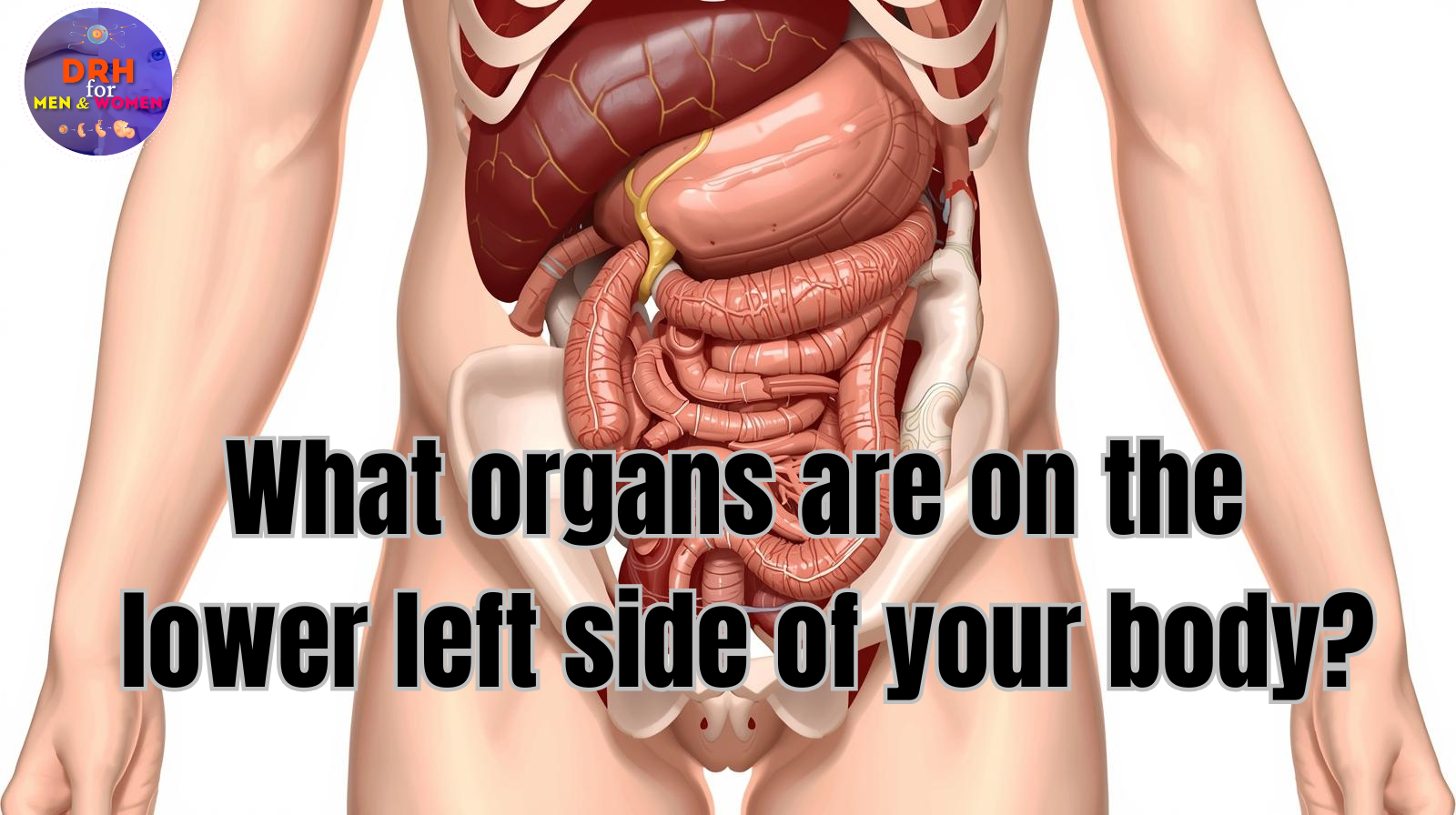 What Organs Are Located on the Lower Left Side of Your Body?
Pain or discomfort in the abdomen can be alarming. Because the abdominal cavity houses so many vital structures, pinpointing the source of an issue isn’t always straightforward. Doctors often divide the abdomen into four sections, known as quadrants, to help narrow down the diagnosis. One area that frequently causes confusion is the left lower quadrant (LLQ) and the space just above it.
This specific region contains critical components of the digestive, urinary, and reproductive systems. Understanding the anatomy of your lower left side can help you better communicate with healthcare providers if you ever experience pain or symptoms in that area.
Below is a detailed guide to the organs found on the left side of the abdomen, their primary functions, and common conditions that might affect them.
The Spleen
While primarily located in the upper left quadrant, the spleen sits high enough that pain radiating from it can sometimes be felt lower down, or an enlarged spleen may extend downward.
This fist-sized organ is tucked under your rib cage, sitting above the stomach. It acts as a blood filter and is an essential part of your immune system. The spleen controls the amount of red blood cells and blood storage in your body, and helps to fight infection. If it detects potentially dangerous bacteria, viruses, or other microorganisms in your blood, it creates white blood cells called lymphocytes to act as defenders.
Because the spleen is soft and spongy, it is susceptible to injury, particularly from blunt trauma to the abdomen. An enlarged spleen (splenomegaly) can also occur due to infections like mononucleosis or liver disease.
The Left Kidney
You have two kidneys, bean-shaped organs located toward the back of the abdomen. The left kidney sits slightly higher than the right one because of the liver’s position on the right side.
The kidneys are the body’s filtration powerhouses. They remove waste products and excess fluid from the blood, which are then excreted as urine. Beyond filtration, the kidneys play a crucial role in regulating blood pressure, producing red blood cells, and keeping your bones strong by maintaining the right balance of minerals in your blood.
Pain originating from the kidney is often felt in the flank (the side of the body between the ribs and the hip) or the lower back, but it can radiate to the lower left abdomen.
The Descending Colon and Sigmoid Colon
The most prominent organ in the actual lower left quadrant is the large intestine, specifically the descending colon and the sigmoid colon.
After food passes through the small intestine, it enters the large intestine. The descending colon travels down the left side of the abdomen. Its primary job is to store the remains of digested food that will be emptied into the rectum. As waste moves through here, the body absorbs water and electrolytes, turning liquid waste into solid stool.
At the bottom of the descending colon is the sigmoid colon, an S-shaped section that connects to the rectum. This area is a common site for digestive issues, particularly diverticulitis, which causes sharp pain in the lower left side.
The Small Intestine
While the bulk of the small intestine is centrally located, parts of it—specifically sections of the jejunum and ileum—can occupy space in the lower left side.
The small intestine is the workhorse of digestion. This is where most chemical digestion takes place and where the majority of nutrients from your food are absorbed into the bloodstream. Using enzymes from the pancreas and bile from the liver, the small intestine breaks down proteins, fats, and carbohydrates.
Issues here, such as obstruction or inflammation (like Crohn’s disease), can cause generalized pain that may be felt in the lower left area.
Left Ovary and Fallopian Tube (in Females)
For women, the lower left quadrant houses key reproductive organs: the left ovary and the left fallopian tube.
The ovary is a small, almond-sized gland responsible for producing eggs (ova) as well as the hormones estrogen and progesterone. The fallopian tube connects the ovary to the uterus. During ovulation, an egg travels down this tube.
Pain in this specific region is common for women and can relate to the menstrual cycle (mittelschmerz), ovarian cysts, or more serious conditions like an ectopic pregnancy or ovarian torsion (twisting of the ovary).
The Left Ureter
The ureters are thin, muscular tubes that carry urine from the kidneys to the bladder. There is one ureter attached to each kidney. The left ureter runs vertically down the left side of the abdomen, passing through the lower quadrant before connecting to the bladder in the pelvis.
If a kidney stone leaves the kidney and gets stuck in the ureter, it causes ureteral colic—intense, fluctuating pain that often radiates from the back down to the groin.
Muscles, Nerves, and Skin
It is important to remember that not all pain comes from internal organs. The abdominal wall is made up of layers of skin, fascia, and strong muscles, including the rectus abdominis and the obliques.
Strain or injury to these muscles can mimic organ pain. For example, a sports hernia or a pulled muscle from heavy lifting can cause localized pain in the lower left side. Furthermore, nerves that originate in the spine wrap around the abdomen. Conditions affecting the spine, such as a herniated disc, can sometimes send referred pain to the front of the abdomen.
Common Conditions Affecting the Lower Left Side
Because the descending and sigmoid colon are located here, digestive issues are the most frequent cause of lower left abdominal pain. However, other systems can also be involved.
- Diverticulitis: This is one of the most common causes of left-sided pain, especially in older adults. It occurs when small pouches (diverticula) in the colon wall become inflamed or infected.
- Kidney Stones: When hard deposits of minerals and salts form inside the kidneys, passing them can be excruciating.
- Gas and Indigestion: Sometimes, the issue is simply trapped gas in the digestive tract.
- Hernia: An inguinal hernia occurs when soft tissue bulges through a weak point in the abdominal muscles.
- Endometriosis: In women, tissue similar to the lining of the uterus can grow on the ovaries or fallopian tubes, causing cyclic pain.
When to Seek Medical Attention
Occasional stomach aches or mild cramps are rarely a cause for panic. However, your body usually knows how to signal when something is wrong. You should seek immediate medical help if your abdominal pain is sudden, severe, or accompanied by:
- High fever (over 101°F)
- Bloody stools
- Persistent nausea and vomiting
- Yellowing of the skin or eyes (jaundice)
- Swelling or tenderness to the touch
- Difficulty breathing
Additionally, if the pain persists for several days despite home remedies, schedule an appointment with your healthcare provider to rule out underlying conditions.
Listen to Your Body
The lower left side of your body is a busy intersection of digestive, urinary, and reproductive activity. From the filtration duties of the kidney to the reproductive functions of the ovaries, these organs work in concert to keep you healthy.
While many aches and pains in this region are temporary and related to digestion, understanding what lies beneath the surface helps you make informed decisions about your health. Always prioritize professional medical advice when symptoms feel unusual or severe.