Reproductive Health Sexual and Reproductive Health

The seminal vesicles are glands that produce seminal fluid, which nourishes and transports sperm. They play a crucial role in male fertility.
Seminal vesicles are paired glands located behind the bladder in males. They produce a significant portion of the seminal fluid that combines with sperm during ejaculation. This fluid contains fructose, which provides energy for sperm, and various enzymes that enhance sperm motility and viability.
Healthy seminal vesicles are essential for optimal reproductive health. Issues with these glands can lead to fertility problems and other health concerns. Regular check-ups and a healthy lifestyle can help maintain their proper function. Understanding the role of seminal vesicles is important for anyone interested in male reproductive health.

Credit: www.sciencedirect.com
Introduction To Seminal Vesicles
The male reproductive system has several important components. One of them is the seminal vesicles. These small glands play a crucial role in reproduction. Let’s dive into understanding these vital glands.
What Are Seminal Vesicles?
Seminal vesicles are small, sac-like pouches. They are located near the bladder. These glands produce a significant portion of the seminal fluid. This fluid nourishes and helps transport sperm.
Each vesicle is about 5 cm long. They secrete a yellowish fluid. This fluid makes up about 60% of the ejaculate volume. It contains fructose, which provides energy for sperm.
- Location: Near the bladder
- Size: Approximately 5 cm long
- Function: Produce seminal fluid
- Composition: Contains fructose
Historical Background
The discovery of the seminal vesicles dates back to ancient times. Early anatomists described these glands in their studies. In the 17th century, more detailed observations were made. Scientists then began to understand their function better.
In the 19th century, advancements in microscopy provided more insights. Researchers could now see the intricate structure of the seminal vesicles. This led to a deeper understanding of their role in reproduction.
- Ancient times: Initial discovery
- 17th century: Detailed observations
- 19th century: Microscopy advancements

Credit: teachmeanatomy.info
Anatomy Of Seminal Vesicles
The seminal vesicles are crucial parts of the male reproductive system. They produce a significant portion of the fluid that becomes semen. Understanding their anatomy helps explain their function and importance.
Location In The Body
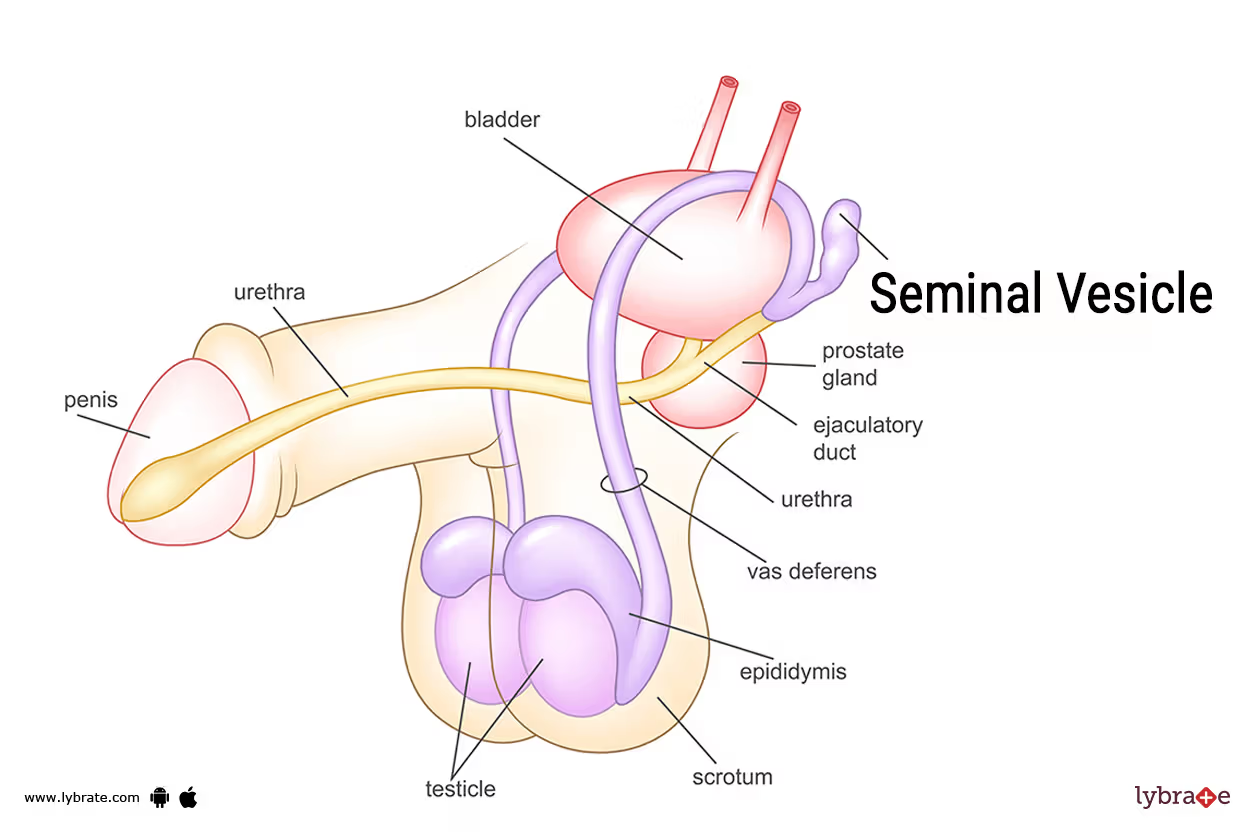
The seminal vesicles are located within the pelvis. They sit just above the prostate gland. Each vesicle is attached to the vas deferens. Together, they form the ejaculatory ducts. These ducts then empty into the urethra.
Structure And Components
The structure of each seminal vesicle is unique. They are tubular glands with a coiled appearance. The walls are made of smooth muscle and lined with secretory cells.
| Component | Function |
|---|---|
| Secretory Cells | Produce seminal fluid. |
| Smooth Muscle | Helps expel fluid during ejaculation. |
| Connective Tissue | Provides structural support. |
The fluid from the seminal vesicles contains several important substances:
- Fructose: Provides energy for sperm.
- Prostaglandins: Help in sperm motility.
- Proteins and Enzymes: Aid in semen coagulation and liquefaction.
Each of these components plays a role in successful reproduction. The seminal fluid nourishes and protects sperm. This ensures better chances of fertilization.
Role In Reproductive System
The seminal vesicles play a vital role in the male reproductive system. These small glands are located near the prostate. They are crucial for producing and supplying essential nutrients to semen.
Semen Production
The seminal vesicles produce about 70% of the semen’s volume. This fluid is rich in fructose, proteins, and enzymes. These components are essential for sperm health and motility.
Without the seminal vesicles, semen would lack the necessary volume and nutrients. This would hinder the sperm’s ability to fertilize an egg.
Nutrient Supply
The seminal vesicles provide key nutrients to the semen. These include:
- Fructose: Provides energy for sperm.
- Proteins: Help in sperm motility and viability.
- Enzymes: Aid in the liquefaction of semen post-ejaculation.
This nutrient-rich fluid ensures that sperm are healthy and capable of fertilization.
Physiological Functions
The seminal vesicles play a crucial role in male reproductive health. They contribute significantly to the formation of semen. This section explores their key physiological functions.
Fluid Secretion
The seminal vesicles secrete a fluid rich in fructose. This fluid makes up about 60-70% of the total semen volume.
The fructose provides energy for sperm cells. It helps them survive longer and swim faster. This fluid also contains proteins, enzymes, and mucus.
These components help in the nourishment and transport of sperm. The alkaline nature of the fluid neutralizes the acidic environment of the female reproductive tract.
Prostaglandin Production
The seminal vesicles also produce prostaglandins. These are lipid compounds with hormone-like effects.
Prostaglandins play a vital role in male fertility. They help in the contraction of smooth muscles in the female reproductive system. This aids in the movement of sperm towards the egg.
Prostaglandins also modulate the immune response within the female reproductive tract. This ensures the sperm are not attacked by the female’s immune system.
Seminal Vesicles And Fertility
The seminal vesicles are crucial for male fertility. They produce a significant part of the seminal fluid. This fluid nourishes and transports sperm. Understanding their role helps in grasping male reproductive health.
Impact On Sperm Health
The seminal vesicles contribute about 60% of the seminal fluid. This fluid contains fructose, which is vital for sperm energy. Without it, sperm cannot survive or move efficiently.
Other substances in the fluid protect sperm from the acidic environment of the vagina. These include proteins and enzymes that enhance sperm mobility. Healthy seminal vesicles ensure the sperm are well-nourished and protected.
Role In Ejaculation
The seminal vesicles play a key role in ejaculation. They store and release seminal fluid during climax. This fluid mixes with sperm from the testes to form semen.
During ejaculation, the seminal vesicles contract. This helps propel the semen through the urethra. Proper functioning of these vesicles ensures effective semen delivery.
Key Components of Seminal Fluid
| Component | Function |
|---|---|
| Fructose | Provides energy to sperm |
| Proteins | Enhance sperm mobility |
| Enzymes | Protect sperm in the acidic environment |
Healthy seminal vesicles are essential for fertility. They impact sperm health and play a crucial role in ejaculation.
Common Disorders
The seminal vesicles are important glands in the male reproductive system. Despite their small size, they can suffer from several disorders. These disorders can affect a man’s health and fertility. Below are some common disorders affecting the seminal vesicles.
Seminal Vesiculitis
Seminal vesiculitis is an inflammation of the seminal vesicles. This condition is often due to an infection. Symptoms include pain, fever, and painful ejaculation. Diagnosis usually involves a physical exam and urine tests.
Treatment often includes antibiotics to clear the infection. Sometimes, doctors recommend pain relievers to ease discomfort. Chronic cases may require more extensive treatment.
www.lybrate.com
Cysts And Tumors
Cysts and tumors are abnormal growths in the seminal vesicles. Cysts are fluid-filled sacs. Tumors can be either benign or malignant. Symptoms may include abdominal pain and blood in the urine or semen.
| Type | Description | Treatment |
|---|---|---|
| Cysts | Fluid-filled sacs | Drainage or surgery |
| Benign Tumors | Non-cancerous growths | Monitoring or surgery |
| Malignant Tumors | Cancerous growths | Surgery, radiation, or chemotherapy |
Regular check-ups can help detect these issues early. Early detection often leads to better outcomes.
Symptoms Of Seminal Vesicle Issues
The seminal vesicles are crucial for male reproductive health. Issues with these glands can cause various symptoms. It is important to recognize these signs early for prompt treatment. Below, we discuss common symptoms linked to seminal vesicle problems.
Pain And Discomfort
Pain and discomfort are common indicators of seminal vesicle issues. Men may experience pain in the lower abdomen or pelvis. This pain can also radiate to the groin or lower back. The discomfort often worsens during or after ejaculation.
Painful urination is another symptom to watch for. Some men feel a burning sensation while urinating. This could signal an infection or inflammation of the seminal vesicles.
Changes In Ejaculate
Changes in ejaculate can also signal seminal vesicle problems. Men might notice blood in their semen, a condition known as hematospermia. This can be alarming but is usually treatable.
Another common change is the volume of ejaculate. A significant decrease in semen volume might indicate a blockage or dysfunction in the seminal vesicles. The consistency of semen can also change, becoming either too thick or too watery.
| Symptom | Description |
|---|---|
| Pain and Discomfort | Lower abdomen, pelvis, groin, or lower back pain. |
| Painful Urination | Burning sensation during urination. |
| Blood in Semen | Presence of blood in ejaculate. |
| Changes in Semen Volume | Decrease in the amount of ejaculate. |
| Changes in Semen Consistency | Semen becomes too thick or too watery. |
Diagnostic Methods
Understanding the seminal vesicles is crucial for diagnosing related health issues. Diagnostic methods help identify problems and plan treatments effectively.
Imaging Techniques
Imaging techniques are essential for examining the seminal vesicles. Various methods offer detailed insights:
- Ultrasound: Provides clear images using sound waves.
- CT Scan: Uses X-rays to create detailed cross-sectional images.
- MRI: Utilizes magnetic fields for high-resolution images.
These methods help detect abnormalities, such as cysts or tumors. They also assess the size and shape of the seminal vesicles.
Laboratory Tests
Laboratory tests play a vital role in diagnosing seminal vesicle conditions. These tests analyze bodily fluids and tissues:
| Test Type | Purpose |
|---|---|
| Semen Analysis | Checks sperm count and quality. |
| Blood Tests | Identify infections or hormonal imbalances. |
| Biopsy | Examines tissue samples for cancer cells. |
These tests provide critical information for diagnosing and managing seminal vesicle disorders. They ensure precise and effective treatment planning.
Treatment Options
The seminal vesicles are essential for male reproductive health. Issues with them can cause discomfort and other problems. Treating these issues involves various options. Here, we will explore the most common treatment methods.
Medications
Medications can help treat inflammation or infection in the seminal vesicles. Antibiotics are often prescribed to fight infections. Anti-inflammatory drugs can reduce pain and swelling.
Hormonal treatments might be necessary in some cases. These can help regulate issues related to hormonal imbalances. Always consult a doctor before starting any medication.
Surgical Interventions
Surgery is sometimes required for severe cases. There are different types of surgeries for treating seminal vesicle issues.
| Type of Surgery | Purpose |
|---|---|
| Transurethral Resection | Removes blockages or growths |
| Open Surgery | For removing large cysts or tumors |
Minimally invasive surgeries are preferred. They have shorter recovery times and fewer complications. Consult a specialist to determine the best surgical option.

Credit: en.wikipedia.org
Preventive Measures
Taking care of your seminal vesicles is crucial for overall reproductive health. Implementing preventive measures can help maintain their function and prevent potential issues.
Healthy Lifestyle Choices
Adopting healthy lifestyle choices plays a vital role in protecting your seminal vesicles. Here are some tips:
- Balanced Diet: Eat a variety of fruits, vegetables, and whole grains.
- Hydration: Drink plenty of water daily to stay hydrated.
- Regular Exercise: Engage in moderate physical activities like walking or jogging.
- Avoid Smoking: Smoking can harm your reproductive organs.
- Limit Alcohol: Excessive alcohol consumption can negatively affect your health.
Regular Check-ups
Scheduling regular check-ups with your healthcare provider is essential. These visits help in early detection of any potential issues. Here’s what you should do:
- Annual Exams: Visit your doctor at least once a year for a complete physical exam.
- Screening Tests: Undergo screening tests as recommended by your healthcare provider.
- Discuss Symptoms: Talk to your doctor about any unusual symptoms you experience.
- Follow Advice: Follow the medical advice and treatment plans provided by your doctor.
These steps can help maintain the health of your seminal vesicles and overall well-being.
Impact On Overall Health
The seminal vesicles play a crucial role in male health. These glands are responsible for producing a significant portion of the seminal fluid. This fluid is essential for the nourishment and transport of sperm. Understanding their impact can help in maintaining a healthy reproductive system.
Connection With Prostate Health
The seminal vesicles are located near the prostate. Both organs work closely together. Issues in the seminal vesicles can influence prostate health. Infections or inflammations in the seminal vesicles might affect the prostate. Regular check-ups can help identify potential problems early.
Influence On Sexual Health
Healthy seminal vesicles contribute to overall sexual health. They produce fluid that mixes with sperm to create semen. This fluid provides nutrients and energy to sperm. Proper function of these vesicles ensures effective sperm transport during ejaculation. Problems in the seminal vesicles can lead to sexual health issues.
| Factors | Impact on Seminal Vesicles |
|---|---|
| Diet | A balanced diet supports healthy seminal vesicles. |
| Exercise | Regular exercise promotes reproductive health. |
| Hydration | Staying hydrated ensures good seminal fluid production. |
- Maintain a healthy diet.
- Exercise regularly.
- Stay hydrated.
Diet And Seminal Vesicles
Understanding the relationship between diet and seminal vesicles is vital. A balanced diet can improve reproductive health. This section explores how nutrition impacts seminal vesicles.
Nutrient-rich Foods
Eating nutrient-rich foods supports seminal vesicle health. Here are some essential nutrients:
- Zinc: Found in beef, chicken, and beans. Zinc boosts testosterone levels.
- Selenium: Present in nuts and fish. Selenium improves sperm quality.
- Vitamin C: Available in citrus fruits and broccoli. Vitamin C fights oxidative stress.
- Omega-3 Fatty Acids: Found in fish and flaxseeds. Omega-3 reduces inflammation.
Integrate these foods into your daily meals. They offer essential benefits for seminal vesicles.
Hydration Importance
Hydration is crucial for seminal vesicle function. Water helps produce seminal fluid.
Drinking enough water daily ensures optimal hydration. Aim for at least 8 glasses of water per day.
Below is a simple table to track your daily water intake:
| Time of Day | Water Intake (Glasses) |
|---|---|
| Morning | 2 |
| Afternoon | 3 |
| Evening | 2 |
| Night | 1 |
Proper hydration supports semen volume and quality. Stay hydrated for optimal reproductive health.
Research And Innovations
The field of seminal vesicles is seeing rapid advancements. Cutting-edge research and novel innovations are shedding new light on this important part of male reproductive health. This section will delve into the latest studies and future directions in seminal vesicle research.
Latest Studies
Scientists are making significant strides in understanding seminal vesicles. New studies are revealing crucial insights.
For instance, a recent study found that seminal vesicle fluid contains important proteins. These proteins play a key role in fertility. Researchers used advanced techniques to identify these proteins.
Another study focused on the link between seminal vesicle health and prostate cancer. The findings suggest that monitoring seminal vesicle health could help in early cancer detection. This could lead to better treatment outcomes.
| Study | Focus | Key Findings |
|---|---|---|
| Protein Analysis | Seminal Vesicle Fluid | Identified crucial fertility proteins |
| Cancer Link | Prostate Health | Early cancer detection potential |
Future Directions
Future research aims to explore new dimensions. Scientists are looking at novel ways to improve male reproductive health.
One promising area is gene therapy. Researchers are investigating how gene edits could improve seminal vesicle function. This could lead to breakthroughs in treating infertility.
Another exciting direction is the use of AI in diagnostics. AI could help identify early signs of seminal vesicle issues. This could revolutionize how we approach male reproductive health.
- Gene Therapy: Potential to treat infertility by enhancing seminal vesicle function.
- AI Diagnostics: Early detection of seminal vesicle issues using artificial intelligence.
These innovations could have a major impact. The future of seminal vesicle research looks promising and full of potential.

Myths And Facts
When talking about the seminal vesicles, many myths and facts often get mixed up. Clearing these misconceptions is crucial for understanding this vital part of the male reproductive system.
Common Misconceptions
There are several common misconceptions about the seminal vesicles:
- Myth: Seminal vesicles store sperm.
- Fact: They produce a fluid that nourishes and helps sperm move.
Another widespread myth is that seminal vesicles are the same as the prostate gland. This is not true. The prostate gland and seminal vesicles have different functions in the reproductive system.
Scientific Evidence
Scientific studies provide clear evidence about the function of seminal vesicles:
| Myth | Fact |
|---|---|
| Seminal vesicles store sperm. | They produce a nourishing fluid for sperm. |
| Seminal vesicles and prostate gland are the same. | They have different functions in reproduction. |
Research shows that the fluid from the seminal vesicles makes up about 60% of the semen volume. This fluid contains proteins, enzymes, and sugars, which are essential for sperm health and mobility.
Another fact supported by science is that seminal vesicles play a role in the ejaculation process. They contract to release their fluid into the ejaculatory ducts, mixing with sperm from the testes and fluid from the prostate gland.
Conclusion And Takeaways
The seminal vesicles are small glands. They produce fluid that forms part of semen. Understanding their function is important for overall reproductive health.
Key Points Recap
Let’s summarize the key points:
- Seminal vesicles are two small glands behind the bladder.
- They produce a fluid rich in sugar, aiding sperm mobility.
- This fluid makes up about 60% of semen.
- Healthy seminal vesicles are essential for male fertility.
Health Tips
Maintaining healthy seminal vesicles is important. Here are some tips:
- Eat a balanced diet rich in fruits and vegetables.
- Stay hydrated by drinking plenty of water.
- Exercise regularly to maintain good blood circulation.
- Avoid smoking and limit alcohol consumption.
- Visit your doctor for regular check-ups.
| Tips | Details |
|---|---|
| Balanced Diet | Include plenty of fruits and vegetables. |
| Stay Hydrated | Drink at least 8 glasses of water daily. |
| Regular Exercise | Exercise helps in maintaining good circulation. |
| Avoid Smoking | Smoking can harm reproductive organs. |
| Regular Check-ups | Visit your doctor for routine examinations. |
By following these tips, you can keep your seminal vesicles healthy. This is crucial for maintaining overall reproductive health.
Frequently Asked Questions
What Is The Function Of The Seminal Vesicles?
The seminal vesicles produce a fluid that forms part of semen. This fluid nourishes and helps sperm move.
What Is The Prostate And Seminal Vesicles?
The prostate is a gland in men that produces seminal fluid. Seminal vesicles are glands that produce fluid for semen. Both are essential for male fertility.
What Are The Vesicles In The Seminal Fluid?
Vesicles in the seminal fluid include seminal vesicles and prostate gland. They produce fluids that nourish and transport sperm.
Is Sperm Stored In The Seminal Vesicles?
No, sperm is not stored in the seminal vesicles. Sperm is stored in the epididymis. The seminal vesicles produce seminal fluid, which mixes with sperm during ejaculation.
Conclusion
Understanding the seminal vesicles is crucial for grasping male reproductive health. These glands play a vital role in fertility. By producing seminal fluid, they support sperm function. Recognizing their importance can aid in addressing reproductive issues. For optimal health, awareness and regular check-ups are essential.
Stay informed and proactive about your reproductive health.