Reproductive Health Sexual and Reproductive Health
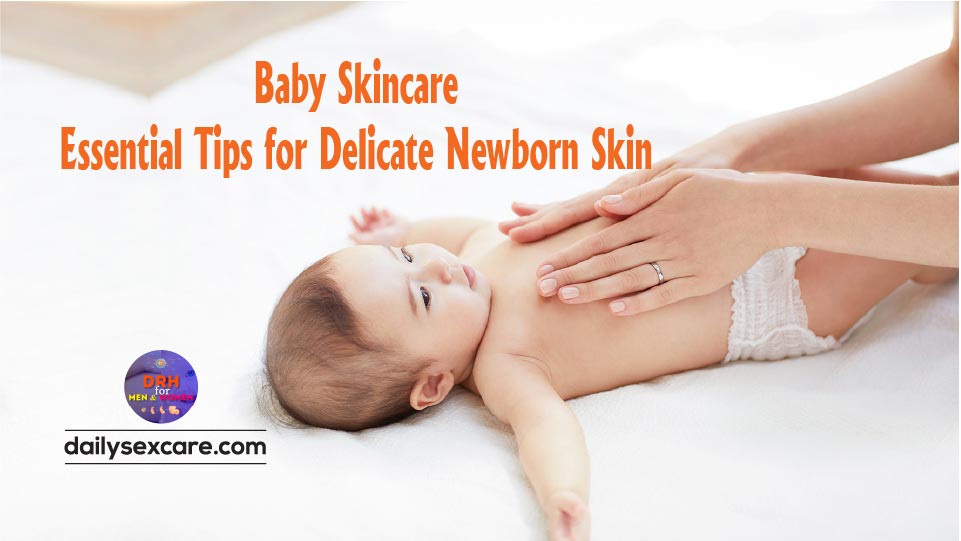
For baby skincare, use gentle, hypoallergenic products. Always keep your baby’s skin clean and moisturized.
A baby’s skin is delicate and requires special care. Parents must choose products specifically designed for infants. Gentle, hypoallergenic items help prevent irritation and allergic reactions. Daily cleansing and moisturizing maintain the skin’s health and softness. Bathing should be brief with lukewarm water to avoid drying out the skin.
Patting the skin dry with a soft towel preserves its natural moisture. Applying a gentle lotion or cream immediately after bathing locks in hydration. Protecting the baby’s skin from harsh weather conditions is also crucial. Always consult a pediatrician before introducing new skincare products. Proper skincare routines ensure a baby’s skin remains healthy and comfortable.

Credit: www.amazon.com
Choosing The Right Products
Choosing the right products for your baby’s skincare is crucial. The delicate skin of your baby needs gentle and safe products. This guide will help you navigate through the options available.
Natural Ingredients
Natural ingredients are the best choice for baby skincare. They are gentle and less likely to cause irritation.
- Aloe Vera: Soothes and moisturizes the skin.
- Calendula: Known for its anti-inflammatory properties.
- Coconut Oil: Provides deep hydration.
- Shea Butter: Offers natural moisture and protection.
Always check the label to ensure the product is free of synthetic chemicals.
Hypoallergenic Options
Hypoallergenic products are specially formulated to reduce the risk of allergies.
| Product Type | Benefits |
|---|---|
| Hypoallergenic Lotion | Minimizes skin irritation and dryness. |
| Hypoallergenic Wash | Cleanses without causing rashes. |
| Hypoallergenic Diaper Cream | Prevents diaper rash effectively. |
Always do a patch test to ensure the product suits your baby’s skin.
Bath Time Basics
Bath time is a special bonding moment with your baby. It’s essential to know the basics to make it safe and enjoyable. Here, we cover Temperature Guidelines and Gentle Cleansing to ensure a perfect bath time.
Temperature Guidelines
Keeping the bathwater at the right temperature is crucial. Babies have delicate skin that can burn easily. Follow these guidelines to make sure the water is safe:
- Use a bath thermometer to check the water temperature.
- The ideal bath temperature is between 98°F (37°C) and 100°F (38°C).
- Always test the water with your elbow or wrist.
- Avoid using hot water directly from the tap.
These simple steps ensure your baby stays comfortable and safe during bath time.
Gentle Cleansing
Babies need gentle cleansing to protect their sensitive skin. Use mild, baby-safe products and follow these tips:
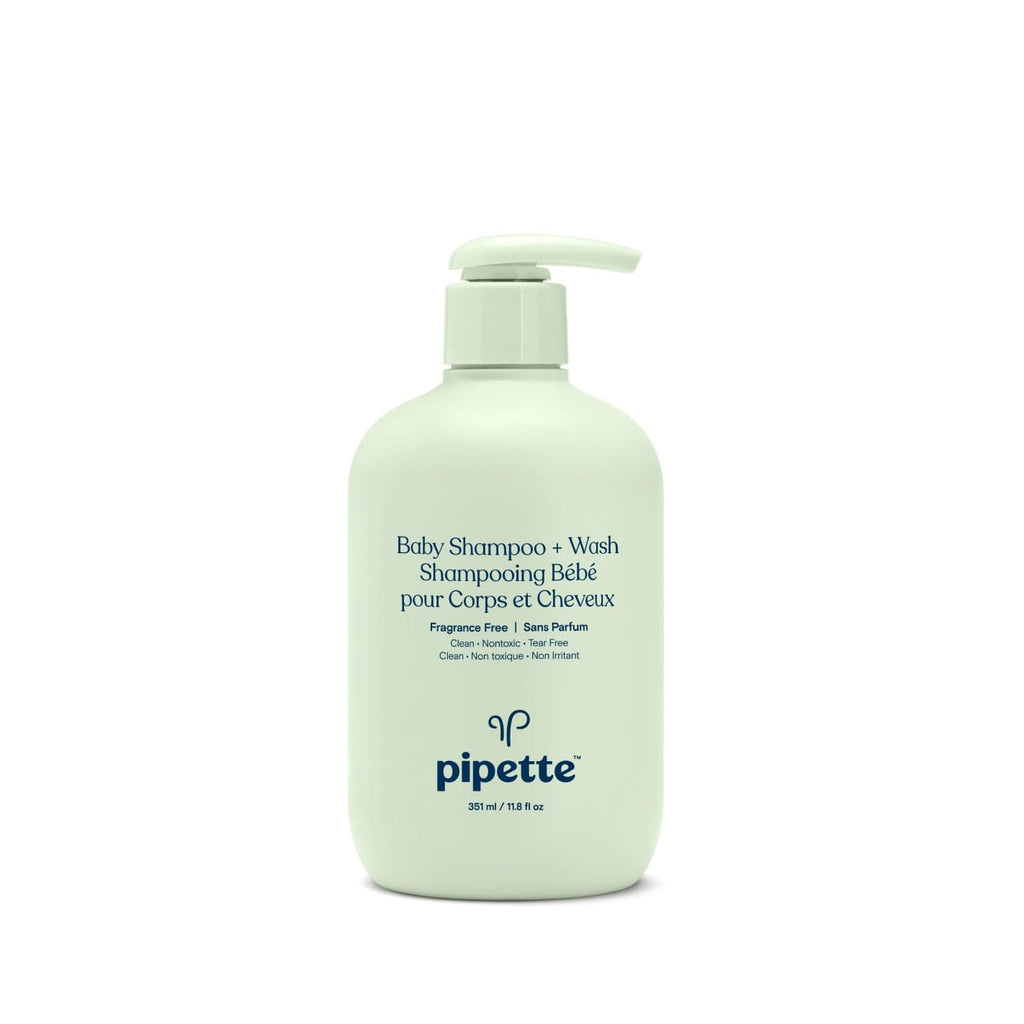
- Choose a fragrance-free and tear-free baby wash.
- Use a soft washcloth to gently clean the baby.
- Start with the face and work your way down.
- Pay special attention to skin folds, such as under the arms and behind the ears.
- Rinse thoroughly to remove all soap residue.
Remember to pat your baby dry with a soft towel. Avoid rubbing to prevent irritation.
Following these Bath Time Basics ensures your baby’s skin remains healthy and happy.
Moisturizing Tips
Baby skin is delicate and needs special care. Moisturizing helps keep their skin soft and healthy. Here are some tips to ensure your baby’s skin stays hydrated and smooth.
Best Moisturizers
Choosing the right moisturizer is crucial. Look for products that are fragrance-free and hypoallergenic. Avoid lotions with harsh chemicals. Here are some recommended types:
- Natural oils like coconut oil and almond oil
- Shea butter and cocoa butter
- Ointments with a high oil content
These options are gentle and effective. They provide deep hydration and protect the skin.
Application Techniques
How you apply the moisturizer matters. Follow these steps for the best results:
- Wash and dry your baby’s skin gently.
- Apply a small amount of moisturizer to your hands.
- Rub your hands together to warm the product.
- Gently massage the moisturizer into your baby’s skin.
- Pay extra attention to dry areas like elbows and knees.
Consistency is key. Apply moisturizer after every bath to lock in moisture. Also, moisturize whenever your baby’s skin feels dry.
| Time of Day | Moisturizing Frequency |
|---|---|
| Morning | Once |
| After Bath | Every Time |
| Before Bed | Once |
Following these tips will help keep your baby’s skin soft and healthy. Remember, always choose gentle products and apply them properly.
Diaper Rash Prevention
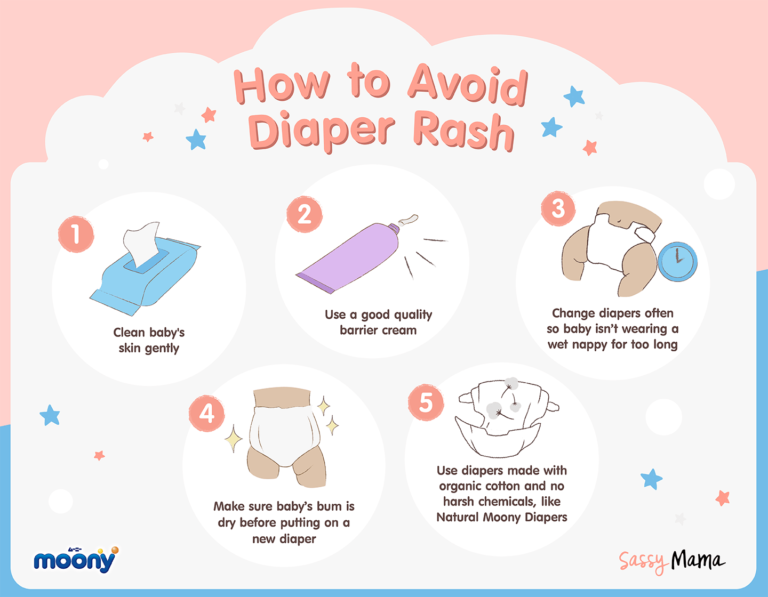
Diaper rash is a common issue for babies. It causes discomfort and irritation. Parents can take steps to prevent diaper rash effectively. Here are some tips to keep your baby’s skin healthy and rash-free.
www.sassymamasg.com
Frequent Changes
Changing diapers often is crucial. Wet or dirty diapers can irritate baby skin. Aim to change diapers every two to three hours. This helps keep the skin clean and dry.
During the night, check the diaper at least once. A clean diaper helps prevent rashes. Always have a fresh diaper ready for quick changes.
Barrier Creams
Barrier creams are essential for diaper rash prevention. They create a protective layer on the skin. This layer keeps moisture away from the skin, reducing irritation.
Apply barrier cream during each diaper change. Focus on areas prone to rashes. Popular choices include zinc oxide and petroleum jelly-based creams.
| Barrier Cream | Main Ingredient | Benefits |
|---|---|---|
| Zinc Oxide Cream | Zinc Oxide | Effective in soothing irritated skin |
| Petroleum Jelly | Petrolatum | Forms a protective barrier |
Choose a cream that suits your baby’s skin. Test a small amount first. Ensure there are no allergic reactions.
Sun Protection
Baby skin is delicate and needs extra care, especially under the sun. Sun protection is crucial for preventing sunburn and long-term skin damage. Here are some essential tips for keeping your baby safe under the sun.
Safe Sunscreens
Choose a sunscreen specifically formulated for babies. It should have an SPF of at least 30. Look for broad-spectrum protection to shield against both UVA and UVB rays. Mineral-based sunscreens containing zinc oxide or titanium dioxide are safer. These ingredients sit on top of the skin and reflect the sun’s rays. Avoid sunscreens with chemicals like oxy ben zone and parabens. These can irritate sensitive baby skin.
Protective Clothing
Dressing your baby in protective clothing is another layer of defense. Use long-sleeve shirts and long pants made from lightweight, breathable fabrics. Look for clothes with a UPF (Ultraviolet Protection Factor) rating. A wide-brimmed hat can protect your baby’s face, ears, and neck. Don’t forget sunglasses with UV protection to shield their delicate eyes.
| Sun Protection Tips | Details |
|---|---|
| Safe Sunscreens | SPF 30, mineral-based, broad-spectrum |
| Protective Clothing | Long-sleeve shirts, UPF-rated fabrics, wide-brimmed hat |
| Sunglasses | UV protection for delicate eyes |
- Apply sunscreen 15 minutes before going outside.
- Reapply every two hours, especially after swimming or sweating.
- Seek shade during peak sun hours, 10 AM to 4 PM.
Handling Eczema
Handling eczema in babies can be challenging for parents. Eczema causes discomfort and irritates sensitive baby skin. Understanding symptoms and treatments can help manage this condition.
Identifying Symptoms
Identifying eczema early can prevent severe discomfort. Look for these symptoms:
- Dry, itchy skin: Babies often scratch the affected area.
- Red or inflamed patches: These appear on the face, arms, or legs.
- Crusty or scaly skin: This can develop over time.
Consult a pediatrician if you notice these signs. Early diagnosis is crucial.
Effective Treatments
Treating eczema involves a combination of skincare routines and medical treatments. Here are some effective approaches:
| Approach | Description |
|---|---|
| Moisturizers | Use fragrance-free creams to keep skin hydrated. |
| Bathing | Limit baths to 10 minutes using lukewarm water. |
| Medications | Use prescribed creams to reduce inflammation. |
Follow these steps to create a healthy skincare routine:
- Apply moisturizer immediately after bathing.
- Dress your baby in soft, breathable fabrics.
- Avoid exposure to irritants like harsh soaps.
Managing eczema requires consistency and patience. Consult a healthcare provider for personalized advice.
Cradle Cap Care
Cradle cap is a common condition in babies, causing flaky, crusty patches on the scalp. It looks uncomfortable, but it is not harmful. Proper care can help manage and reduce cradle cap effectively.
Gentle Removal
Gently removing cradle cap can make your baby more comfortable. Use a soft brush or cloth to loosen the flakes. Always be gentle to avoid irritating your baby’s scalp.
Apply a small amount of baby oil to the affected area. Let it sit for a few minutes. This softens the flakes, making them easier to remove.
Wash the scalp with baby shampoo. This helps remove the oil and loosened flakes. Rinse thoroughly and pat dry with a soft towel.
Preventative Measures
Regularly washing your baby’s hair can help prevent cradle cap. Use a mild, tear-free baby shampoo. Wash your baby’s scalp gently to avoid irritation.
Keep your baby’s scalp moisturized. Use a gentle baby lotion or oil. This helps prevent dryness and flaking.
Avoid using harsh chemicals on your baby’s scalp. Stick to products designed for babies. These are usually gentler and less likely to cause irritation.
Ensure your baby’s diet is balanced. A healthy diet can support overall skin health. Consult your pediatrician for advice on your baby’s nutrition.
| Tip | Action |
|---|---|
| Soft Brush | Loosen flakes gently |
| Baby Oil | Soften flakes |
| Baby Shampoo | Clean the scalp |
| Moisturizer | Prevent dryness |
| Balanced Diet | Support skin health |
Allergy Awareness
Understanding allergies is crucial for baby skincare. Babies have sensitive skin. They may react to various products. Knowing common triggers and testing methods helps in prevention.
Common Triggers
Allergies in babies can be caused by several factors. Below are some common triggers:
- Fragrances: Many skincare products have added scents.
- Dyes: Color additives in lotions or creams can cause reactions.
- Preservatives: Ingredients to extend shelf life may irritate baby skin.
- Natural Ingredients: Some babies are allergic to things like lavender or chamomile.
- Laundry Detergents: Residues on clothes can affect sensitive skin.
Testing And Diagnosis
Testing for allergies helps identify the causes. Here are some methods:
- Patch Testing: A small amount of the allergen is applied to the skin.
- Blood Tests: These tests measure the immune system’s response.
- Skin Prick Tests: Tiny amounts of allergens are pricked into the skin.
Consult a pediatrician for proper diagnosis. Early detection ensures better management of allergies.
Laundry Tips
Keeping your baby’s clothes clean and soft is essential for their delicate skin. Proper laundry practices ensure that your little one stays comfortable and rash-free. Below are some helpful tips for achieving the best laundry results for your baby’s clothes.
Baby-safe Detergents
Choosing the right detergent is crucial. Babies have sensitive skin that can react to harsh chemicals.
- Look for hypoallergenic detergents. They are free from dyes and perfumes.
- Opt for fragrance-free options. Scents can irritate your baby’s skin.
- Check for certifications. Brands with pediatrician approval are safer.
Below is a comparison of popular baby-safe detergents:
| Brand | Hypoallergenic | Fragrance-Free | Pediatrician Approved |
|---|---|---|---|
| Brand A | Yes | Yes | Yes |
| Brand B | Yes | No | Yes |
| Brand C | No | Yes | No |
Washing Techniques
Proper washing techniques are just as important as the detergent you use. Follow these steps for the best results:
- Pre-rinse the clothes to remove milk, spit-up, and stains.
- Use cold water for the first wash. This prevents stains from setting.
- Add the baby-safe detergent to the washing machine.
- Set the machine to a gentle cycle to protect the fabric.
- Double rinse to ensure all detergent residues are gone.
Drying the clothes correctly is also key. Avoid using high heat in the dryer, which can damage delicate fabrics. Instead, use a low heat setting or air dry the clothes.
By following these laundry tips, you can help keep your baby’s skin healthy and comfortable.
Credit: www.pipettebaby.com
Hydration Importance
Keeping a baby’s skin hydrated is crucial. Babies have delicate skin. It loses moisture quickly. Proper hydration keeps their skin soft and healthy. It also prevents dryness and irritation.
Signs Of Dehydration
Recognizing dehydration in babies is essential. Here are some common signs:
- Dry mouth and lips
- Sunken soft spot on the head
- Fewer wet diapers
- Crying without tears
- Dry and cool skin
Hydrating Practices
Several practices help keep a baby’s skin hydrated. Follow these simple tips:
- Regular Baths: Use lukewarm water. Avoid hot water. It can dry out the skin.
- Moisturize: Apply baby lotion after baths. Choose products with natural ingredients.
- Humidifier: Use a humidifier in the baby’s room. It adds moisture to the air.
- Hydrate from Within: Ensure babies drink enough fluids. Breast milk or formula is ideal.
Keep your baby’s skin hydrated. It is key to their overall health. Following these practices can help you achieve that.
Massage Benefits
Massaging your baby provides numerous benefits. It strengthens the bond between you and your baby. Regular massage promotes better sleep and reduces stress. It also helps in the baby’s growth and development. Massaging can relieve colic and gas pains. Babies feel calm and secure during and after a massage.
Techniques And Tips
Use gentle, slow strokes while massaging your baby. Always start with a small amount of oil. Ensure the room is warm and quiet. Sing or talk softly to your baby. Keep eye contact to make your baby feel safe. Avoid massaging just after feeding. Focus on the baby’s legs, arms, and back.
- Use gentle strokes
- Start with a small amount of oil
- Ensure the room is warm and quiet
- Sing or talk softly
- Keep eye contact
- Avoid massaging just after feeding
- Focus on legs, arms, and back
Choosing Oils
Choosing the right oil is crucial for baby massage. Natural oils are the best choice. They should be free from chemicals and fragrances. Coconut oil is light and easily absorbed. Olive oil is rich in vitamins and soothing. Almond oil is moisturizing and gentle on sensitive skin. Always do a patch test before using any new oil.
| Oil Type | Benefits |
|---|---|
| Coconut Oil | Light, easily absorbed |
| Olive Oil | Rich in vitamins, soothing |
| Almond Oil | Moisturizing, gentle on sensitive skin |
Winter Skincare
The winter season can be harsh on your baby’s delicate skin. Cold air, low humidity, and indoor heating can lead to dryness, irritation, and discomfort. Understanding how to protect your baby’s skin during winter is crucial. Let’s explore some effective winter skincare tips for your little one.

www.distacart.com
Cold Weather Tips
Protecting your baby’s skin from the cold is essential. Here are some useful tips:
- Layer Up: Dress your baby in layers to keep them warm. Cotton clothing is best.
- Moisturize Often: Apply a gentle, baby-safe moisturizer regularly. Choose products free from harsh chemicals.
- Avoid Long Baths: Short, lukewarm baths help prevent skin dryness. Use gentle baby soap.
- Cover Exposed Skin: Use hats, mittens, and scarves to protect your baby’s skin from the cold.
Indoor Heating Effects
Indoor heating can dry out your baby’s skin. Here’s how to combat this:
- Humidifier: Use a humidifier in your baby’s room. This adds moisture to the air.
- Hydrate: Ensure your baby drinks plenty of fluids. Breast milk or formula keeps them hydrated.
- Moisturize: Apply moisturizer right after a bath. This locks in moisture.
- Avoid Overheating: Keep the room temperature comfortable. Overheating can dry out the skin.
By following these tips, you can ensure your baby’s skin remains soft, healthy, and irritation-free during winter. Always choose products specifically designed for babies to avoid any adverse reactions. Your little one’s skin will thank you!
Summer Skincare
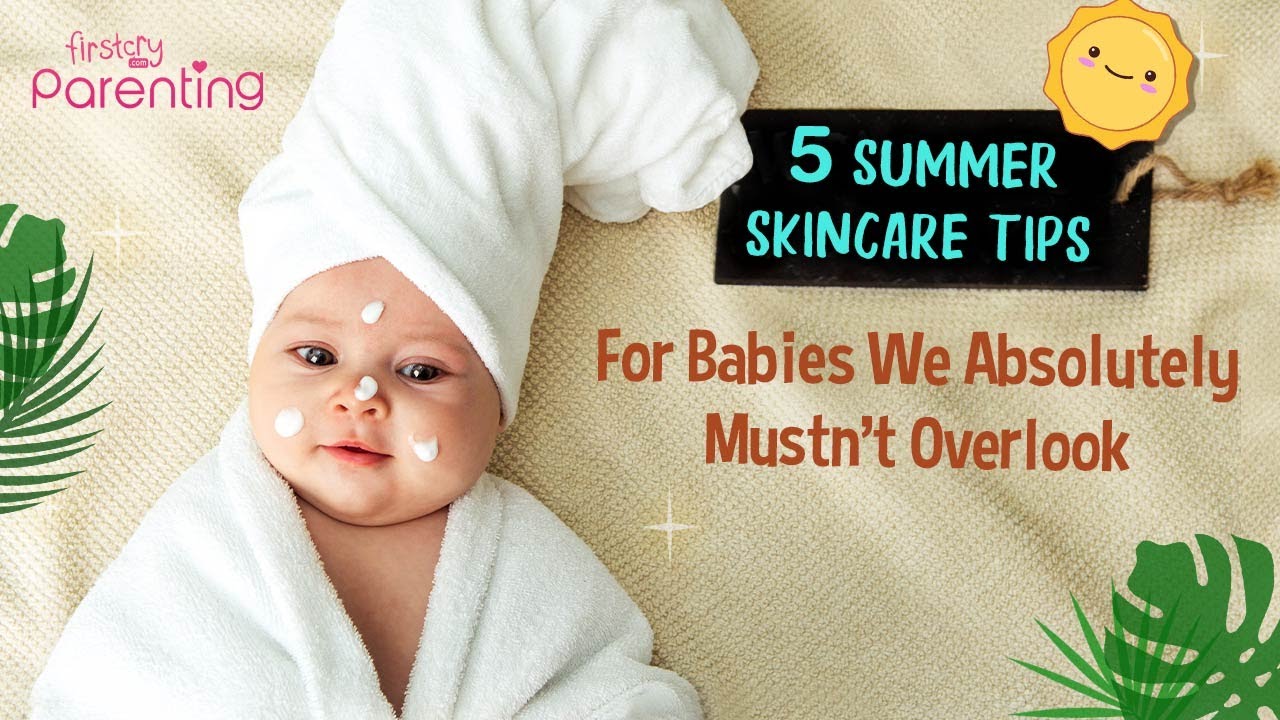
Summer brings sunshine, fun, and outdoor activities. But it also brings heat and humidity. Baby skincare needs special attention during the summer months. Proper care can keep your baby’s skin healthy and comfortable.
www.youtube.com
Heat Rash Prevention
Heat rash is common in babies during summer. It’s caused by blocked sweat ducts. To prevent heat rash, keep your baby cool and dry.
- Dress your baby in lightweight, breathable clothing.
- Avoid overdressing and stick to single layers.
- Use fans or air conditioning to keep rooms cool.
- Give frequent baths with lukewarm water to soothe the skin.
- Keep your baby in the shade during outdoor activities.
Hydration Strategies
Babies need extra hydration during summer. They lose more fluids in the heat. Ensure your baby stays well-hydrated.
- Breastfeed or bottle-feed more often during the day.
- Offer water to older babies between meals.
- Watch for signs of dehydration like fewer wet diapers.
- Give hydrating foods like pureed fruits with high water content.
- Avoid sugary drinks and stick to healthy fluids.
Common Skin Conditions
Babies have delicate skin that needs special care. Knowing common skin conditions helps parents take better care of their babies. Identifying issues early is key to effective treatment.
Identifying Issues
Parents should watch for changes in their baby’s skin. Common conditions include diaper rash, eczema, and baby acne.
- Diaper Rash: Red, inflamed skin in the diaper area. Often caused by wet diapers or irritation from stool.
- Eczema: Itchy, red patches on the face, arms, or legs. Often flares up in dry or cold weather.
- Baby Acne: Small red bumps on the face. Usually appears in the first few weeks of life.
| Condition | Symptoms | Possible Causes |
|---|---|---|
| Diaper Rash | Red, inflamed skin | Wet diapers, stool irritation |
| Eczema | Itchy, red patches | Dry weather, allergens |
| Baby Acne | Red bumps | Maternal hormones |
When To See A Doctor
Some skin issues need medical attention. Know when to see a doctor.
- If the rash spreads or gets worse.
- If blisters or sores appear.
- If the baby is very uncomfortable or in pain.
- If fever accompanies the skin condition.
Consult your doctor for proper diagnosis and treatment.
Healthy Diet Impact
A healthy diet plays a crucial role in baby skincare. The right foods can help maintain smooth and soft skin. Nutrient-rich diets boost immunity and improve overall skin health. Let’s explore the essentials of a healthy diet for your baby’s skin.
Nutrient Essentials
Babies need specific nutrients for healthy skin. These nutrients support skin development and repair.
- Vitamin A: Essential for skin repair and growth.
- Vitamin C: Boosts collagen production for smooth skin.
- Vitamin E: Protects skin from damage and keeps it moisturized.
- Omega-3 Fatty Acids: Reduces inflammation and keeps skin healthy.
- Zinc: Helps in skin healing and reduces dryness.
Here is a table summarizing these nutrients:
| Nutrient | Benefit | Sources |
|---|---|---|
| Vitamin A | Skin repair and growth | Carrots, sweet potatoes, spinach |
| Vitamin C | Collagen production | Oranges, strawberries, bell peppers |
| Vitamin E | Skin protection | Almonds, sunflower seeds, avocados |
| Omega-3 Fatty Acids | Reduces inflammation | Salmon, flaxseeds, walnuts |
| Zinc | Skin healing | Meat, dairy, chickpeas |
Foods To Avoid
Certain foods can negatively impact your baby’s skin. Avoid these to prevent skin issues.
- Sugary Foods: Can cause inflammation and rashes.
- Processed Foods: Often contain chemicals harmful to skin.
- High-Salt Foods: Can lead to dehydration and dry skin.
- Dairy Products: Some babies are sensitive to dairy, leading to eczema.
Ensure your baby’s diet is balanced and nutrient-rich for the best skin health.
:max_bytes(150000):strip_icc():focal(749x0:751x2)/dior-baby-skincare-line-111023-2-8daa2a4c0a16445a82d3c7031a4cd580.jpg)
Credit: people.com
Frequently Asked Questions
What Is The Best Skin Care For A Newborn?
Use gentle, fragrance-free baby soap. Moisturize with baby lotion. Avoid direct sunlight. Bathe newborns 2-3 times a week.
Should Babies Have A Skincare Routine?
Yes, babies benefit from a gentle skincare routine. Use mild, fragrance-free products to keep their skin healthy. Moisturize daily and protect from sun exposure.
What Can I Use For Baby Skin Care?
Use gentle, fragrance-free baby products. Choose hypoallergenic, pH-balanced cleansers and moisturizers. Avoid harsh chemicals. Opt for natural ingredients like aloe vera and chamomile.
When Should I Start Using Baby Products?
Start using baby products after consulting your pediatrician, typically around the time your baby is born. Always choose gentle, hypoallergenic options.
What Is The Best Baby Skincare Routine?
A gentle cleanse, moisturize daily, and use sun protection.
Conclusion
Caring for your baby’s skin ensures their comfort and health. Choose gentle products and maintain a simple routine. Always consult your pediatrician for any concerns. With the right care, your baby’s skin will stay soft and healthy. Prioritize their skincare, and you’ll see happy, glowing results.