Reproductive Health Sexual and Reproductive Health
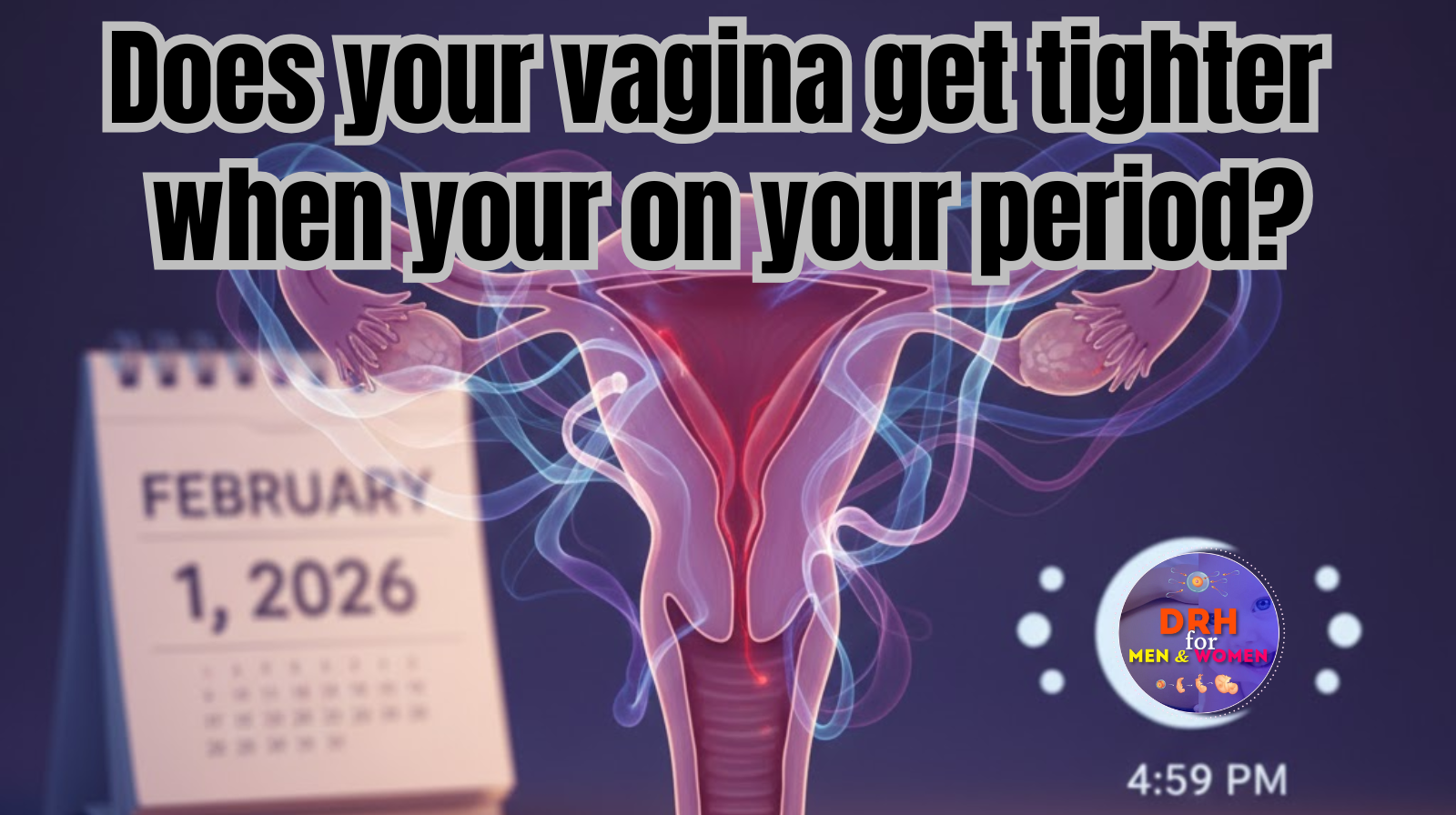 Does Your Vagina Get Tighter on Your Period? Separating Fact from Fiction
The menstrual cycle is a complex biological process that triggers a cascade of changes throughout the body. From mood swings and bloating to food cravings and fatigue, most people who menstruate are well-acquainted with the monthly symptoms that accompany their cycle. However, some changes are less discussed, leading to confusion and common misconceptions.
One question that frequently arises is whether the vagina physically becomes tighter during menstruation. You might have noticed that inserting a tampon feels more difficult than usual, or perhaps sexual intercourse feels different. It is a common sensation, but does it reflect a structural change in your anatomy?
Understanding the difference between physical tightness and the sensation of tightness is key to understanding your reproductive health. This guide explores the anatomical and hormonal shifts that occur during your period to explain exactly what is happening “down there” when the time of the month arrives.
Understanding Vaginal Anatomy
To understand what happens during menstruation, we first need to look at the structure of the vagina itself. The vagina is an elastic, muscular canal that connects the uterus to the outside of the body. It is designed to be incredibly flexible.
The walls of the vagina are made of soft tissue and muscle, arranged in folds known as rugae. These folds allow the vagina to stretch significantly—such as during childbirth or sexual intercourse—and then return to its resting shape. It is a resilient organ, capable of adapting to various pressures and sizes.
Because of this elasticity, the vagina does not permanently “loose” or “tighten” based on how often you have sex or where you are in your cycle. However, the muscle tone of the pelvic floor (the hammock of muscles supporting the vagina) and the state of the vaginal tissues can change temporarily, influencing how the area feels.
How the Menstrual Cycle Affects Your Body
Your cycle is governed by hormones, specifically estrogen and progesterone. These hormones rise and fall in a predictable pattern to prepare the body for potential pregnancy. When pregnancy doesn’t occur, hormone levels drop, triggering menstruation. These hormonal fluctuations are responsible for the physical changes you feel.
The Estrogen Drop
During the first few days of your period, estrogen levels are at their lowest point. Estrogen plays a vital role in vaginal health; it helps maintain the thickness and elasticity of the vaginal walls and promotes natural lubrication.
When estrogen levels plummet, natural lubrication decreases. This can cause the tissues to feel drier than they do during the ovulation phase of your cycle. This lack of lubrication creates friction, which is often misinterpreted as the vagina being physically tighter.
Cervical Position Changes
The cervix, which is the lower part of the uterus protruding into the vagina, changes position throughout the cycle. During ovulation, the cervix is high, soft, and open to facilitate sperm entry.
Conversely, during menstruation, the cervix tends to drop lower into the vaginal canal and feels firmer to the touch (often compared to the tip of a nose). Because the cervix is occupying more space lower in the vaginal canal, it can make the vagina feel shorter or more “crowded,” contributing to the sensation of tightness, especially when inserting a tampon or menstrual cup.
Muscle Tone and Pain Perception
While the vaginal walls themselves don’t shrink, the muscles surrounding them can react to the menstrual process. The uterus is a muscle, and during a period, it contracts to shed its lining. These contractions are what we know as cramps.
The Guarding Reflex
When you experience pain from cramping, the body’s natural reaction is to tense up. This is known as “guarding.” Just as you might clench your jaw when you are stressed or in pain, the muscles of the pelvic floor can involuntarily contract in response to uterine cramps.
Since the pelvic floor muscles wrap around the vagina, urethra, and rectum, tension in this area can constrict the vaginal opening. This involuntary clenching makes insertion of menstrual products or intercourse feel difficult or tight, even if the vaginal tissue itself hasn’t changed.
Inflammation and Blood Flow
Menstruation involves increased blood flow to the pelvic region. This increased volume of fluid can lead to a feeling of heaviness, fullness, or congestion in the pelvic area. This swelling of the tissues (edema) is similar to the bloating many feel in their abdomen. This internal fullness can easily be perceived as tightness.
Debunking the Tightness Myth
So, does the vagina actually get smaller or tighter? The straightforward answer is no. The muscular tube itself retains its dimensions. The sensation of tightness is a combination of three main factors:
- Dryness: Low estrogen leads to less natural lubricant, creating friction.
- Cervical Position: A lower cervix takes up more space in the canal.
- Pelvic Tension: Pain from cramps causes surrounding muscles to clench.
It is important to differentiate between “tightness” and “dryness” or “tension.” If you are engaging in sexual activity during your period and it feels uncomfortable, it is likely due to the lack of lubrication rather than a structural change. Using a water-based lubricant can often alleviate this feeling immediately.
Furthermore, relying on sensation alone can be misleading. The anxiety or stress of worrying about leaks or pain can also contribute to psychological guarding, where the brain signals the muscles to tighten in anticipation of discomfort, creating a self-fulfilling cycle of tightness.
When to Seek Professional Advice
While a sensation of fullness or slight difficulty with insertion is normal for many, severe tightness or pain is not. If you experience significant pain when inserting a tampon or during intercourse (Dyspareunia), it could be a sign of an underlying condition.
- Vaginismus: This is a condition where the vaginal muscles contract involuntarily and strongly, making penetration painful or impossible. It can be triggered by the anticipation of pain.
- Endometriosis: This condition involves tissue similar to the uterine lining growing outside the uterus, often causing severe pelvic pain that can lead to chronic pelvic floor tension.
- Fibroids: Non-cancerous growths in the uterus can cause heavy bleeding and pressure, contributing to pelvic discomfort.
If your symptoms interfere with your daily life or your ability to use menstrual products, it is time to consult a gynecologist or a pelvic floor physical therapist. They can assess muscle tone and help rule out medical conditions.
Listen to Your Body
The menstrual cycle is a powerful reminder of the body’s ability to change and adapt. While the vagina does not structurally shrink or tighten during your period, the sensation of tightness is a very real experience caused by hormonal dryness, cervical movement, and muscle tension from cramping.
By understanding the anatomy and the “why” behind these feelings, you can navigate your cycle with more comfort. Whether it means switching to pads for a few days, using extra lubrication, or practicing pelvic relaxation exercises, listening to your body’s cues is the best way to manage menstrual health.