Reproductive Health Sexual and Reproductive Health


The epididymis is a coiled tube at the back of the testicle. It stores and carries sperm.
The epididymis plays a crucial role in male reproductive health. Sperm mature and gain motility as they pass through this tube. Proper functioning of the epididymis is essential for fertility. It connects the testicles to the vas deferens, forming part of the male reproductive system.
Any issues with the epididymis, such as inflammation or infection, can impact sperm quality and overall fertility. Maintaining good reproductive health involves regular check-ups and awareness of any changes or discomfort in the testicular area. Understanding the epididymis helps in recognizing early signs of potential reproductive problems. Healthy lifestyle choices contribute to the optimal functioning of this vital organ.
Introduction To The Epididymis
The epididymis is an important part of the male reproductive system. This structure is crucial for the maturation and storage of sperm. Understanding its role helps in appreciating male fertility. Let’s explore its anatomy and location in the male body.
Anatomy Overview
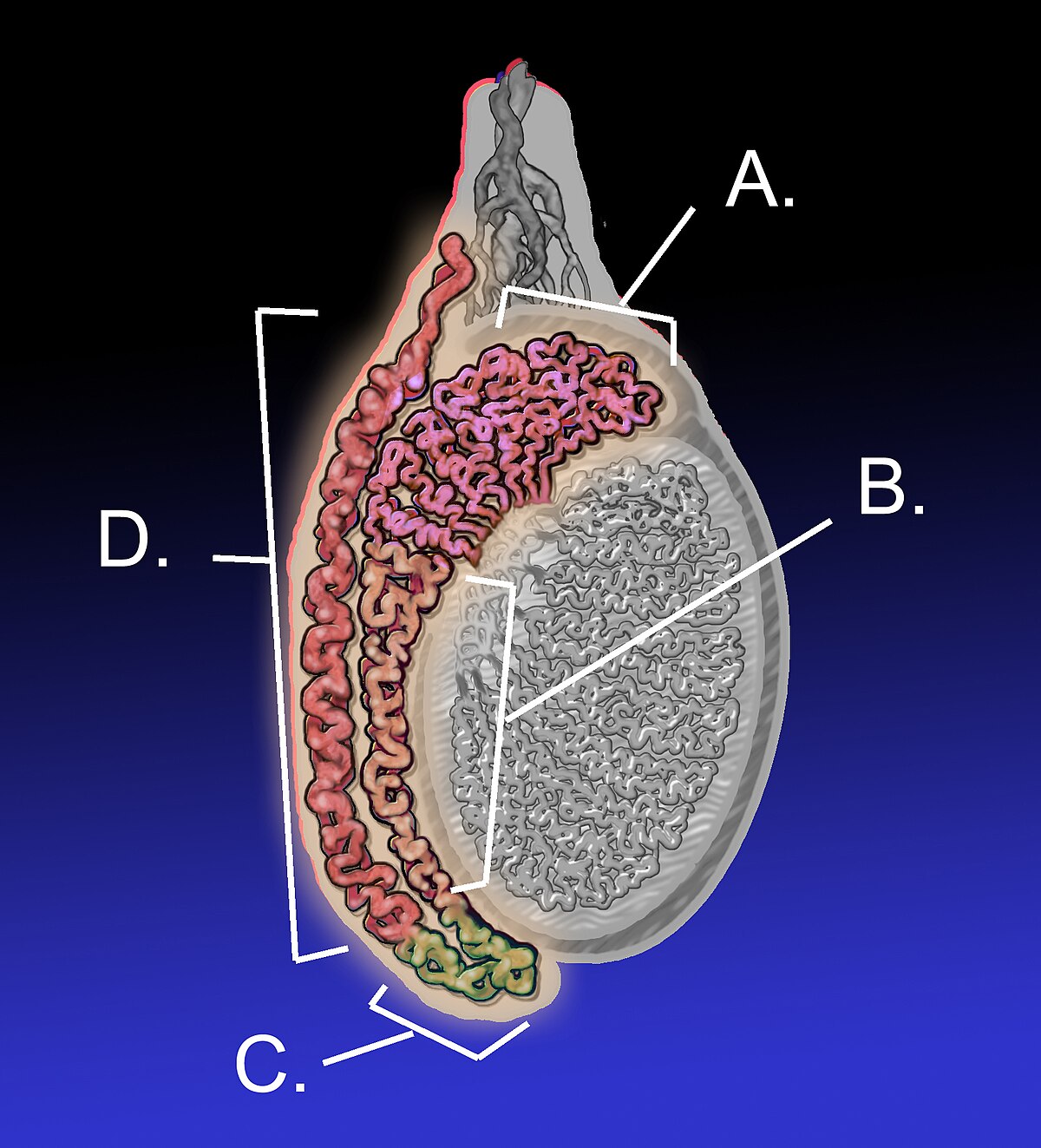
The epididymis is a long, coiled tube. It is about 20 feet in length. It consists of three main parts:
- Head: This is the upper part. It receives sperm from the testes.
- Body: This is the long, thin middle part. Sperm matures here.
- Tail: This is the lower part. It connects to the vas deferens.
The structure of the epididymis allows sperm to mature over time. The sperm gains the ability to swim and fertilize an egg.
Location In The Male Body
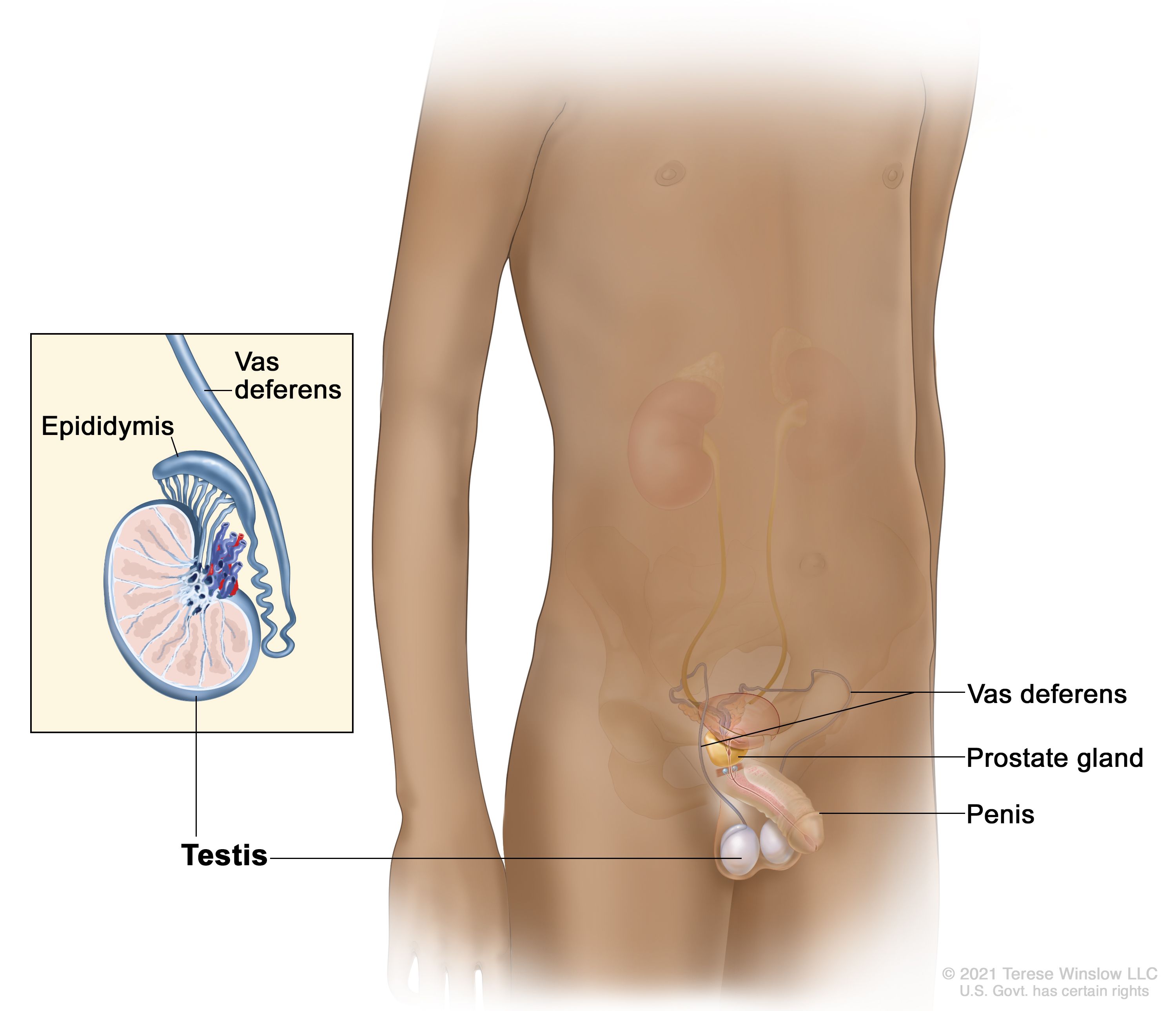
The epididymis is located in the scrotum. It sits at the back of the testes. Each testis has its own epididymis. This means there are two epididymides in the male body.
Here is a simple table to understand its location better:
| Part of Body | Location |
|---|---|
| Scrotum | Houses the testes and epididymis |
| Testes | Each testis has an epididymis |
| Epididymis | Located at the back of each testis |
The epididymis is crucial for storing and maturing sperm. It ensures healthy and motile sperm for fertilization.
Credit: en.wikipedia.org
Structure Of The Epididymis
The epididymis is a coiled tube that stores and transports sperm. It has three main parts: the Caput (Head), Corpus (Body), and Cauda (Tail). Each part has a unique role in sperm maturation.
Caput (head)
The Caput is the top part of the epididymis. It receives sperm from the testis. This is where sperm begins to mature. The Caput is attached to the testis by efferent ducts. It contains many coiled tubules. These tubules help in the initial phase of sperm maturation.
Corpus (body)
The Corpus is the middle section of the epididymis. It is where sperm continues to mature. The Corpus is longer and more coiled than the Caput. This part is crucial for the development of sperm’s ability to swim. The cells in the Corpus secrete nutrients. These nutrients help in the maturation process.
Cauda (tail)
The Cauda is the final segment of the epididymis. It stores mature sperm until ejaculation. The Cauda is thicker and less coiled. It connects to the vas deferens. Here, sperm gain the ability to fertilize an egg. The Cauda plays a key role in sperm storage and final maturation.
| Part | Main Function |
|---|---|
| Caput (Head) | Initial sperm maturation |
| Corpus (Body) | Continued sperm maturation |
| Cauda (Tail) | Sperm storage and final maturation |
Functions Of The Epididymis
The epididymis is a crucial part of the male reproductive system. It plays several important roles in sperm health and fertility. Understanding these functions can help you appreciate the complexity of human biology.
Sperm Maturation
The epididymis is where sperm maturation occurs. Newly produced sperm from the testes are immature and unable to fertilize an egg. As they travel through the epididymis, they undergo several changes. These changes include:
- Gaining motility
- Developing the ability to recognize and bind to an egg
- Acquiring proteins that are essential for fertilization
The entire maturation process can take several days. Mature sperm are then ready to be stored.
Sperm Storage
The epididymis also serves as a sperm storage site. After maturing, sperm move to the tail of the epididymis. Here, they are stored until ejaculation. The storage environment within the epididymis is optimal for maintaining sperm viability. This ensures that sperm remain functional and capable of fertilization. Factors that contribute to this environment include:
| Factor | Role |
|---|---|
| Low oxygen levels | Prevents oxidative damage |
| Specific pH | Maintains sperm health |
| Specialized proteins | Support sperm viability |
Stored sperm can remain viable for several weeks. This storage capability is vital for successful fertilization.
Role In Sperm Transport
The epididymis plays a crucial role in sperm transport. It ensures sperm matures and gains motility. This process is vital for fertility.
Pathway Of Sperm
Sperm begins its journey in the testes. From there, it moves to the epididymis. This path allows sperm to mature.
The epididymis is divided into three parts:
- Caput (Head)
- Corpus (Body)
- Cauda (Tail)
Each part has a specific function in sperm maturation and transport.
Transport Mechanisms
The epididymis uses multiple mechanisms to move sperm:
- Peristaltic contractions: Muscle contractions help propel sperm.
- Cilia movement: Tiny hair-like structures assist in transport.
Both mechanisms ensure sperm reaches the vas deferens. This journey is essential for successful fertilization.
Hormonal Influence
The epididymis is crucial for sperm development and storage. Hormones play a key role in this process. They regulate many functions and ensure everything works smoothly.
Testosterone’s Role
Testosterone is a vital hormone for the male reproductive system. It influences the development of sperm within the epididymis. Without enough testosterone, sperm cannot mature properly. This hormone ensures the quality and mobility of sperm. The production of testosterone occurs in the testes. It then travels to the epididymis to aid in sperm development.
Other Hormones
Other hormones also impact the function of the epididymis. These include:
- Follicle-stimulating hormone (FSH): Helps in the production of sperm.
- Luteinizing hormone (LH): Stimulates testosterone production in the testes.
- Estrogen: Though primarily a female hormone, it has some roles in male reproductive health.
These hormones work together to maintain a healthy reproductive system. They ensure sperm are properly stored and matured in the epididymis.
Common Disorders
The epididymis can be affected by various disorders. These conditions can cause pain, swelling, and other symptoms. Understanding these disorders helps in early diagnosis and treatment.

www.drelist.com
Epididymitis
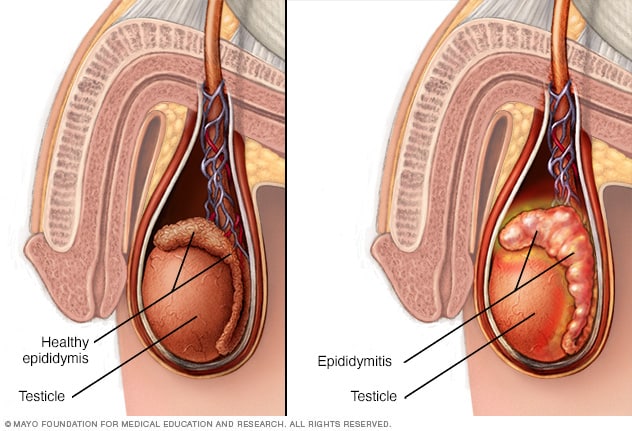
Epididymitis is an inflammation of the epididymis. It often causes pain and swelling. This condition can affect men of all ages.
- Causes: Bacterial infections, sexually transmitted infections (STIs), or urinary tract infections (UTIs).
- Symptoms: Pain in the testicles, swelling, redness, and sometimes fever.
- Treatment: Antibiotics, rest, and anti-inflammatory medications.
Spermatocele
Spermatocele is a fluid-filled cyst that forms in the epididymis. It is usually painless and non-cancerous. Many men do not know they have it.
- Causes: Blockage in the tubes that carry sperm.
- Symptoms: Small lump in the testicle, sometimes discomfort.
- Treatment: Often no treatment needed, but surgery if painful.
| Disorder | Causes | Symptoms | Treatment |
|---|---|---|---|
| Epididymitis | Bacterial infections, STIs, UTIs | Pain, swelling, redness, fever | Antibiotics, rest, anti-inflammatory medications |
| Spermatocele | Blockage in sperm-carrying tubes | Small lump, sometimes discomfort | Often no treatment, surgery if painful |
Symptoms Of Epididymal Issues
The epididymis is a tube at the back of the testicles. It stores and carries sperm. Issues with the epididymis can cause discomfort. Knowing the symptoms can help you seek treatment. Below are common symptoms of epididymal problems.
Pain And Swelling
Pain and swelling are common symptoms of epididymal issues. The pain usually starts in the testicles. It can spread to the lower abdomen. The pain can be sharp or dull. Swelling often accompanies the pain. You may notice one side of the scrotum is larger than the other. The skin may also appear red.
| Symptom | Description |
|---|---|
| Pain | Sharp or dull pain in the testicles |
| Swelling | One side of the scrotum is larger |
Fertility Concerns
Epididymal issues can affect fertility. The epididymis is key for sperm health. Issues here can lead to blocked sperm. This can reduce the chance of pregnancy. Men with epididymal problems may also have low sperm count. Seek medical advice if you face fertility problems.
- Blocked sperm
- Low sperm count
- Reduced chance of pregnancy
Credit: www.cancer.gov
Diagnostic Methods
Diagnosing issues with the epididymis involves several methods. The primary methods include Ultrasound Imaging and Physical Examination. These methods help doctors accurately identify the problem.
Ultrasound Imaging
Ultrasound Imaging is a key diagnostic tool. It uses sound waves to create images of the epididymis. This method is non-invasive and painless. It helps in detecting abnormalities like cysts, tumors, or inflammation.
Doctors prefer this method for its accuracy. The images provide detailed insights. This helps in making the right diagnosis. The process is quick and usually takes 20-30 minutes.
| Advantages | Details |
|---|---|
| Non-invasive | No surgery is required. |
| Painless | No discomfort during the process. |
| Quick | Takes about 20-30 minutes. |
| Accurate | Provides detailed images. |
Physical Examination
A Physical Examination is another important method. The doctor examines the scrotum and testicles. This helps in identifying any swelling, lumps, or tenderness.
The process involves a few steps:
- Visual inspection of the scrotum.
- Palpation of the testicles and epididymis.
- Checking for pain or discomfort.
This method is simple and quick. It gives immediate insights into any possible issues. The doctor can feel any abnormal growths or tenderness. This helps in deciding the next steps for treatment.
Treatment Options
Treating epididymis involves several methods. These depend on the cause and severity of the condition. Below are some common treatment options.
Medications
Medications are often the first line of treatment for epididymis.
- Antibiotics: These help combat bacterial infections. Commonly prescribed antibiotics include doxycycline and ciprofloxacin.
- Pain Relievers: Over-the-counter medications like ibuprofen can alleviate pain and reduce inflammation.
- Anti-inflammatory Drugs: These drugs help in reducing swelling and discomfort.
Doctors may suggest a combination of these medications. Following the prescribed dosage is crucial for effective treatment.
Surgical Interventions
In some cases, surgery may be necessary.
| Procedure | Details |
|---|---|
| Epididymectomy: | This involves removing the affected epididymis. It is usually done when other treatments fail. |
| Drainage: | This procedure drains abscesses that might form in severe infections. |
Surgical interventions are typically considered a last resort. Always consult with a healthcare professional for the best treatment plan.
Impact On Fertility
The epididymis plays a crucial role in male fertility. It stores and matures sperm. Any issues with the epididymis can impact fertility. Understanding this impact is essential for anyone concerned about reproductive health.
Sperm Quality
The epididymis affects sperm quality in several ways. It provides an environment for sperm to mature. This maturation is vital for the sperm’s ability to fertilize an egg.
Blockages or infections in the epididymis can harm sperm quality. These issues can cause sperm to have poor motility or abnormal shapes. Poor sperm quality can decrease the chances of conception.
Fertility Treatments
Various fertility treatments can address issues with the epididymis. Doctors may recommend surgery to remove blockages. Antibiotics can treat infections affecting the epididymis.
In some cases, assisted reproductive technologies (ART) like IVF or ICSI may be necessary. These treatments help couples achieve pregnancy despite sperm quality issues.
| Treatment | Description |
|---|---|
| Surgery | Removes blockages in the epididymis. |
| Antibiotics | Treats infections impacting sperm quality. |
| IVF | Assists fertilization outside the body. |
| ICSI | Injects a single sperm into an egg. |
Consulting with a fertility specialist can help identify the best treatment. Early diagnosis and treatment can improve fertility outcomes.
Preventive Measures
Preventing issues with the epididymis is crucial for men’s health. Taking simple steps can help avoid complications. Here are some effective measures to consider.
Safe Sexual Practices
Engaging in safe sexual practices is vital. It helps prevent infections that can affect the epididymis. Use condoms during intercourse. This reduces the risk of sexually transmitted infections (STIs).
Limiting the number of sexual partners also reduces the risk. Always ensure both partners are free from STIs. Get tested regularly. Open communication with partners about sexual health is essential.
Regular Check-ups
Regular medical check-ups are important for early detection of issues. Visit a healthcare provider annually. These visits can help identify any problems with the epididymis early.
During the check-up, mention any unusual symptoms. This includes pain or swelling in the testicular area. Early detection leads to better treatment outcomes.
| Preventive Measure | Action |
|---|---|
| Safe Sexual Practices | Use condoms, limit partners, get tested |
| Regular Check-Ups | Annual visits, report symptoms |
By following these preventive measures, you can protect your epididymis and maintain good reproductive health.
Credit: www.mayoclinic.org
Lifestyle Factors
The epididymis plays a crucial role in male reproductive health. Certain lifestyle factors can impact its function. Let’s explore how diet, exercise, and avoiding toxins contribute to the health of the epididymis.
Diet And Exercise
A balanced diet is essential for the healthy functioning of the epididymis. Foods rich in antioxidants, vitamins, and minerals support reproductive health.
- Fruits and Vegetables: High in antioxidants and vitamins.
- Whole Grains: Provide essential nutrients and fiber.
- Lean Proteins: Important for tissue repair and hormone production.
Regular exercise enhances blood flow, which is crucial for reproductive organs. Aim for at least 30 minutes of moderate exercise daily.
Avoiding Toxins
Toxins can negatively impact the epididymis. Avoid exposure to harmful substances.
| Type of Toxin | Examples |
|---|---|
| Chemical Toxins | Pesticides, industrial chemicals |
| Lifestyle Toxins | Smoking, excessive alcohol |
Limit exposure to these toxins to protect your reproductive health.
Research And Advances
The study of the epididymis has seen significant breakthroughs. Researchers are uncovering new aspects and functions of this vital organ. These discoveries are paving the way for advanced treatments and therapies.
Recent Studies
Recent studies on the epididymis have focused on its role in sperm maturation. Scientists have identified key proteins and enzymes involved in this process.
A study published in the Journal of Reproductive Biology highlighted the importance of certain enzymes. These enzymes help in the development of healthy sperm cells.
| Study | Focus | Outcome |
|---|---|---|
| Enzyme Identification | Sperm Maturation | Key enzymes identified |
| Protein Functions | Cell Development | Crucial proteins isolated |
Future Directions
Future research aims to explore the therapeutic potential of the epididymis. Scientists are looking into how gene therapy can enhance sperm quality.
Researchers are also studying the role of the epididymis in male fertility. They hope to develop treatments for infertility based on these findings.
- Gene therapy for better sperm quality
- New infertility treatments
- Advanced diagnostic tools
The future of epididymis research is promising. These advancements could revolutionize reproductive health for men.
Patient Stories
Patient stories provide unique insights into the epididymis journey. These real-life experiences help others understand the condition better. Let’s dive into personal experiences and recovery journeys shared by individuals.
Personal Experiences
John, a 35-year-old teacher, first noticed pain in his scrotum. He felt a sharp, persistent ache that worried him. After visiting his doctor, he learned about epididymitis. His story highlights the importance of early diagnosis.
Another story comes from Sarah, whose husband faced similar symptoms. She recalls, “We were scared at first. The pain was sudden and intense.” They quickly sought medical advice. Understanding their journey can ease the fears of others.
| Patient | Age | Symptom | Action Taken |
|---|---|---|---|
| John | 35 | Scrotum pain | Visited doctor |
| Sarah’s Husband | 40 | Sudden pain | Sought medical advice |
Recovery Journeys
Recovery stories offer hope and guidance. John followed his doctor’s advice strictly. He took prescribed antibiotics and rested. His pain reduced significantly within a week. John shares, “Patience and proper care were key.”
Sarah’s husband also experienced a positive recovery. They used warm baths and over-the-counter pain relief. “The support from family and friends was crucial,” Sarah says. Their journey emphasizes the role of a support system.
- John took antibiotics and rested.
- Sarah’s husband used warm baths and pain relief.
- Support from loved ones aided recovery.
These stories highlight the importance of early diagnosis and consistent care. Each experience is unique, offering valuable lessons for others.
Frequently Asked Questions
Can I Touch The Epididymis?
Yes, you can touch the epididymis gently. It’s a small, coiled tube behind the testicle. Always be careful to avoid discomfort or injury.
Is Epididymitis An STD?
Epididymitis is not always an STD. It can result from infections, including STDs like chlamydia and gonorrhea, or other causes.
What Causes A Swollen Epididymis?
A swollen epididymis, or epididymitis, is often caused by bacterial infections, including sexually transmitted infections like chlamydia and gonorrhea. Other causes include urinary tract infections, prostate infections, and trauma to the groin area. Symptoms may include pain, swelling, and redness.
Seek medical advice for proper diagnosis and treatment.
Should Epididymis Be Treated?
Yes, epididymis should be treated if infected or inflamed. Consult a doctor for proper diagnosis and treatment. Untreated issues can lead to complications.
Conclusion
Understanding the epididymis is crucial for male reproductive health. This small, coiled tube plays a vital role in sperm maturation. Keeping it healthy ensures optimal fertility. Regular check-ups and awareness can prevent potential issues. Prioritize your reproductive health by staying informed about the epididymis and its functions.
Your future fertility depends on it.