Reproductive Health Sexual and Reproductive Health

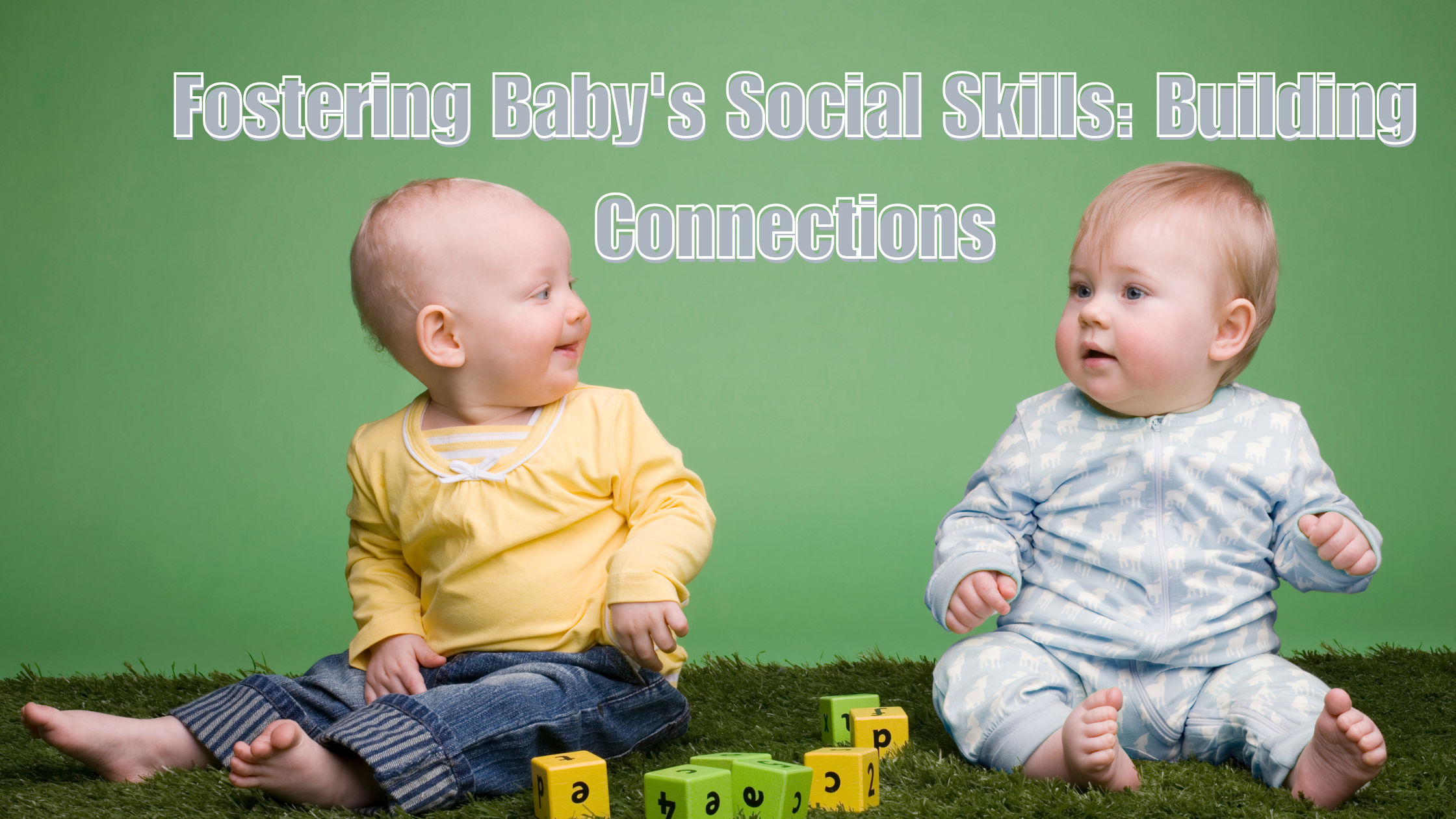
Social skills are an integral part of a child’s development, laying the foundation for healthy relationships and interactions throughout life. While many parents focus on physical milestones such as crawling and walking, nurturing a baby’s social skills is equally important. In this article, we explore the significance of fostering social skills in babies and provide practical tips for building connections from an early age.
Understanding Social Development in Babies
Milestones in Social Development
Babies undergo significant social development from the moment they are born. Initially, they rely on nonverbal cues such as eye contact and facial expressions to communicate and form connections with caregivers. As they grow, they begin to engage in simple interactions, such as smiling in response to familiar faces.
Factors Influencing Social Skills Development
Several factors influence a baby’s social development, including genetics, environment, and early experiences. Secure attachments with caregivers, exposure to social stimuli, and opportunities for exploration play crucial roles in shaping social skills.
Building Connections through Early Interactions
Importance of Bonding with Caregivers
Bonding with caregivers lays the foundation for healthy social development. Responsive caregiving, including soothing, cuddling, and maintaining eye contact, fosters a sense of security and trust in babies, which forms the basis for future relationships.
Stimulating Environments for Social Interaction
Creating a stimulating environment encourages social interaction and exploration. Providing age-appropriate toys, engaging in interactive games, and exposing babies to varied sensory experiences enhance their social skills and cognitive development.
Encouraging Social Play
Benefits of Play in Social Development
Play serves as a vital tool for social learning and development in babies. Through play, they learn to take turns, share, and cooperate with others, essential skills for navigating social interactions later in life.
Types of Social Play
Social play takes various forms, including solitary play, parallel play, and cooperative play. Each type offers unique opportunities for babies to learn and practice social skills in different contexts.
Modeling Social Behavior
Role of Caregivers in Modeling Social Skills
Caregivers play a significant role in modeling social behavior for babies. By demonstrating empathy, kindness, and effective communication, parents and caregivers provide invaluable examples for babies to emulate.
Creating Opportunities for Observation and Imitation
Encouraging babies to observe and imitate social behaviors strengthens their understanding of social norms and expectations. Simple actions such as waving goodbye or saying “please” and “thank you” provide opportunities for learning through observation and practice.
Promoting Communication Skills
Language Development and its Impact on Socialization
Language development is closely linked to socialization, enabling babies to express their needs and interact with others. Reading, singing, and talking to babies from an early age support language acquisition and foster meaningful communication.
Strategies for Enhancing Communication Skills
Creating a language-rich environment and responding promptly to baby’s cues are effective strategies for enhancing communication skills. Encouraging gestures, such as pointing and waving, and acknowledging baby’s attempts at communication validate their efforts and encourage further interaction.
Nurturing Empathy and Emotional Awareness
Teaching Empathy through Understanding Emotions
Empathy, or the ability to comprehend and share feelings with someone else, is an essential component of social skills. Guardians who acknowledge and label feelings help babies grow empathy and emotional awareness, establishing the framework for good relationships.
Handling Emotions in a Supportive Manner
Supporting babies through emotional experiences teaches them to regulate their emotions and empathize with others. Comforting, validating, and offering reassurance during moments of distress build trust and strengthen the caregiver-child bond.
Encouraging Positive Peer Interactions
Introduction to Peer Interactions
Peer interactions are important in social growth because they promote partnership, solving conflicts, and taking on new perspectives. Even in infancy, kids gain from observing and interacting with their peers in social contexts.
Facilitating Positive Peer Relationships
Creating opportunities for babies to interact with peers in safe and supervised environments fosters the development of social skills. Playgroups, daycare settings, and structured activities provide platforms for babies to practice socializing and forming friendships.
Overcoming Challenges in Social Development
Identifying Common Challenges
Some babies may experience challenges in social development, such as shyness, aggression, or difficulty forming attachments. Identifying these challenges early allows caregivers to intervene and provide appropriate support.
Strategies for Addressing Social Difficulties
Baby’s social skills addressing social difficulties requires patience, understanding, and tailored interventions. Encouraging gradual exposure to social situations, seeking professional guidance when needed, and providing consistent support can help babies overcome challenges and thrive socially.
Conclusion
Fostering a baby’s social skills is a multifaceted process that requires attention, patience, and nurturing. By understanding the milestones in social development, providing stimulating environments, modeling positive behaviors, and supporting communication and emotional awareness, caregivers can lay a strong foundation for healthy social relationships. Every interaction offers an opportunity for learning and growth, helping babies navigate the complexities of human connection with confidence and empathy.
FAQs
-
-
- When do babies start developing social skills?
– Babies begin to develop social skills from birth, with early milestones such as making eye contact and smiling emerging in the first few months. - How can I encourage my baby to interact with others?
– Encourage interaction through playful activities, maintain eye contact, and respond promptly to your baby’s cues and expressions. - What role do caregivers play in fostering social skills?
– Caregivers serve as primary role models for social behavior, providing examples and guidance for babies to emulate. - What are some signs that my baby may be struggling socially?
– Signs of social difficulties in babies may include avoidance of eye contact, limited response to social cues, or difficulty engaging with others. - When should I seek professional help for my baby’s social development?
– If you have concerns about your baby’s social development or notice persistent challenges, consult with a pediatrician or developmental specialist for guidance and support.
- When do babies start developing social skills?
-
References:
-
-
- Bornstein, M. H. (2015). The handbook of cultural developmental science (Vol. 1). Psychology Press.
- Feldman, R. (2015). The adaptive human parental brain: Implications for children’s social development. Trends in Neurosciences, 38(6), 387-399.
- National Institute of Child Health and Human Development. (2006). Social development: Skills that babies bring to relationships. Retrieved from https://www.nichd.nih.gov/health/topics/child-development/conditioninfo/social-development
- National Scientific Council on the Developing Child. (2004). Young children develop in an environment of relationships. Working Paper No. 1. Retrieved from https://developingchild.harvard.edu/wp-content/uploads/2004/04/Young-Children-Develop-in-an-Environment-of-Relationships.pdf
- Zero to Three. (n.d.). Promoting social and emotional development in infants and toddlers. Retrieved from https://www.zerotothree.org/resources/299-promoting-social-and-emotional-development-in-infants-and-toddlers
-