Reproductive Health Sexual and Reproductive Health

Men’s prostate health is crucial for overall well-being. Regular check-ups and a healthy lifestyle can prevent prostate issues.
Prostate health significantly impacts men’s quality of life. The prostate gland, part of the male reproductive system, can develop issues like benign prostatic hyperplasia (BPH), prostatitis, or prostate cancer. Maintaining a balanced diet, staying active, and avoiding excessive alcohol can improve prostate health.
Regular screening, especially for men over 50, is essential for early detection of potential problems. Recognizing symptoms early, such as difficulty urinating or pelvic pain, can lead to prompt medical intervention. Always consult with healthcare professionals to tailor a prostate health plan suited to individual needs. This proactive approach can lead to a healthier, more fulfilling life.
Importance Of Prostate Health
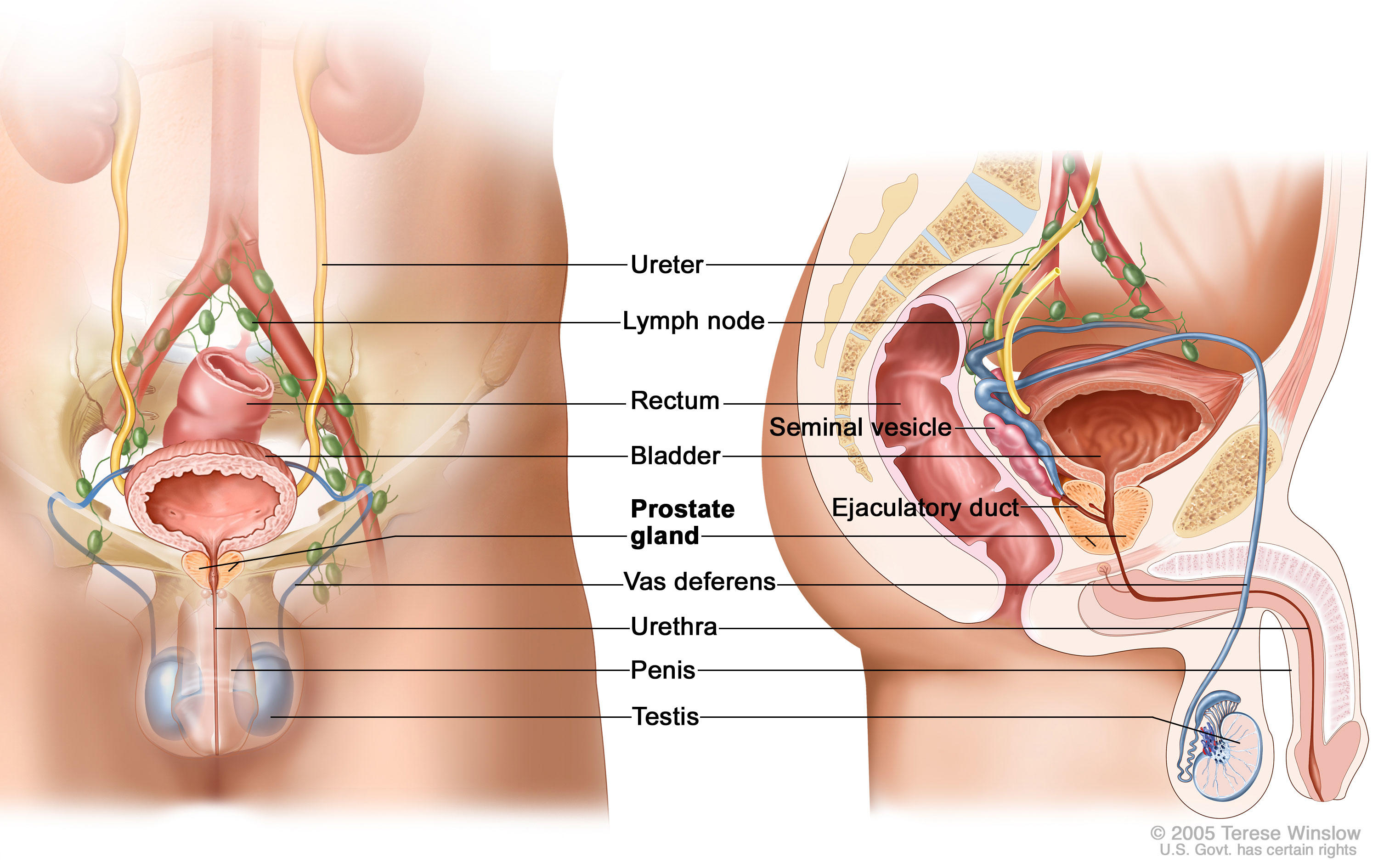
The prostate is a small gland in men that plays a vital role in the reproductive system. Prostate health is essential for overall well-being and quality of life. Ignoring prostate health can lead to various issues that affect daily activities and long-term health. Understanding the importance of prostate health helps men take proactive steps to maintain it.
Why It Matters
Prostate health matters because the prostate gland is crucial for reproductive functions. It produces seminal fluid, which nourishes and transports sperm. Poor prostate health can lead to several conditions, such as:
- Prostatitis: Inflammation of the prostate, causing pain and difficulty urinating.
- Benign Prostatic Hyperplasia (BPH): Enlarged prostate, leading to urinary issues.
- Prostate Cancer: A serious condition that can be life-threatening if not detected early.
Maintaining good prostate health can prevent these conditions and ensure the gland functions properly.
Several factors contribute to prostate health, including:
| Factor | Impact |
|---|---|
| Diet | A balanced diet rich in fruits and vegetables supports prostate health. |
| Exercise | Regular physical activity reduces the risk of prostate issues. |
| Regular Check-ups | Early detection of prostate problems can save lives. |
Impact On Quality Of Life
Prostate health directly impacts quality of life. A healthy prostate ensures a smooth urinary function and good reproductive health. Here are some ways poor prostate health can affect daily life:
- Urinary Issues: Frequent urination, especially at night, can disrupt sleep and daily activities.
- Pain and Discomfort: Prostate conditions can cause pain in the lower back, hips, and pelvic area.
- Emotional Stress: Dealing with prostate health issues can cause anxiety and stress.
Maintaining good prostate health helps men avoid these problems, leading to a better quality of life.
Regular check-ups and a healthy lifestyle can significantly reduce the risk of prostate issues. Simple changes, such as eating a balanced diet and staying active, can make a big difference. Men should also stay informed about their prostate health and consult healthcare professionals for regular screenings.
Credit: www.cancer.gov
Common Prostate Issues
Men’s prostate health is crucial for overall well-being. Understanding common prostate issues can help with early detection and treatment. This section covers two key prostate problems: Benign Prostatic Hyperplasia (BPH) and Prostate Cancer.
Benign Prostatic Hyperplasia
Benign Prostatic Hyperplasia, or BPH, is a non-cancerous enlargement of the prostate gland. This condition typically affects men over 50. An enlarged prostate can press against the urethra, causing urinary problems.
Symptoms of BPH include:
- Frequent urination, especially at night
- Difficulty starting urination
- Weak urine stream
- Inability to completely empty the bladder
Causes of BPH are not entirely understood, but factors like aging and changes in male sex hormones might contribute. Treatment options vary based on severity:
| Treatment | Description |
|---|---|
| Medication | Alpha blockers or 5-alpha reductase inhibitors |
| Minimally invasive procedures | UroLift, Rezūm therapy |
| Surgery | Transurethral resection of the prostate (TURP) |
Lifestyle changes can also help manage BPH. These include:
- Reducing fluid intake before bedtime
- Avoiding caffeine and alcohol
- Practicing bladder training exercises
Prostate Cancer
Prostate cancer develops in the prostate gland and is one of the most common cancers in men. Early detection is key to successful treatment. Risk factors include age, family history, and race.
Symptoms of prostate cancer may not appear in early stages. As the disease progresses, symptoms may include:
- Difficulty urinating
- Blood in urine or semen
- Pelvic discomfort
- Bone pain
Screening and diagnosis methods involve:
- Prostate-specific antigen (PSA) blood test
- Digital rectal exam (DRE)
- Biopsy if needed
Treatment options for prostate cancer depend on the cancer stage and patient’s health:
| Treatment | Description |
|---|---|
| Active surveillance | Monitoring the cancer closely |
| Surgery | Prostatectomy |
| Radiation therapy | Using high-energy rays to target cancer |
| Hormone therapy | Reducing testosterone levels |
Preventive measures include regular screenings, maintaining a healthy diet, and exercising regularly. Staying informed about prostate health can lead to early detection and better outcomes.

Credit: www.hindustantimes.com
Symptoms To Watch For
Men’s prostate health is crucial for overall well-being. Understanding the symptoms to watch for can help in early detection and treatment. Being aware of these signs can make a significant difference in managing prostate health effectively.
Urinary Changes
One of the most common symptoms of prostate issues is urinary changes. These changes can disrupt daily life and indicate underlying problems. It’s essential to pay attention to these signs:
- Frequent urination, especially at night
- Difficulty starting or stopping urination
- Weak or interrupted urine flow
- Feeling of incomplete bladder emptying
- Urgency to urinate
These symptoms can be caused by an enlarged prostate or other conditions like prostatitis or prostate cancer. Here’s a quick overview:
| Symptom | Possible Condition |
|---|---|
| Frequent urination | Enlarged prostate |
| Weak urine flow | Prostatitis |
| Urgency to urinate | Prostate cancer |
Monitoring these urinary changes can help in early diagnosis. Consult a healthcare professional if you notice any of these symptoms.
Pain And Discomfort
Another critical symptom to watch for is pain and discomfort. This can manifest in various parts of the body and often indicates prostate issues. Key areas to watch include:
- Lower back pain
- Pelvic or rectal pain
- Pain during ejaculation
- Discomfort during urination
Pain can be due to inflammation or infection of the prostate. Here’s a breakdown of common pain areas and their possible causes:
| Pain Area | Possible Cause |
|---|---|
| Lower back | Prostatitis |
| Pelvic region | Prostate cancer |
| During ejaculation | Prostate inflammation |
Persistent pain should not be ignored. Seeking medical advice is crucial for proper diagnosis and treatment. Addressing these symptoms early can lead to better outcomes.
Risk Factors
Prostate health is crucial for men, especially as they age. Understanding risk factors can help in early detection and prevention. This section explores the key risk factors for prostate health.
Age And Genetics
Age and genetics play a significant role in prostate health. As men grow older, the risk of prostate issues increases. Studies show that men over 50 are more likely to experience prostate problems.
Genetics also influence prostate health. If close family members have had prostate issues, the risk is higher. Here are some key points:
- Age: Men over 50 have a higher risk.
- Family History: A history of prostate issues in the family increases risk.
- Race: African-American men are at a higher risk.
In the table below, see how age impacts prostate health risk:
| Age Group | Risk Level |
|---|---|
| Under 40 | Low |
| 40-49 | Moderate |
| 50 and above | High |
Lifestyle Choices
Lifestyle choices affect prostate health. Poor diet, lack of exercise, and smoking increase risks. Healthy habits can promote better prostate health.
Here are some lifestyle factors to consider:
- Diet: A diet high in red meat and dairy increases risk. A diet rich in fruits and vegetables lowers risk.
- Exercise: Regular physical activity reduces the risk of prostate problems.
- Smoking: Smoking is linked to higher prostate cancer risk.
- Alcohol: Excessive alcohol consumption can harm prostate health.
Below is a summary of lifestyle choices and their impact:
| Lifestyle Factor | Impact on Prostate Health |
|---|---|
| Healthy Diet | Positive |
| Regular Exercise | Positive |
| Smoking | Negative |
| Excessive Alcohol | Negative |
Making healthy lifestyle choices can significantly improve prostate health and reduce risks.

Credit: www.researchgate.net
Preventive Measures
The prostate is a small gland in men that plays a crucial role in the reproductive system. Maintaining prostate health is essential for overall well-being. Preventive measures can help keep the prostate healthy and reduce the risk of disorders. This includes making changes to diet and incorporating regular exercise into daily routines.
Dietary Adjustments
Making smart dietary choices can significantly impact prostate health. Here are some key dietary adjustments to consider:
- Increase fruits and vegetables: These are rich in vitamins, minerals, and antioxidants that support prostate health.
- Opt for healthy fats: Choose sources like fish, nuts, and olive oil over saturated fats.
- Limit red meat: High intake of red meat can be linked to prostate issues.
- Stay hydrated: Drink plenty of water to flush out toxins.
Below is a table that highlights foods beneficial for prostate health:
| Food | Benefits |
|---|---|
| Tomatoes | Rich in lycopene, which may reduce prostate cancer risk. |
| Broccoli | Contains sulforaphane, which supports prostate health. |
| Green tea | Loaded with antioxidants that combat cell damage. |
| Walnuts | High in omega-3 fatty acids, promoting overall health. |
Regular Exercise
Regular exercise plays a vital role in maintaining prostate health. Here are some types of exercises that can benefit the prostate:
- Aerobic exercises: Activities like walking, jogging, and cycling improve blood flow and reduce inflammation.
- Strength training: Lifting weights or using resistance bands helps build muscle and supports overall health.
- Pelvic floor exercises: Also known as Kegels, these exercises strengthen the muscles around the prostate.
Incorporating these exercises into your routine can help:
- Improve circulation: Better blood flow supports prostate health.
- Maintain a healthy weight: Reduces the risk of prostate disorders.
- Boost immune function: Regular exercise strengthens the immune system.
Here are some tips to start exercising:
- Set achievable goals and gradually increase intensity.
- Mix different types of exercises to keep it interesting.
- Stay consistent and make exercise a daily habit.
Combining dietary adjustments and regular exercise can greatly enhance prostate health and overall well-being.
Prostate Health: Essential Tips for a Healthy Lifestyle
Screening Guidelines
Maintaining prostate health is crucial for men, especially as they age. Regular screening for prostate health can help detect issues early, improving treatment outcomes. Understanding the screening guidelines for prostate health is essential to ensure timely and effective care.
When To Get Tested
Knowing when to get tested for prostate health is vital. Men should start discussing prostate screening with their healthcare provider at age 50. For those with a higher risk, such as African American men or men with a family history of prostate cancer, discussions should begin at age 45. Key points to consider:
- Age 50: Average risk men should start screening.
- Age 45: Higher risk men should begin earlier discussions.
- Age 40: Men with multiple family members diagnosed with prostate cancer at an early age.
Regular screening intervals depend on initial test results and personal risk factors. Healthcare providers will recommend the frequency of tests based on these factors. Early detection is critical to managing prostate health effectively.
Types Of Tests Available
Several tests are available for prostate screening. Each test serves a unique purpose and provides different insights into prostate health. The most common tests include:
- Prostate-Specific Antigen (PSA) Test: Measures the level of PSA in the blood. Higher levels may indicate prostate issues.
- Digital Rectal Exam (DRE): A healthcare provider examines the prostate manually to check for abnormalities.
- Biopsy: If PSA or DRE results are abnormal, a biopsy may be needed. It involves taking a small sample of prostate tissue for analysis.
- Magnetic Resonance Imaging (MRI): Provides detailed images of the prostate. It helps in identifying suspicious areas that may need further investigation.
Understanding the types of tests available helps men make informed decisions about their prostate health. Discussing these options with a healthcare provider ensures the most appropriate and timely screening measures are taken.
Treatment Options
Men’s prostate health is vital. As men age, the risk of prostate issues increases. Understanding the treatment options is crucial for managing these conditions effectively. This section delves into the available treatments, focusing on medication and surgery.
Medication
Medication is often the first line of treatment for prostate issues. Doctors prescribe various drugs based on the specific condition and its severity. Alpha-blockers are common; they relax the muscles around the prostate and bladder neck, easing urine flow.
- Tamsulosin (Flomax): Helps relieve symptoms of an enlarged prostate.
- Alfuzosin (Uroxatral): Reduces urinary discomfort.
5-alpha reductase inhibitors are another option. They shrink the prostate by blocking the hormone that causes prostate growth.
- Finasteride (Proscar): Commonly used for benign prostatic hyperplasia (BPH).
- Dutasteride (Avodart): Similar to Finasteride but can be more potent.
For advanced cases, hormone therapy might be necessary. This reduces testosterone levels, slowing prostate cancer growth.
| Drug Type | Examples | Purpose |
|---|---|---|
| Alpha-blockers | Tamsulosin, Alfuzosin | Relieve urinary symptoms |
| 5-alpha reductase inhibitors | Finasteride, Dutasteride | Shrink the prostate |
| Hormone therapy | Leuprolide, Goserelin | Reduce testosterone |
Surgery
Surgery is often considered when medication fails or in severe cases. Several surgical options are available, tailored to the patient’s specific condition.
Transurethral resection of the prostate (TURP) is a common procedure. The surgeon removes part of the prostate using a resectoscope inserted through the urethra. This alleviates symptoms of an enlarged prostate.
Laser surgery is another option. It uses high-energy lasers to remove or shrink prostate tissue. This method is less invasive and has a quicker recovery time.
For prostate cancer, radical prostatectomy might be necessary. This involves removing the entire prostate gland. There are two main types:
- Open prostatectomy: Traditional surgery with a larger incision.
- Laparoscopic prostatectomy: Minimally invasive with smaller incisions.
Each surgery type has its pros and cons. Discussing with a healthcare provider helps in making an informed decision. Side effects can include urinary incontinence and erectile dysfunction. Understanding these risks is essential.
| Surgery Type | Method | Purpose |
|---|---|---|
| TURP | Resectoscope | Remove prostate tissue |
| Laser surgery | High-energy lasers | Shrink prostate tissue |
| Radical prostatectomy | Open or laparoscopic | Remove entire prostate |
Living With Prostate Issues
Prostate health is a vital aspect of men’s overall well-being. Living with prostate issues can be challenging, affecting both physical and emotional health. Understanding how to manage these issues and seeking support can make a significant difference in quality of life.
Emotional Support
Emotional support plays a crucial role in dealing with prostate issues. It is natural to feel stressed, anxious, or even depressed. Talking to someone can help ease these feelings.
Here are some ways to seek emotional support:
- Join a support group: Connecting with others who share similar experiences can be comforting.
- Speak to a therapist: Professional guidance can provide tools to manage emotions effectively.
- Lean on family and friends: Sharing your journey with loved ones can offer immense emotional relief.
Consider this table for quick emotional support tips:
| Support Type | Benefit |
|---|---|
| Support Group | Shared experiences and advice |
| Therapist | Professional mental health support |
| Family & Friends | Emotional comfort and understanding |
Never hesitate to seek help. Emotional well-being is just as important as physical health.
Management Strategies
Managing prostate issues involves a combination of medical treatments and lifestyle changes. Each strategy helps improve symptoms and overall health.
Key management strategies include:
- Medication: Follow the prescribed medication regimen to control symptoms.
- Diet: Eat a balanced diet rich in fruits, vegetables, and whole grains.
- Exercise: Regular physical activity can improve prostate health.
- Hydration: Drink plenty of water to keep the urinary system healthy.
Here is a simple table for dietary guidelines:
| Food Type | Recommendation |
|---|---|
| Fruits | 5 servings daily |
| Vegetables | 3-4 servings daily |
| Whole Grains | 3-5 servings daily |
Regular check-ups with your doctor are essential. Monitoring your condition ensures timely adjustments to your management plan. Stay proactive about your health to live a better life with prostate issues.
References/further Reading
Men’s prostate health is crucial for overall well-being. Understanding the importance of the prostate and how to maintain its health is vital. This section provides references and further reading materials to help you dive deeper into the topic. Explore credible sources and additional readings to enhance your knowledge about prostate health.
Citations:
Here are some reputable sources that offer in-depth information about men’s prostate health:
- American Urological Association: This organization provides extensive research and guidelines on prostate health. Visit their official site for more information.
- National Cancer Institute: They offer detailed data and research on prostate cancer, treatment options, and prevention. Check their resources here.
- Mayo Clinic: Known for their reliable medical advice, the Mayo Clinic has comprehensive articles on prostate issues. Read more on their website.
Further Reading:
For those interested in expanding their understanding, here are some recommended readings:
- “The Prostate Health Diet: What to Eat to Prevent and Heal Prostate Problems” by Ronald M. Bazar: This book offers insights into dietary changes that can improve prostate health.
- “Dr. Patrick Walsh’s Guide to Surviving Prostate Cancer” by Patrick C. Walsh and Janet Farrar Worthington: A comprehensive guide on managing and surviving prostate cancer.
- “Prostate and Cancer: A Family Guide to Diagnosis, Treatment, and Survival” by Sheldon Marks M.D.: This book provides a family-oriented perspective on dealing with prostate cancer.
These resources are valuable for anyone seeking to understand and manage prostate health better. Knowledge is power, and staying informed is the first step towards a healthier life.
Frequently Asked Questions
What Are Common Prostate Health Issues?
Common prostate issues include benign prostatic hyperplasia (BPH), prostatitis, and prostate cancer. BPH is an enlarged prostate. Prostatitis is inflammation. Prostate cancer is the most serious. Early detection is crucial.
How Can I Improve Prostate Health Naturally?
Improving prostate health naturally involves a balanced diet, regular exercise, and maintaining a healthy weight. Foods rich in antioxidants, such as tomatoes, are beneficial. Regular check-ups are also important.
What Are Symptoms Of Prostate Problems?
Symptoms of prostate problems include frequent urination, difficulty starting or stopping urination, and weak urine flow. Painful urination and lower back pain can also occur. Early detection is important.
Are There Foods That Support Prostate Health?
Yes, foods rich in antioxidants and anti-inflammatory properties support prostate health. Tomatoes, berries, nuts, and green tea are excellent choices. These foods help reduce inflammation and improve overall health.
Conclusion
Maintaining prostate health is crucial for men’s overall well-being. Regular screenings and a healthy lifestyle can make a significant difference. Stay informed about the latest research and consult your doctor for personalized advice. Prioritize your health today for a better tomorrow.
Remember, proactive care leads to a healthier life.