Reproductive Health Sexual and Reproductive Health
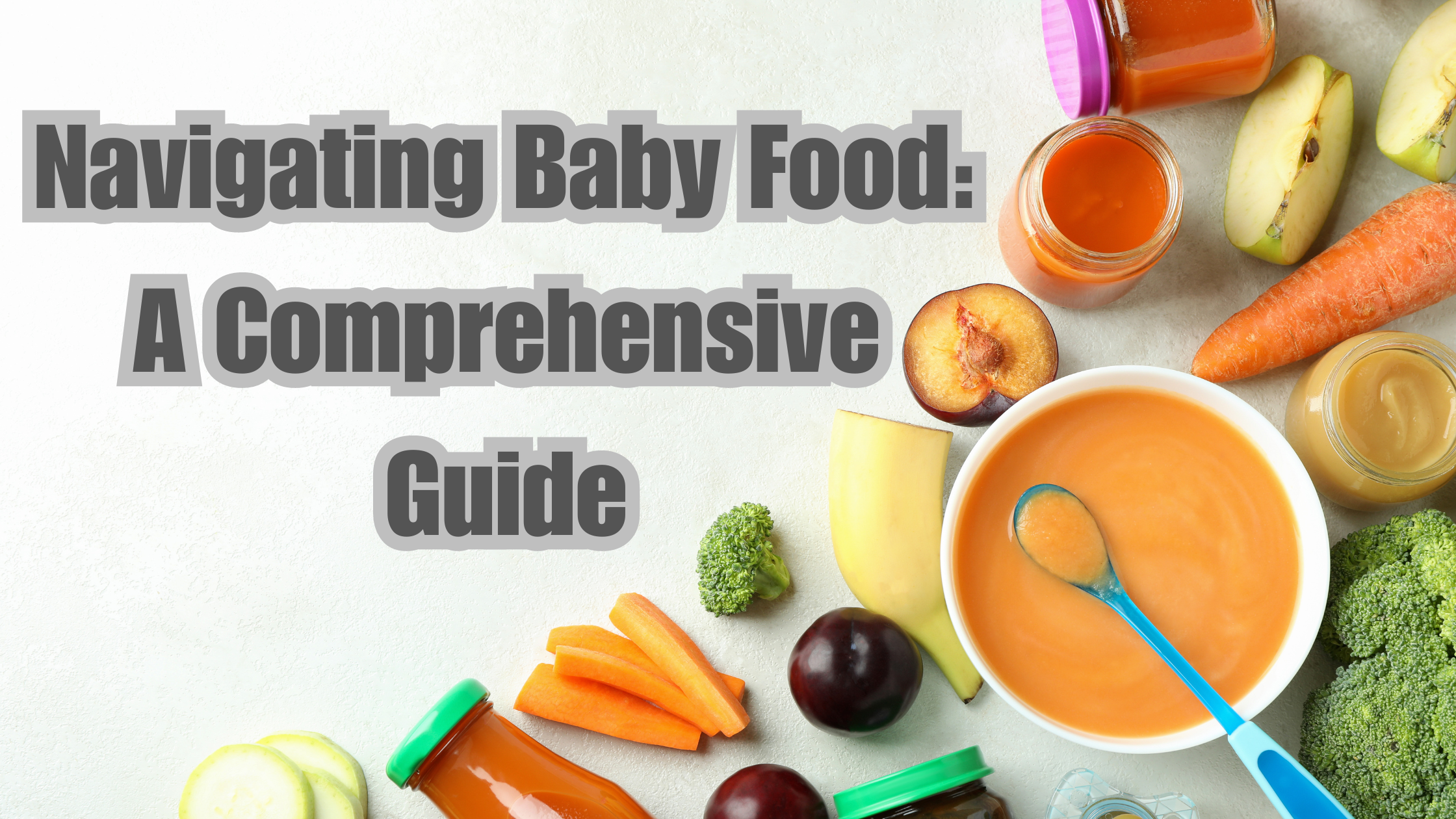
Navigating baby food introducing your baby to solid foods is a big step, but it can also feel overwhelming with all the choices. This guide will cover everything from homemade meals to store-bought options, helping you make sure your baby gets the healthiest nutrition.
Homemade Baby Food:
Making your own baby food is easy. You can start with fresh fruits and veggies like apples, bananas, carrots, and sweet potatoes. First, peel them, then chop them up. After that, steam them until they’re soft. Next, blend them until they’re smooth like a puree. You can mix different fruits and veggies together for more flavors.
Once you’ve made the baby food, store it in small portions. Use ice cube trays to freeze individual servings. When it’s mealtime, just take out a cube or two and thaw them. Then, your baby’s food is ready to eat!
It’s important to keep the homemade navigating baby food in the fridge or freezer. This helps it stay fresh and safe for your baby to eat. Plus, having small portions makes it easy to serve the right amount at each meal. Homemade baby food is a healthy and cost-effective option for your little one’s meals.
Store-Bought Baby Food:
If making your own baby food isn’t feasible, don’t worry—there are plenty of nutritious options available at the store. Look for brands that offer organic, non-GMO ingredients with no added sugars or preservatives.
When choosing store-bought baby food, opt for varieties that are appropriate for your baby’s age and stage of development. Start with single-ingredient purees, like applesauce or mashed peas, before moving on to more complex flavors and textures.
Read the labels carefully to ensure you’re selecting the healthiest options for your baby. Avoid products with added salt, sugar, or artificial ingredients, and opt for those with simple, natural ingredients instead.
Feeding Tips:
Regardless of whether you choose homemade or store-bought baby food, there are some essential tips to keep in mind when feeding your little one:
1. Start Slow:
Start by introducing new foods one at a time to make sure your baby doesn’t have any allergies or sensitivities. Give your baby a small amount of the new food and watch closely for any signs of a reaction, like a rash or upset stomach. Wait a few days before trying another new food. This gives you time to see if there are any problems. It’s important to be patient and take it slow when introducing new foods to your baby. This helps keep them safe and healthy as they explore different flavors and textures.
2. Texture Matters:
As your baby gets older, it’s important to change the texture of their food. Start with smooth purees and then slowly introduce thicker textures, like mashed or chopped foods. This helps your baby learn how to chew and swallow different textures as they grow. You can also offer soft finger foods for them to practice picking up and eating on their own. Gradually increasing the texture of your baby’s food helps them develop important skills for eating solid foods. It’s a natural progression that supports their development and encourages independence at mealtime.
3. Be Patient:
It’s important to be patient when introducing new foods to your baby. They may not like a new food the first time they try it, and that’s okay. It might take several tries before they accept it, so don’t give up! Keep offering a variety of options and be patient as they explore different tastes and textures. Remember that babies have sensitive taste buds and may need time to adjust to new flavors. By being patient and persistent, you can help your baby develop a diverse palate and a healthy relationship with food.
4. Stay Safe:
To keep your baby safe during mealtimes, it’s essential to always watch them closely. Avoid giving them foods that could be choking hazards, like whole grapes, nuts, or popcorn. Instead, opt for soft foods that are easy for them to chew and swallow. Cut foods into small, manageable pieces to reduce the risk of choking. It’s also important to supervise your baby while they eat, even if they’re feeding themselves. By staying vigilant and avoiding risky foods, you can help prevent accidents and ensure your baby’s safety during mealtime..
5. Breastfeeding or Formula:
When introducing solid foods, it’s important to remember that breast milk or formula should remain the main source of nutrition for babies under 12 months old. Even as you start to offer solid foods, continue to breastfeed or provide formula to ensure your baby receives essential nutrients. Solid foods are introduced gradually, usually starting around six months of age, but breast milk or formula should still be the primary source of nourishment until your baby is at least one year old. This ensures they receive the proper balance of nutrients for healthy growth and development during their first year of life.
By following these tips and offering a variety of nutritious options, you can ensure that your baby gets the best start possible when it comes to their nutrition. Enjoy this exciting journey of introducing your little one to the wonderful world of food!
FAQs:
- When should I start introducing solid foods to my baby?
– According to the AAP, most babies are ready to start solid foods around six months of age. However, every baby is different, so it’s essential to watch for signs of readiness, such as sitting up with minimal support and showing interest in food.
- How do I know if my baby is allergic to a certain food?
– Signs of a food allergy in babies may include a rash, hives, vomiting, diarrhea, or difficulty breathing. If you suspect your baby has a food allergy, consult with your pediatrician for guidance.
- What are some safe finger foods for my baby to try?
– Soft, easily mashable foods like cooked vegetables, ripe fruits, and small pieces of soft cheese or tofu are suitable options for babies learning to self-feed. Avoid hard foods or those that could pose a choking hazard.
- Is it better to make homemade baby food or buy store-bought options?
– Both homemade and store-bought baby food can be nutritious options for your baby. Homemade baby food allows you to control the ingredients and flavors, while store-bought options offer convenience and variety. Choose whichever option works best for your family’s needs and preferences.
- How can I ensure my baby gets enough nutrients while transitioning to solid foods?
– Navigating baby food continue to breastfeed or provide formula as the primary source of nutrition for your baby, even as you introduce solid foods. Offer a variety of nutrient-rich foods, including fruits, vegetables, grains, and proteins, and monitor your baby’s growth and development with regular visits to their pediatrician.
Resources:
- American Academy of Pediatrics (AAP): The AAP provides valuable information on infant nutrition, including guidelines for introducing solid foods and tips for feeding babies.
- Centers for Disease Control and Prevention (CDC): The CDC offers resources on infant feeding practices and recommendations for ensuring your baby’s nutritional needs are met.
- Local Pediatrician: Your paediatrician can offer personalized guidance and recommendations based on your baby’s individual needs and development.