Reproductive Health Sexual and Reproductive Health
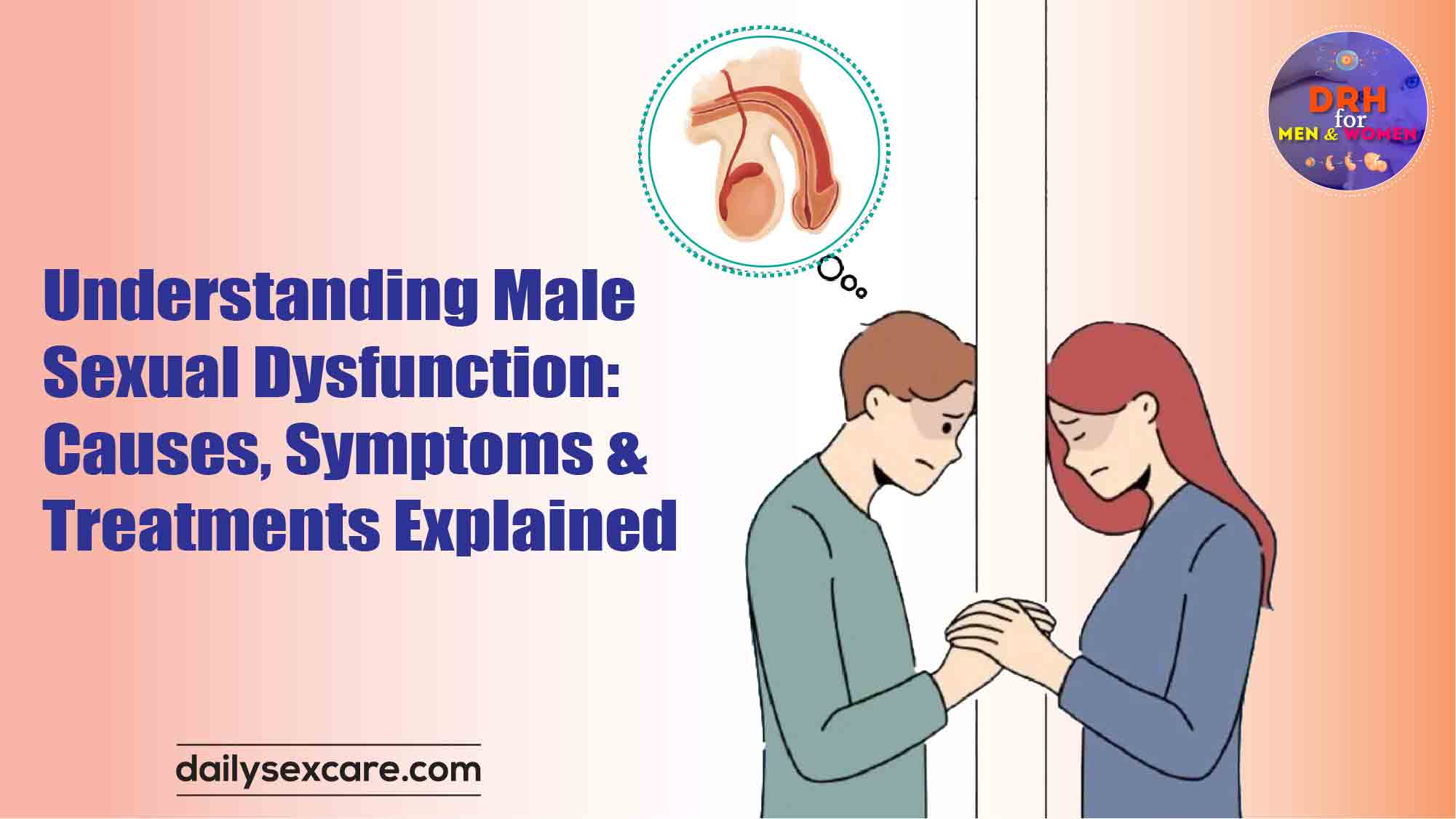
Male sexual dysfunction includes issues like erectile dysfunction, premature ejaculation, and low libido. It affects physical and emotional well-being.
Male sexual dysfunction is a common problem that can impact men of all ages. Causes range from physical conditions like diabetes and heart disease to psychological factors like stress and anxiety. Symptoms vary depending on the type of dysfunction but often include difficulty achieving or maintaining an erection, reduced sexual desire, or issues with ejaculation.
Treatments are available and can significantly improve quality of life. Options include medications, therapy, lifestyle changes, and addressing underlying health issues. Early diagnosis and intervention are crucial for effective management and to prevent long-term complications.
Introduction To Male Sexual Dysfunction
Male sexual dysfunction is a common issue affecting men of all ages. It can impact a man’s self-esteem and relationships. Understanding this condition is important for managing it effectively.
Definition
Male sexual dysfunction refers to problems during any phase of the sexual response cycle. This cycle includes excitement, plateau, orgasm, and resolution. Dysfunction can prevent satisfaction from sexual activity.
- Erectile Dysfunction (ED): Inability to achieve or maintain an erection.
- Premature Ejaculation (PE): Ejaculating sooner than desired.
- Delayed Ejaculation: Difficulty or inability to ejaculate.
- Low Libido: Reduced interest in sexual activity.
Prevalence
Sexual dysfunction is widespread and affects men globally. Its prevalence increases with age but is not limited to older men.
| Age Group | Percentage Affected |
|---|---|
| Under 40 | 20% |
| 40-70 | 52% |
| Over 70 | 70% |
Understanding the causes and symptoms is crucial. This helps in seeking the right treatment. Early intervention can improve the quality of life.
Common Causes
Male sexual dysfunction is a common issue affecting many men worldwide. Understanding its causes is crucial for effective treatment. This section will explore the most common causes of male sexual dysfunction.
Psychological Factors
Psychological factors play a significant role in male sexual dysfunction. Stress and anxiety can impact performance. Depression can lower sexual desire. Relationship issues also contribute to sexual problems. Past sexual trauma can lead to dysfunction. Performance anxiety often leads to erectile issues.
Physical Conditions
Physical health significantly affects sexual function. Cardiovascular diseases can impair blood flow, causing erectile dysfunction. Diabetes is another common cause, affecting nerve function. Hormonal imbalances, like low testosterone, reduce sexual desire. Obesity and lack of exercise also contribute to dysfunction. Certain medications can cause side effects impacting sexual health.
| Cause | Impact on Sexual Function |
|---|---|
| Stress | Reduces sexual desire |
| Cardiovascular Diseases | Impair blood flow |
| Diabetes | Affects nerve function |
| Low Testosterone | Reduces libido |
| Medications | Cause sexual side effects |
Identifying the cause is the first step to effective treatment. Consult a healthcare provider for proper diagnosis and treatment options.
Hormonal Imbalances
Hormonal imbalances are a common cause of male sexual dysfunction. Hormones play a vital role in regulating sexual function. When these hormones are out of balance, problems can occur.
Low Testosterone
Low testosterone, or low T, is a primary cause of sexual dysfunction. Testosterone is the hormone responsible for male sex drive and performance.
Common symptoms of low testosterone include:
- Reduced sex drive
- Erectile dysfunction
- Fatigue
- Loss of muscle mass
Treatment for low testosterone often involves hormone replacement therapy (HRT). HRT can help restore testosterone levels. This can improve sexual function and overall well-being.
Other treatments may include lifestyle changes. Exercise, a healthy diet, and reducing stress can also help.
Other Hormonal Issues
Besides low testosterone, other hormonal imbalances can affect sexual health. These include issues with thyroid hormones, prolactin, and cortisol.
Thyroid hormones regulate metabolism. Both hypothyroidism and hyperthyroidism can cause sexual dysfunction.
| Condition | Symptoms |
|---|---|
| Hypothyroidism | Fatigue, weight gain, low libido |
| Hyperthyroidism | Anxiety, weight loss, erectile issues |
Prolactin is another hormone that can impact sexual health. High levels of prolactin can lead to reduced sex drive and erectile dysfunction.
Cortisol, the stress hormone, can also affect sexual function. Chronic stress can lead to high cortisol levels. This can reduce testosterone production and impact libido.
Treatments for these hormonal issues vary. They often involve medication to balance hormone levels. Lifestyle changes can also be beneficial. Reducing stress and maintaining a healthy lifestyle are key.
Medications Impact
Understanding the impact of medications on male sexual dysfunction is essential. Some medications can cause or worsen sexual problems. These include prescription drugs and substances of abuse.

Prescription Drugs
Many prescription drugs can affect sexual function. Common ones include:
- Antidepressants
- Blood pressure medications
- Antihistamines
- Antipsychotics
Antidepressants like SSRIs can lower libido. Blood pressure medications can affect blood flow to the penis. Antihistamines might decrease sexual desire. Antipsychotics can interfere with hormone levels.
Substance Abuse
Substance abuse also impacts sexual health. Common substances include:
- Alcohol
- Nicotine
- Recreational drugs
Alcohol can reduce sexual response. Nicotine affects blood flow, leading to erectile issues. Recreational drugs, like cocaine, can cause long-term damage. These substances can make sexual dysfunction worse.
Understanding these impacts can help in managing male sexual dysfunction effectively.
Symptoms Overview
Understanding the symptoms of male sexual dysfunction is crucial. Recognizing these signs early helps in seeking timely treatment. Below, we explore the key symptoms associated with male sexual dysfunction.
Erectile Dysfunction
Erectile Dysfunction (ED) is one of the most common symptoms. It refers to the inability to achieve or maintain an erection. This can be a persistent issue or occur sporadically.
ED may stem from various causes, including physical and psychological factors. Common physical causes include diabetes, heart disease, and obesity. Psychological factors may involve stress, anxiety, or depression.
Symptoms of ED include:
- Difficulty achieving an erection
- Trouble maintaining an erection during sexual activities
- Reduced interest in sex due to erection problems
Low Libido
Low Libido refers to a reduced interest in sexual activities. This can significantly affect relationships and emotional well-being.
Common causes of low libido include hormonal imbalances, stress, and certain medications. Mental health issues like depression can also lower sexual desire.
Symptoms of low libido include:
- Lack of interest in sexual activities
- Reduced sexual fantasies or thoughts
- Decreased initiation of sexual interactions
Recognizing these symptoms is the first step towards effective treatment. Consult a healthcare professional if you experience any of these signs.
Psychological Symptoms
Male sexual dysfunction can be influenced by various psychological symptoms. These symptoms often exacerbate the condition, leading to a cycle of stress and sexual performance issues. Understanding these psychological factors is crucial for effective treatment and management.

iashindia.com
Anxiety
Anxiety plays a significant role in male sexual dysfunction. Men experiencing anxiety may worry about their sexual performance. This worry can lead to performance anxiety, making it difficult to achieve or maintain an erection.
Common signs of anxiety include:
- Rapid heartbeat
- Sweating
- Trembling
- Shortness of breath
These physical symptoms can disrupt the sexual experience. Cognitive-behavioral therapy (CBT) is effective in managing anxiety-related sexual dysfunction. It helps individuals reframe their thoughts and reduce performance pressure.
Depression
Depression is another critical psychological factor impacting male sexual health. Men with depression often experience a loss of interest in activities, including sex. This lack of interest can lead to erectile dysfunction or reduced libido.
Symptoms of depression include:
- Persistent sadness
- Lack of energy
- Changes in appetite
- Difficulty concentrating
Antidepressant medications and therapy can alleviate these symptoms. However, some antidepressants may have side effects that affect sexual function. Consulting a healthcare provider can help find a balanced treatment approach.
Diagnosis Process
The diagnosis process for male sexual dysfunction is critical. It helps identify the root cause of the problem. This process involves several steps. Each step provides valuable information for an accurate diagnosis.
Medical History
The first step in diagnosing male sexual dysfunction is a detailed medical history. The doctor will ask about your overall health. They will inquire about your sexual history, emotional health, and lifestyle.
Some common questions include:
- Are you experiencing stress or anxiety?
- Do you have any chronic illnesses?
- Are you taking any medications?
- Have you had any surgeries?
Providing honest answers is essential. This helps the doctor understand potential underlying causes.
Physical Examination
A physical examination follows the medical history. This exam checks for physical signs of sexual dysfunction. The doctor will examine your genitals and testicles.
They may also check your blood pressure and heart rate. These checks help rule out physical issues. Conditions like diabetes or heart disease can cause sexual dysfunction.
In some cases, the doctor may order further tests. These tests include blood tests, hormone tests, or ultrasounds.
| Test Type | Purpose |
|---|---|
| Blood Tests | Check for diabetes, cholesterol levels, and hormone levels. |
| Hormone Tests | Assess testosterone levels. |
| Ultrasound | Examine blood flow to the penis. |
The physical examination and tests help provide a comprehensive understanding of your condition.

Credit: www.medicalnewstoday.com
Laboratory Tests
Understanding male sexual dysfunction involves exploring various aspects, including laboratory tests. Laboratory tests help identify underlying causes of sexual dysfunction. These tests offer insights into a man’s health status. Below, we delve into specific tests that doctors may order.
Blood Tests
Blood tests are essential in diagnosing sexual dysfunction. They reveal crucial health information. Doctors check for conditions like diabetes or heart disease. These conditions can impact sexual health. Here are some common blood tests:
- Glucose Levels: High glucose indicates diabetes, affecting sexual function.
- Cholesterol Levels: High cholesterol may lead to cardiovascular issues.
- Complete Blood Count (CBC): CBC checks overall health and detects disorders.
Hormone Levels
Hormone levels play a vital role in sexual health. Imbalances can cause sexual dysfunction. Doctors often measure key hormones. These hormones include testosterone and prolactin. Below are common hormone tests:
| Hormone | Impact on Sexual Health |
|---|---|
| Testosterone | Low levels can reduce libido and erectile function. |
| Prolactin | High levels can impair sexual desire and performance. |
| Thyroid Hormones | Imbalances can lead to sexual dysfunction. |
Regular monitoring of these hormones is crucial. It helps in timely diagnosis and treatment. Addressing hormone imbalances can improve sexual health significantly.
Lifestyle Modifications
Understanding male sexual dysfunction can be a journey. Lifestyle modifications can play a significant role in managing this condition. Simple changes to your daily routine can make a big difference. Let’s explore two key areas: diet changes and exercise.
Diet Changes
A healthy diet supports sexual health. Eating the right foods boosts energy and mood. Here are some diet changes that can help:
- Increase Fruits and Vegetables: These are rich in vitamins and antioxidants.
- Include Whole Grains: Whole grains improve blood flow.
- Limit Sugar and Processed Foods: These can lower energy levels.
- Stay Hydrated: Drink plenty of water daily.
- Omega-3 Fatty Acids: Found in fish, these improve heart health.
Here is a simple table summarizing the key dietary changes:
| Food Type | Benefits |
|---|---|
| Fruits and Vegetables | Rich in vitamins and antioxidants |
| Whole Grains | Improves blood flow |
| Omega-3 Fatty Acids | Enhances heart health |
Exercise
Regular exercise improves overall health. It also enhances sexual function. Here are some exercises that can help:
- Cardio Exercises: Running, walking, and swimming boost blood flow.
- Strength Training: Lifting weights improves muscle tone.
- Yoga: Enhances flexibility and reduces stress.
- Pelvic Floor Exercises: Strengthen the muscles around the pelvis.
Consistent exercise has numerous benefits:
- Boosts energy levels
- Improves mood
- Enhances stamina
- Supports cardiovascular health
Make these lifestyle modifications part of your routine. They can improve your sexual health and overall well-being.
:max_bytes(150000):strip_icc()/VWH-Tara-Anand-Sudden-ED-Standard-bae5df70357749fb95fd0097937ddea3.jpg)
Credit: www.verywellhealth.com
Psychological Treatments
Male sexual dysfunction often has psychological causes. Psychological treatments can be very effective. These treatments help men address the root causes of their issues. Below are two main psychological treatments: therapy and counseling.
Therapy
Therapy involves working with a trained therapist. The therapist helps identify and address emotional issues. Common types of therapy include:
- CBT (Cognitive Behavioral Therapy): CBT helps change negative thought patterns.
- Sex Therapy: Focuses on sexual issues and improving sexual health.
- Mindfulness Therapy: Teaches techniques to reduce stress and anxiety.
Therapy sessions are usually weekly. The duration of therapy can vary. Consistency is key for effective results.
Counseling
Counseling also involves working with a professional. The focus is on emotional support and guidance. Types of counseling include:
- Individual Counseling: One-on-one sessions to discuss personal issues.
- Couples Counseling: Helps partners address relationship problems.
- Group Counseling: Involves multiple participants sharing experiences.
Counseling can help men feel less alone. It provides a safe space to talk about their problems. Both therapy and counseling can be very effective for treating male sexual dysfunction.
Medical Treatments
Understanding male sexual dysfunction is crucial for improving quality of life. Medical treatments can offer effective solutions. These treatments address the root causes of the dysfunction. Let’s explore the main medical treatments available.
Medications
Medications can effectively treat male sexual dysfunction. The most common drugs are PDE5 inhibitors. These include:
- Sildenafil (Viagra)
- Tadalafil (Cialis)
- Vardenafil (Levitra)
These drugs help increase blood flow to the penis. They are usually taken before sexual activity. Consult a doctor before starting any medication. Side effects may include headaches and flushing.
Surgical Options
Surgery can be an option for severe cases. There are two main types:
- Penile implants
- Vascular surgery
Penile implants involve placing a device inside the penis. This helps achieve an erection. Vascular surgery improves blood flow. It’s often used when blood vessels are blocked.
Always discuss surgical options with a healthcare provider. Surgery carries risks and benefits. Choose the best option for your condition.
| Medication | Brand Name | Common Side Effects |
|---|---|---|
| Sildenafil | Viagra | Headaches, Flushing |
| Tadalafil | Cialis | Back Pain, Muscle Aches |
| Vardenafil | Levitra | Runny Nose, Indigestion |
Credit: my.clevelandclinic.org
Alternative Therapies
Male sexual dysfunction can be distressing. Alternative therapies offer natural solutions. These therapies complement traditional treatments. They provide a holistic approach to wellness. Let’s explore some effective options.
Herbal Supplements
Herbal supplements are popular for treating male sexual dysfunction. They contain natural ingredients. Many believe these herbs can enhance libido and performance.
Some common herbal supplements include:
- Ginseng: Boosts energy and sexual function.
- Maca Root: Improves libido and stamina.
- Tribulus Terrestris: Increases testosterone levels.
- Horny Goat Weed: Enhances erectile function.
Always consult a doctor before starting any supplement. This ensures safety and effectiveness.
Acupuncture
Acupuncture is an ancient Chinese therapy. It involves inserting thin needles into specific points on the body.
Acupuncture can help treat male sexual dysfunction by:
- Improving blood flow to the genital area.
- Reducing stress and anxiety.
- Balancing hormones.
Studies show positive results for many men. Acupuncture is safe and non-invasive. It may be a good option for those seeking natural treatments.
Prevention Strategies
Understanding male sexual dysfunction is crucial for maintaining a healthy lifestyle. Prevention strategies can play a significant role in reducing the risk of sexual dysfunction. In this section, we will explore some effective prevention strategies.
Healthy Lifestyle
Adopting a healthy lifestyle can significantly reduce the risk of sexual dysfunction. Here are some tips:
- Balanced Diet: Eat plenty of fruits, vegetables, and lean proteins.
- Regular Exercise: Engage in physical activities for at least 30 minutes daily.
- Avoid Smoking: Smoking can harm blood flow and affect sexual performance.
- Limit Alcohol: Excessive alcohol intake can lead to sexual issues.
- Stay Hydrated: Drink enough water to maintain overall health.
Regular Check-ups
Regular check-ups with your healthcare provider can help in early detection and prevention of sexual dysfunction. Consider the following:
- Annual Physical Exams: Ensure you have a yearly check-up.
- Blood Pressure Monitoring: High blood pressure can affect sexual health.
- Cholesterol Levels: Keep track of your cholesterol levels.
- Blood Sugar Levels: Regularly check your blood sugar levels.
- Discuss Symptoms: Talk to your doctor about any symptoms you experience.
Implementing these prevention strategies can help maintain sexual health and overall well-being.
Impact On Relationships
Male sexual dysfunction can deeply affect relationships. Understanding its impact helps to manage it better. This section explores how sexual dysfunction influences relationships, focusing on communication and partner support.

Communication
Communication is crucial in managing sexual dysfunction. Partners need to talk openly about their feelings. Honest discussions help in understanding each other’s needs. This can reduce misunderstandings and build trust.
Sometimes, talking about sexual dysfunction is hard. You may feel embarrassed or ashamed. It is essential to create a safe space for these talks. Being supportive and non-judgmental makes a big difference. Seeking professional help can also guide these conversations.
Partner Support
Support from a partner is vital in dealing with sexual dysfunction. A loving and understanding partner can boost confidence. They can help in finding solutions together. This shared approach strengthens the relationship.
Partners should educate themselves about the condition. Understanding the causes and treatments can reduce frustration. This knowledge helps in providing the right support. Emotional support is as important as physical solutions. A caring partner can ease stress and anxiety related to sexual dysfunction.
| Aspect | Impact | Solution |
|---|---|---|
| Communication | Reduces misunderstandings | Open, honest talks |
| Partner Support | Boosts confidence | Understanding and education |
Future Research
Understanding male sexual dysfunction is crucial. Future research holds promise for better solutions. Scientists are exploring new areas to improve treatments and outcomes. This section will delve into innovative treatments and ongoing studies shaping the future.
Innovative Treatments
Researchers are focusing on innovative treatments for male sexual dysfunction. These new methods aim to provide better results with fewer side effects. Some promising areas include:
- Stem Cell Therapy: This treatment uses stem cells to repair damaged tissues.
- Gene Therapy: Scientists are studying how genes can help restore normal function.
- Shockwave Therapy: This non-invasive method uses sound waves to improve blood flow.
Each of these treatments is still under investigation. They hold the potential to change the way we treat male sexual dysfunction.
Ongoing Studies
Several ongoing studies are examining various aspects of male sexual dysfunction. These studies aim to understand the causes and develop effective treatments. Key areas of focus include:
- Hormonal Imbalances: Researching how hormones affect sexual function.
- Psychological Factors: Studying the impact of mental health on sexual performance.
- Lifestyle Changes: Investigating how diet and exercise can improve symptoms.
These studies are crucial. They provide insights into the complex nature of sexual dysfunction. The goal is to find more personalized and effective treatments.
The future of male sexual dysfunction treatment looks promising. With continuous research, better and more effective solutions will emerge.
Frequently Asked Questions
What Is The Cause Of Male Sexual Dysfunction?
Male sexual dysfunction can be caused by physical issues like diabetes, heart disease, or hormonal imbalances. Psychological factors such as stress, anxiety, or depression also contribute. Lifestyle choices like smoking, alcohol, or drug use can affect sexual performance. Medications and relationship problems may also play a role.
What Are The Four Categories Of Sexual Dysfunction?
The four categories of sexual dysfunction are desire disorders, arousal disorders, orgasm disorders, and pain disorders. Each affects sexual health differently.
How Do You Fix Male Dysfunction?
Treat male dysfunction with lifestyle changes, medications, therapy, or medical devices. Consult a doctor for personalized treatment.
What Can A Wife Do To Help Her Husband With Erectile Dysfunction?
Encourage open communication. Support a healthy lifestyle, including exercise and a balanced diet. Suggest consulting a healthcare professional.
Conclusion
Understanding male sexual dysfunction is crucial for a healthy life. Recognizing symptoms early ensures timely treatment. Effective treatments are available, improving quality of life. Consult a healthcare professional for personalized advice. Addressing these issues can lead to better relationships and overall well-being.
Don’t hesitate to seek help and take control of your health.