Reproductive Health Sexual and Reproductive Health

Essential infant care tips ensure your baby’s health and happiness. Follow these guidelines to nurture and support your newborn effectively.
Caring for a newborn can feel overwhelming. Every parent wants their baby to thrive. Proper infant care involves meeting physical, emotional, and developmental needs. Start by establishing a consistent feeding schedule, whether breastfeeding or formula feeding. Ensure your baby gets enough sleep in a safe environment to promote growth and well-being.
Regular pediatric check-ups are crucial for monitoring development and preventing illnesses. Bonding through touch, talk, and play strengthens emotional connections and supports cognitive development. Keep your baby’s environment clean and free from hazards to ensure safety. With these essential tips, you can foster a healthy and happy start for your baby.
Feeding Essentials
Feeding your baby is crucial for their growth and development. Knowing the right techniques ensures your baby stays healthy and happy. This section covers essential tips for both breastfeeding and formula feeding.
Breastfeeding Tips
Breastfeeding provides essential nutrients and strengthens your baby’s immunity. Here are some tips to make breastfeeding easier:
- Find a Comfortable Position: Make sure both you and your baby are comfortable.
- Ensure Proper Latch: A proper latch ensures efficient feeding and prevents sore nipples.
- Feed on Demand: Respond to your baby’s hunger cues to feed them as needed.
- Stay Hydrated: Drink plenty of water to maintain your milk supply.
- Seek Support: Consult a lactation specialist if you face challenges.
Formula Feeding Guide
Formula feeding is a viable alternative if breastfeeding isn’t an option. Follow these guidelines for safe and effective formula feeding:
- Choose the Right Formula: Consult your pediatrician to pick the best formula for your baby.
- Follow Instructions: Mix the formula exactly as directed on the packaging.
- Maintain Cleanliness: Sterilize bottles and nipples before each use.
- Feed on Schedule: Establish a regular feeding schedule to meet your baby’s needs.
- Watch for Allergies: Be observant for any signs of allergies or discomfort.
Both breastfeeding and formula feeding have their own benefits. Understanding these essentials will help ensure your baby’s health and happiness.
Sleep Tips
Ensuring your baby gets enough sleep is vital for their health and happiness. Good sleep habits lead to better growth and development. Here are some essential sleep tips to help your baby rest well and stay safe.

Creating A Sleep Routine
Establishing a consistent sleep routine helps your baby know when it’s time to sleep. A predictable schedule can make bedtime easier and reduce fussiness.
- Set a regular bedtime each night.
- Include calming activities before bed, like a bath or storytime.
- Dim the lights and reduce noise to create a peaceful environment.
Babies thrive on predictability. Stick to the same routine even on weekends.
Safe Sleep Practices
Safe sleep practices are crucial to reduce the risk of Sudden Infant Death Syndrome (SIDS). Follow these guidelines to ensure your baby sleeps safely:
| Practice | Details |
|---|---|
| Place Baby on Back | Always put your baby to sleep on their back. |
| Use a Firm Mattress | Ensure the crib mattress is firm and fits snugly. |
| Remove Soft Items | Keep pillows, blankets, and toys out of the crib. |
| Room Sharing | Let your baby sleep in your room but in their own crib. |
Follow these practices consistently to keep your baby safe while they sleep.
Diapering Basics
Diapering is a crucial part of infant care. It keeps your baby clean and comfortable. Understanding the basics helps ensure your baby’s health and happiness.

mom.com
Choosing The Right Diaper
Choosing the right diaper is essential for your baby’s comfort. There are two main types: disposable and cloth.
| Type | Pros | Cons |
|---|---|---|
| Disposable |
|
|
| Cloth |
|
|
Preventing Diaper Rash
Diaper rash can cause discomfort for your baby. Follow these tips to prevent it:
- Change diapers frequently to keep the area dry.
- Clean the diaper area with warm water and a soft cloth.
- Use a diaper rash cream to protect the skin.
- Allow your baby to have diaper-free time.
- Ensure the diaper is not too tight.
Bathing Your Baby
Bathing your baby is a special bonding time. It’s important for cleanliness and relaxation. Ensuring a safe and enjoyable bath requires preparation and care.

Bathing Supplies
Gather all necessary bathing supplies before starting. This makes the process smooth and stress-free.
- Baby bathtub
- Soft washcloths
- Baby-safe soap and shampoo
- Gentle baby lotion
- Clean towels
- Fresh diaper and clothes
Using the right supplies protects your baby’s delicate skin. Always choose products designed for infants. They are gentle and safe.
Bath Time Safety
Safety is the most important part of bath time. Never leave your baby unattended in the bath.
- Fill the tub with 2-3 inches of warm water.
- Test the water temperature with your elbow.
- Hold your baby securely while bathing.
- Keep all supplies within reach.
- Use a non-slip mat in the tub.
- Dry your baby thoroughly after the bath.
Always keep one hand on your baby. This helps prevent accidents. Ensure the room is warm to avoid chills.
Following these essential infant care tips ensures your baby’s health and happiness.
Baby Clothing
Choosing the right clothing for your baby is crucial for their comfort and health. The right attire keeps your baby snug and happy. Let’s explore essential tips on selecting and dressing your little one.

Choosing Appropriate Clothes
Selecting the best clothes for your baby can be fun. Here are some tips to help you make the right choices:
- Opt for soft, breathable fabrics like cotton to avoid skin irritation.
- Avoid clothes with small buttons or embellishments that can be choking hazards.
- Choose clothes with easy access like snap buttons or zippers for quick diaper changes.
- Pick the right size to ensure comfort and ease of movement.
Dressing For The Weather
Dressing your baby according to the weather is essential for their well-being. Here are some tips for different seasons:
| Season | Tips |
|---|---|
| Summer |
|
| Winter |
|
| Rainy |
|
Health Check-ups
Regular health check-ups are vital for your baby’s growth and well-being. These visits help track development and catch any health issues early. Ensuring timely medical care keeps your baby healthy and happy.
Vaccination Schedule
Vaccinations protect your baby from many serious diseases. Keeping an updated vaccination schedule is crucial. Your baby needs certain vaccines at specific ages. Here is a general schedule:
| Age | Vaccine |
|---|---|
| Birth | Hepatitis B |
| 2 Months | DTP, Polio, Hib, Hepatitis B, Rotavirus |
| 4 Months | DTP, Polio, Hib, Rotavirus |
| 6 Months | DTP, Polio, Hib, Hepatitis B, Rotavirus, Flu |
| 12 Months | MMR, Chickenpox, Hepatitis A |
Consult your pediatrician for an exact schedule. This ensures your baby gets the right vaccines at the right time.
Regular Pediatric Visits
Regular visits to the pediatrician are essential. These visits monitor your baby’s growth and development. A typical schedule includes:
- First week
- 1 Month
- 2 Months
- 4 Months
- 6 Months
- 9 Months
- 12 Months
During these visits, the doctor checks weight, height, and developmental milestones. They also answer any questions you may have. Regular check-ups ensure your baby is growing well and staying healthy.
Bonding And Play
Bonding and play are vital for your baby’s growth and happiness. Interaction through play strengthens the emotional connection between you and your baby. Playful activities also help in the development of essential skills and create joyful memories.
Interactive Play Ideas
- Peek-a-Boo: This classic game never gets old. Babies love the element of surprise.
- Tummy Time: Lay your baby on their stomach. This strengthens neck and shoulder muscles.
- Musical Toys: Musical toys stimulate auditory senses. Babies enjoy different sounds.
- Reading Books: Choose colorful picture books. Reading fosters language development.
- Sensory Play: Use soft toys, textured fabrics, and safe household items. This enhances tactile experiences.
Building Emotional Connections
Emotional connections are crucial for your baby’s mental health. These connections build trust and security.
| Activity | Description |
|---|---|
| Skin-to-Skin Contact | Hold your baby close. This soothes and comforts them. |
| Eye Contact | Maintain eye contact during feeding. This builds trust. |
| Responsive Communication | Respond to your baby’s sounds and gestures. This encourages communication. |
| Gentle Touch | Massage your baby gently. This promotes relaxation and bonding. |
Creating a strong emotional bond with your baby is essential. It ensures they feel loved and secure. Through consistent interaction, you nurture their emotional well-being.

Traveling with a baby can be challenging, but it’s also rewarding. Proper planning ensures a smooth journey. Here are some essential tips for traveling with your baby.
Car Seat Safety
Always use a rear-facing car seat for infants. Ensure the car seat is properly installed. Double-check the harness is snug and secure.
Never place the car seat in the front seat. Always position it in the back seat for added safety. Follow the car seat’s manual for installation guidelines.
Packing Essentials
Pack wisely to avoid stress during the trip. Use a checklist to ensure you have everything. Here are some packing essentials:
- Diapers: Bring enough for the trip and some extras.
- Wipes: Essential for cleaning messes.
- Baby Food: Pack enough formula or baby food.
- Clothing: Include multiple outfits for different weather.
- Blankets: Useful for warmth and comfort.
- Toys: Keep your baby entertained during the journey.
- First Aid Kit: Include baby-safe medicines and essentials.
Organize items in a diaper bag for easy access. Keep important items within reach during the trip.
| Item | Quantity | Notes |
|---|---|---|
| Diapers | 10-15 | Depends on trip length |
| Wipes | 1 pack | Essential for cleaning |
| Baby Food | Enough for trip | Include snacks |
| Clothing | 5-7 outfits | For different weather |
| Blankets | 2-3 | For warmth |
| Toys | 3-4 | For entertainment |
| First Aid Kit | 1 | Baby-safe items |
Soothing Techniques
Soothing a crying baby can be challenging. These techniques can help. Learn how to calm your baby and ensure they feel safe and loved.
Handling Colic
Colic can be distressing for both babies and parents. Here are some ways to handle colic effectively:
- Swaddling: Wrap your baby in a soft blanket. This gives them a sense of security.
- White Noise: Use a white noise machine. This mimics the sounds of the womb.
- Gentle Rocking: Rock your baby gently in your arms. This helps soothe their discomfort.
- Feeding Changes: Try feeding your baby in an upright position. This can reduce gas and colic.
Calming Methods
There are many ways to calm a fussy baby. Here are some effective methods:
- Skin-to-Skin Contact: Hold your baby close to your chest. This helps them feel your warmth and heartbeat.
- Pacifiers: Offer a pacifier to your baby. Sucking can be very soothing for them.
- Bath Time: Give your baby a warm bath. This can be very relaxing for them.
- Massage: Gently massage your baby’s back, arms, and legs. This can relieve tension and calm them.
These techniques can make a huge difference. Try them and see what works best for your baby.
Baby Proofing
Baby proofing is essential for ensuring your baby’s safety at home. Making your home safe helps protect your baby from potential hazards. Follow these tips to create a secure environment for your little one.
Home Safety Tips
Here are some essential tips to keep your home safe:
- Secure heavy furniture to the walls to prevent tipping.
- Use safety gates at the top and bottom of stairs.
- Cover electrical outlets with safety plugs.
- Keep small objects out of your baby’s reach.
- Install window guards to prevent falls.
- Lock cabinets and drawers with childproof locks.
Essential Safety Products
Invest in these products to ensure your baby’s safety:
| Product | Description |
|---|---|
| Baby Monitors | Keep an eye on your baby from another room. |
| Edge and Corner Guards | Protect your baby from sharp furniture edges. |
| Cabinet Locks | Prevent your baby from accessing harmful substances. |
| Safety Gates | Block access to dangerous areas like stairs. |
| Door Stoppers | Prevent doors from slamming on little fingers. |
Nutrition Tips
Feeding your baby right is crucial for their growth and development. Proper nutrition ensures your baby stays healthy and happy. Here are essential tips to guide you.
pinterest.com
Introducing Solids
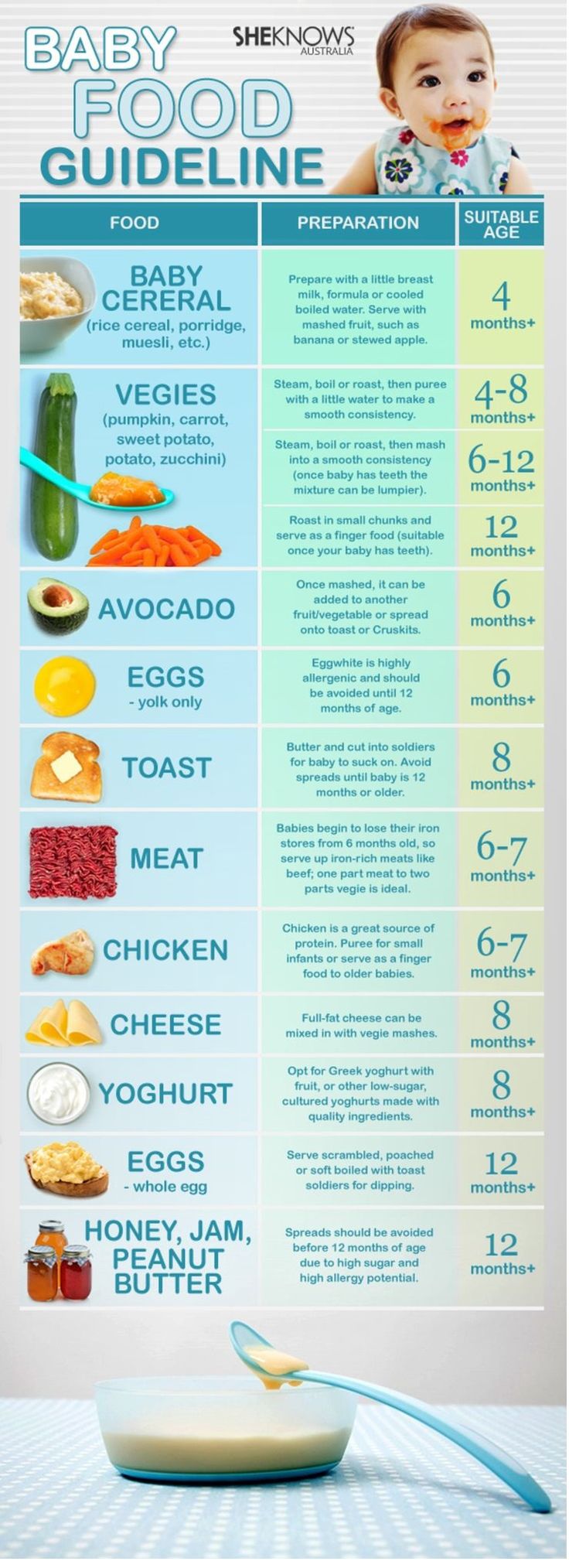
Start with single-ingredient purees like mashed bananas or sweet potatoes. Wait three to five days before introducing a new food. This helps identify any allergies. Use a small spoon and offer small amounts at first. Babies need time to adjust to new textures and tastes.
| Age | Foods to Introduce |
|---|---|
| 4-6 months | Iron-fortified cereals, pureed fruits, and vegetables |
| 6-8 months | Mashed beans, soft fruits, and vegetables |
| 8-10 months | Small pieces of soft foods, yogurt, and cheese |
Ensuring Balanced Diet
A balanced diet includes fruits, vegetables, grains, and proteins. Offer various foods to ensure your baby gets all nutrients. Include iron-rich foods like spinach and lentils. Iron is essential for brain development.
- Fruits and Vegetables: Provide vitamins and minerals.
- Grains: Offer energy and fiber.
- Proteins: Support growth and muscle development.
Watch your baby’s cues. Babies know when they are full. Respect their signals to avoid overfeeding. Avoid sugary foods and drinks. They can lead to tooth decay and poor nutrition.
Development Milestones
Watching your baby grow is an exciting journey. Understanding development milestones is crucial. These milestones help you track your baby’s progress. They also ensure your baby is growing healthily and happily.
Tracking Growth
It’s essential to keep an eye on your baby’s growth. Regular check-ups with the pediatrician are a must. Babies grow rapidly in the first year. Tracking growth can be done through weight, height, and head circumference.
| Age | Weight | Height | Head Circumference |
|---|---|---|---|
| 0-3 Months | 4.5-7 lbs | 18-22 inches | 13.5-15 inches |
| 3-6 Months | 7-16 lbs | 22-25 inches | 15-16.5 inches |
| 6-9 Months | 16-20 lbs | 25-28 inches | 16.5-18 inches |
| 9-12 Months | 20-24 lbs | 28-30 inches | 18-19 inches |
Encouraging Development
Encouraging your baby’s development is crucial. Provide a safe and stimulating environment. Here are some tips:
- Tummy time: Helps strengthen neck and shoulder muscles.
- Interactive play: Engage in games like peek-a-boo.
- Reading: Read to your baby daily to enhance language skills.
- Music: Play soft music to soothe and stimulate the brain.
Babies learn through play. Simple activities can have a huge impact. Encourage curiosity and exploration.
Remember, every baby is unique. Some may reach milestones earlier or later. Be patient and supportive.
Teething Solutions
Teething can be a challenging time for both babies and parents. Understanding the signs and knowing how to comfort your baby makes a big difference. Here are some essential tips to help you through this phase.
Recognizing Teething Signs
Teething symptoms can vary from baby to baby. Here are some common signs to look out for:
- Drooling: Excessive drooling is a typical sign.
- Chewing: Babies often chew on toys or fingers.
- Irritability: Your baby might be fussier than usual.
- Swollen Gums: Gums may appear red and swollen.
- Sleep Disruption: Teething can disturb your baby’s sleep.
Comforting A Teething Baby
Here are some effective ways to comfort your teething baby:
- Teething Toys: Provide soft, chewable toys.
- Cold Washcloth: A cold washcloth can soothe gums.
- Massage Gums: Gently rub your baby’s gums with a clean finger.
- Teething Gel: Use a baby-safe teething gel if recommended by a doctor.
- Extra Cuddles: Sometimes, extra cuddles can provide comfort.
Creating a calm environment also helps soothe your baby. Keep a close eye on their needs and comfort them with love and patience.

Credit: www.helpguide.org
Managing Illness
Managing illness in infants can be challenging for new parents. Understanding common ailments and knowing when to seek medical help ensures your baby’s health and happiness.
Common Baby Ailments
Babies often face a variety of health issues. Knowing the common ailments helps in managing them effectively.
- Colic: Persistent crying, usually in the evenings, due to gas or discomfort.
- Diaper Rash: Red, irritated skin in the diaper area, often caused by wet diapers.
- Common Cold: Symptoms include a runny nose, cough, and slight fever.
- Ear Infections: Signs include ear pulling, fussiness, and trouble sleeping.
- Fever: A temperature above 100.4°F (38°C) can indicate an infection.
When To Call The Doctor
Knowing when to seek medical advice is crucial. Here are some signs that indicate you should call your baby’s doctor:
| Symptom | Action |
|---|---|
| High Fever: | Contact the doctor if the baby’s fever is above 100.4°F (38°C). |
| Persistent Crying: | If your baby cries for more than 3 hours straight. |
| Dehydration: | Few wet diapers, dry mouth, and sunken eyes. |
| Breathing Problems: | Fast breathing, wheezing, or difficulty breathing. |
| Rash: | Spreading rash or one that looks infected. |
Keeping a close watch on your baby’s health helps in timely medical intervention. This ensures their well-being and happiness.
Parental Self-care
Being a new parent is incredibly rewarding, but it can also be exhausting. Parental self-care is crucial for maintaining your health and happiness, which in turn benefits your baby. Taking care of yourself ensures that you have the energy and emotional stability to be the best parent possible. Here are some essential tips to help you balance responsibilities and seek support effectively.
Balancing Responsibilities
Balancing your new responsibilities can be challenging. It’s important to create a routine that works for both you and your baby. This might involve dividing tasks between partners or seeking help from family and friends.
- Establish a daily schedule to manage feeding, sleeping, and playtime.
- Share chores to lighten the load.
- Use a planner to keep track of appointments and milestones.
By organizing your day, you can reduce stress and ensure both you and your baby get the care needed.
Seeking Support
Don’t hesitate to reach out for help. Support from loved ones can make a significant difference in your well-being.
- Join a parenting group to connect with others in similar situations.
- Consult healthcare professionals for advice and reassurance.
- Utilize online resources and forums for tips and community support.
Seeking support is not a sign of weakness. It’s a vital part of maintaining your mental and physical health, and it helps you provide better care for your baby.
Frequently Asked Questions
How Can I Make My Baby Happy And Healthy?
Ensure your baby eats nutritious food, gets adequate sleep, and engages in regular play. Show love and affection. Maintain regular pediatric check-ups.
What Is Essential Care For Newborn Health?
Essential care for newborn health includes regular feeding, proper hygiene, immunizations, safe sleeping environment, and regular medical check-ups. Keep the baby warm, clean, and well-nourished. Ensure breastfeeding and monitor growth and development.
What Are The 5 Most Important Things I Need To Know About Taking Care Of Infants?
1. Ensure proper feeding and burping to avoid gas and discomfort. 2. Keep the diaper area clean and dry to prevent rashes. 3. Lay infants on their back for safe sleep. 4. Maintain a consistent sleep routine for better rest.
5. Offer tummy time to strengthen muscles and promote development.
How Do I Make My Baby Happier?
Ensure your baby is well-fed, rested, and comfortable. Engage with toys, smiles, and gentle talk. Offer plenty of cuddles and playtime. Maintain a consistent routine to help them feel secure.
Conclusion
Caring for your infant requires attention, patience, and love. Follow these essential tips to ensure your baby’s health. Happy babies grow into happy adults. Prioritize their needs, and create a nurturing environment. Your efforts will lead to a thriving, joyful child.
Remember, a healthy baby is a happy baby.