Reproductive Health Sexual and Reproductive Health

Women’s reproductive wellness involves maintaining the health of the female reproductive system. It includes regular check-ups, balanced nutrition, and stress management.
Women’s reproductive wellness plays a crucial role in overall health. Regular gynecological visits help detect issues early. A balanced diet supports hormonal balance and reproductive function. Stress management techniques, such as yoga and meditation, can improve menstrual health. Lifestyle choices, including regular exercise and avoiding smoking, contribute to reproductive health.
Awareness and education about reproductive health empower women to make informed decisions. Understanding the menstrual cycle, contraception options, and pregnancy planning are essential components. Taking proactive steps ensures long-term reproductive wellness and overall well-being.
Importance Of Reproductive Wellness
Women’s reproductive wellness is a vital part of overall health. Understanding the importance of reproductive wellness helps women lead healthier lives. It encompasses physical and mental health aspects, ensuring well-being and quality of life.
Physical Health
Reproductive wellness plays a significant role in a woman’s physical health. Regular check-ups, balanced diets, and exercise are essential.
Key elements of physical reproductive wellness:
- Regular Gynecological Exams: Early detection of issues like cervical cancer, infections, and other disorders.
- Healthy Diet: Nutrient-rich foods support reproductive health. Include fruits, vegetables, whole grains, and lean proteins.
- Exercise: Physical activity helps maintain a healthy weight and reduces the risk of reproductive health issues.
Maintaining physical health also involves awareness of menstrual health. Understanding menstrual cycles, recognizing abnormalities, and seeking timely medical advice are crucial.
Here’s a simple table showing the benefits of regular reproductive health check-ups:
| Benefit | Description |
|---|---|
| Early Detection | Identifies potential health issues early. |
| Preventative Care | Prevents diseases before they start. |
| Health Education | Provides essential health information. |
Mental Health
Reproductive wellness also affects mental health. Hormonal changes during menstrual cycles, pregnancy, and menopause influence mental well-being.
Impact of reproductive wellness on mental health:
- Mood Swings: Hormonal fluctuations can cause mood swings, anxiety, and depression.
- Stress Management: Understanding reproductive health helps manage stress and anxiety.
- Emotional Support: Seeking support from healthcare providers and loved ones is essential.
Recognizing the connection between reproductive health and mental well-being is vital. Women should seek help if they experience emotional distress related to reproductive health.
Here’s a quick list of ways to support mental health:
- Practice mindfulness and relaxation techniques.
- Engage in regular physical activities.
- Maintain a balanced diet.
- Seek professional help when needed.
Understanding and addressing mental health in reproductive wellness ensures a holistic approach to well-being.

www.healthshots.com
Menstrual Health Basics
Women’s reproductive wellness is essential for overall health and well-being. Understanding menstrual health basics is a critical part of maintaining this wellness. Menstrual health involves knowing how the menstrual cycle works, recognizing any irregularities, and identifying common disorders. This knowledge can empower women to take charge of their health and seek help when needed.
Cycle Regularity
The menstrual cycle is typically 28 days long, but it can range from 21 to 35 days in adults. A regular cycle means that the number of days between periods is consistent each month. Knowing your cycle’s regularity helps you understand your body’s patterns and identify any unusual changes.
Here are some key points about cycle regularity:
- Regular Cycle: 21 to 35 days
- Irregular Cycle: Varies more than 7-9 days month to month
- Tracking: Keep a menstrual diary or use a period tracking app
Tracking your cycle can help you notice patterns. It can also help you predict your next period. If your cycle is irregular, it might indicate a health issue.
| Cycle Length | Regularity Indicator |
|---|---|
| 21-35 days | Regular |
| Less than 21 days | Irregular |
| More than 35 days | Irregular |
Maintaining a healthy lifestyle, reducing stress, and getting enough sleep can help regulate your cycle. Always consult a healthcare provider if you notice significant changes.
Common Disorders
Several common disorders can affect menstrual health. These disorders can cause pain, irregular periods, and other symptoms. Knowing these disorders can help you seek timely medical advice.
Here are some common menstrual disorders:
- Dysmenorrhea: Painful periods, often with severe cramps.
- Menorrhagia: Heavy menstrual bleeding lasting more than 7 days.
- Amenorrhea: Absence of menstruation for three or more months.
- Premenstrual Syndrome (PMS): Symptoms like mood swings, bloating, and fatigue before periods.
- Polycystic Ovary Syndrome (PCOS): Hormonal disorder causing irregular periods and cysts in ovaries.
These disorders can impact daily life and overall health. For example, menorrhagia can lead to anemia, causing fatigue and weakness. Dysmenorrhea can interfere with daily activities due to severe pain.
Early diagnosis and treatment are crucial. Keeping track of symptoms and discussing them with a healthcare provider can lead to effective management. Treatment options vary, including lifestyle changes, medication, and, in some cases, surgery.
Nutrition And Reproductive Health
Women’s reproductive wellness is essential for overall health. Nutrition plays a significant role in maintaining reproductive health. Eating the right nutrients can boost fertility, regulate menstrual cycles, and support a healthy pregnancy. Understanding the connection between nutrition and reproductive health helps women make informed dietary choices.
Essential Nutrients
Specific nutrients are vital for reproductive health. These nutrients support hormonal balance, egg quality, and overall reproductive function.
- Folic Acid: Crucial for preventing birth defects. Women should aim for 400-800 micrograms daily.
- Iron: Supports healthy menstruation. Include iron-rich foods like spinach, beans, and red meat.
- Omega-3 Fatty Acids: Found in fish, flaxseeds, and walnuts. They reduce inflammation and support hormone production.
- Vitamin D: Aids in hormone regulation. Sun exposure and fortified foods are good sources.
- Zinc: Necessary for ovulation and fertility. Found in nuts, seeds, and whole grains.
| Essential Nutrient | Recommended Daily Intake | Food Sources |
|---|---|---|
| Folic Acid | 400-800 mcg | Leafy greens, legumes, fortified cereals |
| Iron | 18 mg | Spinach, beans, red meat |
| Omega-3 Fatty Acids | 250-500 mg | Fish, flaxseeds, walnuts |
| Vitamin D | 600 IU | Sunlight, fortified milk, fatty fish |
| Zinc | 8 mg | Nuts, seeds, whole grains |
Dietary Tips
Following a balanced diet is key to reproductive health. Here are some tips to help women maintain a healthy reproductive system:
- Eat a variety of foods: Include fruits, vegetables, lean proteins, and whole grains in your meals.
- Stay hydrated: Drink plenty of water to support overall health and reproductive function.
- Avoid processed foods: Reduce intake of sugary drinks, fast food, and snacks high in trans fats.
- Limit caffeine and alcohol: High levels can negatively impact fertility. Stick to moderate consumption.
- Maintain a healthy weight: Being underweight or overweight can affect hormone levels and fertility.
Incorporating these dietary tips can improve reproductive health and overall well-being. Eating nutrient-rich foods and maintaining a balanced diet is essential for supporting reproductive wellness.

Hormonal Balance
Women’s reproductive wellness is deeply connected to hormonal balance. Hormones play a crucial role in regulating many bodily functions, including the menstrual cycle, mood, and fertility. Understanding hormonal balance can help women maintain overall health and well-being.
Role Of Hormones
Hormones are chemical messengers that travel through the bloodstream to tissues and organs. They affect many different processes in the body. The primary hormones involved in women’s reproductive health include estrogen, progesterone, and testosterone.
Estrogen is responsible for the development of female sexual characteristics and the regulation of the menstrual cycle. It also helps in maintaining bone density and skin health.
Progesterone prepares the uterus for pregnancy after ovulation. It supports early stages of pregnancy and regulates the menstrual cycle.
Testosterone, though often considered a male hormone, plays a significant role in women’s health. It contributes to muscle strength, libido, and energy levels.
These hormones must be in balance for the body to function optimally. Imbalances can lead to various health issues.
Signs Of Imbalance
Hormonal imbalances can manifest in many ways. Recognizing these signs early can help in seeking appropriate treatment.
- Irregular periods: Missed, heavy, or painful periods can indicate a hormonal imbalance.
- Mood swings: Hormonal fluctuations can cause irritability, anxiety, and depression.
- Weight gain: Unexplained weight gain, especially around the abdomen, can be a sign.
- Fatigue: Persistent tiredness may indicate low hormone levels.
- Acne: Hormonal imbalances can lead to breakouts, especially around the jawline.
- Hair loss: Thinning hair or hair loss can be a symptom of imbalance.
Consulting a healthcare provider for these symptoms is important. They can recommend tests and treatments to restore balance.
Fertility Awareness
Women’s reproductive wellness is a crucial aspect of overall health. Understanding fertility awareness helps women make informed decisions. Fertility awareness involves tracking changes in the body to understand the fertile window. This knowledge is essential whether you are planning to conceive or avoid pregnancy.
Tracking Ovulation
Tracking ovulation is a key part of fertility awareness. It helps identify the most fertile days in your cycle. You can use various methods to track ovulation:
- Basal Body Temperature (BBT): Measure your temperature every morning. A slight increase indicates ovulation.
- Cervical Mucus: Observe changes in cervical mucus. It becomes clear and stretchy around ovulation.
- Ovulation Predictor Kits (OPKs): These kits detect luteinizing hormone (LH) in urine. A surge in LH indicates ovulation within 24-36 hours.
- Calendar Method: Track your menstrual cycle on a calendar. Ovulation typically occurs around day 14 of a 28-day cycle.
Some women use a combination of these methods for more accuracy. Consistent tracking helps identify patterns in your cycle.
Here’s a quick comparison of the methods:
| Method | Pros | Cons |
|---|---|---|
| BBT | Low cost, simple | Requires daily tracking, affected by illness |
| Cervical Mucus | Natural, no cost | Requires practice, can be subjective |
| OPKs | High accuracy, easy to use | Costly, requires purchase of kits |
| Calendar Method | Simple, no cost | Less accurate, requires regular cycles |
Factors Affecting Fertility
Several factors can impact fertility. Age is a major factor. Fertility decreases as women age. Hormonal imbalances like PCOS or thyroid issues can also affect ovulation.
Lifestyle choices play a crucial role. Smoking and excessive alcohol consumption can reduce fertility. Being overweight or underweight can also disrupt hormonal balance.
Environmental factors such as exposure to pesticides or heavy metals can negatively impact fertility. Stress affects hormonal balance and can delay ovulation.
Here are some common factors affecting fertility:
- Age: Fertility declines after age 35.
- Hormonal Imbalances: Conditions like PCOS or thyroid issues.
- Lifestyle Choices: Smoking, alcohol, and weight issues.
- Environmental Factors: Exposure to harmful substances.
- Stress: High stress levels can delay ovulation.
Being aware of these factors can help you make healthier choices. Understanding them helps you plan better for your reproductive health.
Female Reproductive Health: Essential Insights for Women
Common Reproductive Issues
Women’s reproductive wellness is crucial for overall health and well-being. Many women face common reproductive issues, impacting their daily lives and long-term health. Understanding these issues helps in seeking timely medical advice and adopting healthy practices.
PCOS
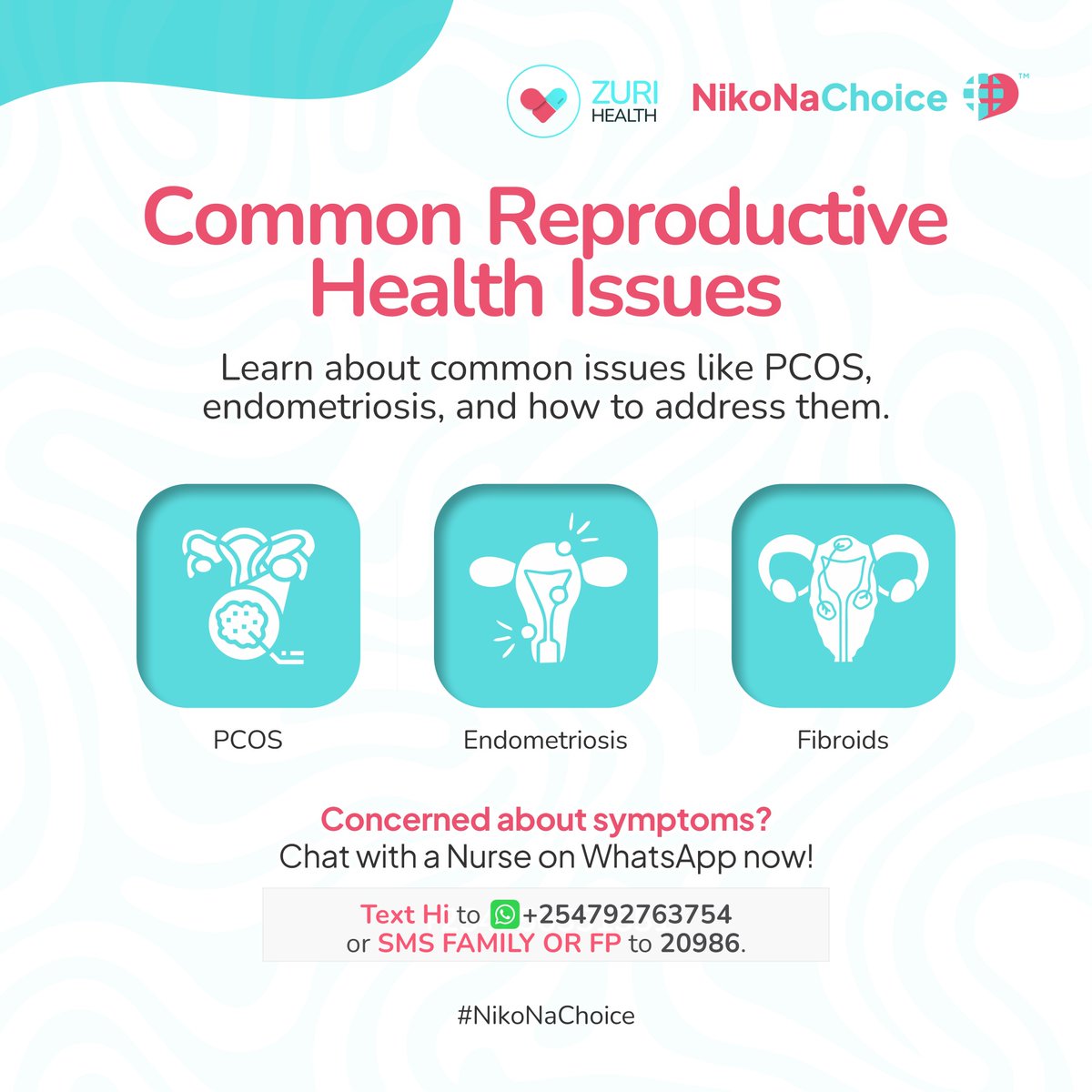
Polycystic Ovary Syndrome (PCOS) is a common reproductive issue. It affects many women of childbearing age. PCOS causes hormonal imbalance and irregular menstrual cycles. Symptoms may vary but often include:
- Irregular periods: Skipped or prolonged menstrual cycles.
- Excess androgen: Elevated levels of male hormones, resulting in physical signs like excess facial and body hair.
- Polycystic ovaries: Enlarged ovaries containing numerous small cysts.
PCOS can also lead to other health problems such as:
- Infertility
- Type 2 diabetes
- Heart disease
- Sleep apnea
Management of PCOS often involves lifestyle changes and medication. Here is a table summarizing common treatments:
| Type of Treatment | Description |
|---|---|
| Diet and Exercise | Healthy diet and regular exercise to manage weight. |
| Medication | Birth control pills to regulate menstrual cycles and reduce androgen levels. |
| Fertility Treatments | Medications to stimulate ovulation for women trying to conceive. |
Endometriosis
Endometriosis is another common reproductive issue. It occurs when tissue similar to the lining inside the uterus grows outside it. This can cause severe pain and other symptoms, such as:
- Pelvic pain: Often associated with menstrual periods.
- Pain during intercourse: Pain can occur during or after sex.
- Pain with bowel movements or urination: Especially during menstrual periods.
- Heavy menstrual bleeding: Occasionally, bleeding between periods.
Endometriosis can also cause:
- Infertility
- Fatigue
- Diarrhea
- Constipation
- Bloating
- Nausea
Managing endometriosis often involves a combination of treatments. Here are some common approaches:
- Pain Medication: Over-the-counter pain relievers such as ibuprofen.
- Hormone Therapy: Hormonal medications to reduce or eliminate menstruation.
- Surgical Options: Surgery to remove endometrial tissue.
Early diagnosis and treatment can help manage symptoms and improve quality of life.
Menopause Transition
Women’s reproductive wellness is a crucial aspect of overall health. One significant phase in a woman’s life is the menopause transition. This period marks the end of menstrual cycles and brings various physical and emotional changes. Understanding these changes can help women navigate this phase with confidence and ease.
Symptoms
During the menopause transition, women may experience a variety of symptoms. These can vary in intensity and duration, making each woman’s journey unique. Here are some common symptoms:
- Hot flashes: Sudden feelings of warmth that spread over the body.
- Night sweats: Intense sweating during sleep.
- Irregular periods: Menstrual cycles become unpredictable.
- Mood swings: Rapid changes in mood.
- Sleep problems: Difficulty falling or staying asleep.
- Vaginal dryness: A decrease in natural lubrication.
- Weight gain: Changes in body weight and fat distribution.
Understanding these symptoms can help women prepare and manage their experiences better. It’s essential to note that not all women will experience all symptoms, and some may have additional signs not listed here.
Management Strategies
Managing menopause symptoms effectively can improve quality of life. Here are several strategies women can use:
- Healthy diet: Eating a balanced diet rich in fruits, vegetables, and whole grains.
- Regular exercise: Engaging in physical activities like walking, yoga, and swimming.
- Hydration: Drinking plenty of water to stay hydrated.
- Sleep hygiene: Maintaining a regular sleep schedule and creating a restful environment.
- Stress reduction: Practicing mindfulness, meditation, and deep breathing exercises.
- Medical treatments: Consulting healthcare providers about hormone replacement therapy or other medications.
Women can also join support groups to share experiences and gain emotional support. Keeping a symptom diary can help track changes and identify patterns. Regular check-ups with healthcare providers ensure personalized care and early intervention if needed.
x.com
Holistic Approaches
Women’s reproductive wellness is a vital part of overall health. Holistic approaches offer natural and comprehensive methods to support this wellness. These approaches look at the whole person, considering physical, emotional, and spiritual aspects. They seek to balance the body and mind, promoting optimal reproductive health.
Mind-body Connection
The mind-body connection plays a significant role in women’s reproductive wellness. Stress, anxiety, and negative emotions can impact reproductive health. Understanding and nurturing this connection can lead to better outcomes.
Here are some ways to strengthen the mind-body connection:
- Meditation: Regular meditation can reduce stress and promote relaxation. It helps in balancing hormones and improving menstrual health.
- Yoga: Yoga combines physical postures with breathing exercises. It enhances blood flow to reproductive organs and reduces stress.
- Mindfulness: Practicing mindfulness can help in managing emotions and reducing anxiety. It supports overall reproductive wellness.
Scientific studies show that stress negatively affects fertility. By practicing mind-body techniques, women can improve their reproductive health. These practices are simple and can be done at home.
Here is a simple breathing exercise:
| Step | Description |
|---|---|
| 1 | Find a quiet place and sit comfortably. |
| 2 | Close your eyes and take a deep breath in through your nose. |
| 3 | Hold the breath for a few seconds. |
| 4 | Exhale slowly through your mouth. |
| 5 | Repeat for 5-10 minutes. |
Alternative Therapies
Alternative therapies offer natural ways to support reproductive wellness. These therapies focus on the whole body, promoting balance and harmony.
Some popular alternative therapies include:
- Acupuncture: This ancient Chinese practice involves inserting thin needles into specific points on the body. It can improve blood flow to the reproductive organs and balance hormones.
- Herbal Medicine: Herbs like vitex, red raspberry leaf, and maca root can support reproductive health. They help in regulating menstrual cycles and improving fertility.
- Chiropractic Care: Adjustments to the spine can improve nervous system function. This can enhance reproductive health by reducing stress and improving blood flow.
Research shows that these therapies can be effective. They offer a natural and holistic approach to reproductive wellness.
Here is a table of some herbs and their benefits:
| Herb | Benefit |
|---|---|
| Vitex | Balances hormones |
| Red Raspberry Leaf | Supports uterine health |
| Maca Root | Improves fertility |
Holistic approaches offer a comprehensive way to support women’s reproductive wellness. They focus on the whole person, promoting balance and health.
References/further Reading
Women’s reproductive wellness is a vital aspect of overall health. Understanding this topic can empower women to make informed decisions. In this section, we provide references and further reading materials. These resources will help deepen your knowledge and support your journey toward optimal reproductive health.
Citations:
To ensure the accuracy and reliability of our information, we have included citations from reputable sources. These citations are essential for validating the content and providing readers with additional resources for further exploration.
- World Health Organization (WHO): WHO provides comprehensive information on women’s reproductive health, including guidelines, research, and statistics.
- National Institutes of Health (NIH): NIH offers extensive resources on various aspects of reproductive health, from fertility to menopause.
- Centers for Disease Control and Prevention (CDC): CDC provides data and research on reproductive health trends and preventive measures.
- American College of Obstetricians and Gynecologists (ACOG): ACOG is a leading authority on women’s health, offering clinical guidance and research articles.
| Source | Topic | Link |
|---|---|---|
| WHO | Reproductive Health Guidelines | Visit Site |
| NIH | Fertility Research | Visit Site |
| CDC | Health Trends | Visit Site |
| ACOG | Clinical Guidance | Visit Site |
Further Reading:
For those interested in delving deeper, we recommend exploring the following materials. These resources provide a wealth of information on various aspects of women’s reproductive wellness.
- “Taking Charge of Your Fertility” by Toni Weschler: This book offers detailed insights into fertility awareness and natural birth control methods.
- “The Fifth Vital Sign” by Lisa Hendrickson-Jack: This book explores how menstrual cycles are a vital sign of women’s health and provides practical advice for managing reproductive health.
- PubMed: A free resource comprising millions of citations for biomedical literature. It is an excellent tool for finding research articles on women’s reproductive health.
- WebMD: Offers a variety of articles, videos, and tools to help understand reproductive health better.
| Resource | Description | Link |
|---|---|---|
| “Taking Charge of Your Fertility” | Book on fertility awareness | Visit Site |
| “The Fifth Vital Sign” | Book on menstrual health | Visit Site |
| PubMed | Biomedical literature database | Visit Site |
| WebMD | Health articles and tools | Visit Site |

Credit: hr.uw.edu
Frequently Asked Questions
How Can A Female Keep Her Reproductive System Healthy?
Maintain a balanced diet, exercise regularly, practice safe sex, avoid smoking, and schedule regular gynecological check-ups. Drink plenty of water and manage stress.
What Is 1 Way For Females To Maintain Their Reproductive Health?
Regular gynecological check-ups help maintain reproductive health by detecting issues early and providing professional advice.
What Is Included In Women’s Reproductive Health?
Women’s reproductive health includes menstrual cycle management, contraception, pregnancy care, STI prevention, and menopause support. It also covers screenings for cancers and infections.
What Is Poor Female Reproductive Health?
Poor female reproductive health includes issues like irregular periods, infertility, PCOS, endometriosis, STDs, and hormonal imbalances. These conditions can impact fertility, menstrual cycles, and overall health. Regular check-ups and a healthy lifestyle can help manage these issues.
Conclusion
Prioritizing women’s reproductive wellness is essential for overall health and happiness. Regular check-ups and a balanced lifestyle can make a significant difference. Empower yourself with knowledge and support for a healthier future. Remember, your well-being is worth every effort. Stay informed, stay healthy, and take control of your reproductive health today.