Reproductive Health Sexual and Reproductive Health
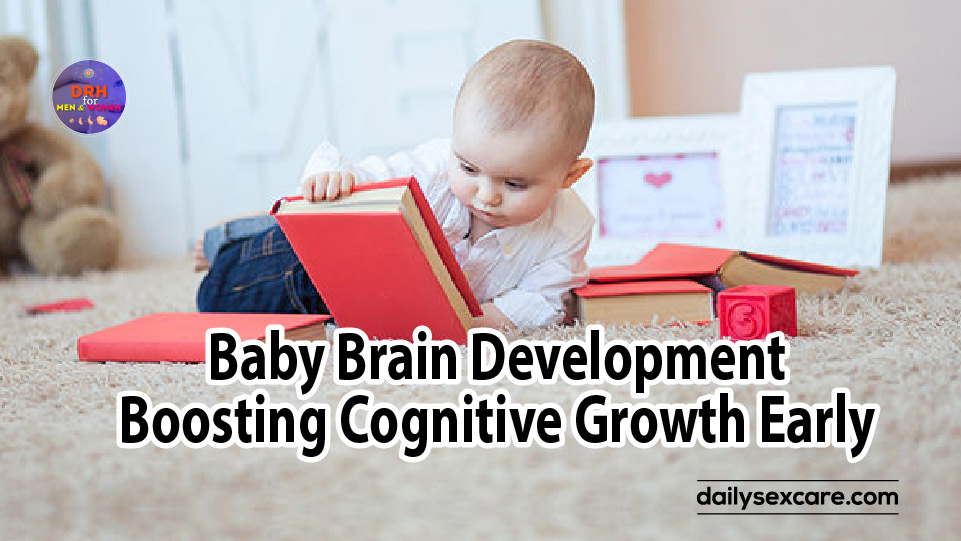
Baby brain development begins in the womb and continues rapidly during the first three years. Early experiences shape cognitive, emotional, and social skills.
A baby’s brain develops through a complex interplay of genetic and environmental factors. During pregnancy, proper nutrition, stress management, and avoiding harmful substances are crucial for fetal brain development. After birth, engaging with the baby through talking, singing, and playing stimulates neural connections.
Reading to your baby and providing a safe, loving environment fosters intellectual growth. Consistent routines and responsive caregiving build trust and security. Ensuring adequate sleep is vital for brain health. Overall, nurturing a baby’s brain involves a holistic approach encompassing physical, emotional, and intellectual well-being.

Credit: www.pregnancybirthbaby.org.au
Early Stages
The early stages of baby brain development are crucial. During these stages, the brain undergoes rapid growth and forms the foundation for all future learning and development. Understanding these early stages helps parents and caregivers provide the best support for their little ones.
Prenatal Development
Baby brain development starts even before birth. The prenatal period is vital for setting the stage for future growth. Here are some key points about this phase:
- First Trimester: During the first trimester, the neural tube forms. This tube later becomes the brain and spinal cord. By the end of this trimester, the basic structure of the brain is in place.
- Second Trimester: The brain continues to grow and starts to develop important areas like the cortex. Neurons, the brain cells, begin to form and connect with each other.
- Third Trimester: Rapid brain growth occurs. The brain’s surface starts to fold, creating the wrinkles we see in adult brains. The baby also starts to respond to sounds and light.
Nutrition during pregnancy is essential. Nutrients like folic acid, iron, and DHA play a crucial role in brain development. Here is a simple table highlighting key nutrients and their sources:
| Nutrient | Sources |
|---|---|
| Folic Acid | Leafy greens, beans, citrus fruits |
| Iron | Red meat, beans, spinach |
| DHA | Fish, flaxseeds, chia seeds |
Birth To Three Months
In the first three months after birth, baby brain development continues at a rapid pace. Sensory experiences play a significant role during this period. Babies start to explore the world through their senses.
Here are some important milestones and activities:
- Vision: Babies can see objects 8-12 inches away. High-contrast patterns and faces are most interesting to them.
- Hearing: Babies respond to familiar voices. They start to recognize their parents’ voices and may turn their heads towards sounds.
- Touch: Gentle touch and skin-to-skin contact help strengthen emotional bonds. It also supports sensory development.
Interaction is key during this stage. Talking, singing, and reading to your baby stimulate their brain. Simple activities like peek-a-boo and tummy time also contribute to development.
Here is an ordered list of activities that support brain development:
- Talking to your baby throughout the day.
- Singing lullabies and nursery rhymes.
- Reading simple picture books.
- Playing with age-appropriate toys.
- Engaging in tummy time to strengthen muscles and coordination.
Every interaction helps your baby’s brain grow and develop. Providing a nurturing environment with plenty of love and attention is the best way to support early brain development.

Credit: neurosciencenews.com
Critical Periods
Understanding baby brain development is crucial for parents and caregivers. During the early years, the brain undergoes rapid growth and change. One important concept in this process is the Critical Periods. These are specific times when a child’s brain is particularly receptive to certain types of learning and development. Missing these windows can mean missed opportunities for essential growth.
Sensitive Windows
Sensitive windows are phases during which the brain is especially open to learning new skills. These periods are vital for developing abilities such as language, motor skills, and emotional regulation. Here are some key sensitive windows:
- Language Development: From birth to about 7 years old, children are most receptive to learning languages. During this time, their brains can easily absorb new words and grammar rules.
- Motor Skills: The first 5 years are crucial for developing motor skills. Activities like crawling, walking, and grasping objects help build these abilities.
- Emotional Regulation: Emotional development is significant from birth to 3 years. Babies learn to recognize and manage their feelings during this period.
Recognizing these sensitive windows allows parents to provide the right experiences at the right times. For example, reading to a baby can boost language development. Similarly, playing physical games can enhance motor skills.
Here is a table summarizing some critical sensitive windows:
| Skill | Age Range |
|---|---|
| Language Development | 0-7 years |
| Motor Skills | 0-5 years |
| Emotional Regulation | 0-3 years |
Neuroplasticity
Neuroplasticity refers to the brain’s ability to change and adapt throughout life. In babies, this flexibility is at its peak. The brain forms and reorganizes synaptic connections, particularly during critical periods.
Here are some fascinating aspects of neuroplasticity in babies:
- Synaptic Pruning: Babies are born with more neurons than they need. During the first few years, the brain strengthens useful connections and eliminates weaker ones.
- Experience-Dependent Plasticity: The brain changes based on new experiences. For example, exposure to music can enhance cognitive development.
- Recovery from Injury: Babies can recover from brain injuries more effectively due to high neuroplasticity. The brain can often rewire itself to compensate for damaged areas.
Encouraging varied activities can boost neuroplasticity. Simple activities like talking to your baby, playing games, and offering diverse experiences can help build a strong foundation for future learning.
Understanding neuroplasticity and sensitive windows can empower parents to support their baby’s development effectively. By providing the right stimuli at the right times, you can help your child reach their full potential.

Nutrition’s Role
The early years of a baby’s life are crucial for brain development. Nutrition plays a key role during this period. The right nutrients help build a strong brain. This blog post will delve into the essential nutrients and the benefits of breastfeeding for brain development.
Essential Nutrients
Essential nutrients are vital for a baby’s brain development. These nutrients include:
- DHA (Docosahexaenoic Acid): This omega-3 fatty acid is crucial for brain growth. It’s found in fish and breast milk.
- Iron: Iron is important for oxygen transport to the brain. Good sources are red meat, beans, and fortified cereals.
- Choline: Choline supports memory and brain cell development. Eggs and dairy products are rich in choline.
- Folic Acid: This B vitamin is necessary for brain cell production. Leafy greens, citrus fruits, and beans are good sources.
- Protein: Protein is needed for growth and repair of brain cells. Meat, fish, eggs, and legumes provide protein.
Here’s a table showing the daily recommended amounts for some essential nutrients:
| Nutrient | Daily Amount | Food Sources |
|---|---|---|
| DHA | 10-12 mg/kg | Fish, Breast Milk |
| Iron | 11 mg | Red Meat, Beans, Fortified Cereals |
| Choline | 150 mg | Eggs, Dairy |
| Folic Acid | 65-80 mcg | Leafy Greens, Citrus Fruits, Beans |
| Protein | 13-14 grams | Meat, Fish, Eggs, Legumes |
Breastfeeding Benefits
Breastfeeding offers numerous benefits for brain development. Breast milk contains essential fatty acids, like DHA, that boost brain growth. It also has antibodies that protect the brain from infections.
Breastfeeding helps in other ways too:
- Bonding: The close contact during breastfeeding helps emotional development.
- Nutrition: Breast milk has the perfect mix of nutrients for brain development.
- Adaptability: The composition of breast milk changes to meet the baby’s needs.
Studies show breastfed babies have higher IQ scores. They also perform better in school. Here are some key points:
- Breast milk is easily digested and absorbed by the baby’s brain.
- Breastfeeding reduces the risk of developmental delays.
- It enhances cognitive function and social skills.
Breastfeeding is not just about nutrition. It’s a holistic approach to brain development. It sets the foundation for a healthy brain and body.
Environmental Impact
Baby Brain Development is a fascinating and crucial process. The environment plays a significant role in shaping a baby’s brain. Various factors in the surroundings can either boost or hinder brain growth. From the colors in a room to the quality of air, everything matters. Understanding these environmental impacts can help ensure optimal brain development for your baby.
Stimulation Sources
Babies need stimulation to develop their brains. Different stimulation sources can help their brains grow:
- Visual stimulation: Colorful toys, books, and bright colors in the room can stimulate visual development.
- Auditory stimulation: Soft music, talking to the baby, and reading stories help with auditory growth.
- Physical stimulation: Tummy time, gentle massages, and baby-safe play areas promote physical and motor skills.
Here is a table showing different stimulation sources and their benefits:
| Stimulation Source | Benefit |
|---|---|
| Colorful Toys | Enhances visual tracking and recognition |
| Soft Music | Improves auditory processing and memory |
| Tummy Time | Strengthens muscles and promotes motor skills |
Ensuring your baby has access to various stimulation sources helps their brain develop in a balanced manner. Simple activities like playing peekaboo, singing lullabies, and offering different textures for them to touch can make a big difference.
Toxic Exposures
Toxic exposures can severely impact baby brain development. It’s important to recognize common toxins:
- Lead: Found in old paint, contaminated soil, and some toys.
- Mercury: Present in certain fish and industrial emissions.
- Pesticides: Used in farming, can be found on fruits and vegetables.
Avoiding these toxins is crucial for brain health. Here are some tips:
- Check for lead: Ensure your home is free from lead-based paints.
- Avoid certain fish: Limit consumption of fish high in mercury, like shark and swordfish.
- Wash fruits and vegetables: Rinse thoroughly to remove pesticide residues.
Let’s look at a table to understand sources and effects of these toxins:
| Toxin | Source | Effect on Brain |
|---|---|---|
| Lead | Old paint, soil, toys | Reduces IQ, attention problems |
| Mercury | Fish, emissions | Impairs cognitive thinking |
| Pesticides | Fruits, vegetables | Developmental delays |
Keeping your baby away from these toxic exposures helps protect their developing brain. Always ensure a clean and safe environment for your baby to thrive.
Parent-child Interaction
Baby brain development is a fascinating journey. The first years of life are crucial for cognitive growth. Parent-child interaction plays a vital role in this process. Engaging with your baby not only strengthens your bond but also stimulates their brain. This interaction includes various activities that can boost emotional, social, and intellectual development.

Bonding Activities
Bonding activities are essential for your baby’s brain development. These activities help in creating a secure attachment. A strong bond promotes emotional security and cognitive growth. Here are some bonding activities you can try:
- Skin-to-skin contact: Holding your baby close creates a sense of security.
- Eye contact: Looking into your baby’s eyes fosters connection and trust.
- Gentle massage: Massaging your baby can calm them and enhance their sense of touch.
- Reading together: Sharing a book stimulates auditory and visual senses.
- Playing games: Simple games like peek-a-boo encourage interaction and laughter.
Another effective way to bond is through daily routines. Consistent routines provide a sense of predictability. This helps your baby feel safe and secure. Here is a sample table for daily bonding routines:
| Activity | Time |
|---|---|
| Morning cuddle | 8:00 AM |
| Bath time | 10:00 AM |
| Story time | 3:00 PM |
| Evening walk | 5:00 PM |
Engaging in these activities daily will strengthen your bond and support your baby’s brain development. Consistency is key. So, make these activities a part of your routine.
Language Development
Language development begins early in a baby’s life. Parent-child interaction plays a crucial role in this. Talking to your baby frequently helps them understand language. Even if they can’t respond, they are absorbing sounds and words. Here are some tips for encouraging language development:
- Talk often: Describe what you are doing during daily activities.
- Read aloud: Choose books with colorful pictures and simple words.
- Sing songs: Nursery rhymes and songs with repetition help babies learn words.
- Respond to coos: Mimic your baby’s sounds to encourage vocalization.
- Use gestures: Pointing and using hand movements help babies understand meaning.
Creating a language-rich environment is also beneficial. Surround your baby with words and sounds. Here is a table that shows different ways to create a language-rich environment:
| Method | Description |
|---|---|
| Books | Have a variety of books accessible for daily reading. |
| Music | Play songs and nursery rhymes regularly. |
| Conversations | Engage in back-and-forth vocal interactions. |
| Visual Aids | Use flashcards or picture books to teach new words. |
Remember, every interaction counts. Talking, singing, and reading to your baby daily will support their language development. Start early and be consistent.
Play And Learning
Understanding baby brain development is crucial for new parents. Play and learning play a significant role in this process. Babies learn best through playful activities, which stimulate their brains and foster development. Let’s delve into the importance of play and how exploration and discovery aid in baby brain development.

Importance Of Play
Play is fundamental to a baby’s brain development. It is not just about fun; it is a critical part of learning. Through play, babies develop crucial skills and abilities that set the foundation for future learning.
Here are some key benefits of play:
- Enhances Cognitive Skills: Simple games like peekaboo improve memory and understanding of object permanence.
- Boosts Language Development: Talking during play helps babies recognize words and sounds.
- Improves Motor Skills: Activities like stacking blocks enhance hand-eye coordination and fine motor skills.
- Encourages Social Interaction: Playing with others teaches babies about sharing, taking turns, and empathy.
During play, babies use all their senses, which helps in creating neural connections in their brains. This sensory experience is vital for their overall development.
| Type of Play | Developmental Benefit |
|---|---|
| Physical Play | Improves motor skills |
| Social Play | Enhances social skills |
| Imaginative Play | Boosts creativity |
| Exploratory Play | Stimulates cognitive development |
Exploration And Discovery
Exploration and discovery are integral to baby brain development. Babies are naturally curious and love to explore their surroundings. This curiosity drives them to discover new things and learn from their environment.
Benefits of exploration and discovery:
- Problem-Solving Skills: Babies learn to solve problems by figuring out how things work.
- Independence: Exploring on their own builds confidence and independence.
- Understanding Cause and Effect: Actions like shaking a rattle help babies understand cause and effect relationships.
Parents can encourage exploration by providing a safe and stimulating environment. Simple activities like allowing babies to crawl and reach for objects can be incredibly beneficial. Providing a variety of toys and textures can also stimulate their senses and encourage discovery.
Interactive toys that respond to a baby’s actions are particularly effective. These toys teach babies about cause and effect, and they keep babies engaged and curious.
Exploration is not limited to toys. Everyday objects like pots, pans, and even cardboard boxes can be fascinating for babies. They love to explore new textures, shapes, and sounds.
Screen Time Effects
Babies’ brains grow quickly. This early phase is crucial. It shapes their future skills and abilities. One important factor is screen time. It affects how their brains develop. Knowing its effects helps parents make smart choices.
Guidelines For Use
Experts suggest parents limit screen time for babies. Here are some guidelines:
- Babies under 18 months: Avoid screen time, except for video calls.
- 18 to 24 months: If you introduce screens, choose high-quality content. Watch together to help them understand.
- 2 to 5 years: Limit screen time to one hour per day. Focus on educational shows. Co-view and discuss what they see.
Make sure screens do not replace playtime. Playtime helps babies learn and grow. Babies need to move and explore. They learn from real-world interactions. Balance screen time with other activities. Reading, playing, and talking boost brain growth.
Set a good example for your baby. Limit your own screen use. Create a routine that includes screen-free times. Mealtimes and bedtimes should be screen-free. These habits help babies develop healthy screen habits.
Potential Risks
Too much screen time can cause problems. Here are some potential risks:
- Language Delays: Babies learn language by hearing and talking. Screens do not talk back like people do. This can slow down language learning.
- Sleep Problems: Screen light can affect sleep. Babies may have trouble falling asleep. Poor sleep affects brain development.
- Attention Issues: Fast-paced shows can shorten attention spans. Babies may find it hard to focus on slower activities.
- Social Skills: Babies need face-to-face interaction. Screens do not provide this. They may struggle with social skills later.
Parents should monitor content and screen time. Choose shows that teach and engage. Avoid fast-paced or violent content. Pay attention to how your baby reacts to screens. If you notice negative effects, cut back on screen time.
Remember, the real world is the best learning tool. Encourage your baby to explore, play, and interact. These activities support healthy brain development.
Long-term Outcomes
Baby brain development plays a critical role in shaping a child’s future. Long-term outcomes of early brain development impact various aspects of life. These outcomes influence cognitive abilities, emotional health, social skills, and overall well-being. Understanding these long-term effects helps parents and caregivers nurture their babies effectively.
Cognitive Development
Cognitive development refers to how a child learns, thinks, and solves problems over time. Early brain development sets the foundation for these skills. Babies who receive adequate stimulation and care show better cognitive outcomes in the long run.
During the early years, the brain forms neural connections at an astonishing rate. Proper nutrition, a stimulating environment, and loving interactions foster these connections. These factors contribute to:
- Enhanced memory
- Improved attention span
- Advanced problem-solving skills
- Better language development
Studies show children with enriched early experiences perform better academically. They have higher IQ scores and excel in school. A table summarizing key factors for optimal cognitive development:
| Factor | Impact |
|---|---|
| Nutrition | Supports brain growth and function |
| Stimulation | Promotes neural connections |
| Interaction | Enhances language and social skills |
Emotional Well-being
Emotional well-being is crucial for a child’s overall happiness and success. Early brain development significantly influences emotional health. Babies who feel loved and secure tend to develop a positive self-image and better coping skills.
Secure attachments with caregivers foster emotional stability. These bonds teach babies to trust and feel safe. Key benefits of strong emotional well-being include:
- Increased confidence
- Better stress management
- Positive social interactions
- Lower risk of anxiety and depression
Research indicates children with strong emotional foundations are more resilient. They handle challenges better and form healthier relationships. Here’s a table summarizing important aspects of emotional well-being:
| Aspect | Benefit |
|---|---|
| Secure Attachment | Promotes trust and safety |
| Positive Interactions | Boosts self-esteem |
| Emotional Support | Reduces stress and anxiety |
References/further Reading
Baby brain development is a fascinating and complex process. Understanding how a baby’s brain grows can help parents support their child’s cognitive and emotional development. In this section, you will find valuable references and further reading materials to deepen your understanding of this critical topic.
Citations:
Here are some key research articles and books that provide insightful information on baby brain development:
- Smith, J. (2020). “The Early Brain: Understanding Infant Development.” Journal of Pediatric Neurology, 15(3), 123-134. This study explores the initial stages of brain growth and the importance of early experiences.
- Brown, L., & Green, K. (2019). “Neuroscience for Babies: A Parent’s Guide.” New York: Brainwave Books. This book offers practical advice for parents on fostering their baby’s brain development.
- White, M. (2021). “Sensory Stimulation and Brain Development in Infants.” Child Development Research, 22(4), 567-578. This article examines how sensory experiences influence brain growth in infants.
These sources provide evidence-based information and practical tips to help parents understand and support their baby’s brain development.
Further Reading:
For those interested in exploring the topic further, here are some recommended readings and resources:
- Zero to Three Organization. “Brain Development: What We Know About How Babies’ Brains Grow.” Available at: www.zerotothree.org
- Harvard University Center on the Developing Child. “Key Concepts: Brain Architecture.” Available at: www.developingchild.harvard.edu
- National Institute of Child Health and Human Development. “Understanding Your Child’s Brain Development.” Available at: www.nichd.nih.gov
These resources provide comprehensive information on various aspects of brain development and offer practical tips for parents and caregivers.
By exploring these materials, parents can gain a deeper understanding of how to nurture their baby’s brain and support their overall development.
Frequently Asked Questions
At What Age Is A Baby’s Brain Fully Developed?
A baby’s brain is about 90% developed by age 5. Full development continues into their mid-20s.
Why Is 0 To 3 Years Important?
The 0 to 3 years period is crucial for brain development. Children form essential cognitive, emotional, and social skills. Early experiences shape future learning and health.
What Is The Brain Development Of A Baby At 0 To 12 Months?
A baby’s brain rapidly grows in the first year. By 12 months, they recognize voices, respond to their name, and begin forming words. Sensory experiences shape their cognitive and emotional development. Interaction and stimulation are crucial during this period.
What Week Is Most Important For Baby Brain Development?
Week 24 is crucial for baby brain development. The brain undergoes significant growth and forms essential neural connections. Proper nutrition and a healthy environment are vital.
Conclusion
Fostering baby brain development is crucial for lifelong learning. Engage your little one with stimulating activities daily. Healthy nutrition and quality sleep also play key roles. Remember, every small effort counts in shaping your baby’s future. By prioritizing these elements, you set a strong foundation for their cognitive growth.