Reproductive Health Sexual and Reproductive Health


Baby massage involves gently rubbing and stroking a baby’s body with hands. It promotes bonding and can soothe and relax the baby.
Baby massage is an age-old practice with numerous benefits for both baby and parent. This gentle technique helps improve a baby’s sleep patterns, supports healthy growth, and boosts circulation. Parents often find that massaging their baby strengthens their bond and enhances emotional connections.
The practice can also alleviate common issues like colic and gas. Using natural oils or lotions can make the experience enjoyable and soothing for the baby. Regular massage sessions can become a cherished part of your daily routine, fostering a sense of security and well-being for your little one.
Benefits Of Baby Massage
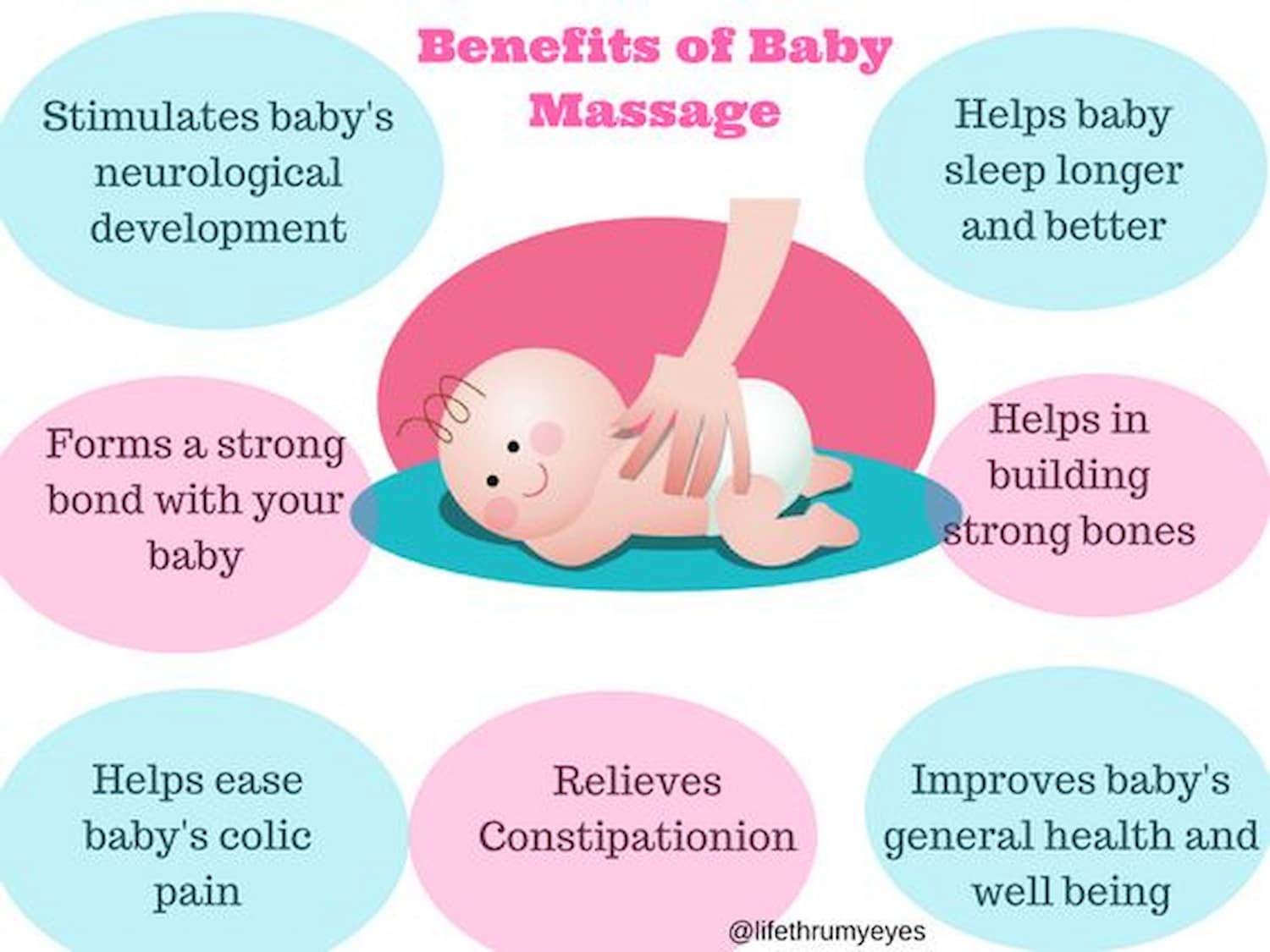
Baby massage offers a wealth of benefits for both parents and babies. This gentle practice involves using soft strokes on your baby’s skin, providing a soothing and nurturing experience. Baby massage promotes physical development and emotional bonding, making it an essential part of your baby care routine.
Physical Development
Baby massage significantly aids in a baby’s physical development. The gentle strokes help in stimulating the nervous system, which enhances overall growth. Regular massage can improve muscle tone and flexibility, laying a foundation for better motor skills.
- Improves Circulation: Gentle massage strokes enhance blood flow, ensuring oxygen and nutrients reach all parts of the body.
- Boosts Digestion: Massaging the tummy can help reduce colic, gas, and constipation.
- Enhances Sleep: Babies tend to sleep better after a soothing massage session.
Below is a table highlighting the physical benefits of baby massage:
| Benefit | Description |
|---|---|
| Better Circulation | Ensures efficient blood flow and oxygen delivery. |
| Improved Digestion | Reduces colic and improves bowel movements. |
| Enhanced Sleep | Promotes deeper and longer sleep periods. |
Emotional Bonding
Emotional bonding between a parent and baby is crucial. Baby massage fosters this connection through touch, enhancing the emotional well-being of both. Physical contact during massage releases oxytocin, the love hormone, in both the parent and the baby.
- Builds Trust: Regular massage sessions help build trust and security.
- Reduces Stress: The calm environment and gentle touch reduce cortisol levels.
- Creates Communication: Non-verbal communication is enhanced, helping parents understand their baby’s cues.
The emotional benefits of baby massage are immense. It creates a special time where parents and babies can connect on a deeper level, fostering love and trust.
Credit: www.naturaltherapypages.com.au
Techniques To Try
Baby massage is a wonderful way to bond with your little one. It can calm your baby, improve sleep, and even aid digestion. Here, we share some effective techniques to try, ensuring a soothing experience for both you and your baby.
Gentle Strokes
Gentle strokes are the foundation of baby massage. These strokes help to relax your baby and create a sense of security. Start by warming a small amount of baby oil or lotion in your hands. Then, use your fingertips to gently stroke your baby’s skin.
Follow these steps for gentle strokes:
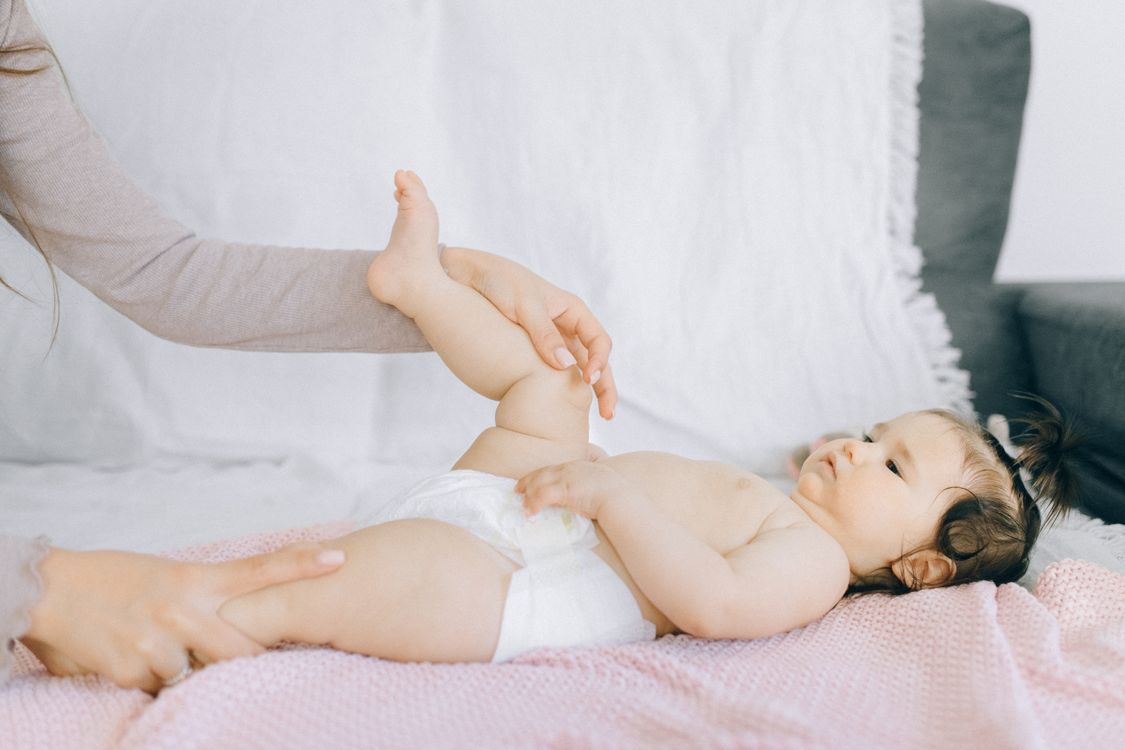
- Legs and Feet: Hold your baby’s leg with one hand. Use the other hand to stroke from the thigh down to the ankle. Repeat on both legs.
- Arms and Hands: Support your baby’s arm. Use gentle strokes from the shoulder down to the hand. Repeat on both arms.
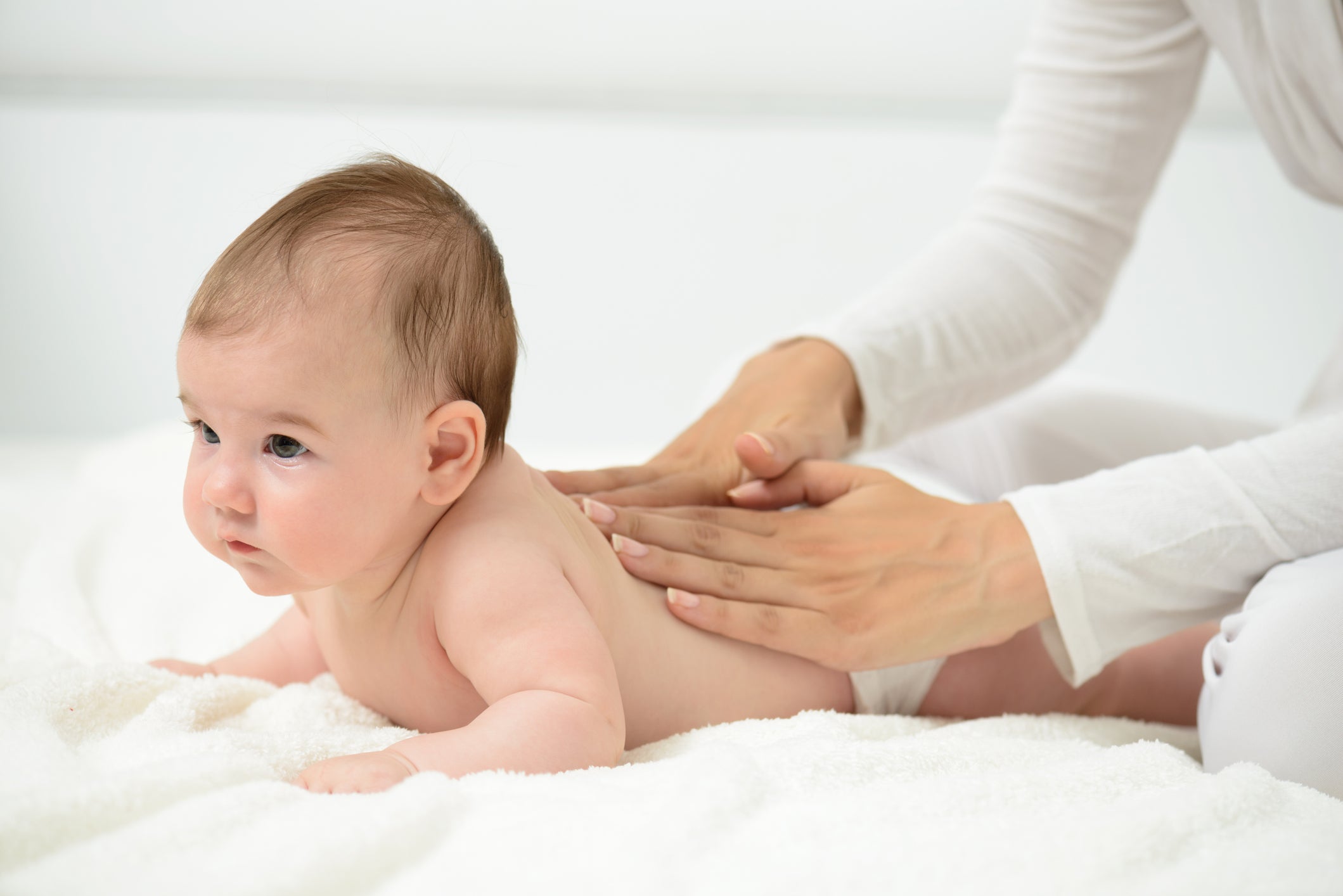
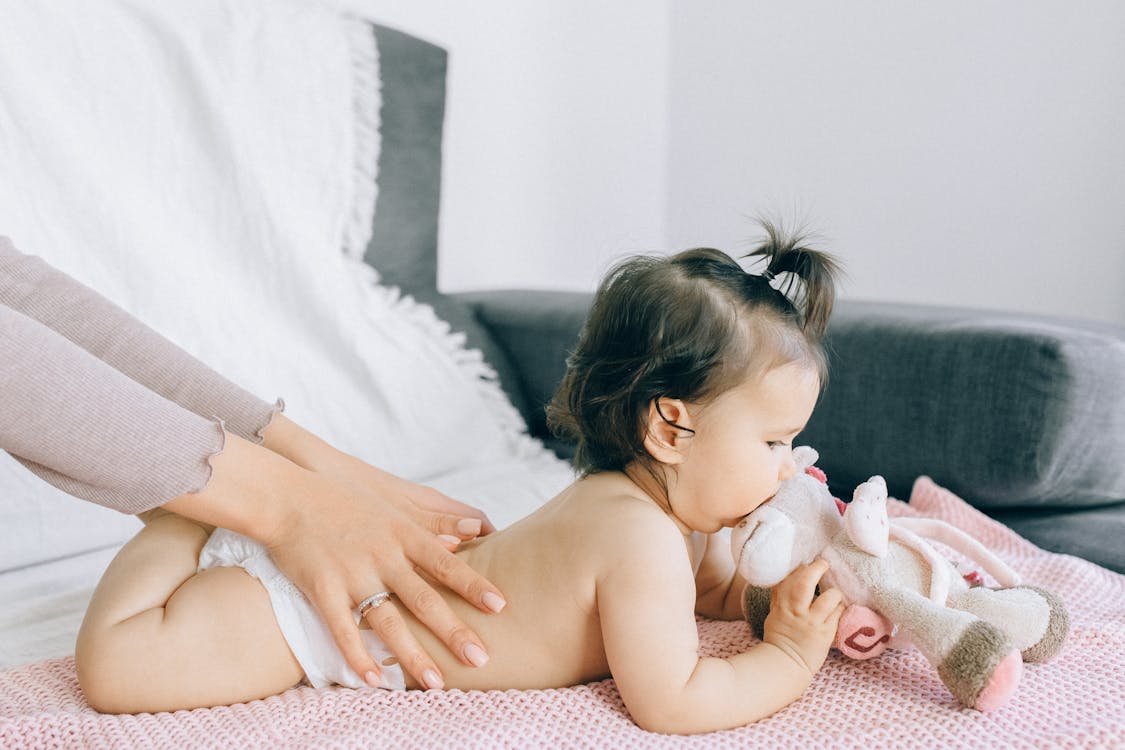
- Back: Place your baby on their tummy. Use your palms to make long, gentle strokes from the neck to the bottom.
Always maintain a light touch. Your baby’s skin is delicate. Pay attention to their reactions. If they seem uncomfortable, stop and try another technique.
Circular Motions
Circular motions can help soothe your baby’s tummy and relieve gas. These motions also promote good digestion. Use a gentle, circular motion with your fingertips or palms.
Here’s how to use circular motions:
- Tummy: Place your hand on your baby’s tummy. Move your hand in a clockwise direction. This motion can help ease colic and gas.
- Chest: With your fingertips, draw small circles on your baby’s chest. Start from the center and move outward.
- Back: Place your baby on their tummy. Use your fingertips to make small circles along the spine. This can be very soothing.
Watch for your baby’s cues. If they smile or coo, they’re enjoying it. If they cry or fidget, try a lighter touch or different area.
Consistency is key. Regular massage sessions can enhance your baby’s comfort and well-being.

Best Oils To Use
Baby massage is a beautiful way to bond with your little one. It helps soothe and relax them. Choosing the right oil is crucial for the best experience. The best oils are natural, gentle, and nourishing for your baby’s delicate skin.
Natural Oils
Natural oils are the best choice for baby massage. They are free from chemicals and additives. Here are some excellent natural oils:
- Coconut Oil: This oil is light and absorbs quickly. It is known for its antibacterial properties.
- Olive Oil: Olive oil is rich in vitamins and antioxidants. It helps keep the skin soft and moisturized.
- Almond Oil: Almond oil is gentle and perfect for sensitive skin. It is rich in vitamin E.
- Jojoba Oil: Jojoba oil mimics the skin’s natural oils. It is non-greasy and easily absorbed.
| Oil | Benefits |
|---|---|
| Coconut Oil | Light, antibacterial, quick absorption |
| Olive Oil | Rich in vitamins, antioxidants, moisturizes |
| Almond Oil | Gentle, suitable for sensitive skin, vitamin E |
| Jojoba Oil | Non-greasy, mimics natural oils, easily absorbed |
Allergy Considerations
Allergies can be a concern for babies. It is important to choose oils that are safe. Here are some tips to ensure the oil you use is suitable:
- Patch Test: Apply a small amount of oil to your baby’s skin. Wait for 24 hours to check for any reactions.
- Avoid Nut Oils: Some babies are allergic to nuts. Avoid oils like peanut or walnut oil.
- Check Labels: Ensure the oil is 100% pure and free from additives.
- Consult Your Pediatrician: Always check with your doctor before using a new oil.
If your baby has sensitive skin, choose hypoallergenic oils. Oils like coconut and jojoba are usually safe. Avoid oils with strong fragrances. They can irritate your baby’s skin.
Choosing the right oil ensures a safe and enjoyable massage experience for both you and your baby.
Credit: myexpertmidwife.com
Creating A Calm Environment
Baby massage is a wonderful way to bond with your little one while promoting their physical and emotional well-being. Creating a calm environment is crucial for a successful and enjoyable baby massage session. This serene setting helps both the baby and the parent relax, making the experience more pleasant and effective.
Lighting And Sound
Lighting and sound play a significant role in setting the mood for a baby massage. Soft, dim lighting creates a soothing atmosphere that helps your baby feel safe and relaxed. You can use a nightlight or a lamp with a dimmer switch to achieve the perfect level of light.
- Use natural light if possible, but ensure it’s not too bright.
- Avoid harsh fluorescent lights as they can be unsettling for babies.
Sound is equally important. Gentle, calming music or nature sounds can help create a peaceful environment. You can play lullabies, white noise, or soft instrumental music. Ensure the volume is low and consistent to avoid startling your baby.
- Consider using a white noise machine to block out sudden noises.
- Softly hum or sing to your baby during the massage.
By focusing on the right lighting and sound, you can create a tranquil space that enhances the baby massage experience.
Comfortable Space
A comfortable space is essential for both you and your baby during the massage. Choose a spot that is warm, quiet, and free from distractions. A cozy corner in your living room or a dedicated area in your baby’s nursery can work well.
Ensure the room is at a comfortable temperature. Babies can get cold quickly, so keep the room warm enough to prevent any discomfort.
Use a soft blanket or a padded mat on the floor to provide a cushioned surface for your baby. This helps them feel secure and comfortable while lying down. You can also place a pillow under your legs to support your back and make yourself more comfortable.
Keep all the necessary items within reach. This includes baby oil, a small towel, and a change of clothes. Having everything close by ensures you won’t need to interrupt the massage to fetch something.
| Item | Purpose |
|---|---|
| Soft Blanket | Provides a cushioned surface |
| Baby Oil | Makes massaging easier |
| Small Towel | For cleaning up any spills |
| Change of Clothes | For post-massage comfort |
By ensuring the space is comfortable, you can make the baby massage session more enjoyable and relaxing for both you and your little one.
Timing For Massage
Baby massage can be a beautiful bonding experience for both parents and infants. The right timing for massage can enhance its benefits. Knowing when to massage your baby ensures they are calm, happy, and ready to enjoy the soothing touch.
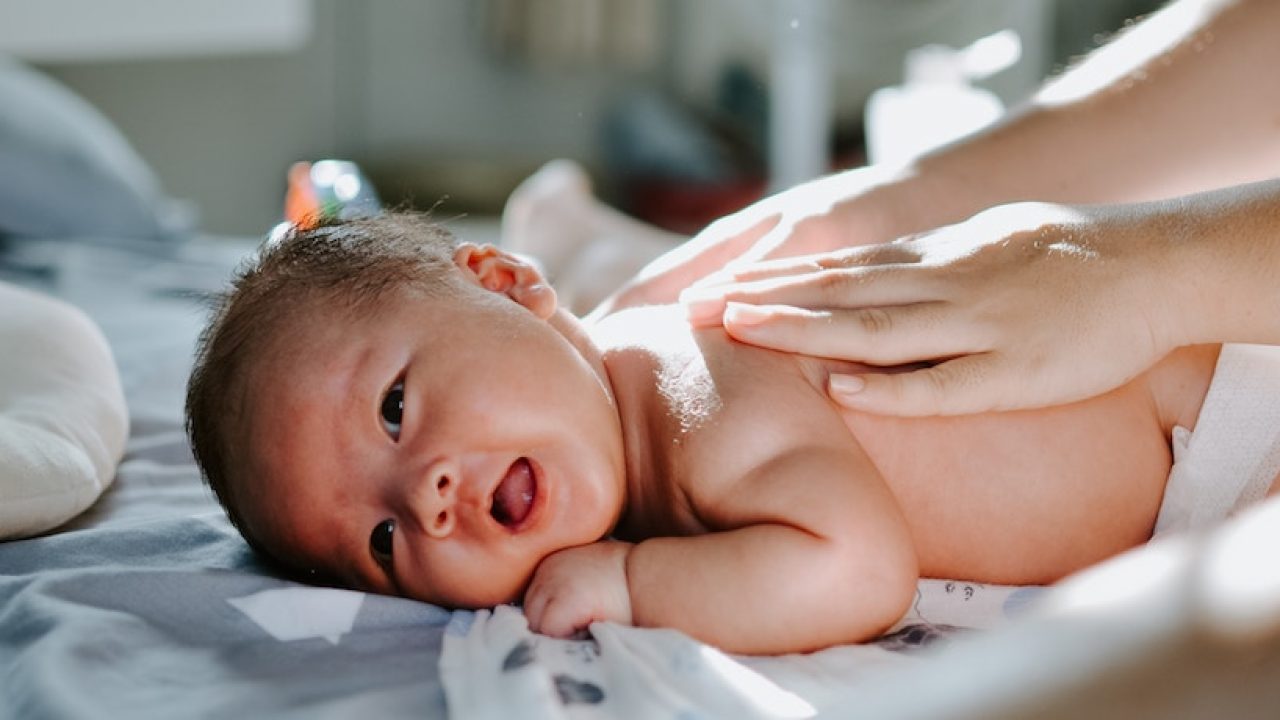
After Bath Time
Massaging your baby right after bath time can be ideal. The warm water helps relax their muscles, making them more receptive to the massage. Here are some reasons why post-bath massage is beneficial:
- Relaxed Muscles: The warm bath water soothes their muscles.
- Clean Skin: A clean baby is free from dirt and sweat.
- Hydration: The skin is soft and ready for moisturizing oils.
To make it more effective, ensure the room is warm and free from drafts. Use gentle, baby-friendly oils. Lay your baby on a soft, comfortable surface. Start with gentle strokes and gradually increase pressure as your baby gets used to it. Sing or talk softly to keep them engaged.
Remember to avoid massaging right after feeding. Wait at least 30 minutes. This helps prevent any discomfort or spit-up issues.
Before Sleep
Massaging your baby before sleep can help them relax and sleep better. A gentle massage can signal bedtime and establish a routine. Here’s why pre-sleep massage is effective:
- Calm Mind: A massage helps calm their mind and body.
- Better Sleep: It can improve sleep quality and duration.
- Routine: Establishes a bedtime routine, making sleep predictable.
To implement this, keep the lights dim and the environment quiet. Use calming oils like lavender. Focus on slow, rhythmic strokes. Pay attention to their cues; if they seem fussy, stop and try again later. This routine can help signal to their body that it’s time to sleep.
Consistency is key. By incorporating massage into the bedtime routine, your baby will start associating it with sleep, making bedtime smoother and more enjoyable for both of you.
Credit: www.zeel.com
Signs Your Baby Enjoys It
Baby massage can be a wonderful bonding experience. It’s a special time to connect with your little one. But how do you know your baby enjoys it? Look for these telltale signs.
Smiling And Coos
A big sign your baby loves the massage is smiling. Babies often smile when they feel happy and content. If your baby smiles during the massage, it’s a positive sign.
Another sign is cooing. Cooing is a soft, happy sound babies make. If your baby coos, it means they are enjoying the experience. Listen for these sweet sounds as you massage them.
Here are some common signs to look for:
- Smiling: A big grin shows your baby is happy.
- Cooing: Soft, gentle sounds indicate contentment.
- Giggling: If your baby giggles, they are having fun.
Babies have different ways of showing enjoyment. Some may laugh, others may coo. Pay attention to your baby’s unique signals. These joyful responses make the massage experience rewarding for both of you.
Relaxed Body Language
Relaxed body language is another key sign. When babies feel relaxed, their bodies show it. Look for these signs:
- Loose Limbs: Arms and legs are loose and not stiff.
- Calm Breathing: Breathing is slow and steady.
- Soft Hands: Hands are open, not clenched.
Relaxed body language means your baby feels comfortable. A calm baby is a happy baby. During the massage, watch for these signs. They indicate your baby enjoys the soothing touch.
Here’s a table summarizing relaxed body language signs:
| Relaxed Sign | Description |
|---|---|
| Loose Limbs | Arms and legs are loose, not stiff. |
| Calm Breathing | Breathing is slow and steady. |
| Soft Hands | Hands are open, not clenched. |
Keep an eye out for these signs. They help you understand your baby’s feelings. Enjoy the special moments of baby massage together.
Safety Tips
Baby massage can be a beautiful bonding experience for both parent and baby. It promotes relaxation, improves sleep, and can even help with digestion. However, ensuring your baby’s safety during massage is crucial. Here are some essential safety tips to keep in mind.
Avoiding Sensitive Areas
Babies have delicate skin and some areas are more sensitive than others. To keep your baby safe during a massage, avoid pressing too hard on soft spots like the top of the head, which is still developing.
Here are some areas to avoid:
- Fontanelle: The soft spot on the top of the head.
- Spine: Avoid pressing directly on the spine.
- Joints: Be gentle around the elbows and knees.
- Belly Button: Skip the belly button area, especially if the umbilical cord hasn’t fully healed.
Instead, focus on areas that can handle gentle pressure, like the arms, legs, and back. Use light, circular motions to ensure your baby is comfortable.
| Area | Action |
|---|---|
| Fontanelle | Avoid completely |
| Spine | Massage around it |
| Joints | Use extra caution |
| Belly Button | Skip |
Monitoring Baby’s Mood
Your baby’s mood can change quickly during a massage. It’s important to watch for signs that your baby is enjoying the massage or feeling uncomfortable. Look for cues like smiling, cooing, and relaxed body language as positive signs.
Signs your baby might be uncomfortable:
- Crying or fussing
- Arching their back
- Pulling away
If you notice any of these signs, stop the massage and try again later. Always make sure your baby is calm and happy before starting a massage session.
Here are some tips to help maintain a positive mood:
- Choose a quiet, comfortable space.
- Use gentle, soothing music if your baby likes it.
- Keep sessions short to avoid overstimulation.
- Talk or sing softly to your baby during the massage.
Remember, the goal is to make the massage a relaxing and enjoyable experience for both you and your baby. Paying attention to their mood will help ensure a positive experience.
Cultural Practices
Baby massage is a cherished practice around the world. Many cultures have unique ways of nurturing their babies. These cultural practices are handed down through generations. They offer benefits like bonding, relaxation, and improved health. Let’s explore these practices further.
Traditional Techniques
Each culture has its own traditional techniques for baby massage. These methods have been used for centuries. They are based on the wisdom of ancestors.
In India, baby massage is a daily ritual. Mothers use warm oil and gentle strokes. This helps in muscle development and blood circulation. Common oils include coconut, mustard, and sesame.
In China, baby massage is integrated with traditional medicine. Techniques like acupressure are used. These techniques focus on energy flow and balance.
In Africa, baby massage is often combined with singing. Mothers sing lullabies while massaging their babies. This creates a soothing and bonding experience.
Here is a table summarizing some traditional techniques:
| Country | Technique | Benefits |
|---|---|---|
| India | Warm oil massage | Muscle development, blood circulation |
| China | Acupressure | Energy balance, relaxation |
| Africa | Massage with lullabies | Bonding, soothing |
Global Variations
Baby massage practices vary globally. Each region adds its unique touch.
In Scandinavia, baby massage includes gentle movements. These movements mimic the baby’s natural reflexes. Parents often use unscented oils to avoid allergies.
In Japan, parents use a technique called “Anma.” This involves gentle stroking and pressing. The focus is on stimulating the baby’s skin and muscles.
In Latin America, baby massage is often done in water. Parents use warm water to massage their babies. This helps in relaxation and muscle flexibility.
Here are some global variations:
- Scandinavia: Gentle movements with unscented oils.
- Japan: Anma technique with stroking and pressing.
- Latin America: Water massage for relaxation.
These variations highlight the diversity in baby massage practices. They show how cultures adapt to their environment and traditions.
References/further Reading
Baby massage is a wonderful practice that offers numerous benefits for both babies and parents. It strengthens the bond between the caregiver and the baby, promotes relaxation, and can even improve sleep patterns. In this section, we provide a list of references and further reading materials for those who wish to delve deeper into the topic of baby massage.
Citations:
The following sources were used to compile the information in this blog post. These references include scientific studies, expert opinions, and well-researched articles on the benefits and techniques of baby massage.
- Field, T. (2014). Touch therapy research: A review. Developmental Review, 34(3), 224-238.
- Underdown, A., Barlow, J., Chung, V., & Stewart-Brown, S. (2006). Massage intervention for promoting mental and physical health in infants aged under six months. Cochrane Database of Systematic Reviews, (4).
- Ferber, S. G., & Makhoul, I. R. (2004). The effect of skin-to-skin contact (Kangaroo Care) shortly after birth on the neurobehavioral responses of the term newborn: A randomized, controlled trial. Pediatrics, 113(4), 858-865.
Further Reading:
For those interested in learning more about baby massage, the following books and articles provide valuable insights and practical advice. These resources cover a wide range of topics, including step-by-step techniques, the science behind baby massage, and tips for integrating it into your daily routine.
- The Baby Massage Book: Shared Growth Through the Hands by Peter Walker
- Infant Massage: A Handbook for Loving Parents by Vimala McClure
- Touching: The Human Significance of the Skin by Ashley Montagu
- Massage for Babies by Wendy Kavanagh
These resources provide comprehensive guidance on various baby massage techniques, offer scientific explanations on the benefits, and share real-life experiences from other parents.
Frequently Asked Questions
What Are The Benefits Of Baby Massage?
Baby massage helps with bonding, relaxation, and sleep. It can also aid digestion and improve circulation. It promotes overall well-being.
How Often Should I Massage My Baby?
You can massage your baby daily or a few times a week. Consistency is key for best results.
What Oils Are Best For Baby Massage?
Use natural, edible oils like coconut or olive oil. These are gentle and safe for baby skin.
When Should I Avoid Baby Massage?
Avoid massage if your baby is ill, has a rash, or just had vaccinations. Always check with your pediatrician.
Conclusion
Baby massage offers numerous benefits for both babies and parents. It strengthens bonds, improves sleep, and promotes overall well-being. By incorporating massage into your routine, you can help your baby thrive and grow. Start today and experience the positive impact on your child’s development and happiness.