Reproductive Health Sexual and Reproductive Health


Premature ejaculation can be treated with behavioral techniques, medications, and counseling. Effective treatments vary based on individual needs.
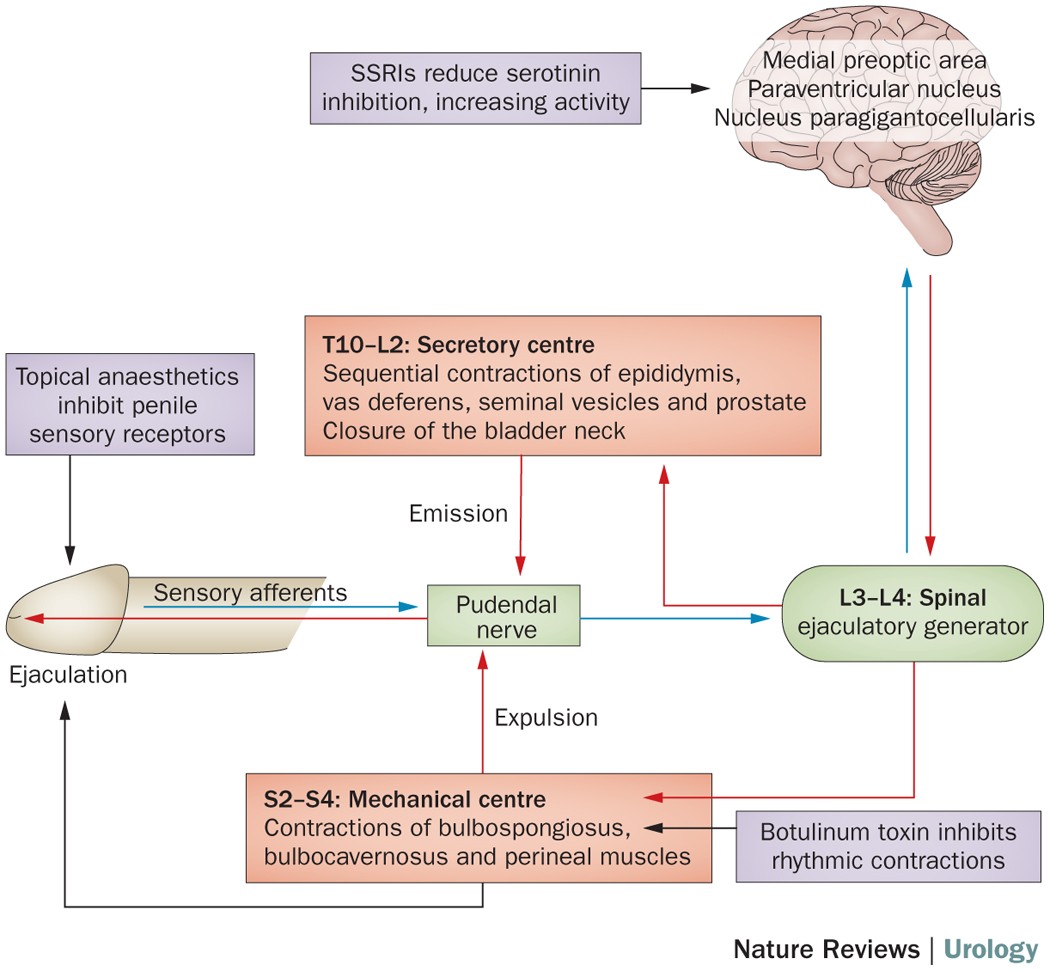
Premature ejaculation is a common sexual concern affecting many men. It can lead to stress, anxiety, and relationship issues. Understanding the causes is crucial for effective treatment. Behavioral techniques like the start-stop method and pelvic floor exercises can help. Medications such as selective serotonin reuptake inhibitors (SSRIs) and topical anesthetics can delay ejaculation.
Counseling or therapy addresses psychological factors. Combining these approaches often yields the best results. Personalized treatment plans improve sexual health and overall well-being. Always consult a healthcare provider for proper diagnosis and treatment.
Causes Of Premature Ejaculation
Premature ejaculation is a common issue affecting many men. Understanding the causes can help in finding the right treatment. The causes of premature ejaculation are varied and can be broadly categorized into psychological and physical factors.
Psychological Factors
Psychological factors play a significant role in premature ejaculation. Stress and anxiety are major contributors. These mental states can make it difficult for a man to control his ejaculation. Relationship issues can also contribute to premature ejaculation. Problems with a partner may increase tension and reduce sexual performance.
Performance anxiety is another common psychological factor. Worrying about sexual performance can lead to a cycle of anxiety and premature ejaculation. Depression can also impact sexual function. A man experiencing depression may find it hard to enjoy sex and control ejaculation.
Unresolved trauma from past experiences can also contribute. This may include negative sexual experiences or abuse. Low self-esteem can make a man feel inadequate, leading to premature ejaculation.
Here is a table summarizing the key psychological factors:
| Factor | Description |
|---|---|
| Stress | Makes it difficult to control ejaculation |
| Anxiety | Increases tension and reduces performance |
| Relationship Issues | Problems with a partner that increase tension |
| Performance Anxiety | Worrying about sexual performance |
| Depression | Impacts sexual function and enjoyment |
| Unresolved Trauma | Negative past experiences affecting sexual health |
| Low Self-Esteem | Feelings of inadequacy leading to issues |

Credit: www.pathkindlabs.com
Physical Factors
Physical factors also contribute to premature ejaculation. Hormonal imbalances can affect sexual function. Hormones play a crucial role in regulating sexual health. Thyroid problems can also impact ejaculation control. Both hyperthyroidism and hypothyroidism may be involved.
Neurological disorders can affect the nerves involved in ejaculation. Conditions like multiple sclerosis or diabetes can be factors. Prostate health is another important aspect. Prostatitis or an enlarged prostate can cause premature ejaculation.
Medication side effects can also be a cause. Some medications, especially those affecting the brain and nerves, can impact sexual function. Substance abuse is another factor. Alcohol, drugs, and smoking can all contribute to premature ejaculation.
Here is a table summarizing the key physical factors:
| Factor | Description |
|---|---|
| Hormonal Imbalances | Affect regulation of sexual health |
| Thyroid Problems | Hyperthyroidism or hypothyroidism involvement |
| Neurological Disorders | Conditions affecting nerves involved in ejaculation |
| Prostate Health | Prostatitis or enlarged prostate issues |
| Medication Side Effects | Medications affecting brain and nerves |
| Substance Abuse | Alcohol, drugs, and smoking effects |
Common Symptoms
Premature ejaculation treatment is essential for many men who experience distressing symptoms. Recognizing the common symptoms can help in seeking timely help. Understanding these signs is the first step towards effective treatment and improved sexual health.
Timing Issues
One of the most noticeable symptoms of premature ejaculation is timing issues. This typically involves ejaculating sooner during sexual activity than you or your partner would like. Here are some key points:
- Inability to delay ejaculation: Ejaculating before or shortly after penetration.
- Short sexual duration: Commonly less than one to two minutes.
- Persistent occurrence: Experiencing this issue frequently, not just occasionally.
For some, this can happen even during masturbation or with minimal sexual stimulation. Tracking the duration and frequency can help identify the problem more accurately. Below is a table summarizing typical timing issues:
| Symptom | Description |
|---|---|
| Early Ejaculation | Less than one to two minutes after penetration. |
| Frequent Occurrence | Happens in most sexual encounters. |
| Inability to Control | Difficulty delaying ejaculation. |
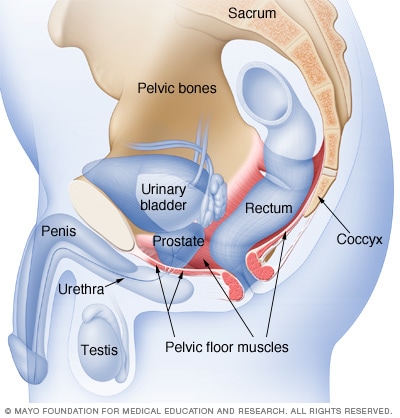
Credit: www.mayoclinic.org
Emotional Impact
The emotional impact of premature ejaculation can be significant. Men often feel frustration, embarrassment, and anxiety. These feelings can strain relationships and lower self-esteem. Common emotional symptoms include:
- Low self-confidence: Feeling inadequate or ashamed.
- Relationship stress: Tension and dissatisfaction with a partner.
- Performance anxiety: Worrying about future sexual encounters.
Such emotional turmoil can create a vicious cycle, exacerbating the physical symptoms. Addressing these emotional issues is crucial for effective treatment. Below is a brief overview:
| Emotional Impact | Description |
|---|---|
| Low Self-Confidence | Feeling inadequate about sexual performance. |
| Relationship Stress | Tension with a partner due to dissatisfaction. |
| Performance Anxiety | Fear and worry about future sexual activity. |
Understanding and addressing these emotional impacts can greatly improve overall treatment outcomes.
Lifestyle Changes
Premature ejaculation can be a challenging issue, but making certain lifestyle changes can help manage it. Adopting healthier habits can improve your physical and mental well-being, which can positively affect your sexual health. Here are some lifestyle changes that can make a difference.
Dietary Adjustments
What you eat impacts your overall health and can play a role in premature ejaculation. A balanced diet can improve your stamina and reduce stress, both of which are crucial for better sexual health. Here are some dietary adjustments that may help:
- Increase intake of zinc and magnesium: These minerals are vital for healthy testosterone levels. Foods rich in zinc include oysters, beef, and pumpkin seeds. For magnesium, consider spinach, almonds, and dark chocolate.
- Consume more omega-3 fatty acids: These fats improve blood flow and reduce inflammation. Add fatty fish like salmon, flaxseeds, and walnuts to your diet.
- Limit alcohol and caffeine: Excessive consumption can increase anxiety and affect sexual performance. Try to moderate your intake for better results.
Here’s a simple table to help you remember these dietary adjustments:
| Foods to Include | Foods to Limit |
|---|---|
| Oysters, Beef, Pumpkin Seeds, Salmon, Flaxseeds | Alcohol, Caffeine |
| Spinach, Almonds, Dark Chocolate, Walnuts | Sugary Snacks, Processed Foods |
Exercise Routines
Regular exercise can significantly improve your sexual stamina and reduce anxiety, which can help with premature ejaculation. Here are some exercises that can be beneficial:
- Cardiovascular exercises: Activities like running, swimming, and cycling improve blood flow and overall fitness. Aim for at least 30 minutes of cardio, five times a week.
- Strength training: Building muscle can boost testosterone levels. Include weight lifting or resistance band exercises in your routine.
- Pelvic floor exercises: These exercises, also known as Kegels, strengthen the muscles involved in ejaculation. Contract your pelvic muscles for 5 seconds, then relax. Repeat this 10-15 times daily.
Here’s a suggested weekly exercise routine:
| Day | Activity |
|---|---|
| Monday | 30 minutes running, 15 minutes Kegels |
| Tuesday | Weight lifting, 15 minutes swimming |
| Wednesday | 30 minutes cycling, 15 minutes Kegels |
| Thursday | Rest day |
| Friday | 30 minutes swimming, 15 minutes Kegels |
| Saturday | Weight lifting, 30 minutes running |
| Sunday | 30 minutes cycling, 15 minutes Kegels |

Behavioral Techniques
Premature ejaculation can be a challenging condition for many men. One effective way to manage this issue is through behavioral techniques. These methods help men gain better control over their ejaculation. They involve simple exercises and practices that can be done alone or with a partner. Here, we will explore two popular techniques: the Start-Stop Method and the Squeeze Technique.
Start-stop Method
The Start-Stop Method is a widely used technique to manage premature ejaculation. This method involves stopping sexual stimulation right before reaching the point of no return. By doing this, men can learn to delay ejaculation and gain better control.
Here’s how you can practice the Start-Stop Method:
- Begin sexual activity as usual, either alone or with a partner.
- When you feel close to ejaculating, stop all stimulation.
- Take a few deep breaths and wait for the urge to pass.
- Once you feel m
Medical Treatments
Premature ejaculation can be frustrating and impact relationships. Medical treatments offer effective solutions to manage this condition. Medical treatments include topical anesthetics and prescription medications. These options provide relief and help improve control during intimate moments.
Topical Anesthetics
Topical anesthetics are creams or sprays applied to the penis. They help reduce sensitivity and delay ejaculation. Here are some common options:
- Lidocaine
- Prilocaine
These anesthetics work by numbing the skin. This makes the sensations less intense, helping you last longer. Application is simple:
- Apply the cream or spray to the penis.
- Wait for it to take effect (usually 10-15 minutes).
- Wipe off any excess before intercourse.
One benefit of topical anesthetics is their minimal side effects. Some men might experience mild irritation. Here’s a comparison of popular options:
| Product | Active Ingredient | Effect Duration |
|---|---|---|
| Lidocaine Cream | Lidocaine | 30-60 minutes |
| Prilocaine Spray | Prilocaine | 30-60 minutes |
Topical anesthetics are an easy and effective way to manage premature ejaculation. They provide quick relief and are available without a prescription.
Prescription Medications
Prescription medications offer another solution for premature ejaculation. Selective serotonin reuptake inhibitors (SSRIs) are commonly prescribed:
- Paroxetine
- Sertraline
- Fluoxetine
These medications are usually used to treat depression. They have a side effect of delaying ejaculation. Doctors prescribe lower doses for premature ejaculation. Benefits include:
- Longer-lasting effects
- Improved control over ejaculation
Another option is Tramadol. This medication is typically used for pain relief. It also helps delay ejaculation. Usage instructions for prescription medications:
- Take the medication as directed by your doctor.
- Follow the prescribed dosage carefully.
- Monitor any side effects and inform your doctor.
Common side effects of SSRIs include nausea, dizziness, and fatigue. Tramadol can cause drowsiness and constipation. Consult your doctor to find the best option for you. Prescription medications are a reliable and effective way to treat premature ejaculation.
www.nature.com
Therapy Options
Premature ejaculation can be a challenging experience for many men, affecting both their self-esteem and relationships. Thankfully, various therapy options are available to help manage and treat this condition. Two effective methods are Cognitive Behavioral Therapy and Sex Therapy. These therapies focus on addressing the psychological and physical aspects of premature ejaculation.
Cognitive Behavioral Therapy
Cognitive Behavioral Therapy (CBT) is a powerful tool in treating premature ejaculation. CBT works by changing negative thought patterns and behaviors. It helps individuals understand and manage their anxiety and stress, which often contribute to premature ejaculation.
Here are some key aspects of CBT for premature ejaculation:
- Identifying Triggers: Therapists help individuals pinpoint the thoughts and situations that trigger premature ejaculation.
- Replacing Negative Thoughts: Patients learn to replace negative thoughts with positive and realistic ones.
- Behavioral Techniques: Patients practice techniques such as stop-start and squeeze methods to delay ejaculation.
CBT sessions often include:
| Session Activity | Description |
|---|---|
| Thought Monitoring | Keeping a diary of thoughts and feelings during sexual activity. |
| Relaxation Techniques | Practicing deep breathing and mindfulness to reduce anxiety. |
| Homework Assignments | Applying learned techniques at home to reinforce new behaviors. |
CBT is often short-term, typically involving 8-12 sessions. It is a highly effective method for many individuals.
Sex Therapy
Sex Therapy addresses both the emotional and physical aspects of premature ejaculation. This therapy involves both the individual and their partner, making it a holistic approach to treatment.
Key elements of Sex Therapy include:
- Communication: Improving communication between partners about their sexual needs and concerns.
- Physical Techniques: Teaching methods such as the squeeze technique and the stop-start method.
- Emotional Support: Providing support to both partners, helping them understand and manage the emotional impact of premature ejaculation.
Sex therapy sessions often cover:
| Session Focus | Description |
|---|---|
| Couple’s Communication | Guiding couples to discuss their sexual issues openly. |
| Physical Exercises | Practicing exercises to control ejaculation. |
| Emotional Counseling | Providing a safe space for partners to express their feelings. |
Sex Therapy typically involves weekly sessions and can last several months. It aims to improve intimacy and sexual satisfaction for both partners.
Alternative Remedies
Premature ejaculation (PE) is a common issue affecting men worldwide. Many seek alternative remedies beyond conventional treatments. Alternative remedies can offer natural solutions and fewer side effects. Here, we explore two popular alternative treatments: herbal supplements and acupuncture.
Natural And Effective Remedies for Erectile Dysfunction: Restore Your Vitality Naturally
Herbal Supplements
Herbal supplements have been used for centuries to address various health issues, including PE. These natural remedies can help improve control and reduce anxiety. Here are some commonly used herbal supplements for PE:
- Ashwagandha: Known as Indian ginseng, it helps reduce stress and enhance stamina.
- Ginkgo Biloba: Improves blood flow and boosts sexual performance.
- Horny Goat Weed: Enhances libido and increases stamina.
- Maca Root: Boosts energy levels and enhances sexual function.
These herbs are available in various forms, such as capsules, powders, and teas. It is important to consult with a healthcare provider before starting any herbal supplement. This ensures safety and effectiveness.
Here’s a table summarizing the benefits of these herbs:
| Herb | Benefit |
|---|---|
| Ashwagandha | Reduces stress, enhances stamina |
| Ginkgo Biloba | Improves blood flow, boosts performance |
| Horny Goat Weed | Enhances libido, increases stamina |
| Maca Root | Boosts energy, enhances function |
Acupuncture
Acupuncture is an ancient Chinese practice that involves inserting thin needles into specific points on the body. This technique aims to balance the body’s energy flow, known as “Qi.” Acupuncture is believed to help with PE by reducing stress and improving blood flow.
Benefits of acupuncture for PE include:
- Stress Reduction: Calms the mind and reduces anxiety.
- Improved Blood Flow: Enhances circulation to the genital area.
- Hormonal Balance: Regulates hormones affecting sexual function.
Acupuncture sessions typically last between 30 to 60 minutes. A licensed acupuncturist will tailor the treatment to your specific needs. Multiple sessions may be required for optimal results.
Here is an overview of how acupuncture can help with PE:
| Benefit | Description |
|---|---|
| Stress Reduction | Calms the mind, reduces anxiety |
| Improved Blood Flow | Enhances circulation to the genital area |
| Hormonal Balance | Regulates hormones affecting sexual function |
Choosing acupuncture for PE can be a holistic approach to improving sexual health and overall well-being.
Communication With Partner
Dealing with premature ejaculation (PE) can be challenging. Effective treatment often requires open communication with your partner. Discussing the issue can alleviate stress and foster a supportive environment. This section will explore how to have open conversations and build trust with your partner.
Open Conversations
Initiating open conversations about premature ejaculation is crucial. It helps both partners understand the situation better. Clear communication allows you to share your feelings and expectations.
Here are some tips to start the conversation:
- Choose the right time: Find a quiet moment without distractions.
- Be honest: Share your feelings honestly and openly.
- Use “I” statements: Focus on your feelings instead of blaming.
Avoiding the topic can increase anxiety and misunderstandings. Use simple, clear language to express your thoughts.
Consider using a table to outline your thoughts:
| What to Discuss | How to Express |
|---|---|
| Your feelings | “I feel stressed about this issue.” |
| Your concerns | “I’m worried this might affect our relationship.” |
| Need for support | “I need your support to overcome this.” |
These steps can make the conversation easier and more productive. Remember, your partner might also have feelings to share. Encourage them to speak openly.
Building Trust
Building trust is essential in dealing with premature ejaculation. A strong foundation of trust allows both partners to feel secure and supported.
Here are some strategies to build trust:
- Be consistent: Follow through with your commitments and promises.
- Show empathy: Understand and validate your partner’s feelings.
- Share experiences: Discuss past experiences and how they affect your current situation.
Trust is built over time. It requires effort from both partners. Acknowledge each other’s efforts and celebrate small victories together.
Consider a table outlining trust-building activities:
| Activity | Purpose |
|---|---|
| Weekly check-ins | Discuss feelings and progress |
| Joint counseling | Get professional guidance |
| Shared hobbies | Strengthen bond through fun activities |
Trust-building takes time but is vital for overcoming premature ejaculation. Keep communication open and stay patient with each other.
References/further Reading
Premature ejaculation is a common condition that affects many men. Understanding its causes and treatments can be challenging. To provide you with the best information, we have compiled a list of references and further reading material. These resources can help you dive deeper into the topic and explore various treatment options available.
Further Reading
To understand premature ejaculation better, it’s important to read comprehensive and credible sources. Here are some resources that provide valuable insights:
- Books:
- “The New Male Sexuality” by Bernie Zilbergeld – This book offers a thorough exploration of male sexual health, including premature ejaculation.
- “She Comes First” by Ian Kerner – Although focused on female pleasure, it provides tips that can help men with premature ejaculation.
- Online Articles:
- Mayo Clinic – An overview of symptoms, causes, and treatments.
- WebMD – A detailed guide on premature ejaculation.
- Research Papers:
- National Center for Biotechnology Information (NCBI) – A comprehensive study on the prevalence and psychological impact of premature ejaculation.
Citations
When exploring the topic of premature ejaculation, it’s crucial to rely on credible sources. Below are some key studies and articles that have contributed to our understanding of this condition:
- Rowland, D. L., Patrick, D. L., Rothman, M., & Gagnon, D. D. (2007). The psychological burden of premature ejaculation. Journal of Sexual Medicine, 4(4), 1059-1067.
- Waldinger, M. D., Quinn, P., Dilleen, M., Mundayat, R., Schweitzer, D. H., & Boolell, M. (2005). A multinational population survey of intravaginal ejaculation latency time. Journal of Sexual Medicine, 2(4), 492-497.
- McMahon, C. G., Althof, S., Waldinger, M. D., Porst, H., Dean, J., Sharlip, I., & Adaikan, P. G. (2010). An evidence-based definition of lifelong premature ejaculation: Report of the International Society for Sexual Medicine Ad Hoc Committee for the Definition of Premature Ejaculation. Journal of Sexual Medicine, 7(7), 2347-2359.
These citations provide a solid foundation for understanding premature ejaculation and its treatments. Using these references ensures that the information you access is accurate and reliable.

Credit: www.semanticscholar.org
Frequently Asked Questions
How Can Premature Ejaculation Be Cured?
Premature ejaculation can be treated with therapy, medications, and lifestyle changes. Techniques like the stop-start method and pelvic floor exercises help. Consult a healthcare provider for personalized advice.
How Did I Solve My Premature Ejaculation?
I practiced mindfulness techniques, used desensitizing creams, and engaged in pelvic floor exercises. Consulting a therapist also helped.
Is Premature Ejaculation Permanent?
Premature ejaculation is not always permanent. Treatment options like therapy, medications, and lifestyle changes can help manage it effectively. Consult a healthcare professional for personalized advice.
How Do You Unlearn Premature Ejaculation?
Practice mindfulness techniques and deep breathing exercises. Strengthen pelvic floor muscles with Kegel exercises. Use the start-stop method during intercourse. Consider behavioral therapy or counseling. Consult a healthcare professional for tailored advice.
Conclusion
Overcoming premature ejaculation is achievable with the right treatment. Seeking professional help can make a significant difference. Lifestyle changes and therapies offer effective solutions. Take control of your sexual health today. Explore your options and regain confidence in intimate moments.
Remember, you’re not alone in this journey.