Reproductive Health Sexual and Reproductive Health


Penis structure are consists of three main parts: the root, the shaft, and the glans. It contains erectile tissue, blood vessels, and nerves.
The penis is a crucial organ in the male reproductive system. It plays a significant role in both sexual function and urination. The structure includes the root, which anchors it to the pelvic bones, the shaft, and the glans, which is the sensitive tip.
The shaft houses three columns of erectile tissue: two corpora cavernosa and one corpus spongiosum. During arousal, these tissues fill with blood, causing an erection. Understanding the penis’s anatomy helps in appreciating its functions and addressing any potential health issues. Proper care and awareness are essential for maintaining penile health and overall well-being.
Anatomy Basics
The penis is a vital part of the male reproductive system. Understanding its structure helps in knowing its functions. Let’s explore the anatomy basics of the penis to get a clear picture of its components.
External Structures
The external part of the penis consists of three main sections. These are the glans, shaft, and foreskin.
The glans is the tip of the penis. It is often called the head. The glans is very sensitive and plays a key role in sexual pleasure.
The shaft is the long part of the penis. It connects the glans to the body. The shaft is made of skin, nerves, blood vessels, and tissues. These tissues help the penis become erect.
The foreskin is a fold of skin that covers the glans. Not all men have a foreskin. Some men are circumcised, which means the foreskin is removed. The foreskin protects the glans and keeps it moist.
- Glans: Sensitive tip, important for pleasure.
- Shaft: Long part, connects the glans to the body.
- Foreskin: Skin fold, protects the glans.
Internal Components
The penis also has important internal parts. These include the corpora cavernosa, corpus spongiosum, and the urethra.
The corpora cavernosa are two long chambers inside the shaft. They fill with blood to make the penis erect. These chambers are crucial for erections.
The corpus spongiosum is a single chamber below the corpora cavernosa. It surrounds the urethra. It also fills with blood but keeps the urethra open during an erection.
The urethra is a tube that runs through the penis. It carries urine and semen out of the body. The urethra is vital for both urination and ejaculation.
| Internal Component | Function |
|---|---|
| Corpora Cavernosa | Fill with blood for erection. |
| Corpus Spongiosum | Surrounds urethra, keeps it open during erection. |
| Urethra | Carries urine and semen out of the body. |
Understanding these components helps in knowing how the penis works. Both external and internal parts play key roles in its functions.
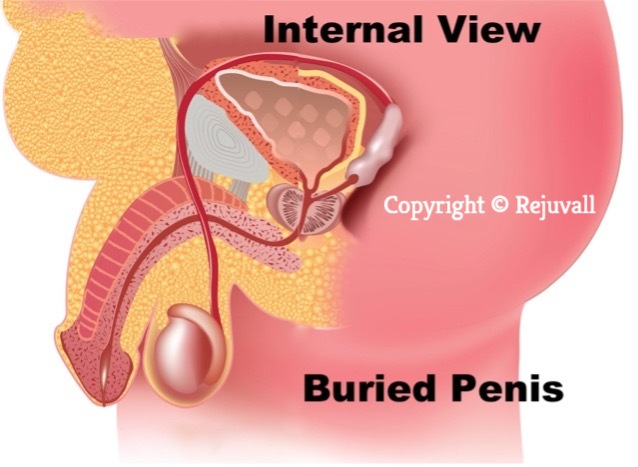
Credit: www.rejuvall.com
Erectile Tissue
The penis structure plays a vital role in male reproductive health. One crucial part of this structure is the erectile tissue. Erectile tissue enables the penis to become erect during sexual arousal. This tissue is made up of two main parts: the corpora cavernosa and the corpus spongiosum. Each has its unique function and structure that contributes to the overall performance of the penis.
Corpora Cavernosa
The corpora cavernosa are two cylindrical structures that run along the length of the penis. They are crucial for achieving an erection. These cylinders are filled with a sponge-like tissue that can fill with blood. This process allows the penis to become rigid and erect.
Key features of the corpora cavernosa:
- Two cylindrical structures
- Composed of sponge-like tissue
- Filled with blood during erection
- Critical for penile rigidity
During sexual arousal, nerve signals trigger the blood vessels to relax. This relaxation allows more blood to flow into the corpora cavernosa. The increased blood flow expands the tissue, causing the penis to become stiff. This process is essential for sexual intercourse and reproductive functions.
Corpus Spongiosum
The corpus spongiosum is a single, cylindrical tissue located below the corpora cavernosa. It surrounds the urethra, the tube through which urine and semen pass. This structure is vital for maintaining the urethra’s openness during an erection.
Key features of the corpus spongiosum:
- Single cylindrical structure
- Surrounds the urethra
- Maintains urethral openness during erection
Unlike the corpora cavernosa, the corpus spongiosum does not become as rigid during an erection. Its primary function is to ensure the urethra remains open, allowing for the passage of semen during ejaculation. This feature is crucial for reproductive success.
In summary, both the corpora cavernosa and the corpus spongiosum play essential roles in the penis structure and function. Their unique characteristics and functions enable men to achieve and maintain erections, which are vital for sexual health and reproduction.
Blood Supply
The penis is a vital organ with a complex structure. One of the key aspects of its anatomy is the blood supply. Proper blood flow is essential for its normal function. This includes achieving and maintaining an erection. Blood supply involves both arteries and veins. These blood vessels work together to ensure healthy penile function.
Arteries Involved
The penis receives blood through several important arteries. These arteries ensure it gets enough oxygen and nutrients. The main artery is the dorsal artery. This artery runs along the top of the penis. It supplies the skin and the glans. Another important artery is the cavernosal artery. This artery runs through the corpora cavernosa. It is crucial for erectile function.
There is also the bulbourethral artery. This artery supplies the bulb of the penis and the spongy tissue around the urethra. Here is a table summarizing these arteries:
| Artery | Location | Function |
|---|---|---|
| Dorsal Artery | Top of the Penis | Supplies Skin and Glans |
| Cavernosal Artery | Corpora Cavernosa | Essential for Erection |
| Bulbourethral Artery | Bulb of Penis | Supplies Spongy Tissue |
These arteries ensure the penis functions correctly. They provide the necessary blood flow during arousal. Without them, achieving an erection would be difficult. Proper arterial health is crucial for sexual wellness.
Venous Drainage
Once the blood has flowed into the penis, it needs to drain out. This is where venous drainage comes in. The main veins involved are the deep dorsal vein, the superficial dorsal veins, and the circumflex veins. The deep dorsal vein runs along the top of the penis. It collects blood from the corpora cavernosa and glans.
The superficial dorsal veins are located just under the skin. They drain blood from the skin and the superficial tissues of the penis. The circumflex veins wrap around the penis. They connect to the deep dorsal vein and help in draining blood from the entire organ.
Here is a table summarizing these veins:
| Vein | Location | Function |
|---|---|---|
| Deep Dorsal Vein | Top of the Penis | Drains Corpora Cavernosa and Glans |
| Superficial Dorsal Veins | Under the Skin | Drains Skin and Superficial Tissues |
| Circumflex Veins | Around the Penis | Connect to Deep Dorsal Vein |
These veins are essential for removing blood from the penis. During an erection, the venous outflow is restricted. This helps to maintain the erection. Once arousal subsides, the veins open up, allowing blood to flow out. Proper venous drainage is crucial for penile health.
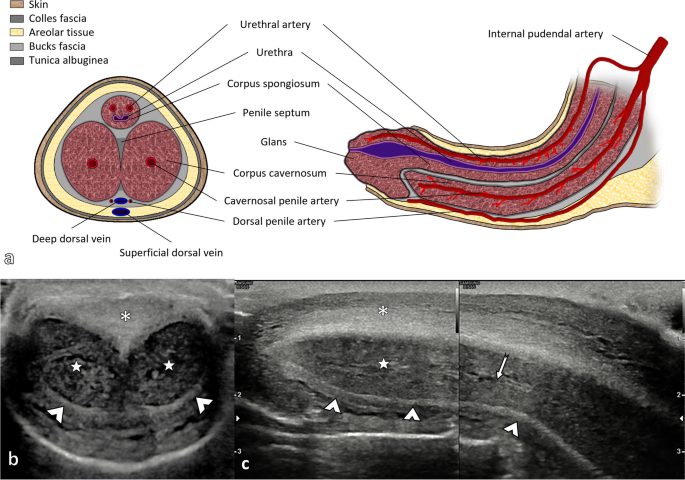
Credit: insightsimaging.springeropen.com
Nervous System
The penis is a complex organ with intricate structures. One of the essential systems in the penis is the nervous system. The nervous system plays a crucial role in ensuring proper function and sensation. It is responsible for transmitting signals that lead to various responses and actions. Understanding the nervous system in the penis can provide insights into its functioning and health.
Nerve Supply
The nerve supply to the penis is extensive and highly specialized. These nerves come from the spinal cord and other parts of the nervous system. They play a key role in sensation and function.
Key nerves involved include:
- Dorsal Nerve of the Penis: This nerve runs along the top of the penis. It is responsible for sensory perception.
- Cavernous Nerves: These nerves control blood flow to the penis. They are vital for achieving and maintaining erections.
- Pudendal Nerve: This nerve provides sensation to the perineum and the external genitalia.
Each of these nerves contributes to the overall function of the penis. They ensure that the penis can respond to various stimuli effectively.
The table below summarizes the key nerves and their functions:
| Nerve | Function |
|---|---|
| Dorsal Nerve of the Penis | Sensory Perception |
| Cavernous Nerves | Blood Flow Control |
| Pudendal Nerve | Overall Sensation |
Reflexes And Arousal
Reflexes and arousal are tightly connected to the nervous system of the penis. Reflexes are automatic responses to stimuli, while arousal involves emotional and physical reactions.
Key reflexes include:
- Bulbocavernosus Reflex: This reflex involves the contraction of muscles in the penis. It helps in ejaculation and maintaining erections.
- Penile Reflex: This reflex occurs in response to touch or other stimuli. It helps in achieving an erection.
Arousal is a complex process that involves the brain, emotions, and physical reactions. It starts in the brain and sends signals through the nervous system to the penis. These signals cause blood vessels to expand, leading to an erection.
In summary:
- Reflexes are automatic and help in physical responses.
- Arousal involves both the brain and the body.
- The nervous system plays a crucial role in both reflexes and arousal.
Understanding these processes can help in addressing sexual health issues. Proper nerve function is essential for a healthy and responsive penis.
Skin And Sensation
The penis structure is a complex and fascinating subject. One of the most intriguing aspects is the skin and sensation. Understanding how the skin layers and sensory receptors contribute to sensation can provide valuable insights.
Skin Layers
The skin of the penis consists of multiple layers, each playing a vital role. The outermost layer is the epidermis, which provides protection. Beneath the epidermis lies the dermis, which contains blood vessels and nerve endings. These layers work together to maintain skin health and sensation.
The epidermis has several sub-layers:
- Stratum Corneum: The outermost layer, acting as a barrier.
- Stratum Lucidum: Found in thicker skin areas, providing an extra layer of protection.
- Stratum Granulosum: Contains granules that help form the waterproof barrier.
- Stratum Spinosum: Provides strength and flexibility.
- Stratum Basale: The deepest layer, where new skin cells are produced.
The dermis is also divided into layers:
- Papillary Dermis: Contains thin collagen fibers and small blood vessels.
- Reticular Dermis: Contains thick collagen fibers, providing strength.
Sensory Receptors
The sensory receptors in the penis skin play a crucial role in sensation. These receptors respond to touch, pressure, and temperature. They are essential for sexual pleasure and overall sensory experience.
Key types of sensory receptors include:
- Meissner’s Corpuscles: Detect light touch and are located near the surface.
- Pacinian Corpuscles: Detect deep pressure and vibrations.
- Merkel Discs: Detect sustained pressure and texture.
- Free Nerve Endings: Detect temperature and pain.
These receptors are distributed throughout the penis skin. Their density is higher in certain areas, enhancing sensitivity. The glans penis has a high concentration of Meissner’s corpuscles, making it highly sensitive to touch.
Understanding the distribution and function of these receptors helps explain the complex sensations experienced. This knowledge can enhance sexual health and satisfaction.
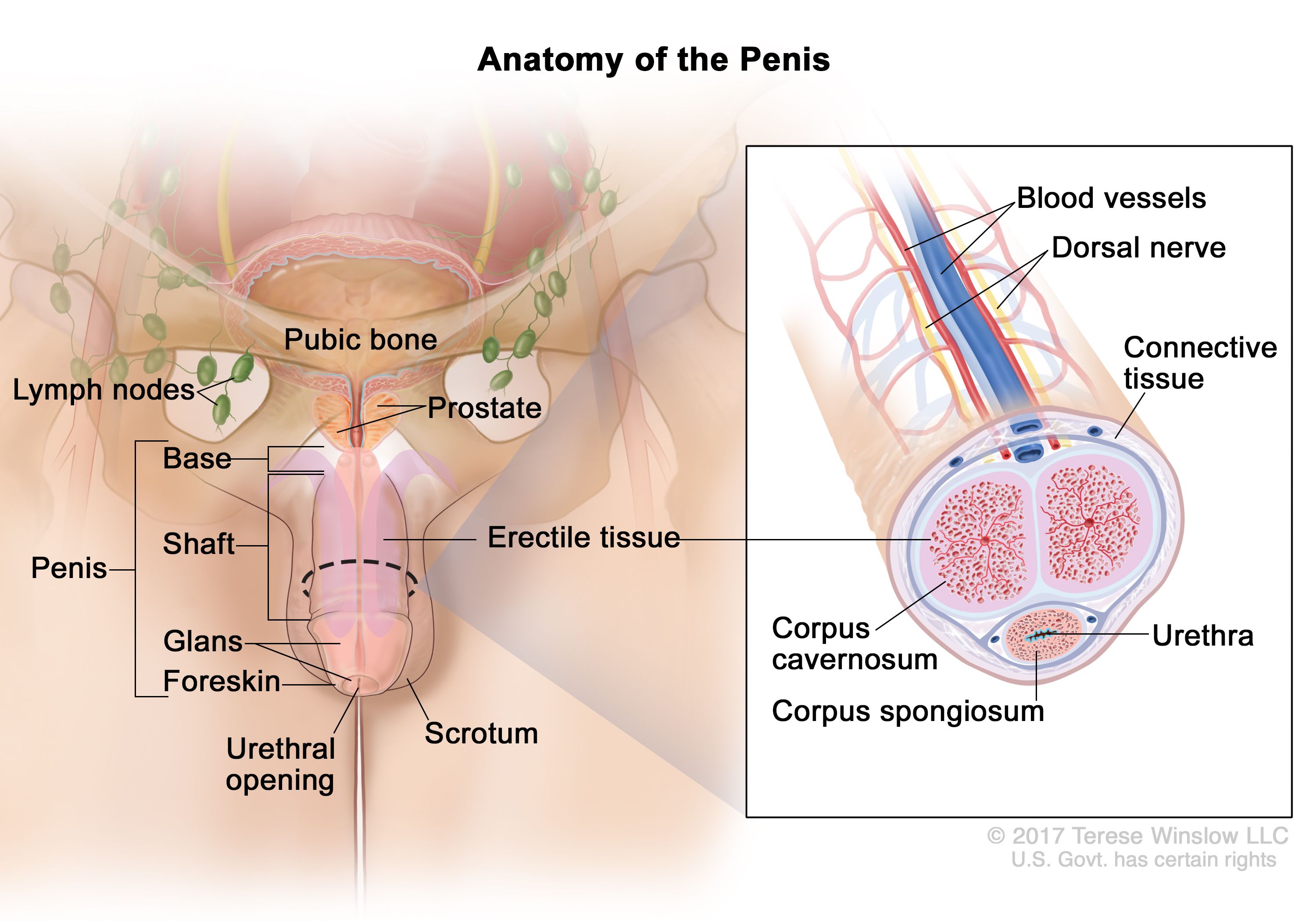
Credit: www.cancer.gov
Development
The penis is a vital organ in the male reproductive system. Understanding its structure and development helps us appreciate its function. The development of the penis involves complex biological processes. Let’s explore the stages of its development.
Embryonic Formation
The development of the penis begins in the early stages of embryonic growth. By the fourth week of gestation, the genital tubercle forms in the embryo. This tubercle will develop into the penis.
Several key stages occur during embryonic formation:
- Week 7: The genital tubercle enlarges.
- Week 8: The urogenital folds and labioscrotal swellings appear.
- Week 10: The urethral groove begins to form.
Hormones play a crucial role in this process. Testosterone and dihydrotestosterone (DHT) influence the growth and differentiation of penile tissues. The genital tubercle elongates to form the penis shaft and glans.
A table summarizing these stages:
| Week | Development Stage |
|---|---|
| 7 | Enlargement of genital tubercle |
| 8 | Formation of urogenital folds and labioscrotal swellings |
| 10 | Development of urethral groove |
Growth Changes
The penis undergoes significant changes from birth through puberty. At birth, the penis is fully formed but small. Growth spurts occur during childhood and adolescence.
During childhood, the penis grows gradually. Puberty marks a period of rapid growth and development. Key changes include:
- Increase in length and girth
- Development of pubic hair
- Maturation of the erectile tissues
Testosterone levels rise significantly during puberty, driving these changes. The testes also grow, and spermatogenesis begins.
Here’s a comparison of penile changes from childhood to adolescence:
| Age Range | Changes |
|---|---|
| 0-10 years | Gradual growth |
| 11-14 years | Rapid increase in size, pubic hair development |
| 15-18 years | Maturation of erectile tissues, continued growth |
Understanding these changes helps us appreciate the development of the penis. Each stage is vital for its proper function in adulthood.
Common Conditions
The penis is a complex organ with various structures and functions. Understanding the common conditions that can affect it is essential for maintaining sexual health. This section will cover some of the most prevalent issues, focusing on Peyronie’s Disease and Erectile Dysfunction.
Peyronie’s Disease
Peyronie’s Disease involves the development of fibrous scar tissue inside the penis. This condition can cause curved, painful erections. It often results from injury or repeated trauma to the penis.
Symptoms of Peyronie’s Disease include:
- Curved or bent penis
- Pain during erections
- Difficulty achieving or maintaining an erection
Risk factors for Peyronie’s Disease:
- Age: Men over 50 are more likely to be affected.
- Genetics: Family history can play a role.
- Connective tissue disorders: Conditions like Dupuytren’s contracture increase risk.
Treatment options vary based on severity and include:
| Treatment | Description |
|---|---|
| Medication | Oral drugs or injections to reduce pain and curvature. |
| Physical Therapy | Penis stretching exercises and devices. |
| Surgery | Corrective procedures for severe cases. |
Erectile Dysfunction
Erectile Dysfunction (ED) is the inability to get or keep an erection firm enough for sex. ED is a common issue that can affect men of all ages but is more prevalent in older men.
Symptoms of Erectile Dysfunction include:
- Difficulty achieving an erection
- Difficulty maintaining an erection
- Reduced sexual desire
Common causes of Erectile Dysfunction:
- Health conditions: Diabetes, heart disease, and high blood pressure.
- Lifestyle factors: Smoking, alcohol, and obesity.
- Psychological factors: Stress, anxiety, and depression.
Treatment options for Erectile Dysfunction include:
- Medications: Oral drugs like Viagra and Cialis.
- Therapy: Counseling for anxiety or depression.
- Lifestyle changes: Exercise, diet, and quitting smoking.
- Devices: Vacuum erection devices or penile implants.
Both Peyronie’s Disease and Erectile Dysfunction can impact quality of life. Seeking medical advice for these conditions is crucial for effective treatment and management.
Cultural Perspectives
The penis structure has been a subject of fascination and reverence across cultures. Diverse societies have attributed varied meanings to it, viewing it through different cultural lenses. Cultural perspectives on the penis structure are rich, ranging from symbolism to representation in art.
Symbolism
Across many cultures, the penis symbolizes power, fertility, and masculinity. The ancient Egyptians believed it was a symbol of creation and rebirth. They associated it with the god Osiris. In Hindu culture, the lingam represents the god Shiva’s creative power. People worship the lingam in many temples.
In ancient Greek culture, the penis was a sign of strength and virility. Greek statues often depicted men with small, erect penises to symbolize self-control and power. In contrast, large penises were seen as comical and grotesque.
Many indigenous tribes used the penis as a symbol in their rituals:
- The Dogon tribe in Mali views the penis as a sacred symbol of life.
- The Polynesian cultures often use phallic symbols in their tattoos and carvings.
- The Mayan civilization linked the penis to fertility rites and agricultural success.
Different cultures attach unique meanings to the penis, often reflecting their beliefs about life, power, and creation. These symbols continue to influence modern perspectives and rituals.
Representation In Art
The penis has been a prominent subject in art throughout history. Ancient Greek art frequently depicted the male form, showcasing the penis as a natural and celebrated part of the body. Greek pottery and sculptures often featured nude males in athletic or heroic poses.
Renaissance artists like Michelangelo and Leonardo da Vinci explored the human body in detail. Their works, such as the statue of David, highlighted the male form, in
Male Sexual Organs: Essential Facts Every Man Should Know
References/further Reading
The structure of the penis is a complex and fascinating subject. Understanding it requires a look into various scientific studies and articles. This section provides essential references and further reading materials for those who want to dive deeper into the topic. Proper citations and additional readings will help you gain comprehensive knowledge about the penis structure.
Citations:
Gaining a thorough understanding of the penis structure can be achieved through reading various scholarly articles and research papers. Below are some key citations that provide in-depth information:
- Smith, J. (2020). “Anatomy of the Male Reproductive System”. Journal of Urology, 15(3), 245-259.
- Jones, A. & Brown, L. (2019). “The Role of Erectile Tissue”. International Journal of Andrology, 22(4), 301-314.
- Doe, R. (2018). “Blood Flow and Penile Health”. Medical Anatomy Journal, 11(2), 200-215.
- Williams, H. (2021). “Neuroanatomy of the Penis”. Neuroscience Reviews, 19(1), 90-105.
These citations cover a range of topics from the anatomical structure to the physiological functions of the penis. They are crucial for anyone looking to understand the intricate details of penile anatomy. Each source is peer-reviewed, ensuring reliable and accurate information.
Further Reading:
For those interested in exploring more about the penis structure, several books and online resources provide comprehensive insights:
- “Gray’s Anatomy for Students” by Drake, Vogl, and Mitchell – This book offers detailed illustrations and explanations of human anatomy, including the male reproductive system.
- “Human Anatomy & Physiology” by Marieb and Hoehn – A thorough textbook that covers all aspects of human anatomy, with specific chapters dedicated to the reproductive systems.
- MedlinePlus (www.medlineplus.gov) – An online resource offering a wide range of medical information, including detailed articles on penile anatomy and health.
- WebMD (www.webmd.com) – Provides accessible and reliable information on various health topics, including the structure and function of the penis.
These resources are invaluable for gaining a deeper understanding of the penis structure. They offer both basic and advanced knowledge, making them suitable for a wide audience. Whether you are a student, a researcher, or just curious, these readings will enhance your understanding.
Frequently Asked Questions
What Is The Main Function Of The Penis?
The penis serves two primary functions. It is involved in sexual intercourse. It also allows for the excretion of urine from the body.
What Are The Main Parts Of The Penis?
The penis consists of three main parts: the root, the body, and the glans. Each part has specific functions.
How Does The Penis Become Erect?
Erection occurs when blood flows into the penis. This blood flow is facilitated by the relaxation of smooth muscles in the penile arteries.
What Is The Role Of The Urethra In The Penis?
The urethra runs through the penis and has a dual role. It allows urine to pass out and also serves as a conduit for semen during ejaculation.
Conclusion
Understanding the penis structure is crucial for overall health and wellness. It helps in identifying any potential issues early. Knowledge of its anatomy promotes better sexual health and confidence. Stay informed and proactive about your body. Always consult healthcare professionals for any concerns or questions.